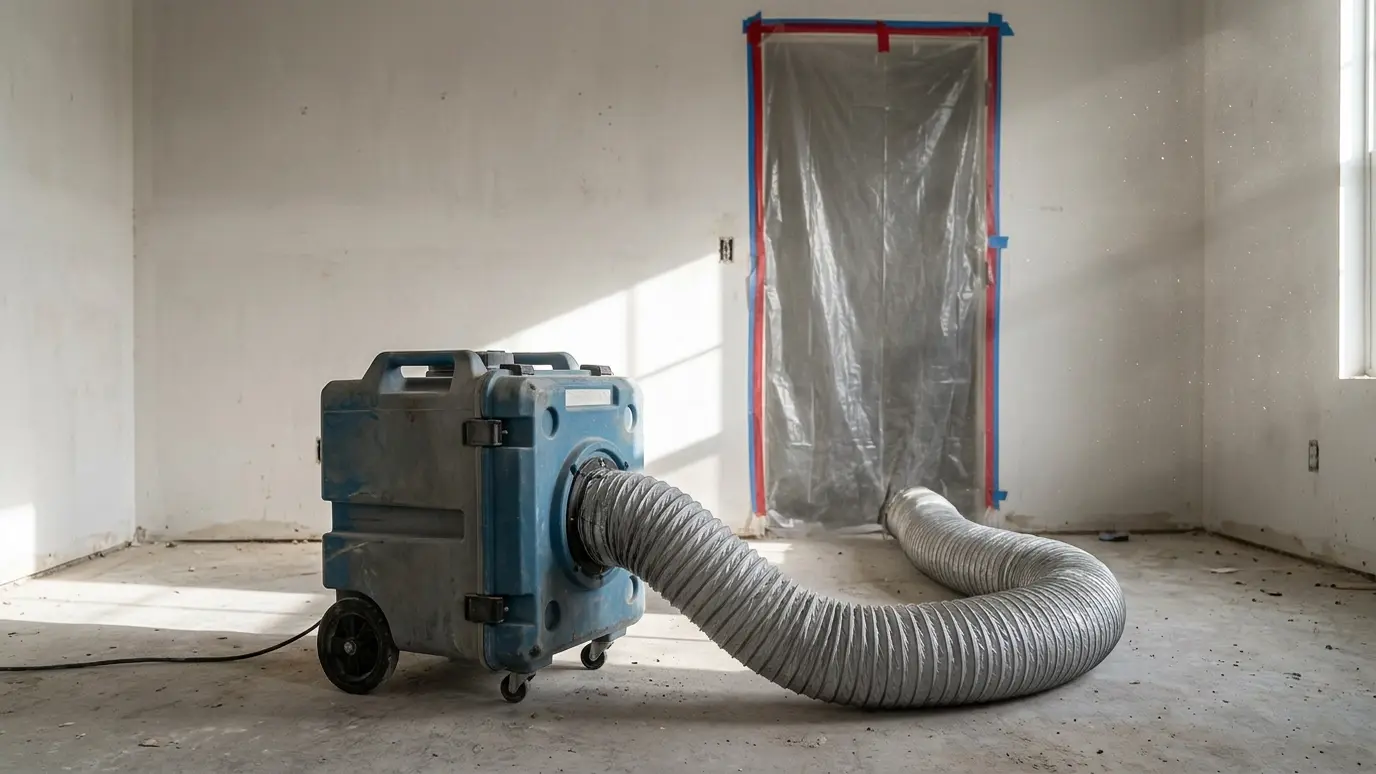
HEPA air scrubbers clean dust, soot and mold spores from the air during and after restoration work.
After fire, flood, mold or demolition, the air holds particles you cannot see: soot, spores, dust and fibers. A HEPA air scrubber pulls air through filters that capture very fine particles, and it can run continuously while the work goes on.
We use air scrubbers inside containment to keep spores out of clean areas, in rooms after cleanup to polish the air and in homes affected by smoke or construction dust. We size machines to the room and explain how long they will run.
It pulls room air through a filter that captures fine particles, then returns cleaner air. Larger machines can also exhaust air outside to create negative pressure.
In mold and demolition work, an air machine keeps the work area at slightly lower pressure so dust flows in, not out.
Running scrubbers after cleaning captures leftover fine particles and helps rooms feel fresher.
Change HVAC filters, vacuum with a HEPA vacuum and control humidity to keep air cleaner after a project.
Drag the handle to compare.
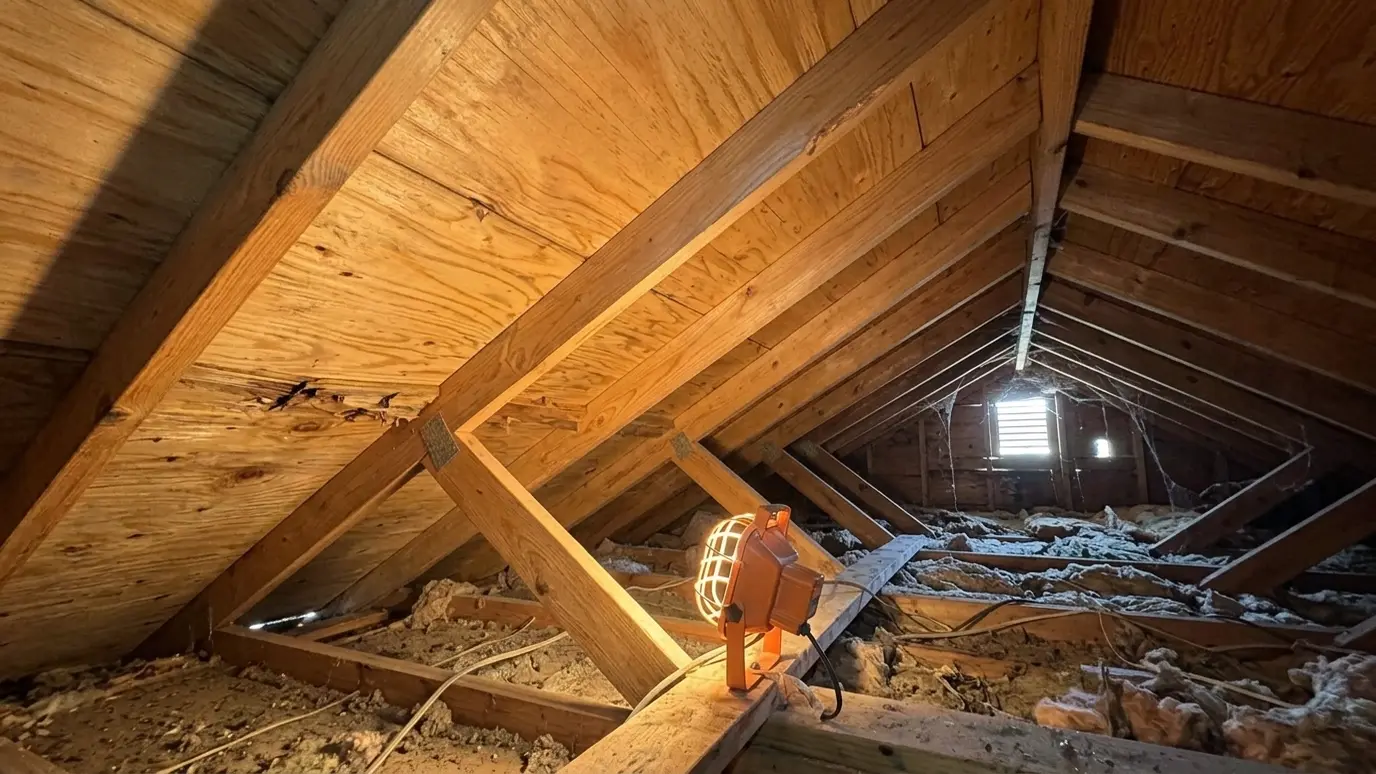
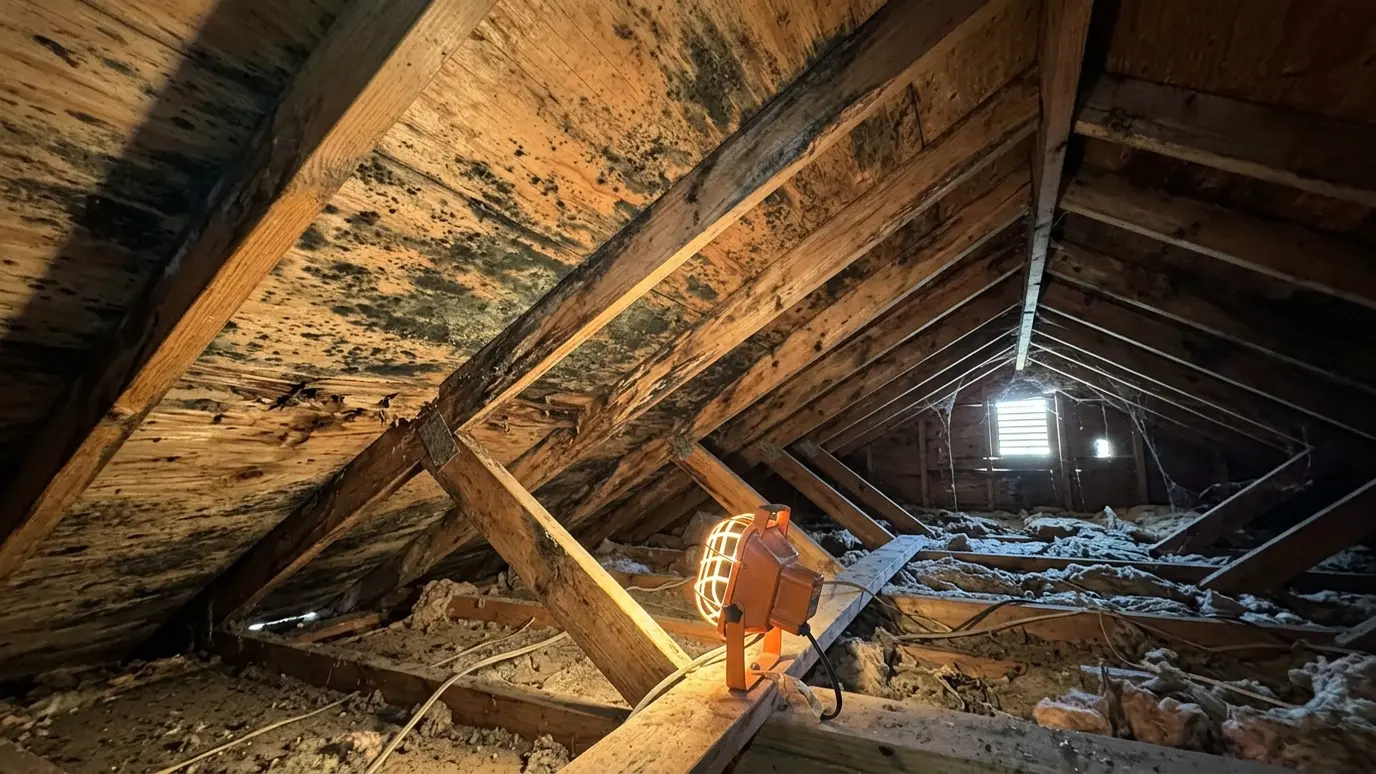 BeforeAfter
Matched to the room volume.
Keeps spores in containment.
Soot, spores and dust.
During and after the work.
Fresh filters for each job.
What it does and does not do.
Every topic has its own page with what to expect and how we approach it.
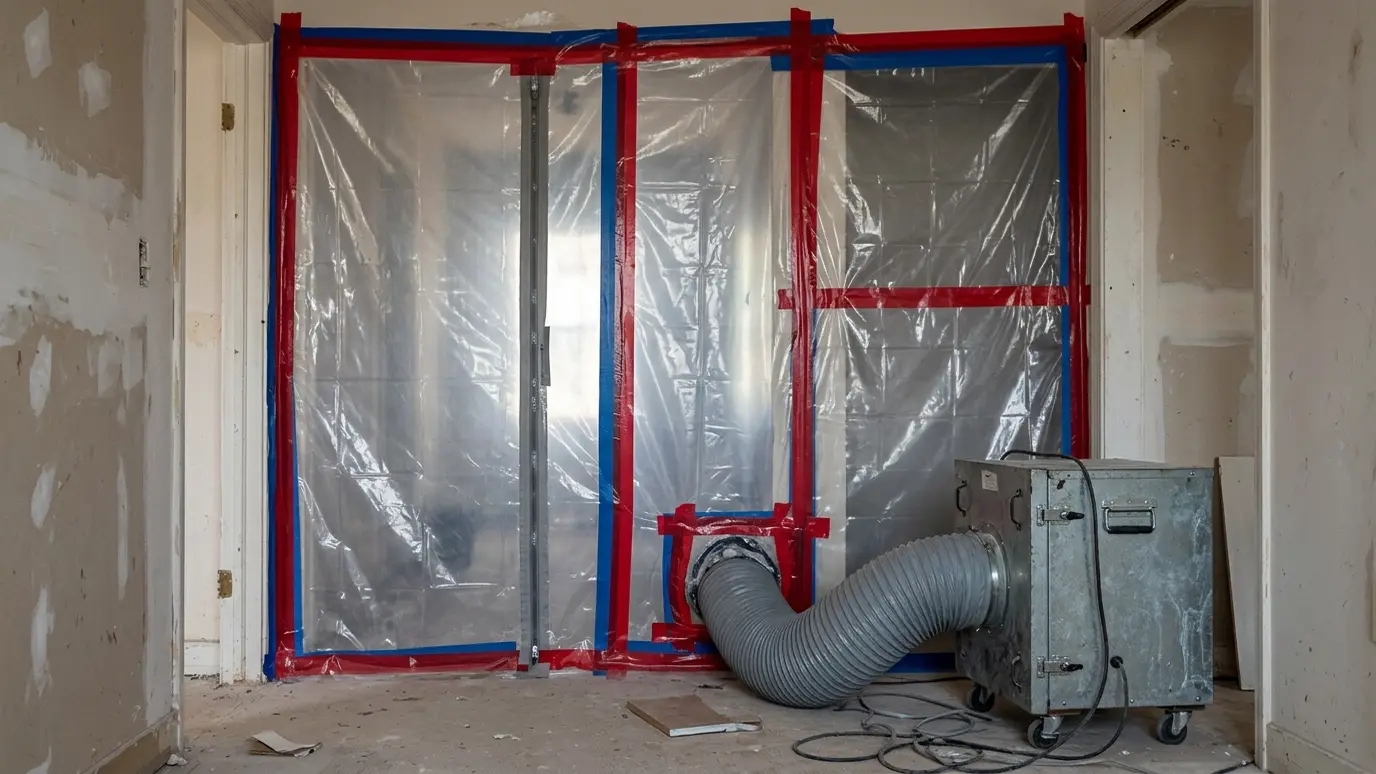 Material guideContainment and Negative AirHow plastic barriers, zipper doors and negative air machines keep dust, spores and soot where they belong.Learn more
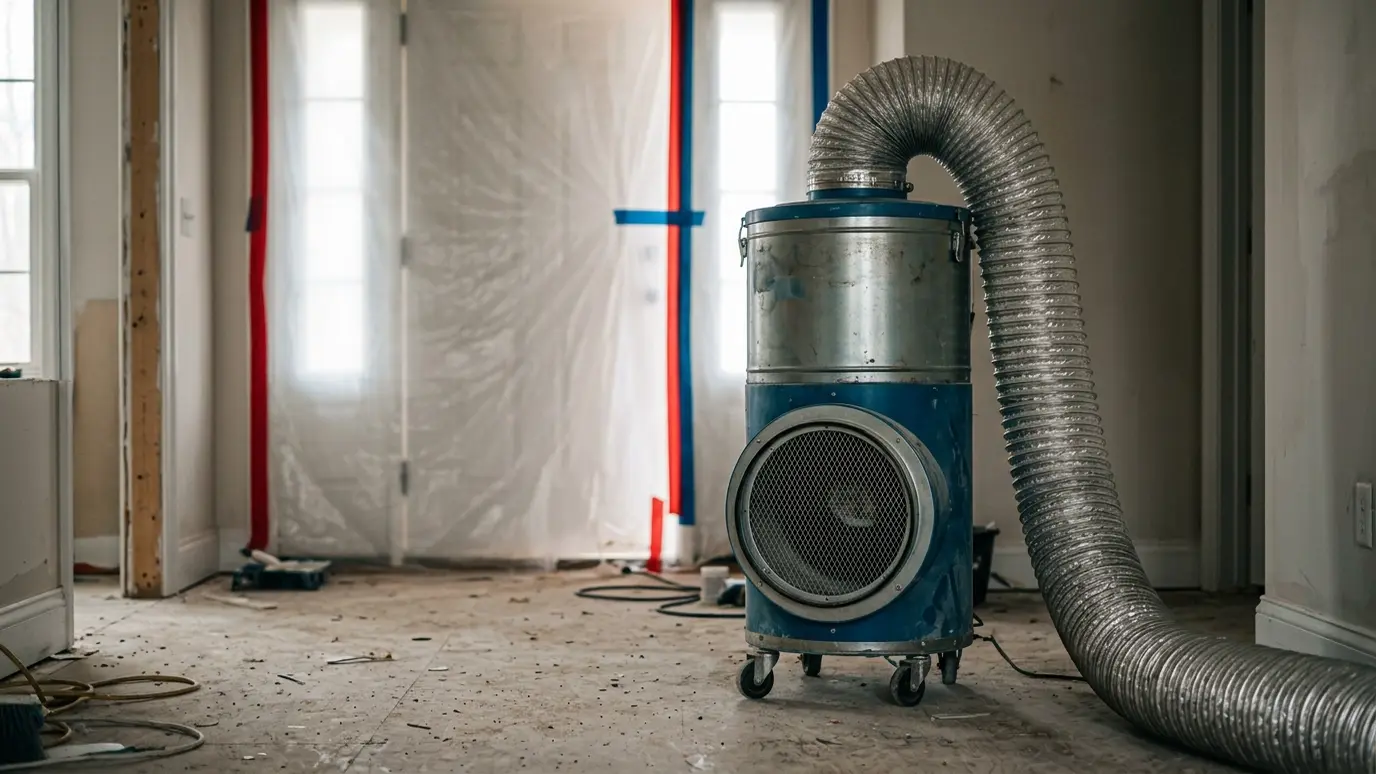 Material guideHEPA Air ScrubbersHow HEPA air scrubbers clean the air during and after restoration, and when they are the right tool.Learn more
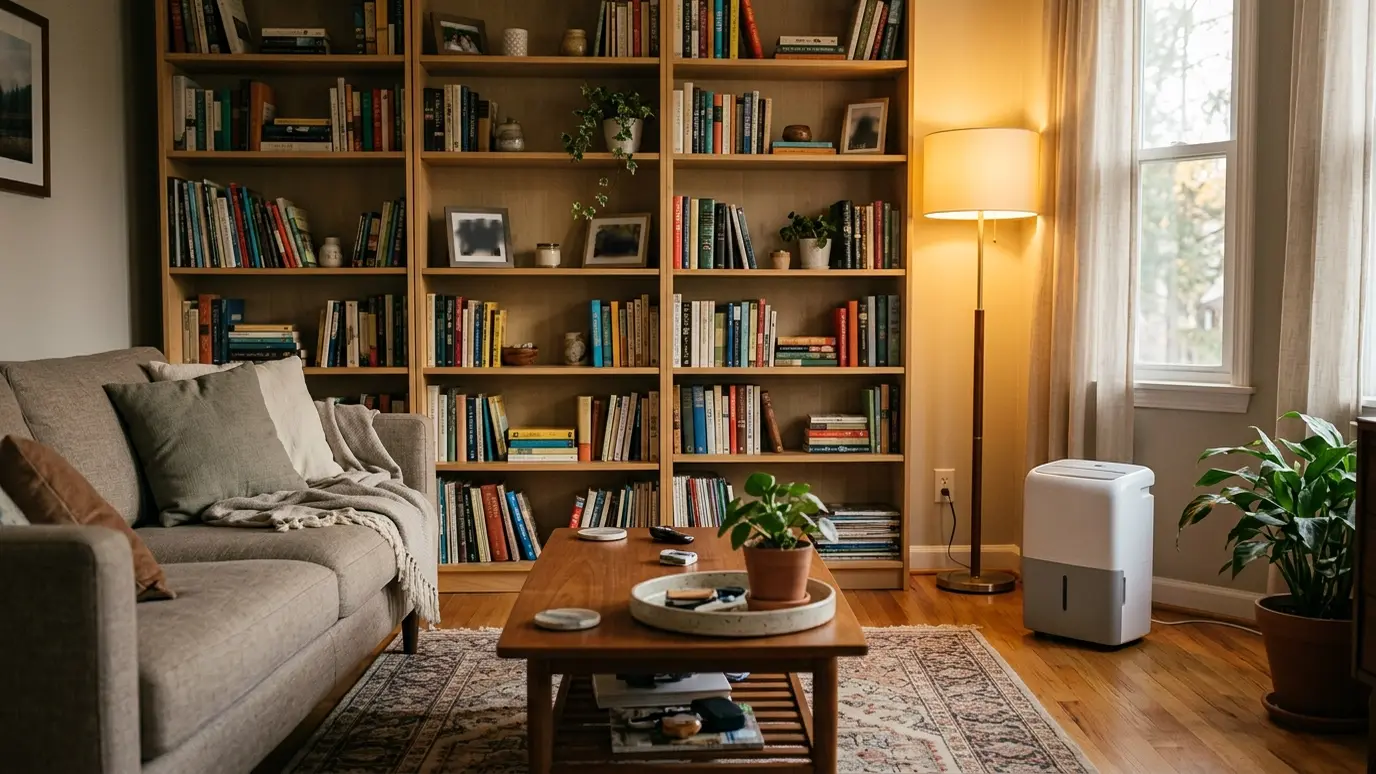 SituationHomeownersWhat homeowners should expect during a restoration project, from first call to final walk-through, and how to stay…Learn more
Enter how long materials have been wet, the humidity and the materials affected and see the mold risk and what to do next.
Tell us what happened and send photos if you can. We guide you on safety and plan the visit.
We find the source, map the damage with meters and thermal imaging and explain the plan.
Water extraction, board-up, tarping and removal of materials that cannot be saved.
Air movers, dehumidifiers and careful cleaning, with containment for fire and mold work.
Moisture readings and equipment adjustments until the structure is dry.
Repairs, paint and a final walk-through, with records you can keep.
It captures spores in the air. It does not remove mold growing on surfaces, which must be cleaned and the moisture fixed.
Like a large fan. We position it to be as unobtrusive as the job allows.
Often for the duration of the work and a day or two after.
Small units are sold for homes, but proper sizing and use matter. We can advise.
HEPA purifiers help with fine particles but do not fix the source of a problem.
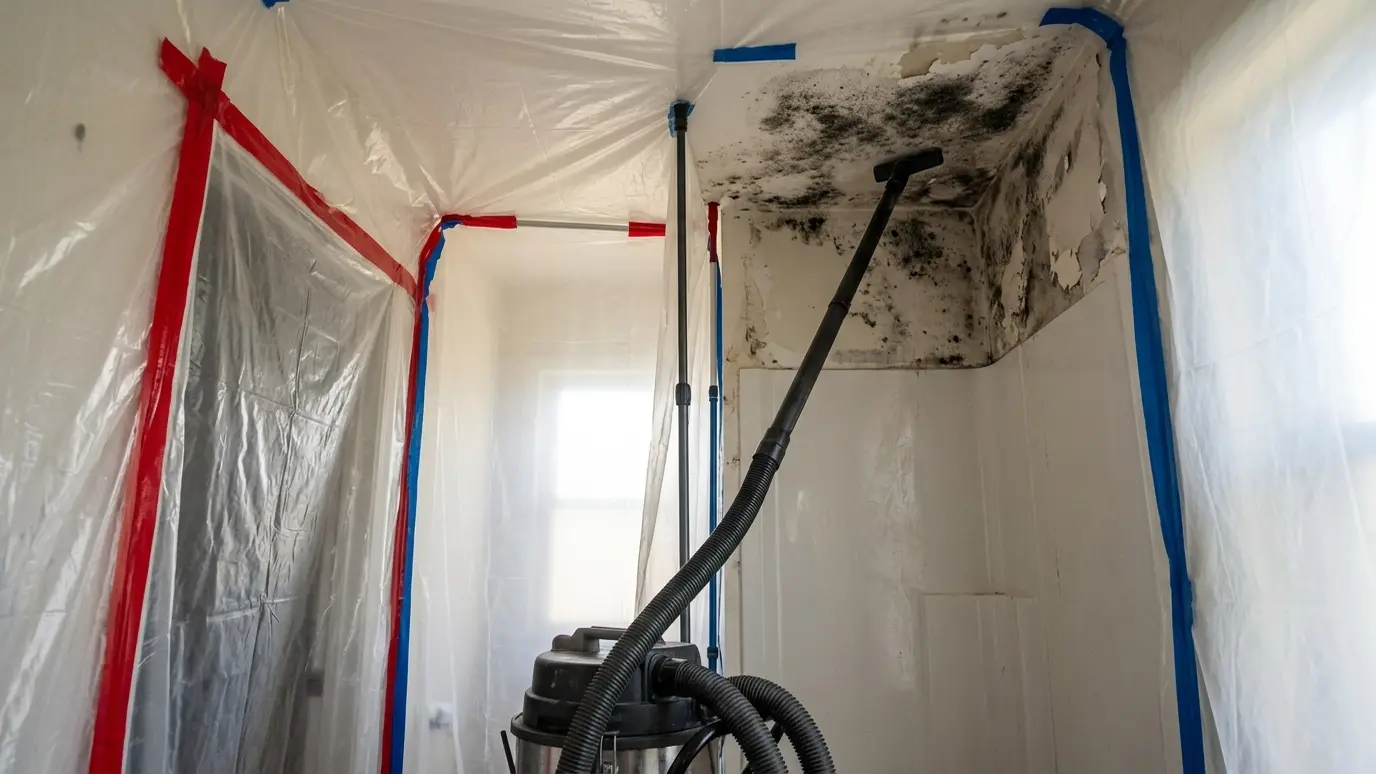 Mold RemediationContainment, HEPA filtration, careful removal and drying, so mold is taken out of your home and not spread…Explore
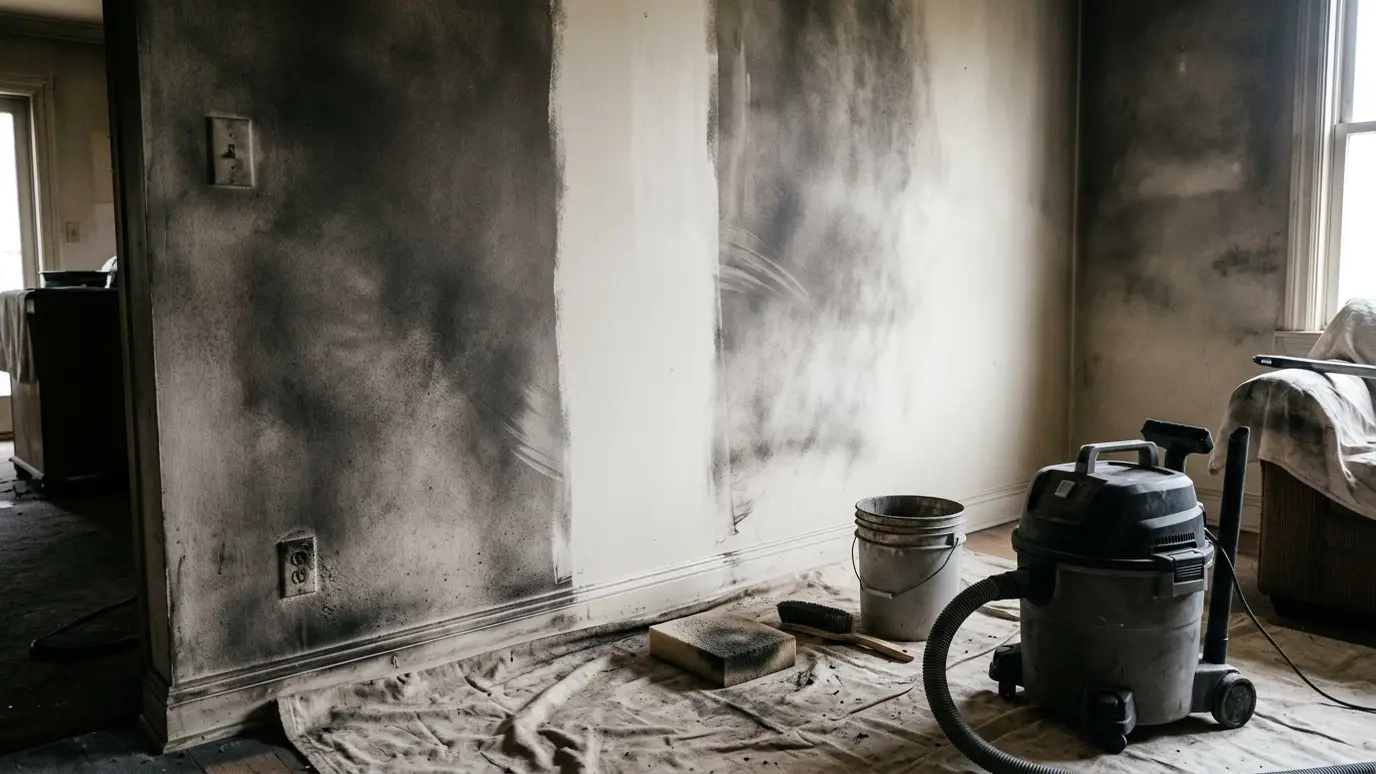 Smoke and Soot CleanupProfessional removal of soot and smoke film from walls, ceilings, floors and belongings, using methods that lift soot…Explore
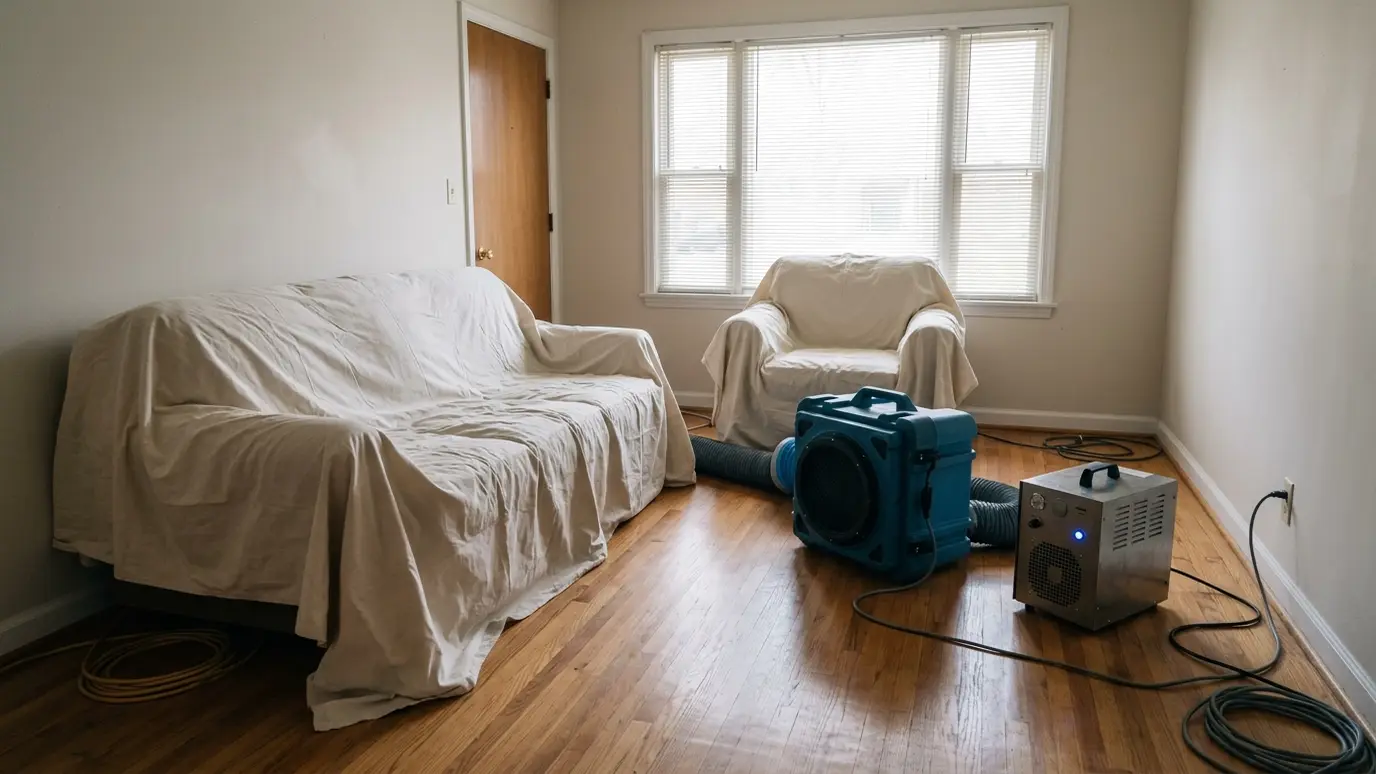 Odor RemovalSmoke, pet, mildew, cooking and sewage odors removed at the source with cleaning, air treatment and sealers.Explore
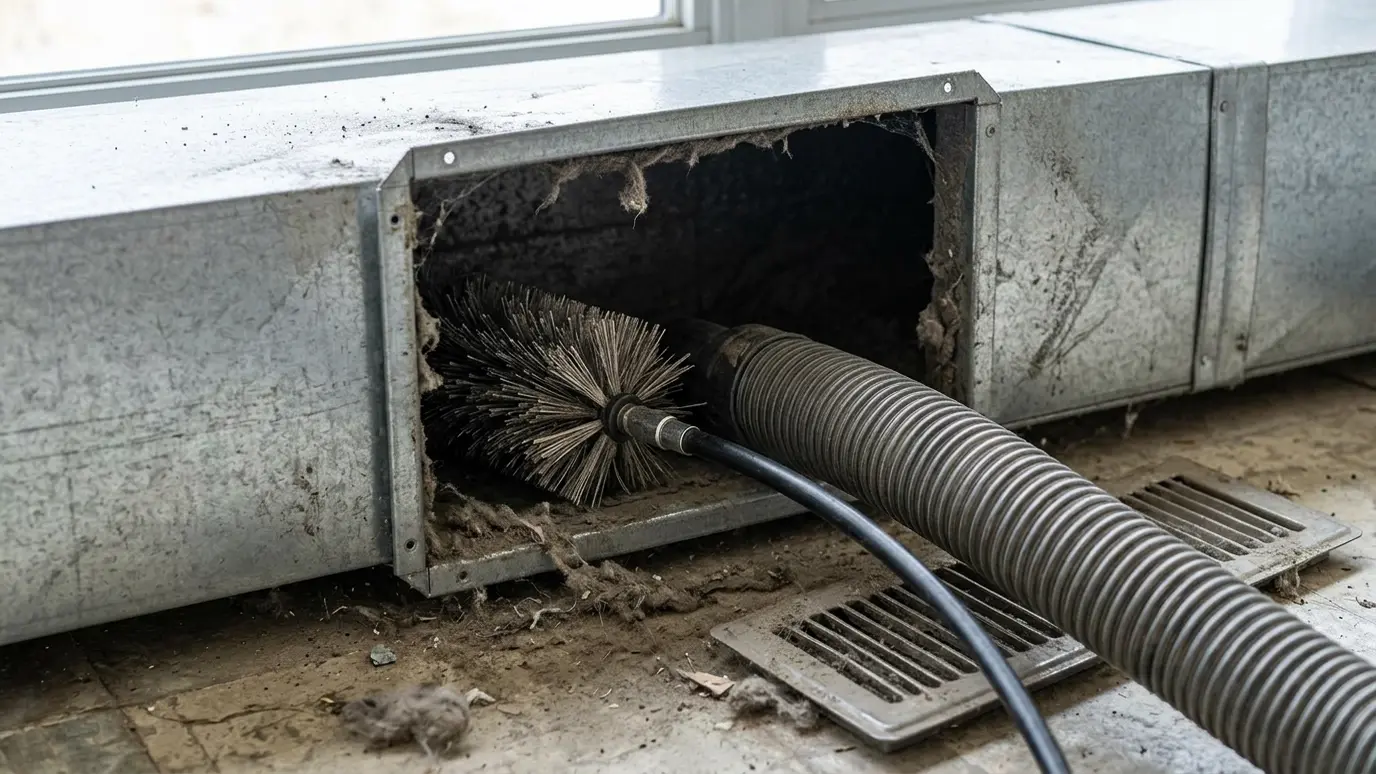 HVAC and Duct CleaningAir handlers, coils and ducts cleaned after mold, smoke or water damage so clean air is what actually…Explore
Tell us about the job and we will call you back quickly.
Or call (615) 357-7797 to talk now.