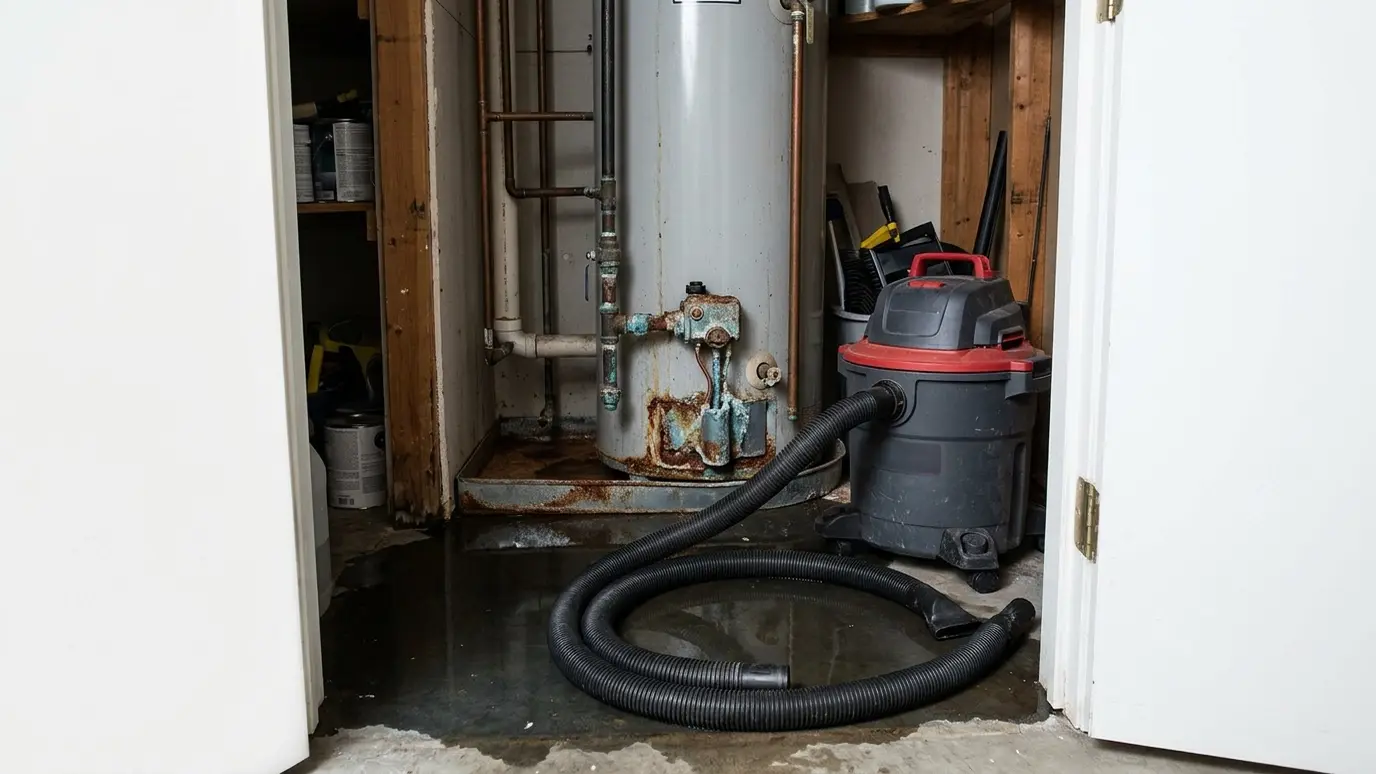
Leaks from water heaters, washing machines, dishwashers, refrigerators and air conditioners dried and cleaned before they spread.
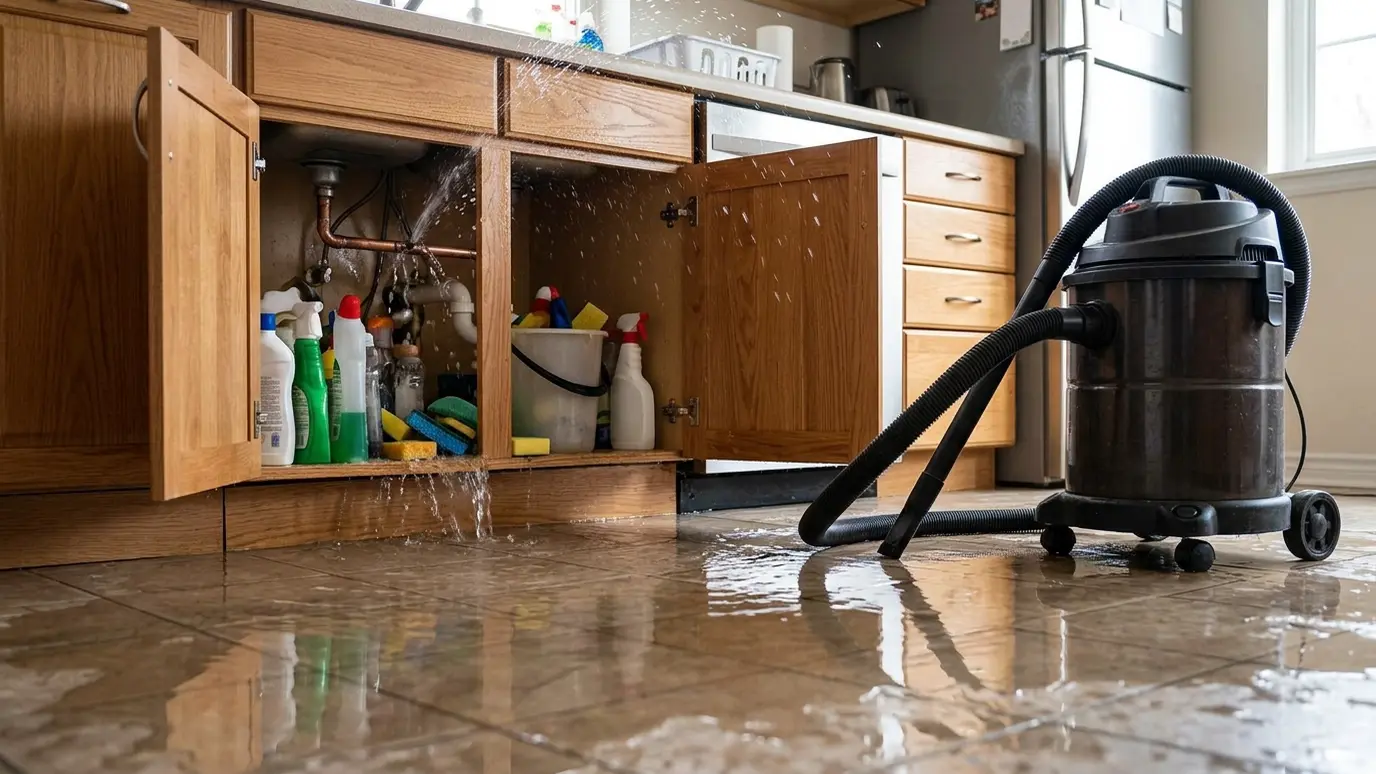
Not every water loss is a flood. A slow leak under a dishwasher, a failing washing machine hose or a corroded water heater can soak a floor and the cabinets above it for weeks. By the time you smell it, there may be mold in the subfloor.
We trace the water, remove it, open the affected area and dry cabinets, flooring and the cavity below. We also tell you what we see about the cause, so the appliance can be repaired or replaced and the leak does not return.
A small drip over weeks wets the subfloor and the cabinet base without any visible puddle. Mold often follows. A moisture inspection finds what a quick look misses.
Kitchen and bath cabinets hold water in their bases. We remove toe kicks, dry inside the cabinets and decide whether the cabinet bases can be saved.
Water heaters can release a tank of water at once. We extract, dry and check nearby walls and floors. A plumber should replace or repair the unit.
A quick look under sinks and behind appliances once or twice a year catches slow leaks early. Water heaters over ten years old deserve a closer look.
Drag the handle to compare.
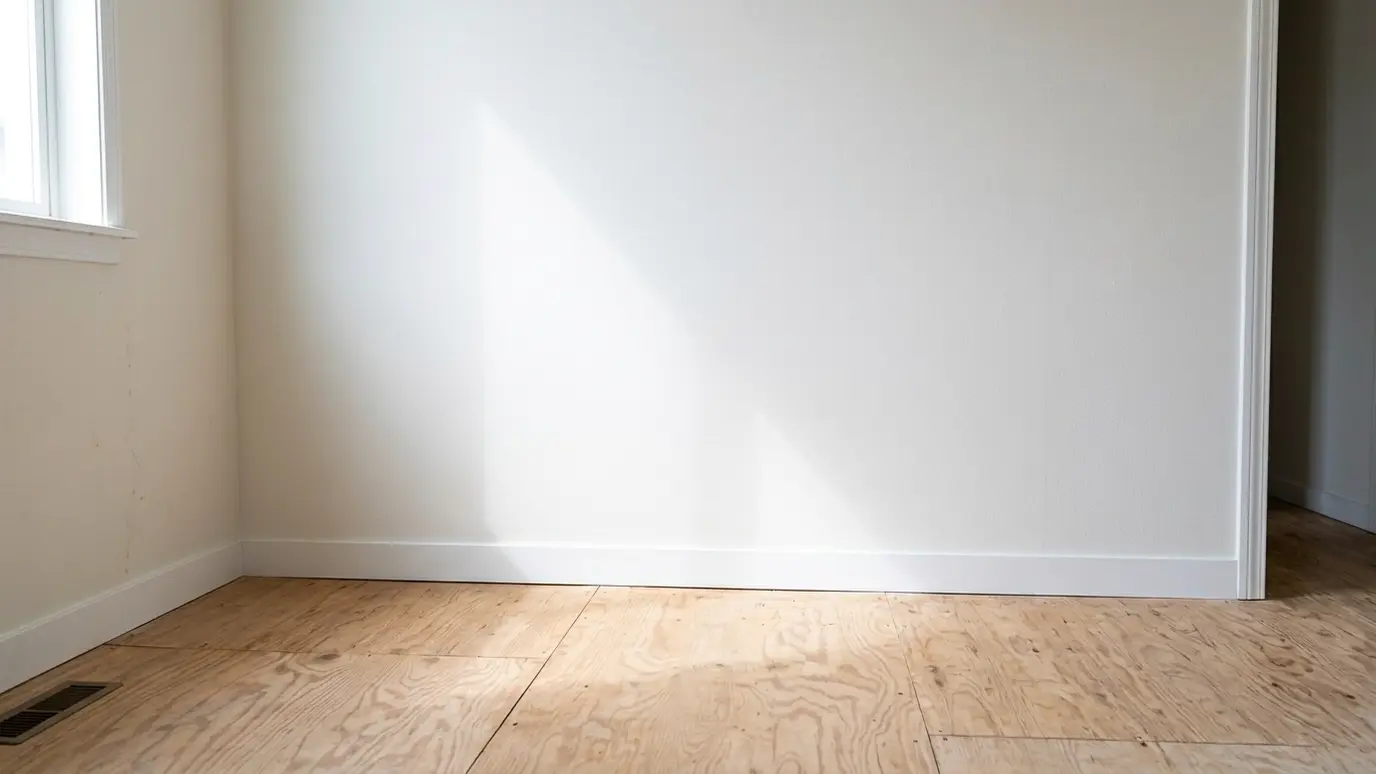
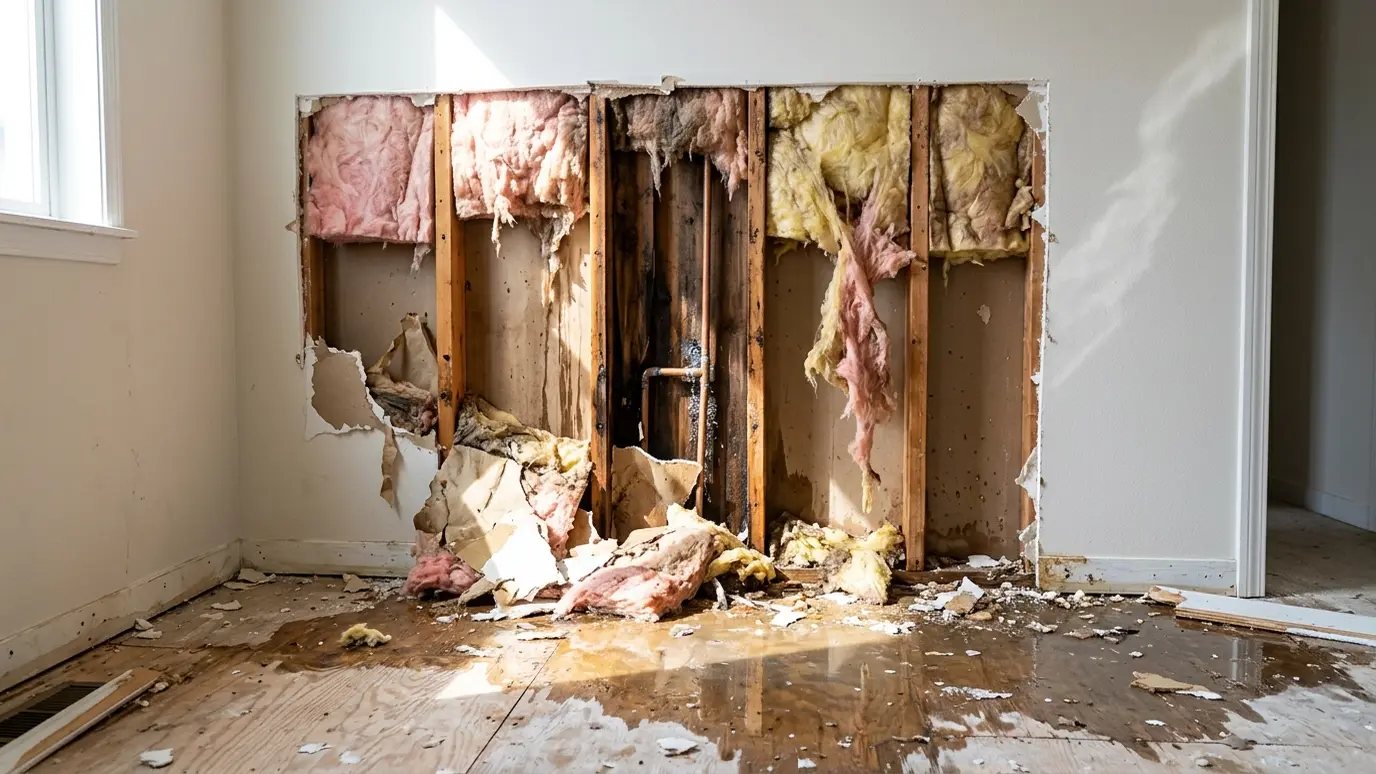 BeforeAfter
The wet area is mapped, not guessed.
Under floors and inside cabinets.
Floors and cabinets extracted.
Subfloor and cavities dried.
What failed and what to repair.
Drying that stops growth.
Every topic has its own page with what to expect and how we approach it.
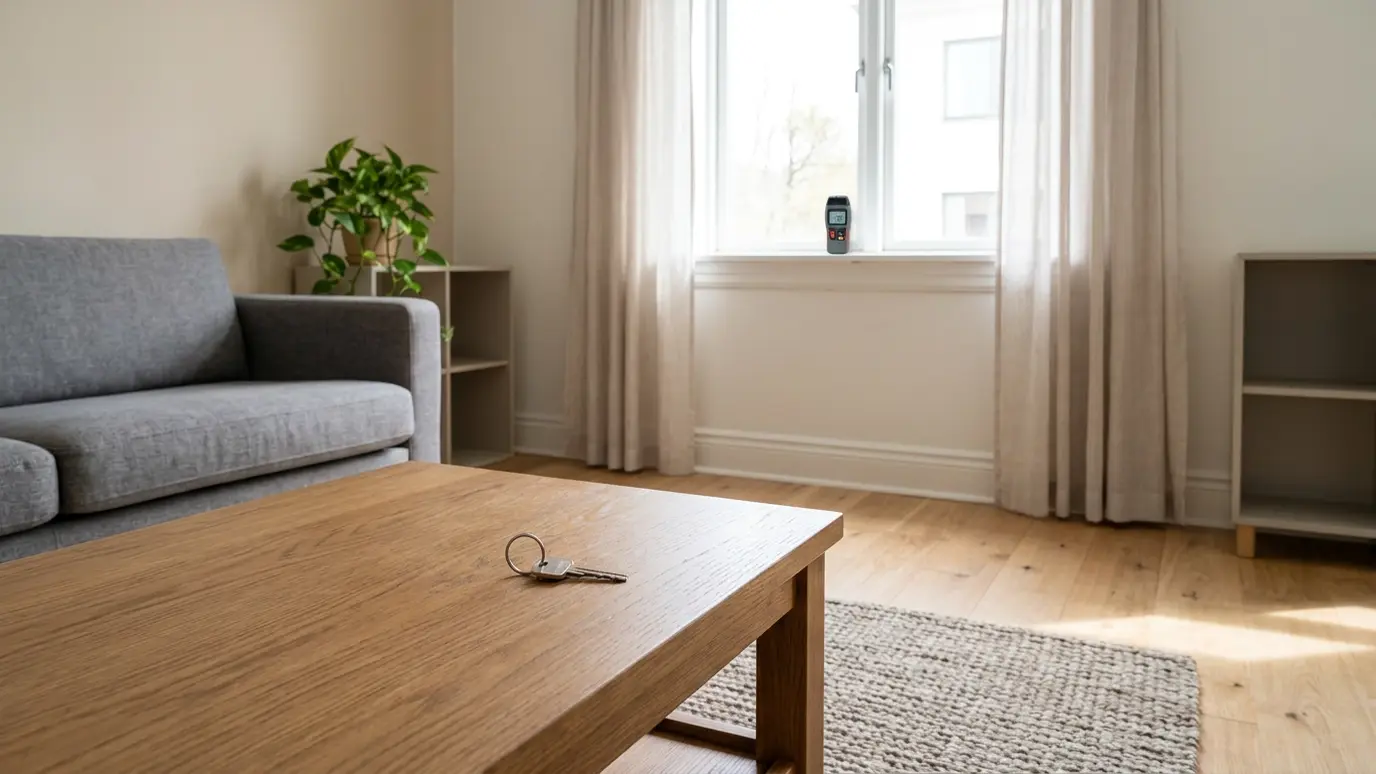
 SituationHomeownersWhat homeowners should expect during a restoration project, from first call to final walk-through, and how to stay…Learn more
 SituationLandlords and RentalsRestoring rental homes and apartments quickly, with tenant coordination, documentation and a focus on getting the unit back…Learn more
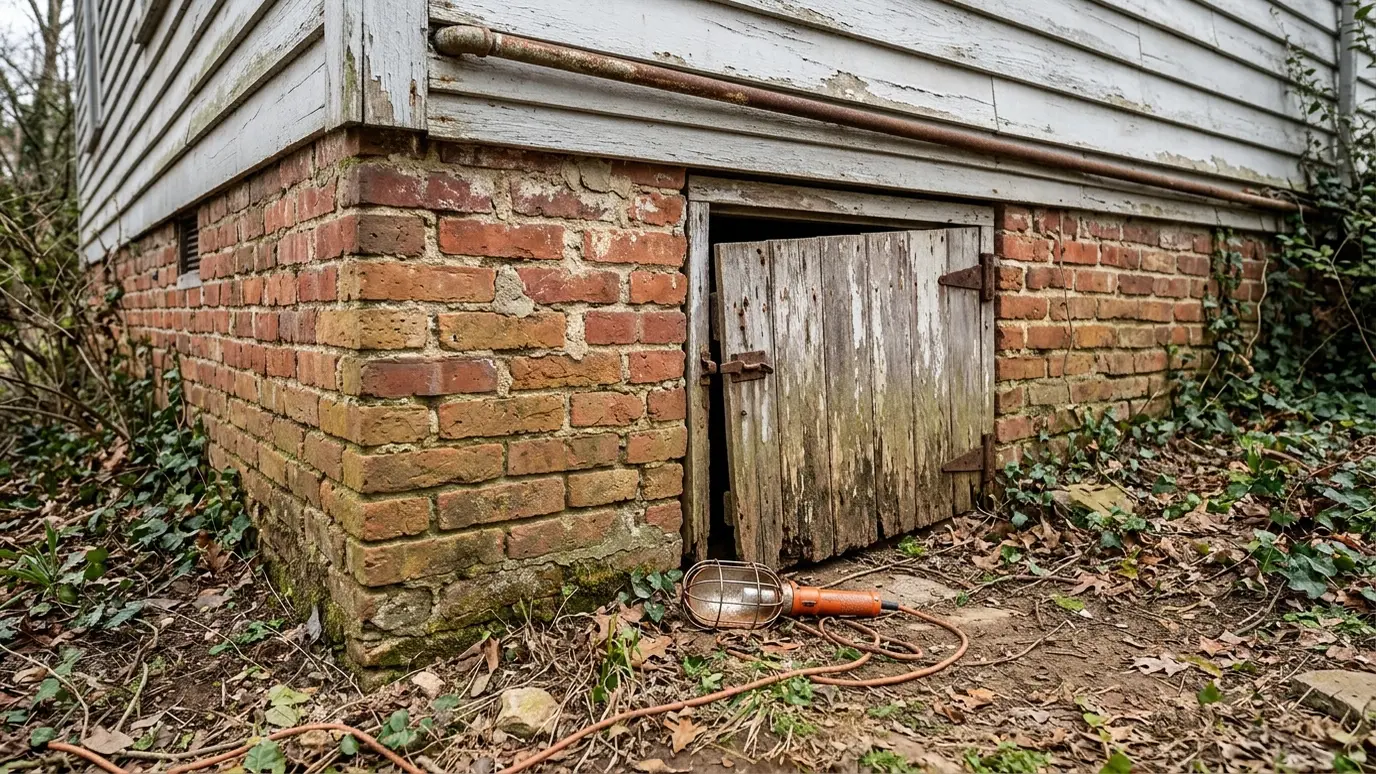 SituationOlder HomesPlaster, old wiring, crawl spaces and aging plumbing make restoration in older homes different. Here is what to…Learn more
Enter a reference reading from a dry area and a reading from the affected area and see whether the material is close to dry.
Tell us what happened and send photos if you can. We guide you on safety and plan the visit.
We find the source, map the damage with meters and thermal imaging and explain the plan.
Water extraction, board-up, tarping and removal of materials that cannot be saved.
Air movers, dehumidifiers and careful cleaning, with containment for fire and mold work.
Moisture readings and equipment adjustments until the structure is dry.
Repairs, paint and a final walk-through, with records you can keep.
Look for warped flooring, a musty smell, damp cabinet bases or a rising water bill. A moisture inspection can confirm hidden leaks.
Often. Solid cabinets dry well when work starts early. Particleboard bases that swell usually need replacing.
Braided hoses are a good upgrade and should be checked every few years. A plumber can advise.
Coverage depends on the policy and the cause. We document the damage so you can discuss it with your insurance company.
Many last ten to fifteen years. Signs of age include rust, rumbling and moisture at the base.
 Burst Pipe CleanupA burst or frozen pipe can release hundreds of gallons in minutes. We stop the spread, remove the…Explore
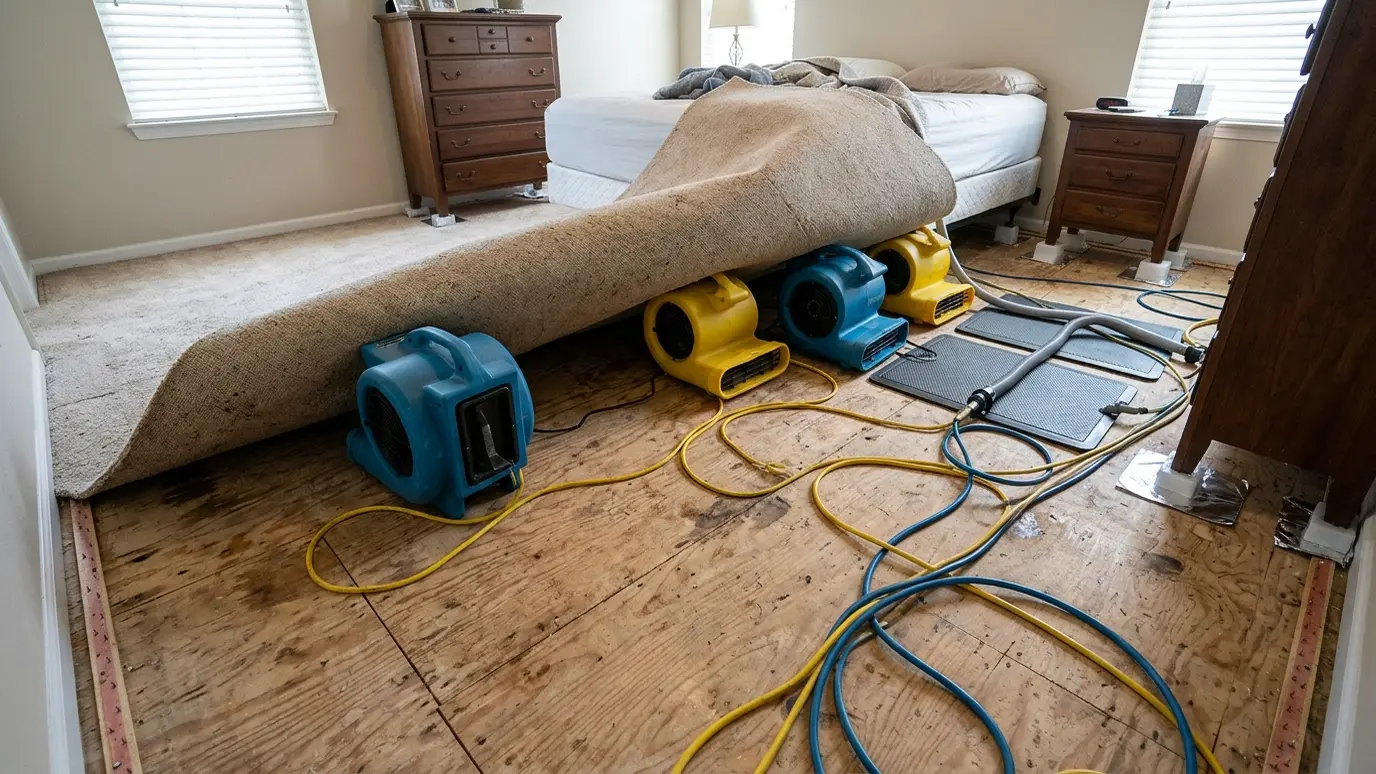 Wet Carpet and FlooringCarpet, pad, hardwood, laminate and tile floors dried or replaced the right way after water damage.Explore
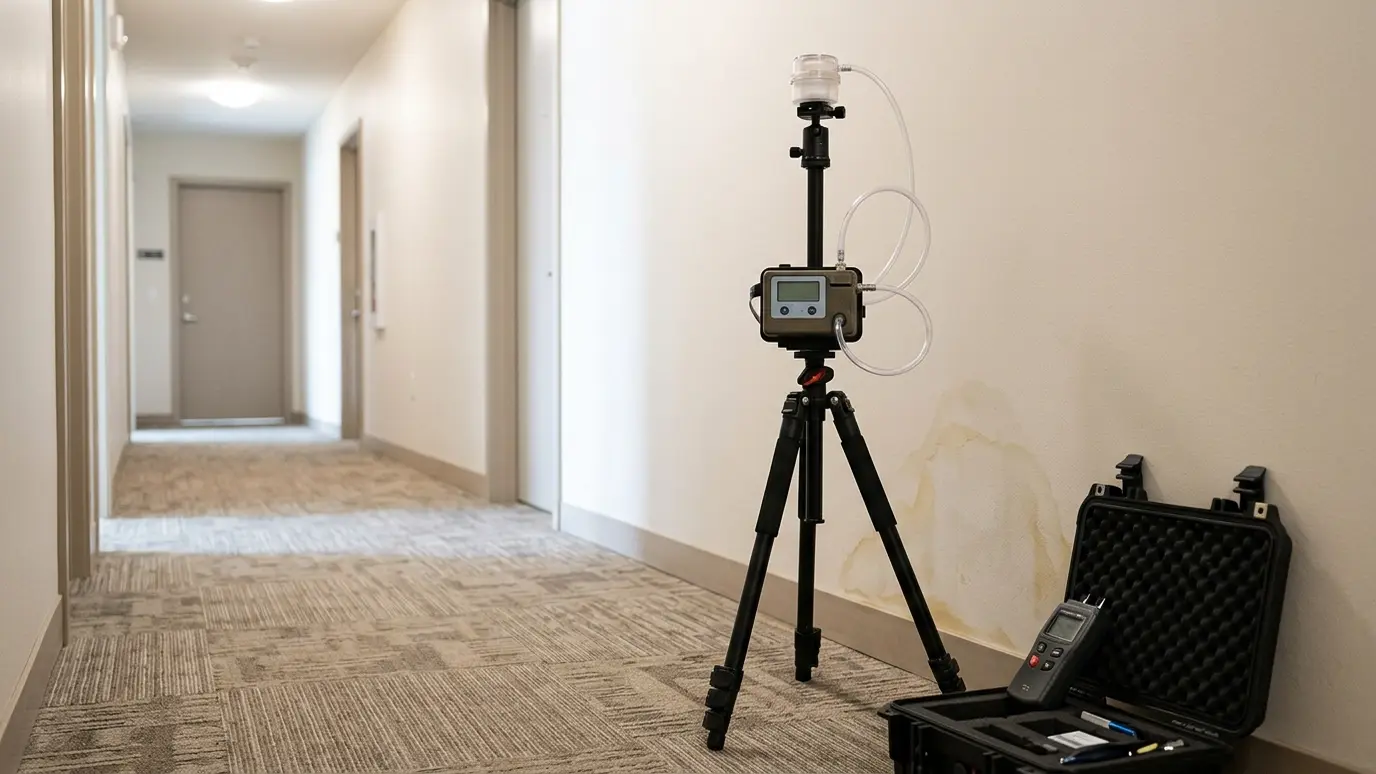 Mold Inspection and TestingMoisture mapping, visual inspection and sampling that tell you where mold is, what is feeding it and what…Explore
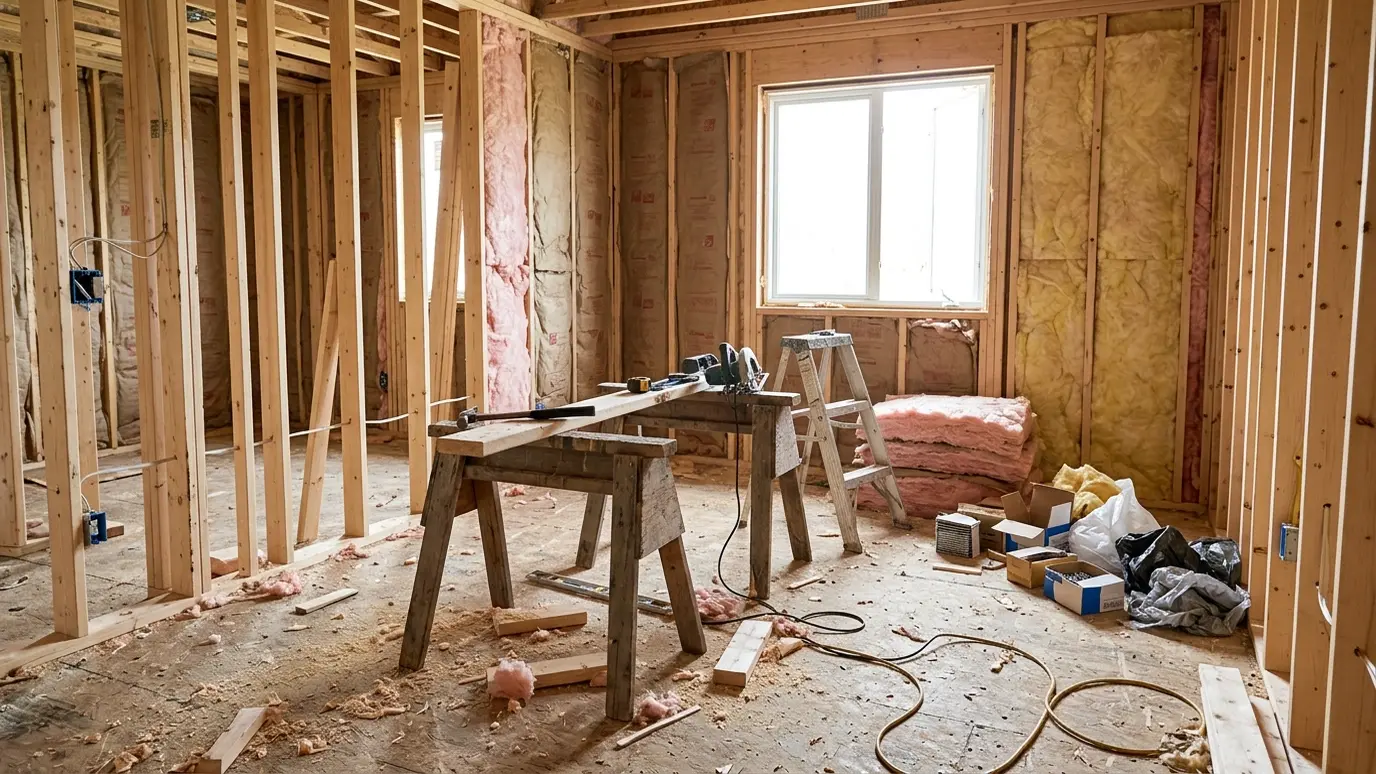 Reconstruction and RebuildFrom drying to the final coat of paint: repairs and rebuilding coordinated so your home is restored to…Explore
Tell us about the job and we will call you back quickly.
Or call (615) 357-7797 to talk now.