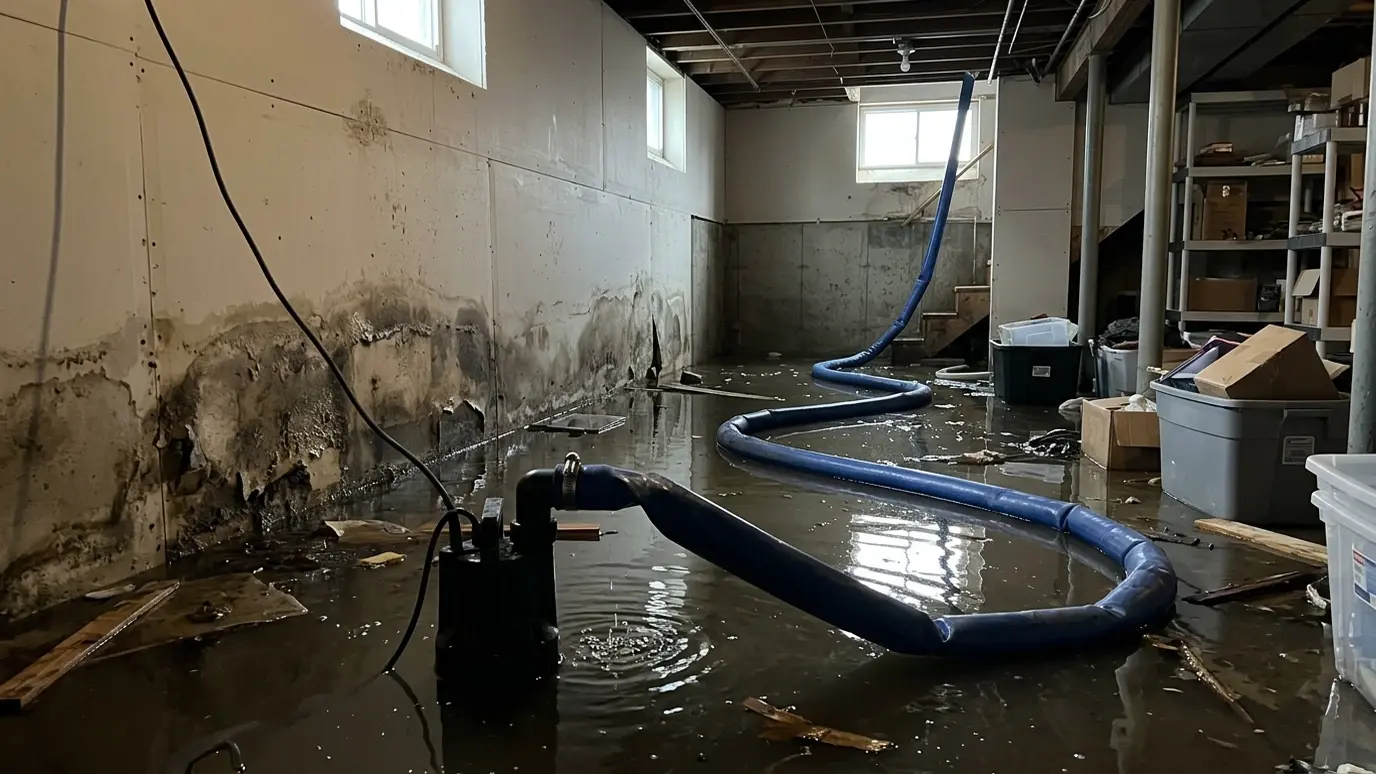
Pumps and extractors remove standing water from basements, first floors and crawl spaces, the first step in any flood recovery.
Standing water is the hardest enemy of a flooded home. It soaks into drywall, lifts flooring and carries contamination into everything it touches. The faster it is removed, the less there is to dry and the more can be saved.
We bring pumps, extractors and hoses sized to the volume of water, remove it in a safe order and then move straight to drying and cleaning. Flood water is usually contaminated, so we use protective gear, treat surfaces and remove porous materials that cannot be cleaned.
Flood water can hide electrical hazards, sharp debris and contamination. We check conditions first, work with proper protective equipment and keep you out of the affected area until it is safe.
Removing water from a basement too quickly can stress walls and floors against groundwater pressure outside. We pump in stages when conditions call for it.
After the water is out, we remove soaked materials, clean and treat surfaces and start structural drying so the home does not stay damp.
Turn off power only if you can reach the panel without standing in water. Avoid contact with floodwater, wear boots and gloves and keep children and pets out until the area is cleaned.
Drag the handle to compare.
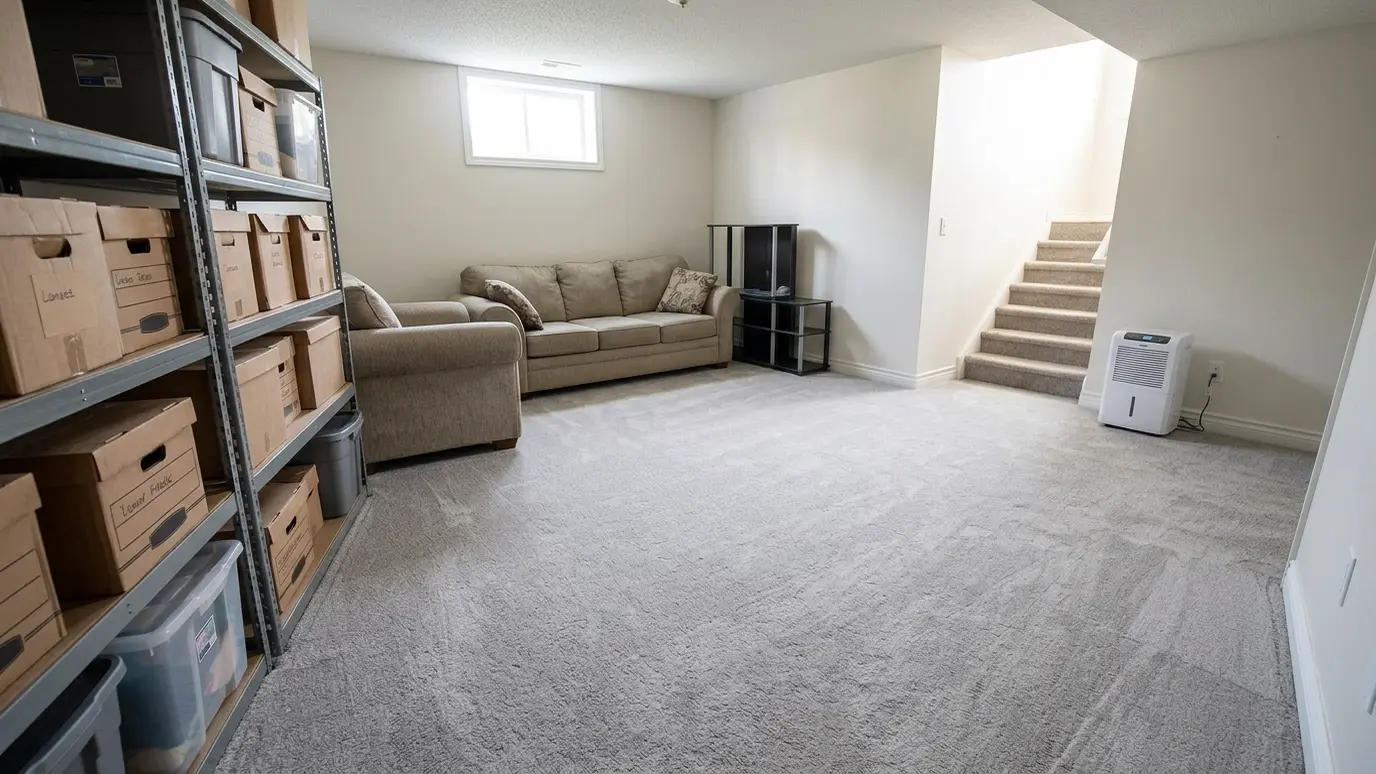
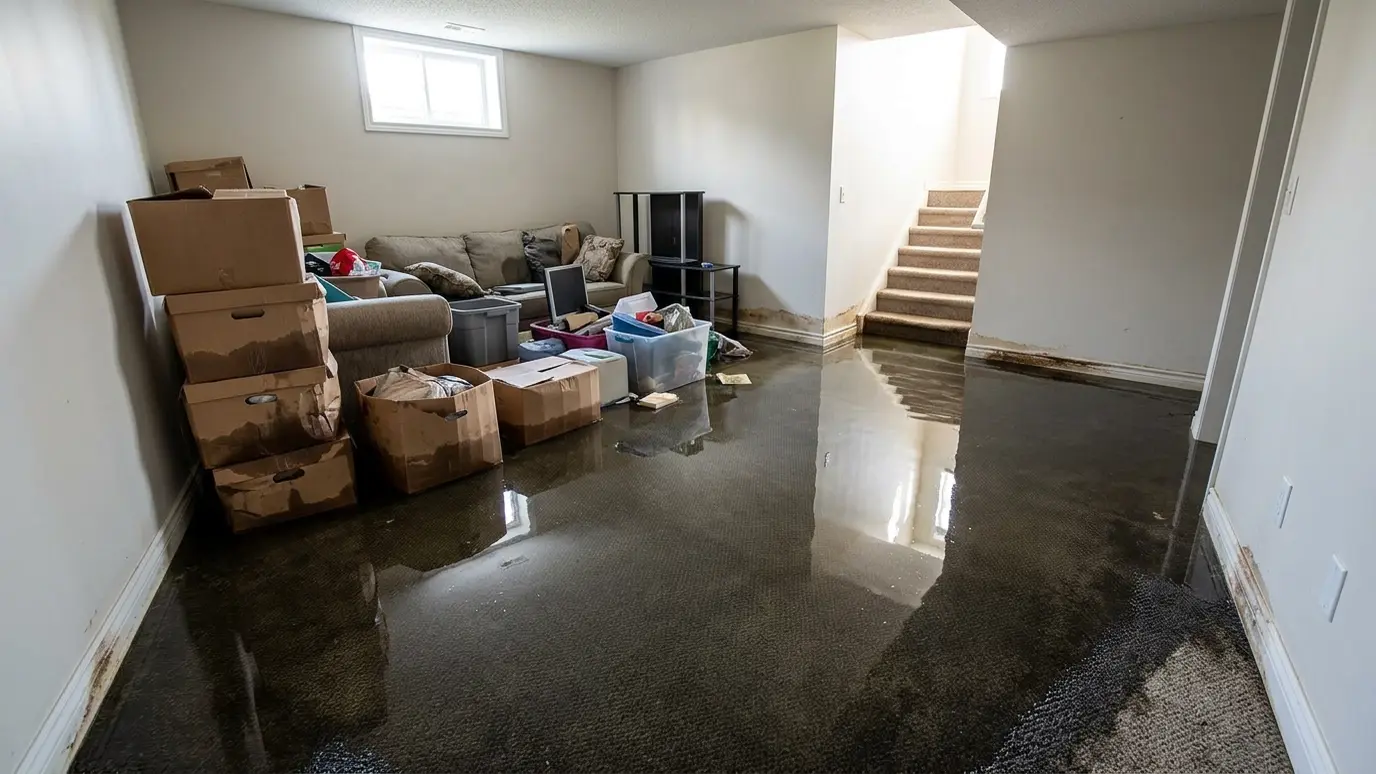 BeforeAfter
Equipment sized to the water volume.
Protective gear and hazard checks.
Flood water treated as contaminated.
Controls stress on walls and floors.
Dehumidifiers and air movers start right away.
Photos and logs of the work.
Every topic has its own page with what to expect and how we approach it.
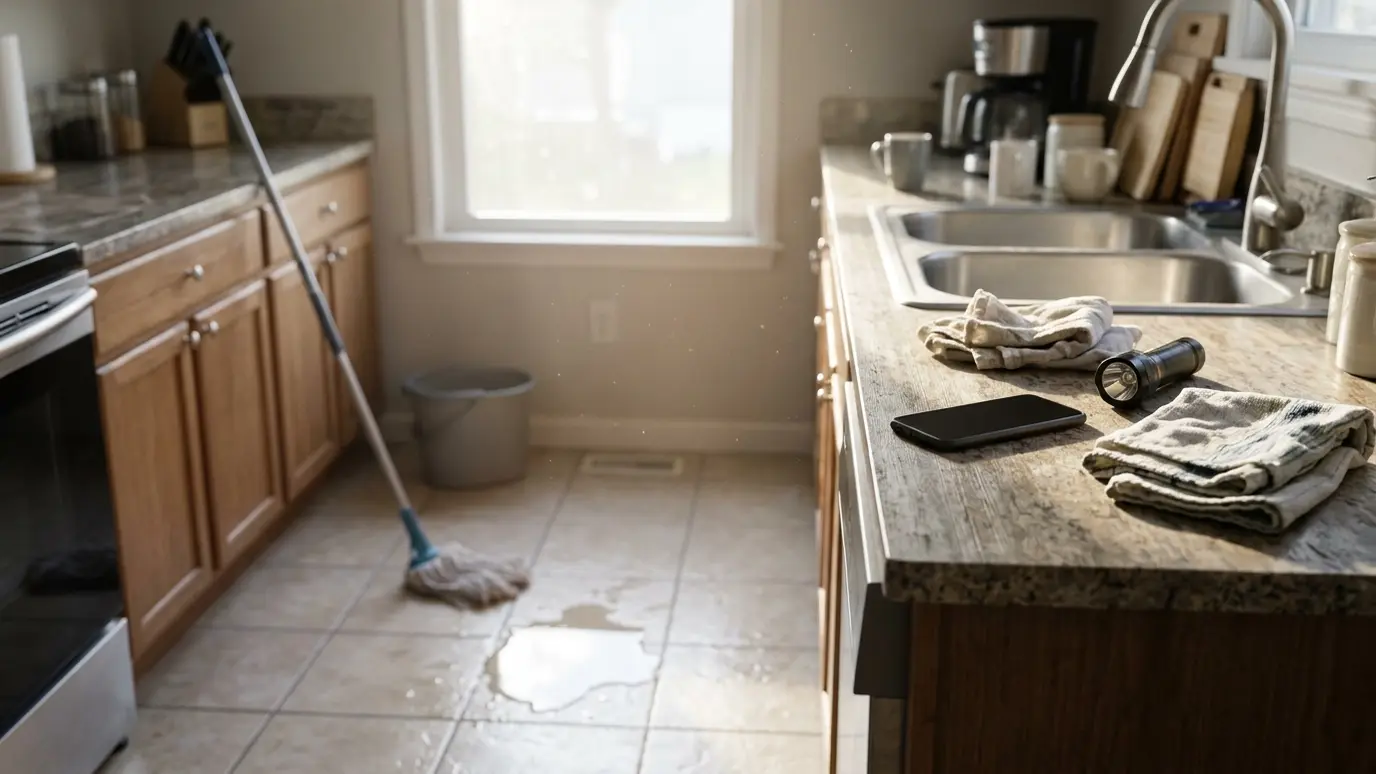 SituationThe First HoursThe first hours after water, fire or storm damage decide how big the problem gets. Here is what…Learn more
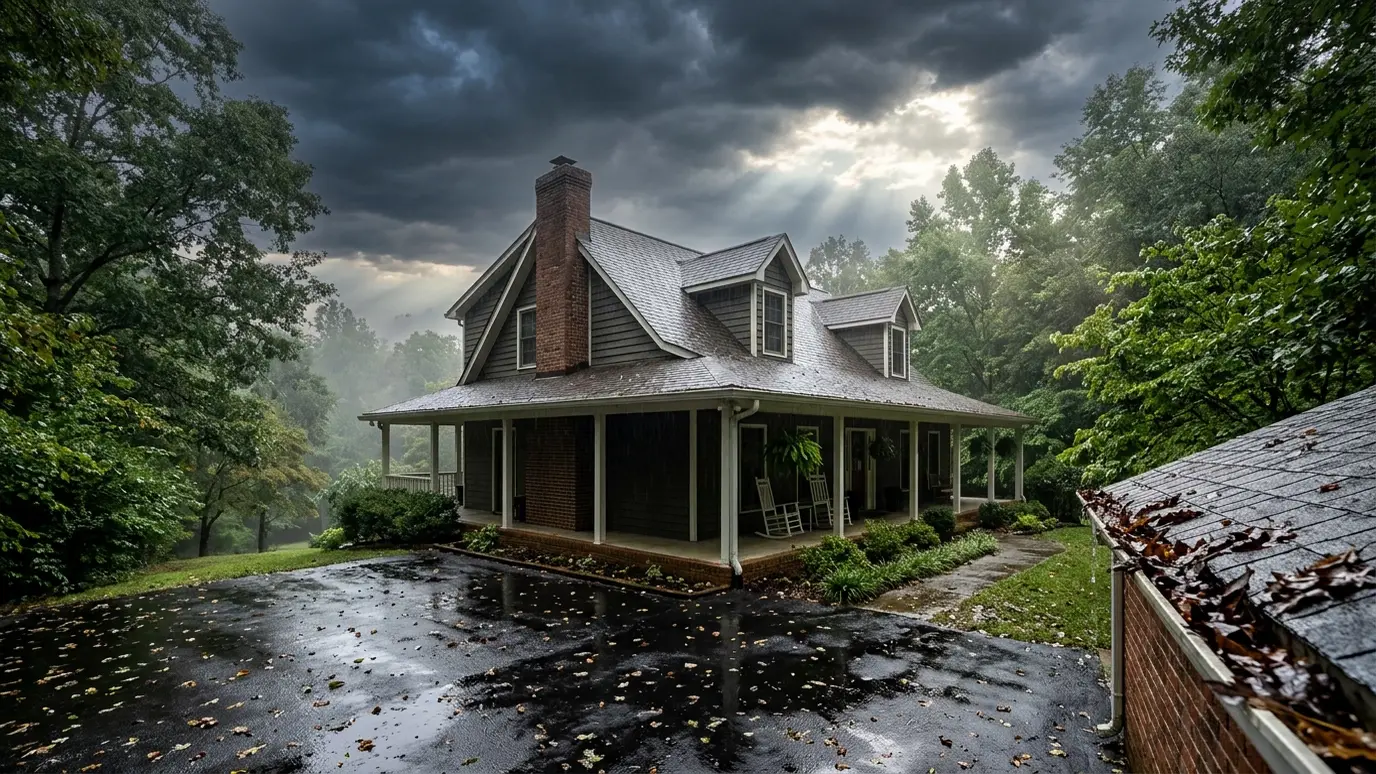 SituationStorm SeasonSpring storms, tornadoes, hail and heavy rain are part of life here. A little preparation reduces damage and…Learn more
 SituationHomeownersWhat homeowners should expect during a restoration project, from first call to final walk-through, and how to stay…Learn more
Pick the type of loss and get a printable checklist of what to do and what to avoid right now.
Tell us what happened and send photos if you can. We guide you on safety and plan the visit.
We find the source, map the damage with meters and thermal imaging and explain the plan.
Water extraction, board-up, tarping and removal of materials that cannot be saved.
Air movers, dehumidifiers and careful cleaning, with containment for fire and mold work.
Moisture readings and equipment adjustments until the structure is dry.
Repairs, paint and a final walk-through, with records you can keep.
Not without protection. It may be contaminated and may touch electrical outlets or appliances. Stay out until it is checked, and use boots and gloves if you must enter.
Pumping often takes hours. Drying and cleaning follow and take days. We give a realistic schedule after seeing the space.
Yes, with pumps and hoses suited to tight spaces. We also check the vapor barrier and the insulation.
Carpet that sat in flood water is usually replaced. Hard flooring and some materials can be cleaned and dried. We explain what applies to your home.
Small amounts, yes, with protection. For large volumes or contaminated water, call us, because pumping too fast can also stress basement walls.
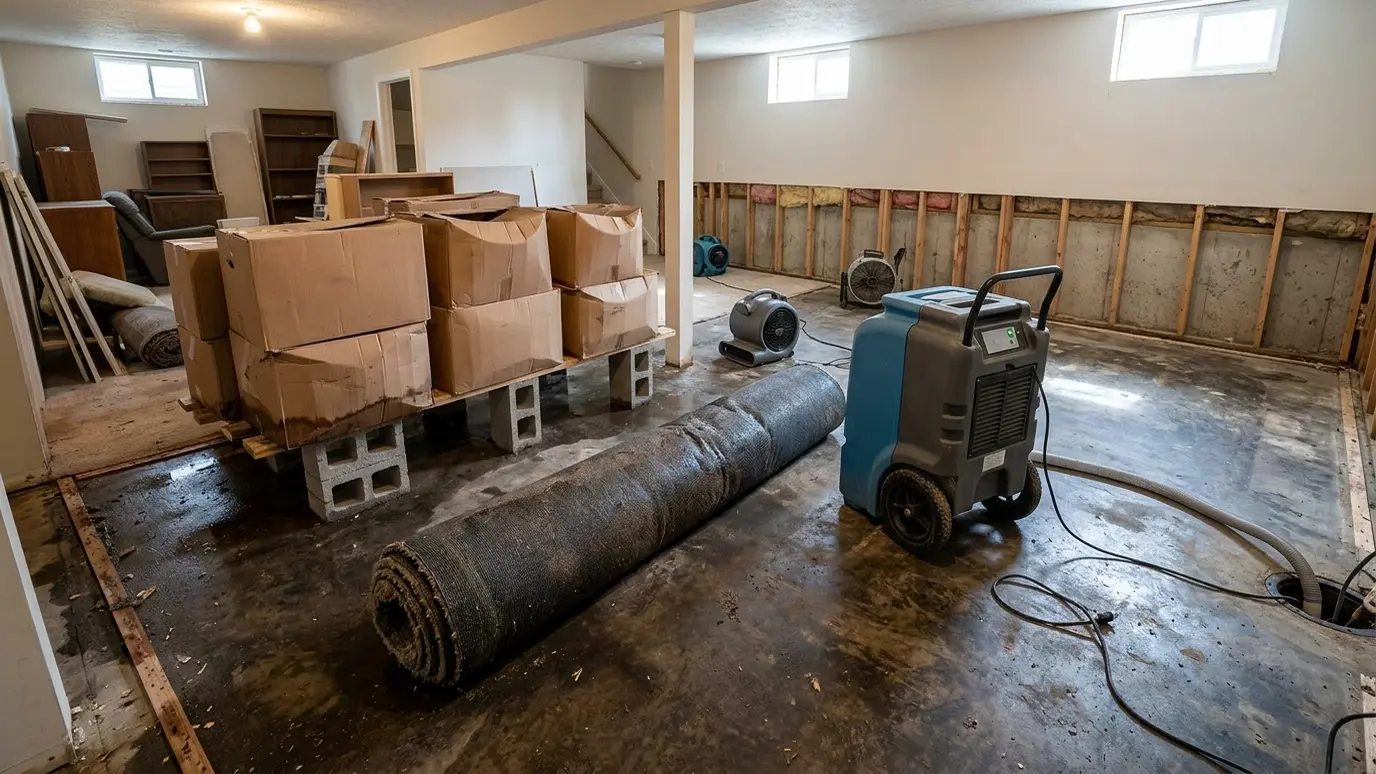 Basement Flooding CleanupWater removal, cleaning and drying for flooded basements, including finished spaces, storage areas and mechanical rooms.Explore
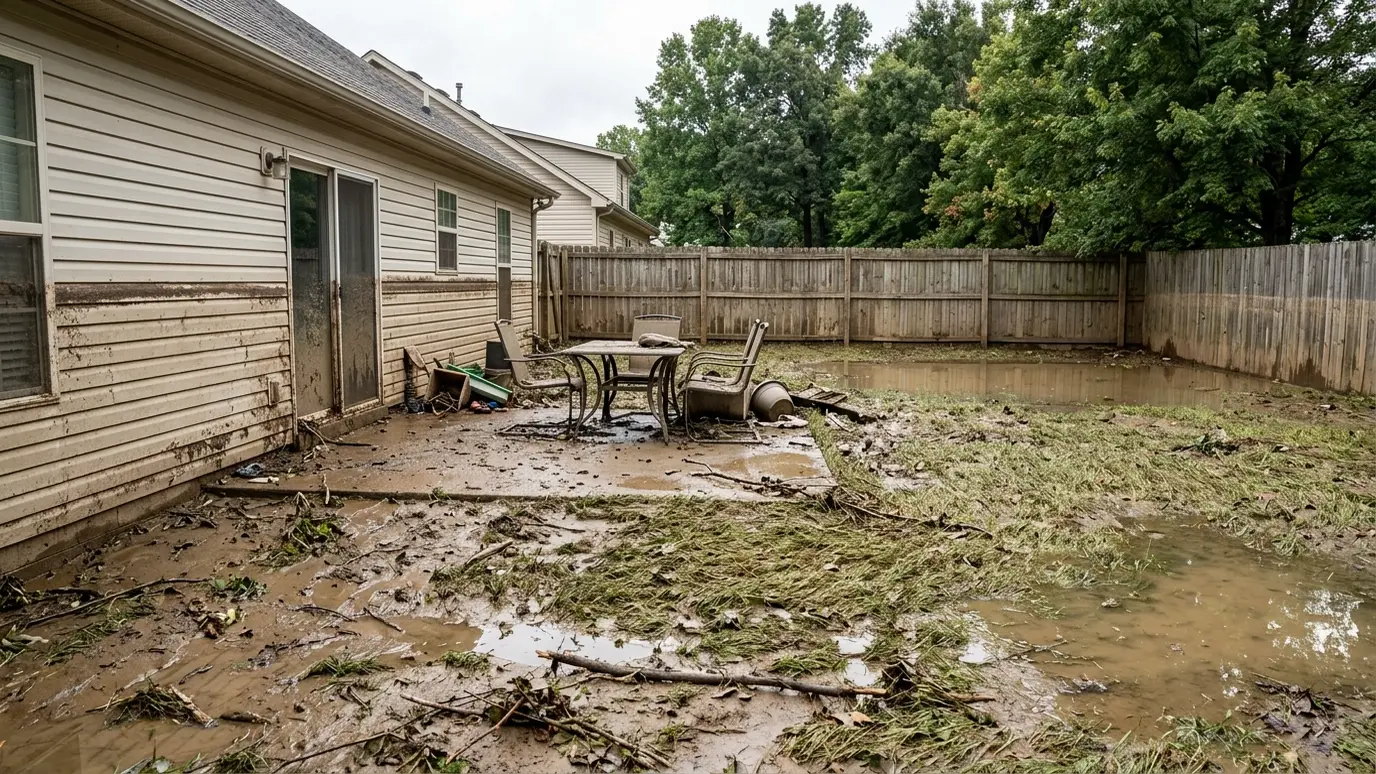 Flood and River OverflowRecovery after rivers, creeks and heavy rains flood homes and yards: extraction, contaminated material removal, cleaning and drying.Explore
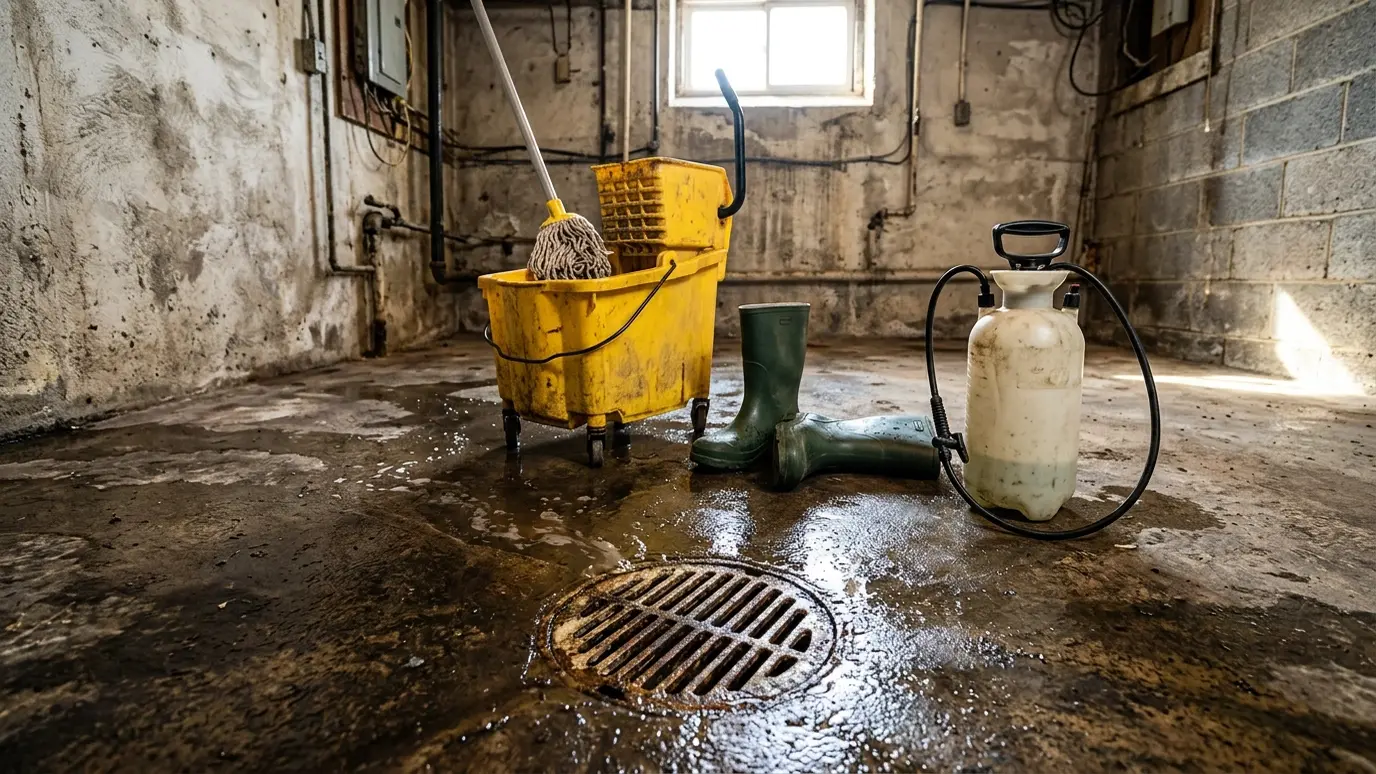 Sewage Backup CleanupSafe, thorough cleanup of sewage that has backed up into a home, with protective gear, disinfection and careful…Explore
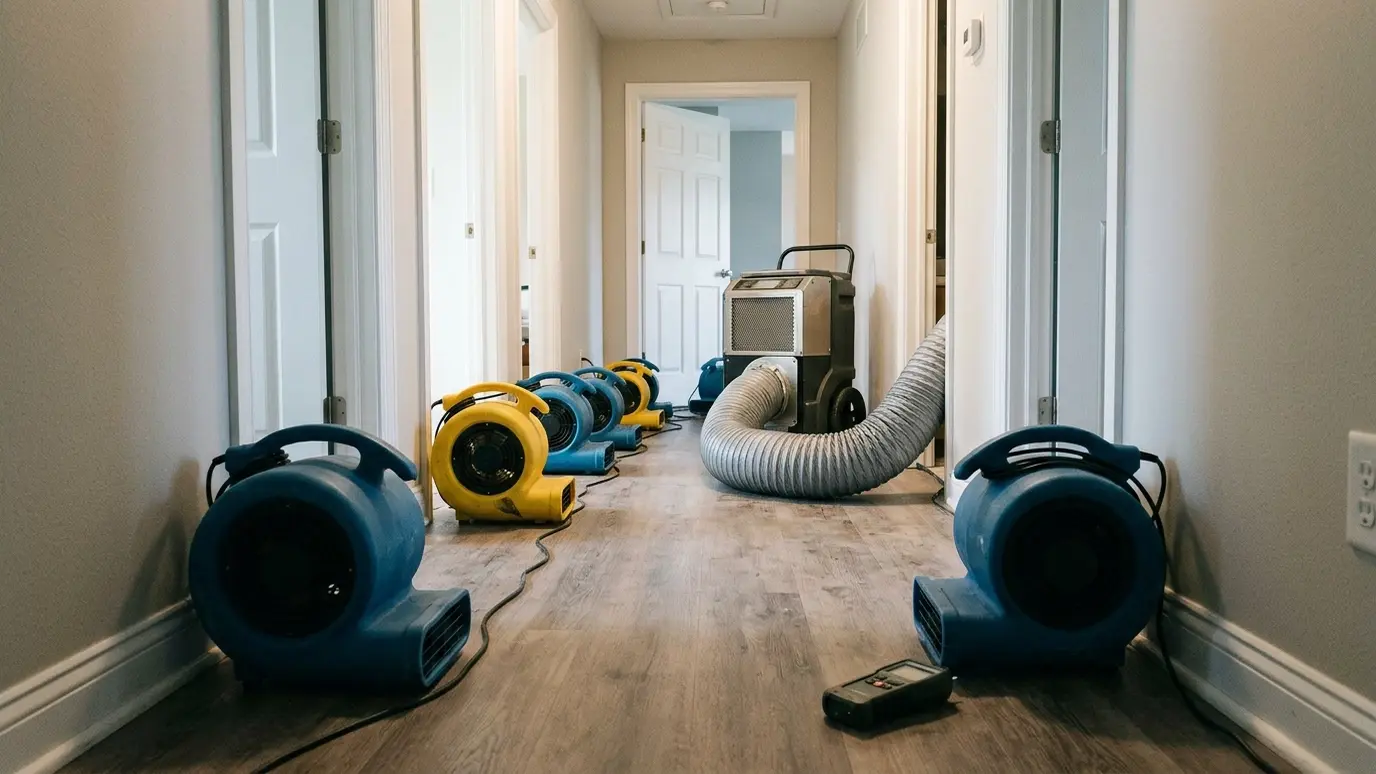 Structural DryingControlled drying of floors, walls and framing using air movers, dehumidifiers and daily moisture readings.Explore
Tell us about the job and we will call you back quickly.
Or call (615) 357-7797 to talk now.