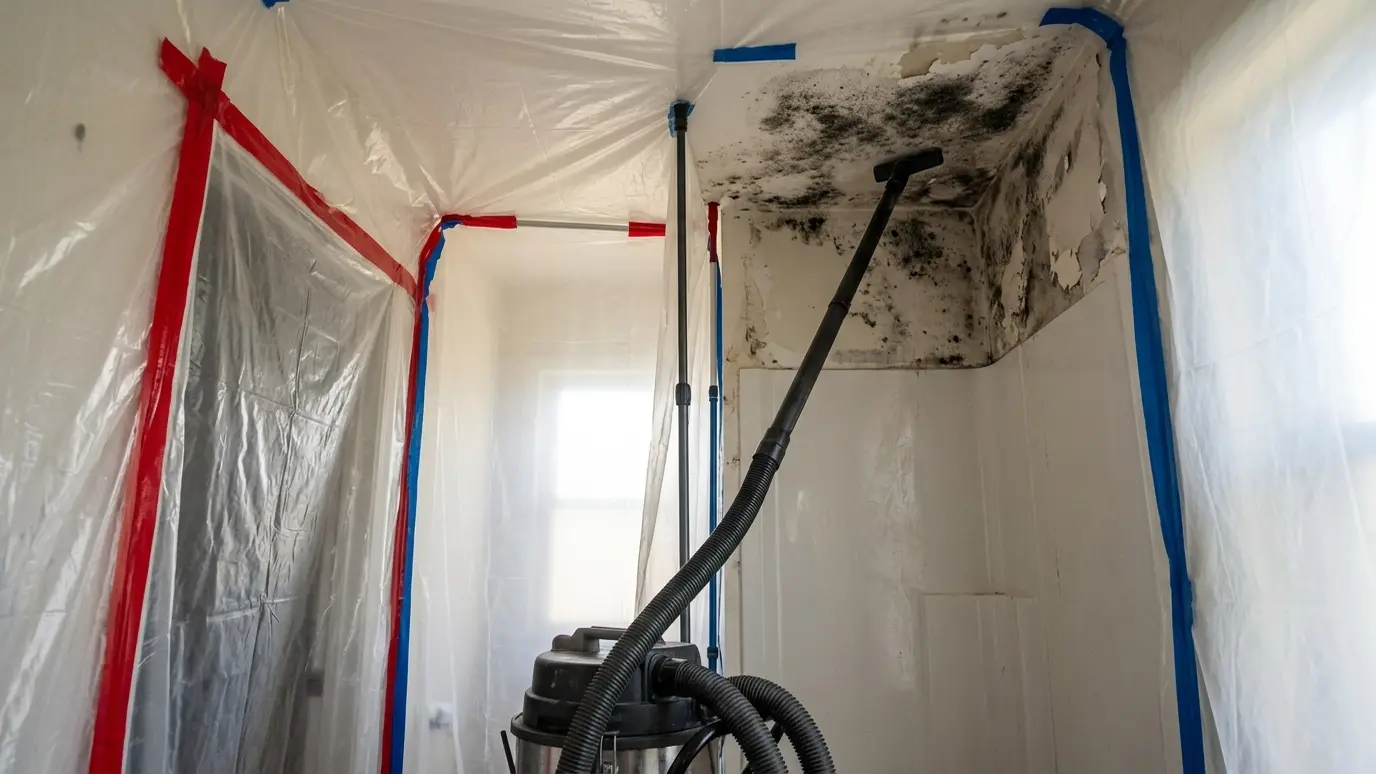
Containment, HEPA filtration, careful removal and drying, so mold is taken out of your home and not spread through it.
Mold needs moisture, a food source and a little time. After a leak or flood, it can start growing in a day or two, hidden inside walls and under flooring. Removing it takes more than a spray: the moisture has to be fixed and the spores kept from spreading to clean areas.
We set up containment with plastic barriers and negative air, remove mold-damaged materials, clean surfaces with HEPA vacuums and damp wiping, dry the area and fix the conditions that fed the growth. Then we verify the result so you know the job is finished.
Mold returns if the water source stays. A leaking roof, a bad vent or a damp crawl space must be addressed. Remediation without moisture control is only a temporary cleanup.
Sealing the work area and running a negative air machine with a HEPA filter keeps spores from drifting into the rest of the house during removal.
Porous materials with heavy growth are removed. Solid materials are cleaned. Afterward, a visual check and, where appropriate, independent testing confirm the area is ready for repair.
Keep indoor humidity below about half, fix leaks quickly and use bath and kitchen fans. These habits keep mold from coming back.
Drag the handle to compare.
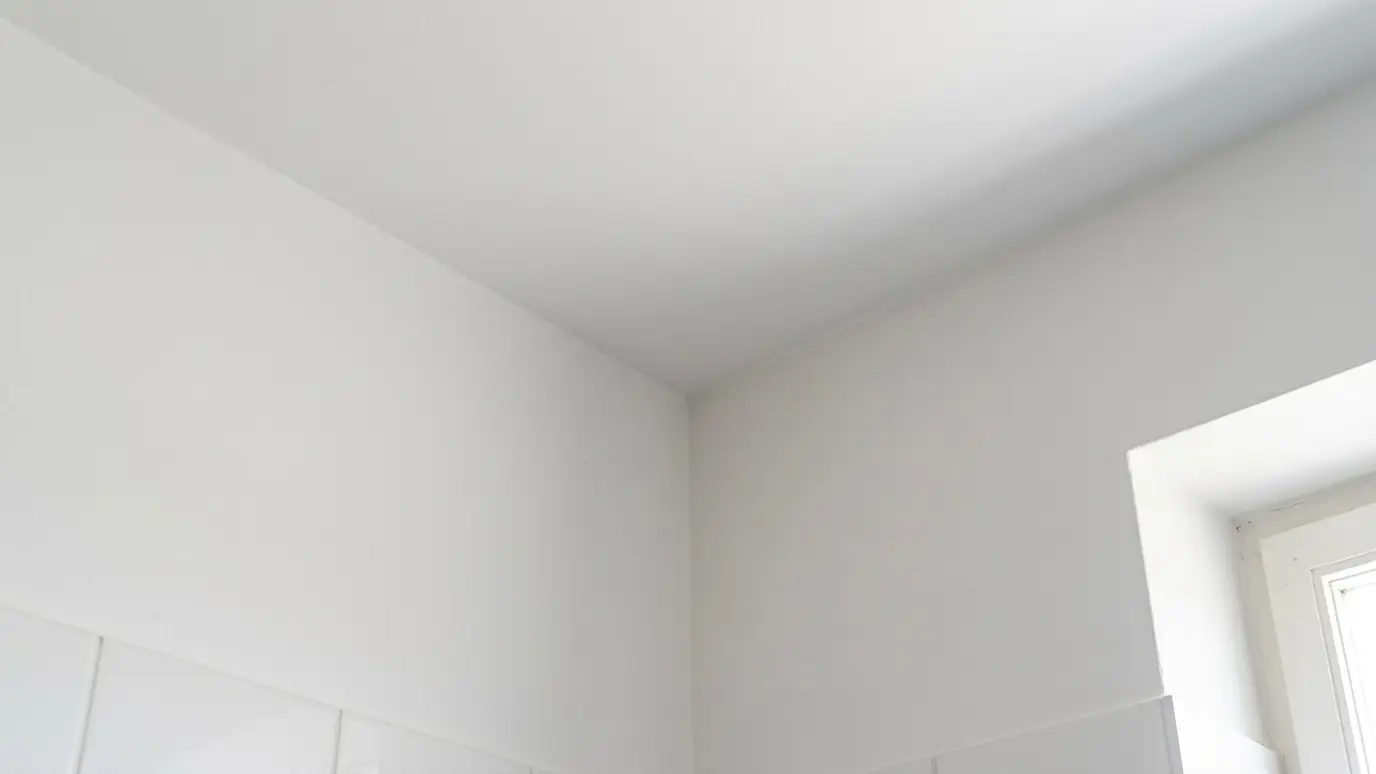
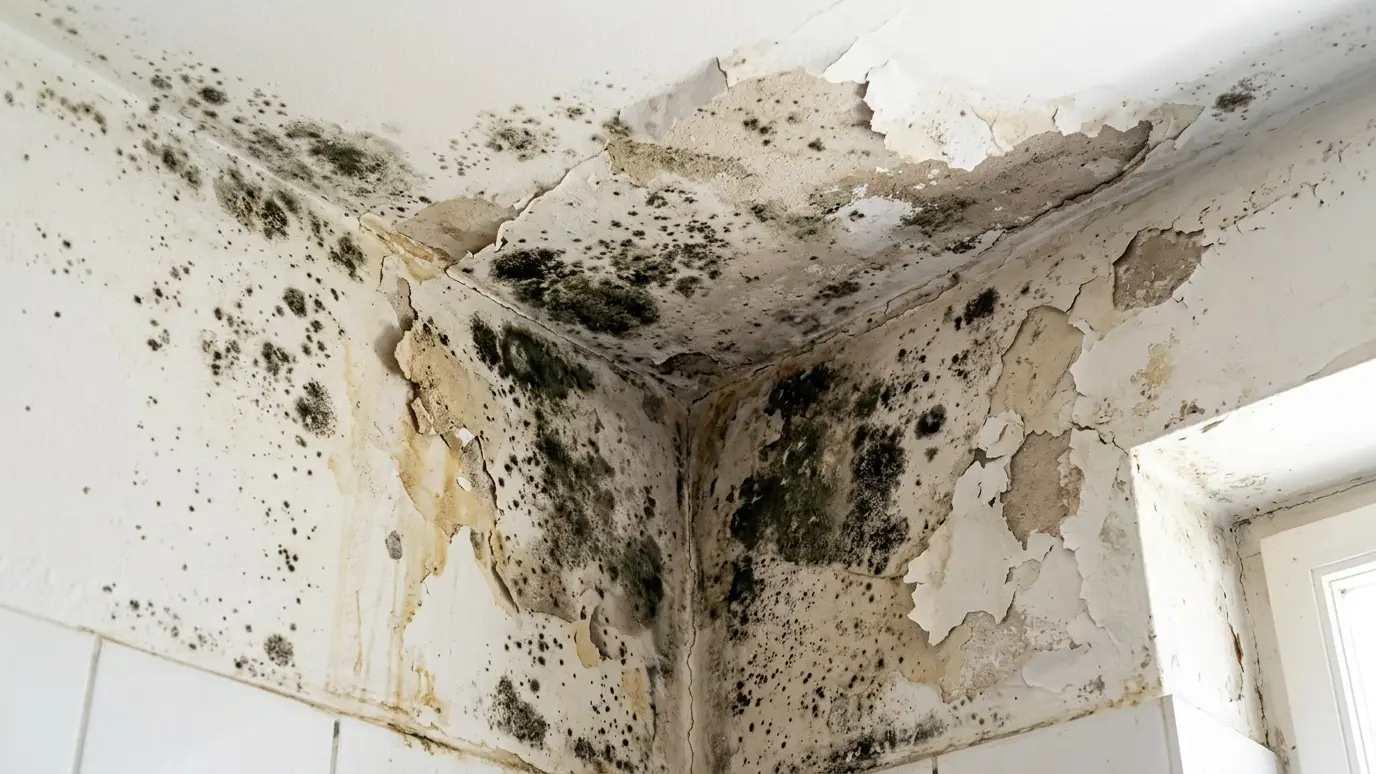 BeforeAfter
Plastic barriers and negative air.
Air scrubbers during the work.
We help find and fix the cause.
Damaged materials taken out properly.
Inspection and testing options.
Written scope before work starts.
Every topic has its own page with what to expect and how we approach it.
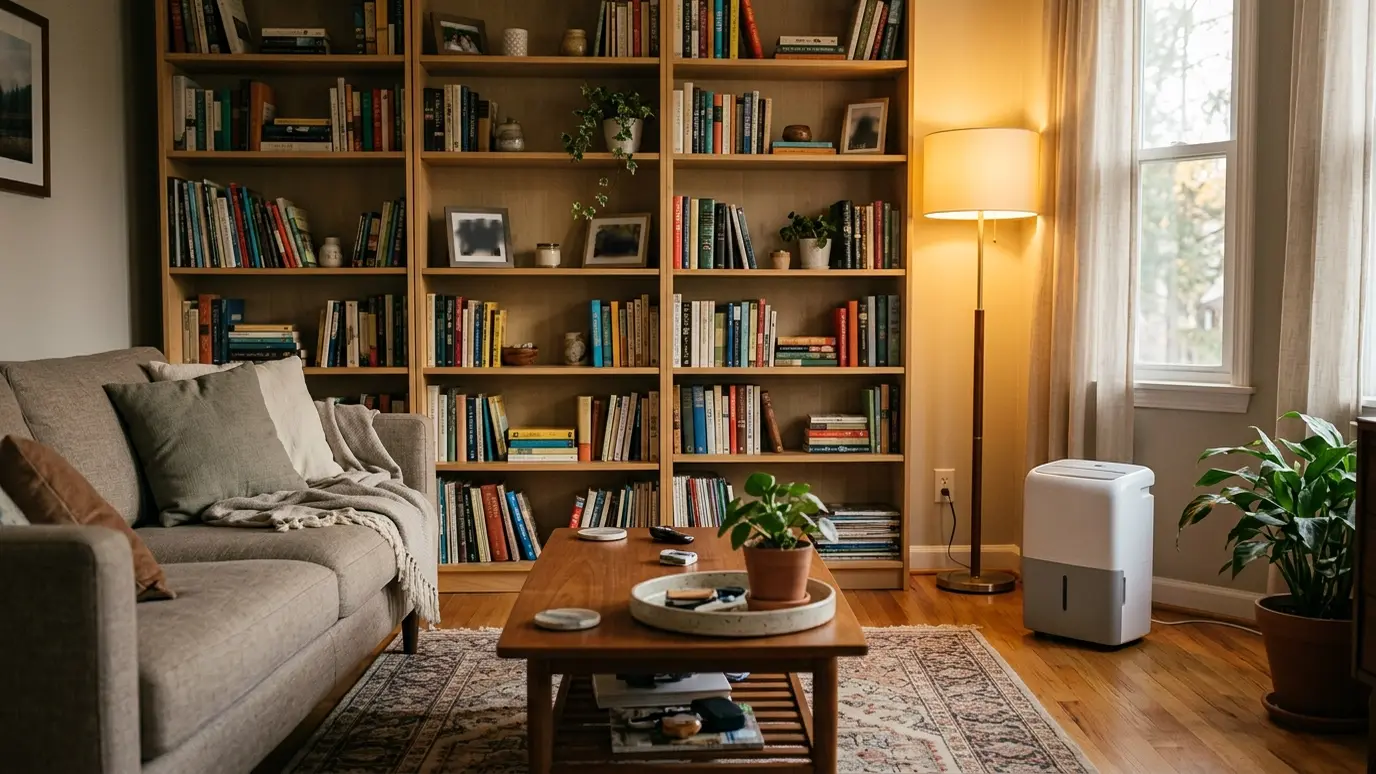 SituationHomeownersWhat homeowners should expect during a restoration project, from first call to final walk-through, and how to stay…Learn more
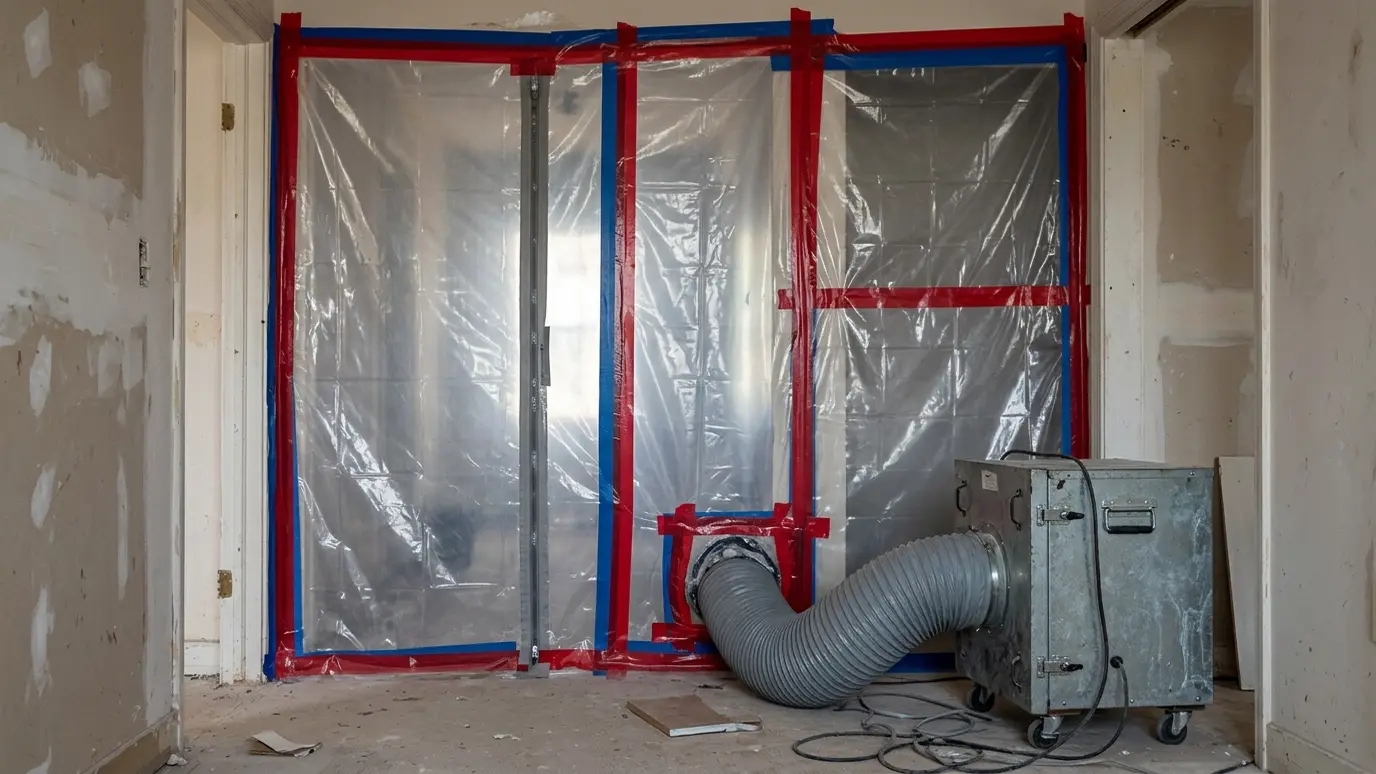 Material guideContainment and Negative AirHow plastic barriers, zipper doors and negative air machines keep dust, spores and soot where they belong.Learn more
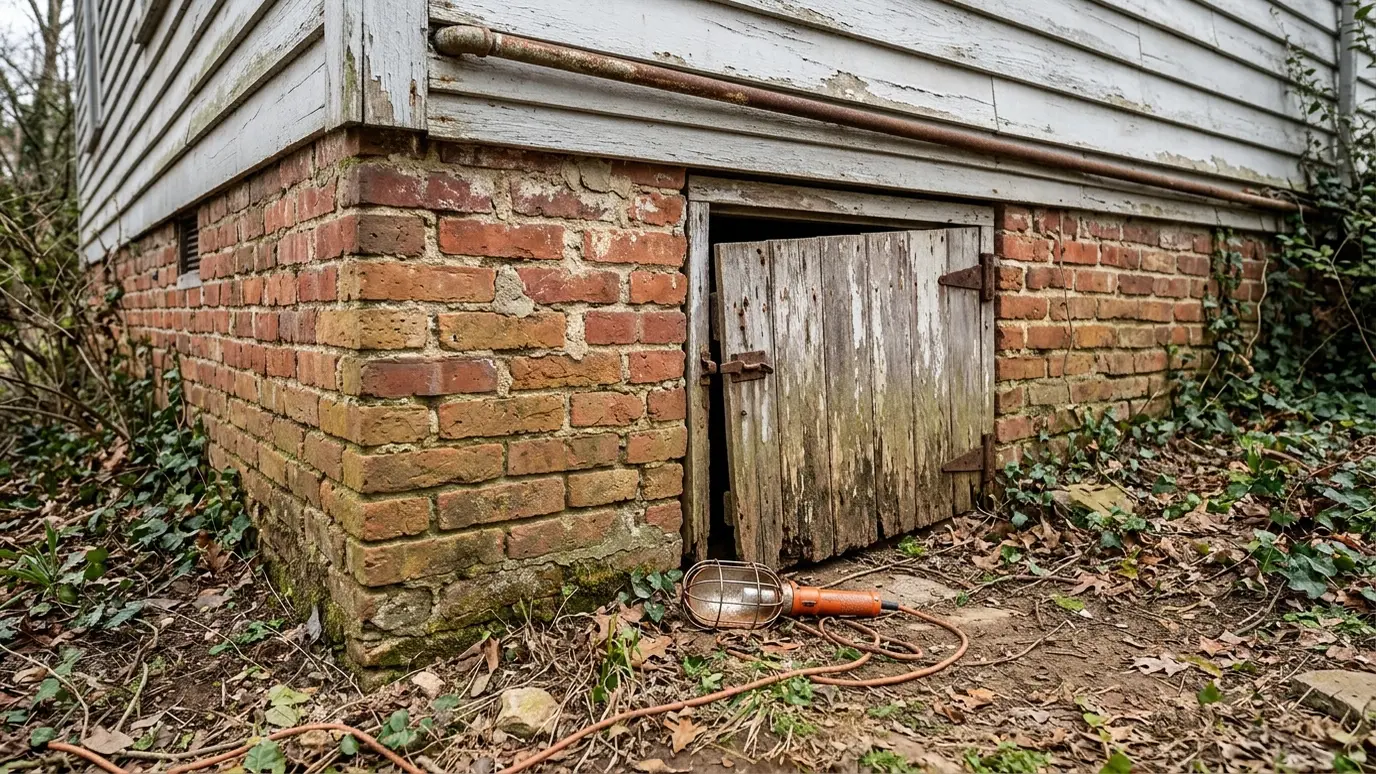 SituationOlder HomesPlaster, old wiring, crawl spaces and aging plumbing make restoration in older homes different. Here is what to…Learn more
Enter how long materials have been wet, the humidity and the materials affected and see the mold risk and what to do next.
Tell us what happened and send photos if you can. We guide you on safety and plan the visit.
We find the source, map the damage with meters and thermal imaging and explain the plan.
Water extraction, board-up, tarping and removal of materials that cannot be saved.
Air movers, dehumidifiers and careful cleaning, with containment for fire and mold work.
Moisture readings and equipment adjustments until the structure is dry.
Repairs, paint and a final walk-through, with records you can keep.
It can cause allergy and breathing problems for some people, especially children, older adults and those with asthma. Treat any visible growth seriously and fix the moisture.
Bleach does not solve the problem on porous materials and does not fix the moisture. Proper removal and moisture control matter more.
Small jobs take a day or two. Larger jobs take several days. We give a schedule after the assessment.
Visual inspection and moisture readings are a start, and independent testing can confirm. Our verification service explains the options.
Many experts suggest keeping it between thirty and fifty percent.
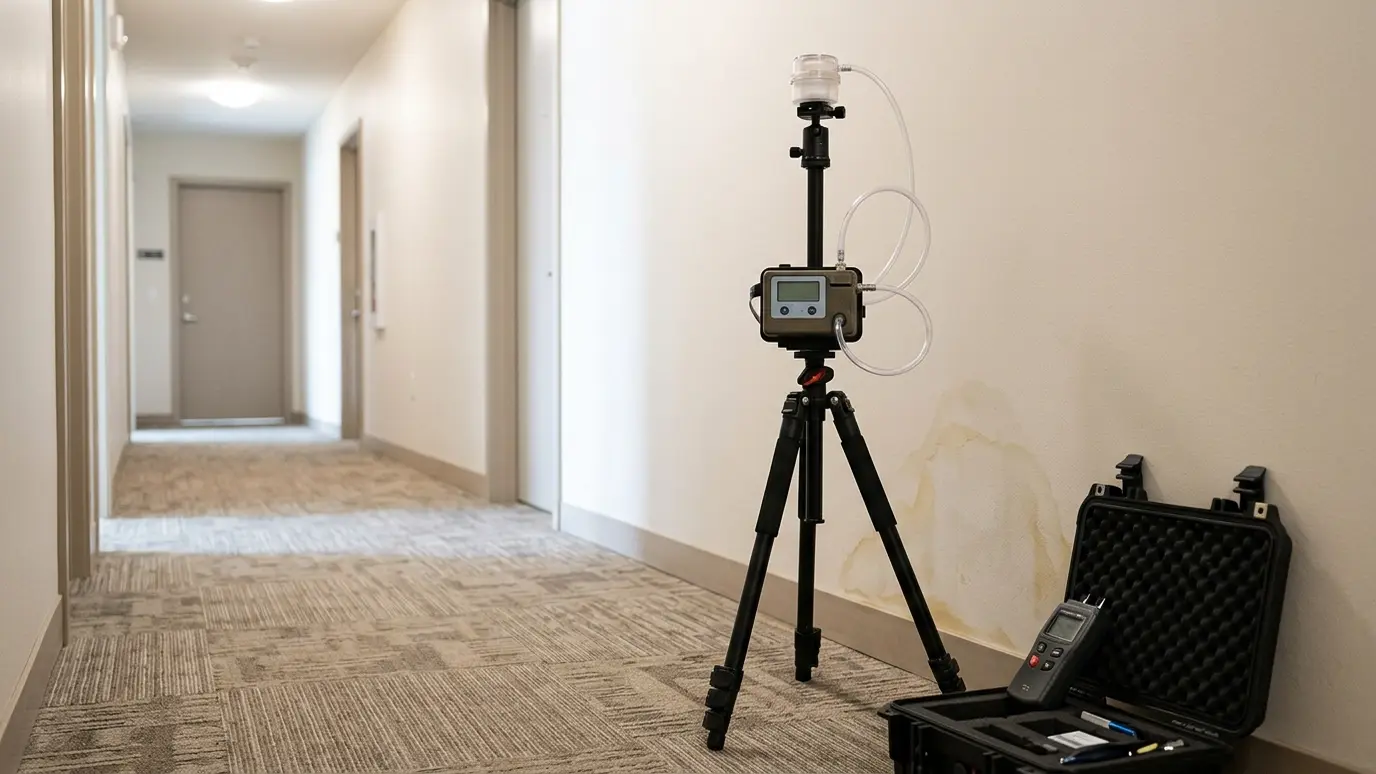 Mold Inspection and TestingMoisture mapping, visual inspection and sampling that tell you where mold is, what is feeding it and what…Explore
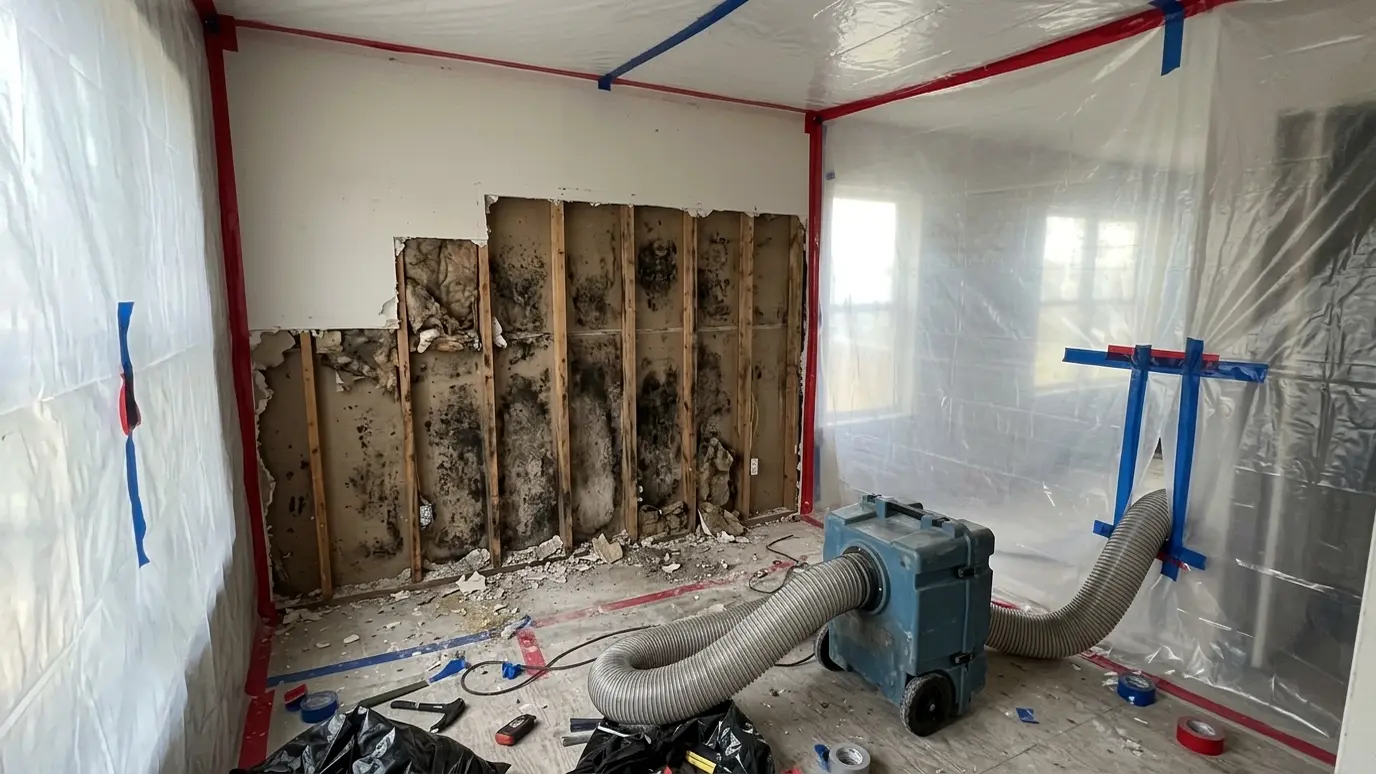 Black Mold RemovalDark, heavy mold growth removed safely, with strict containment, HEPA filtration and the moisture problem fixed.Explore
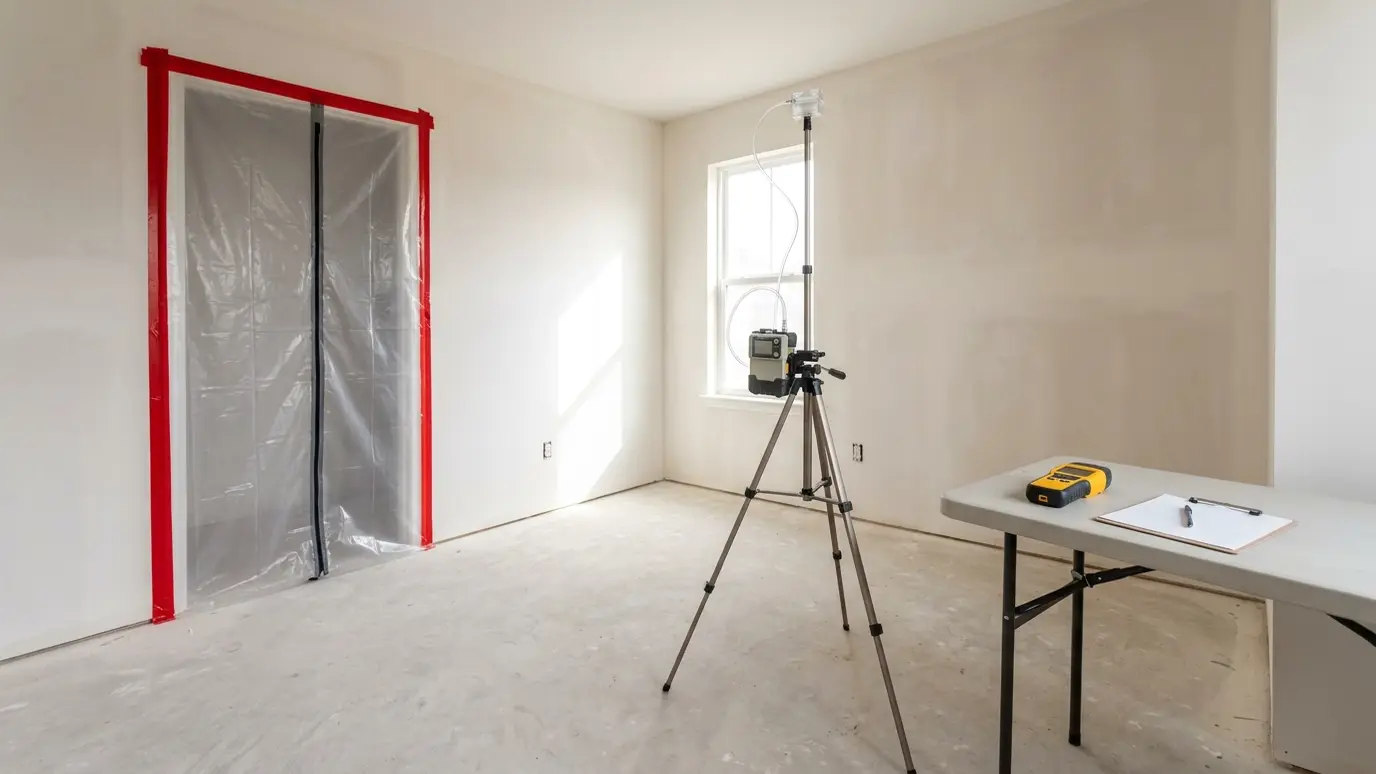 Post-Remediation VerificationA check that confirms the work area is dry, clean and ready for repairs, using inspection, moisture readings…Explore
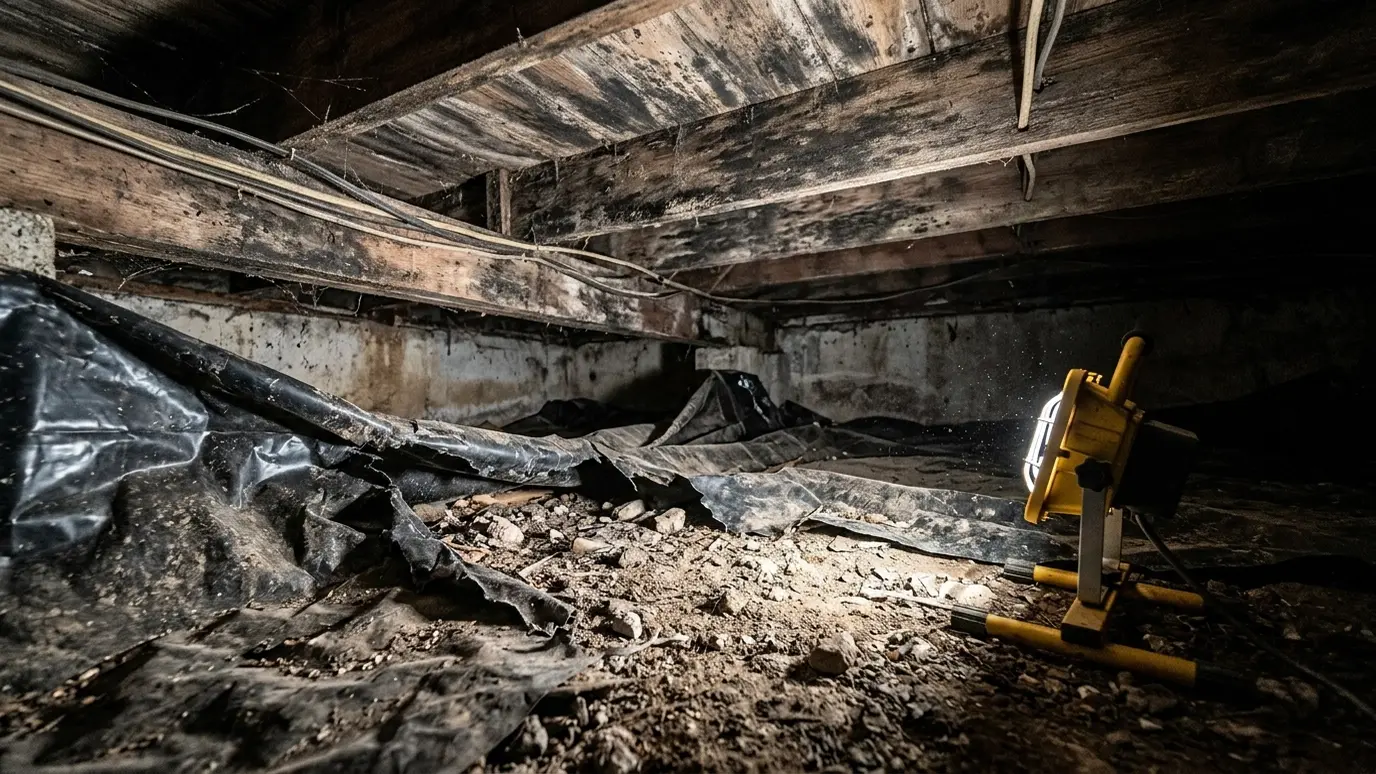 Attic and Crawl Space MoldMold on roof sheathing, joists and subfloors removed, with moisture and ventilation problems fixed so it stays gone.Explore
Tell us about the job and we will call you back quickly.
Or call (615) 357-7797 to talk now.