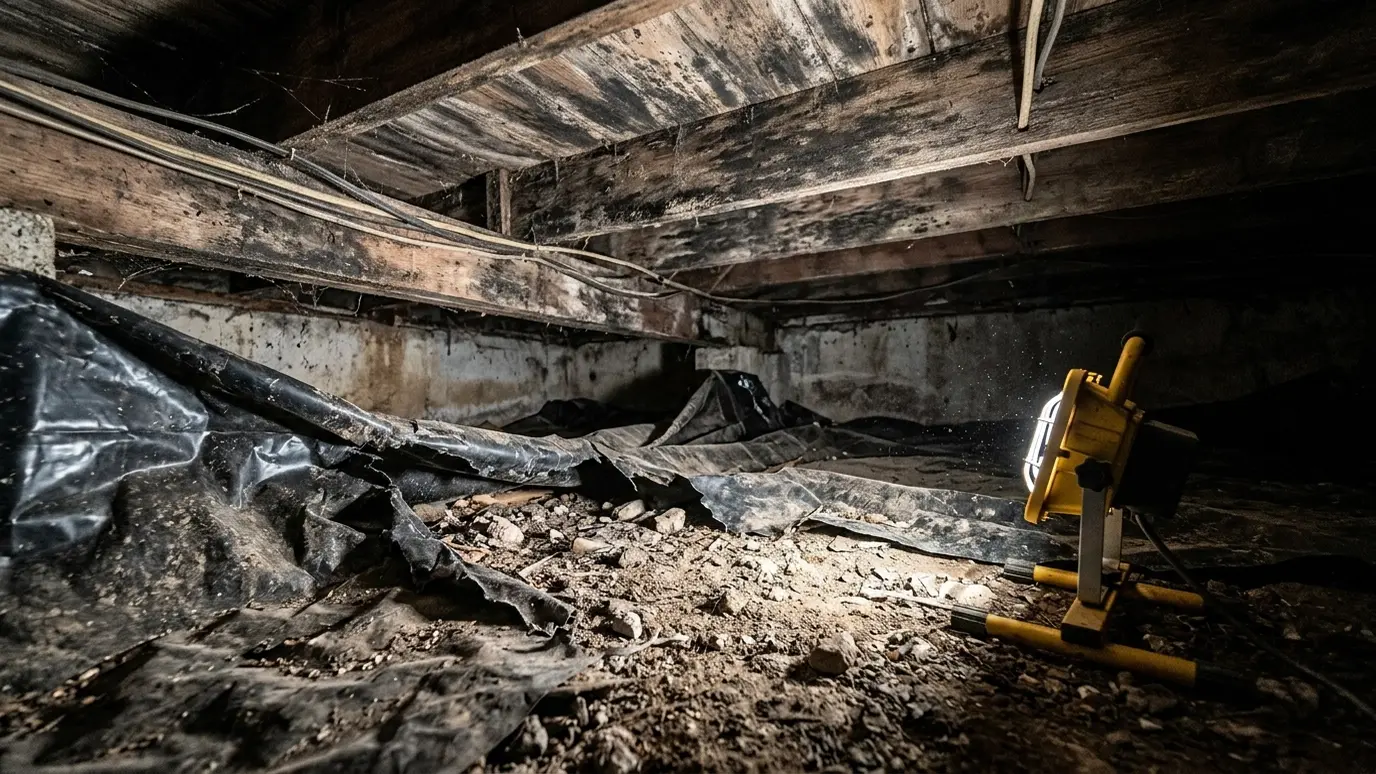
Mold on roof sheathing, joists and subfloors removed, with moisture and ventilation problems fixed so it stays gone.
Attics and crawl spaces are out of sight, so mold can spread for years before anyone notices. In attics, warm moist air from the house meets a cold roof deck and condenses. In crawl spaces, damp soil and poor ventilation feed growth on joists and subflooring.
We inspect, remove or clean affected wood, address the moisture source and recommend improvements like vapor barriers, drainage, insulation fixes and better ventilation. The goal is not only to clean the mold but to change the conditions that created it.
Bathroom fans venting into the attic, leaky ceilings and poor ventilation put moist air where it should not be. Fixing these stops the cycle.
Bare soil releases water vapor all year. A proper vapor barrier, working drainage and sealed vents or conditioning make a dry crawl space.
Surface mold on structural wood is often cleaned or sanded, depending on the extent. Heavily damaged materials are replaced.
Good ventilation, sealed air leaks and a proper vapor barrier keep attics and crawl spaces dry. We outline improvements after cleaning.
Drag the handle to compare.
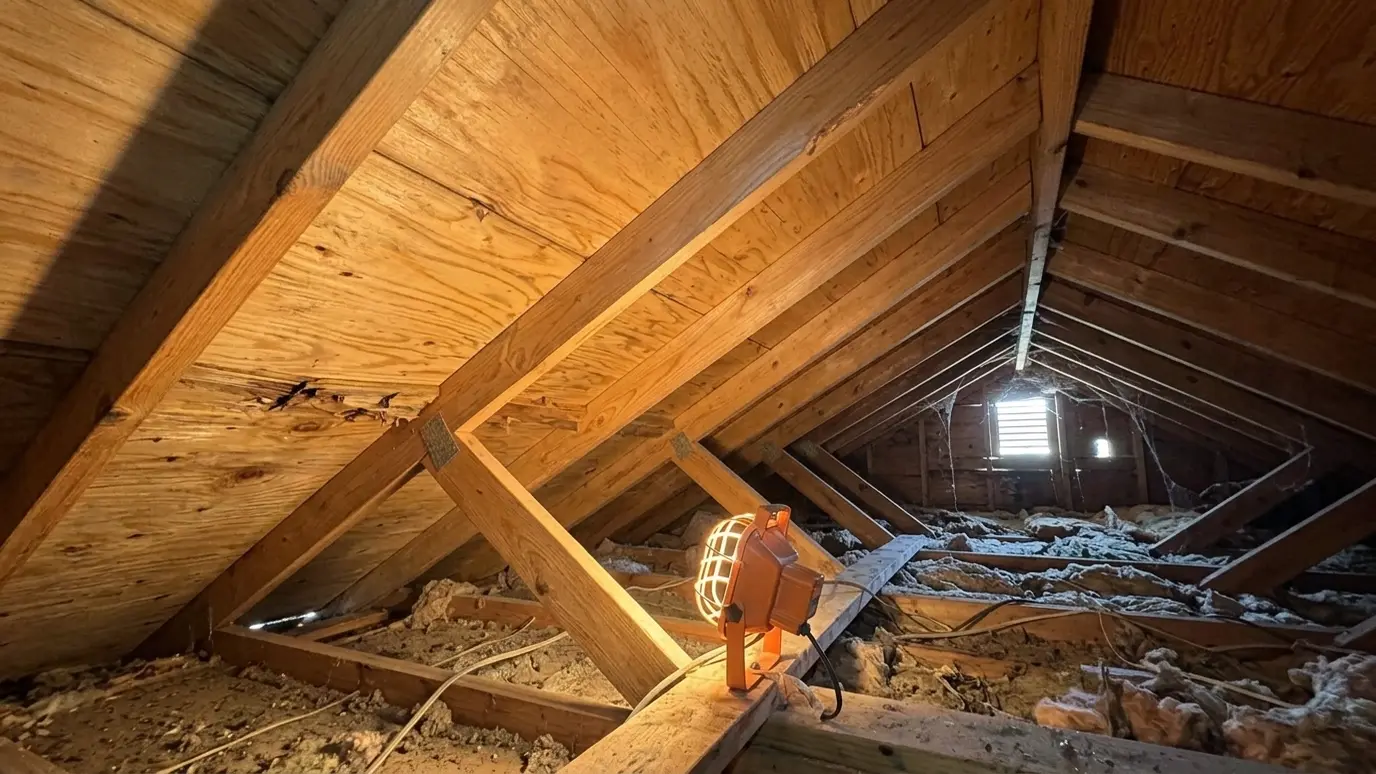
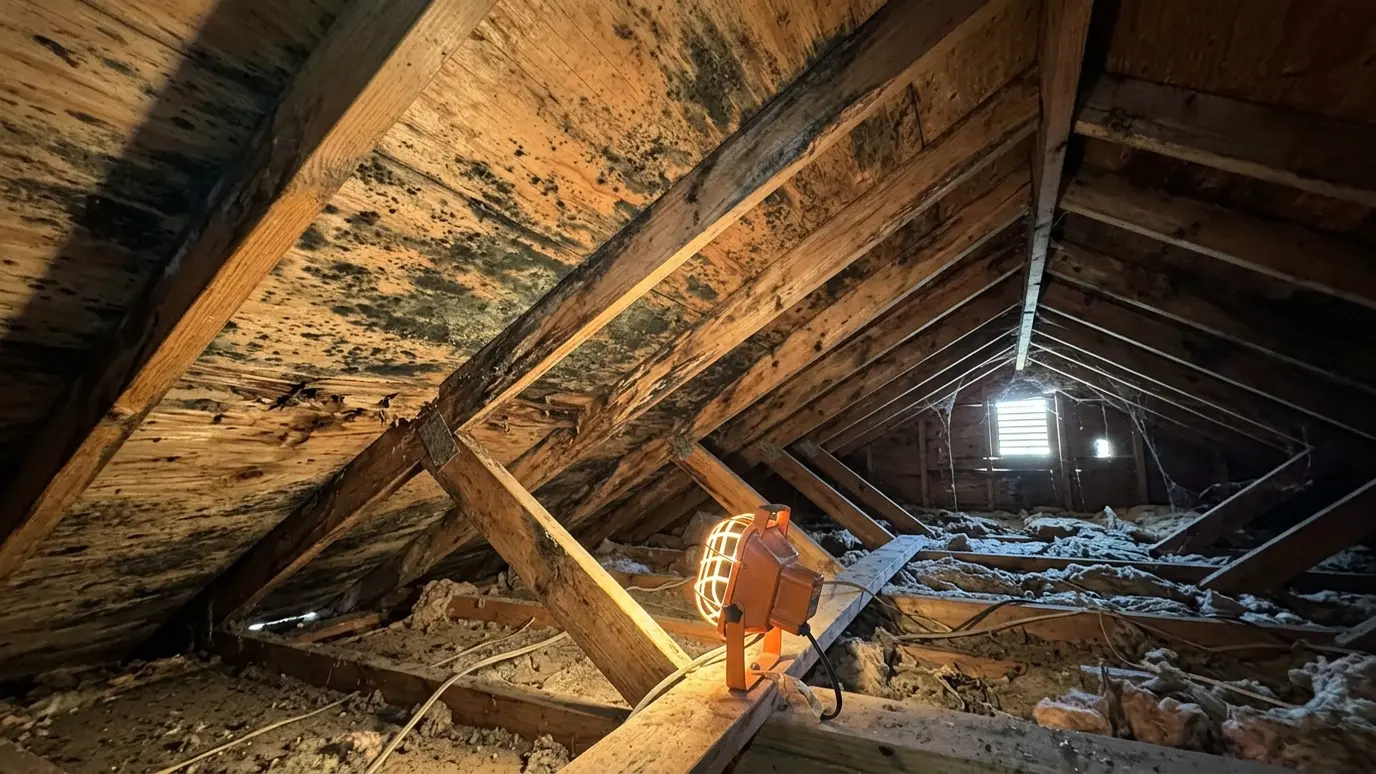 BeforeAfter
Attic and crawl space checked thoroughly.
Cleaned, sanded or replaced as needed.
Air leaks, drainage and vapor control.
Better airflow recommendations.
Protection for the living space.
Readings after treatment.
Every topic has its own page with what to expect and how we approach it.
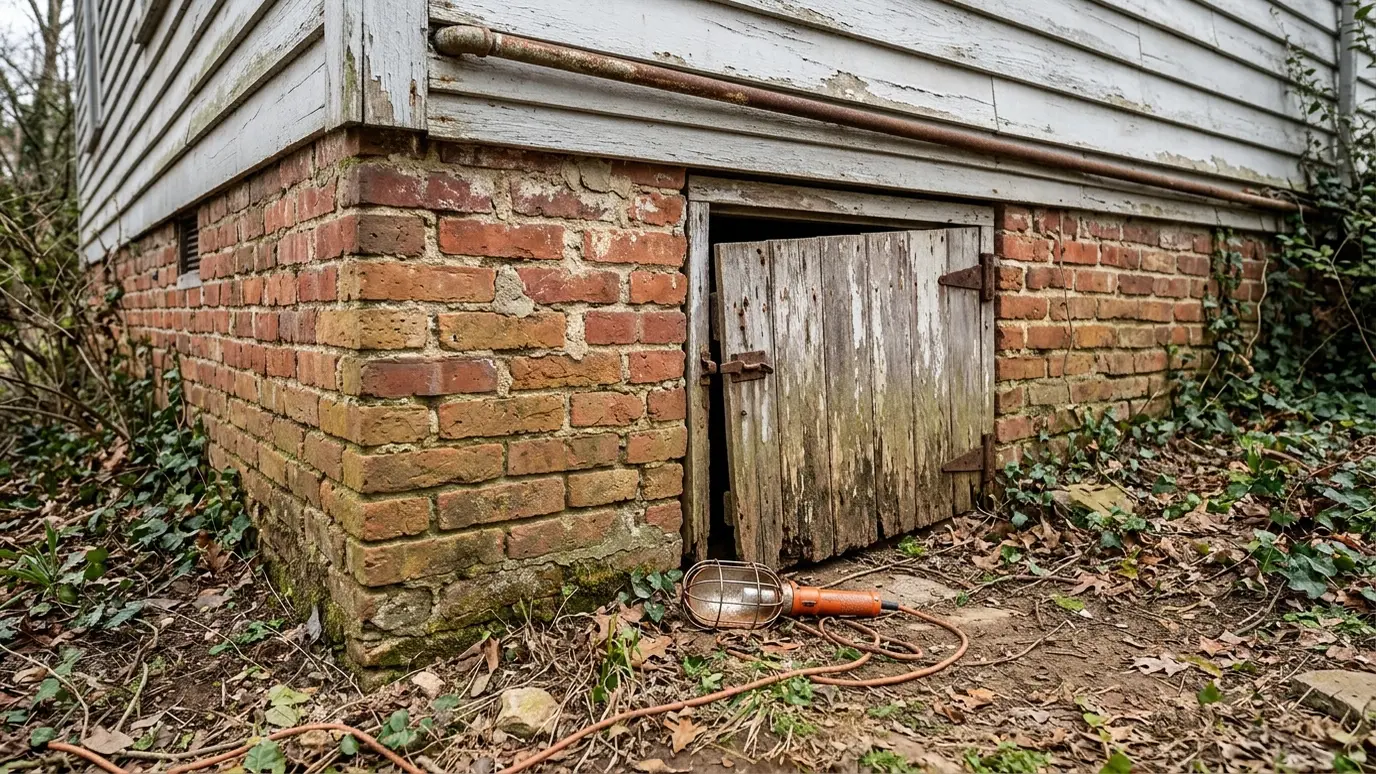 SituationOlder HomesPlaster, old wiring, crawl spaces and aging plumbing make restoration in older homes different. Here is what to…Learn more
 SituationHomeownersWhat homeowners should expect during a restoration project, from first call to final walk-through, and how to stay…Learn more
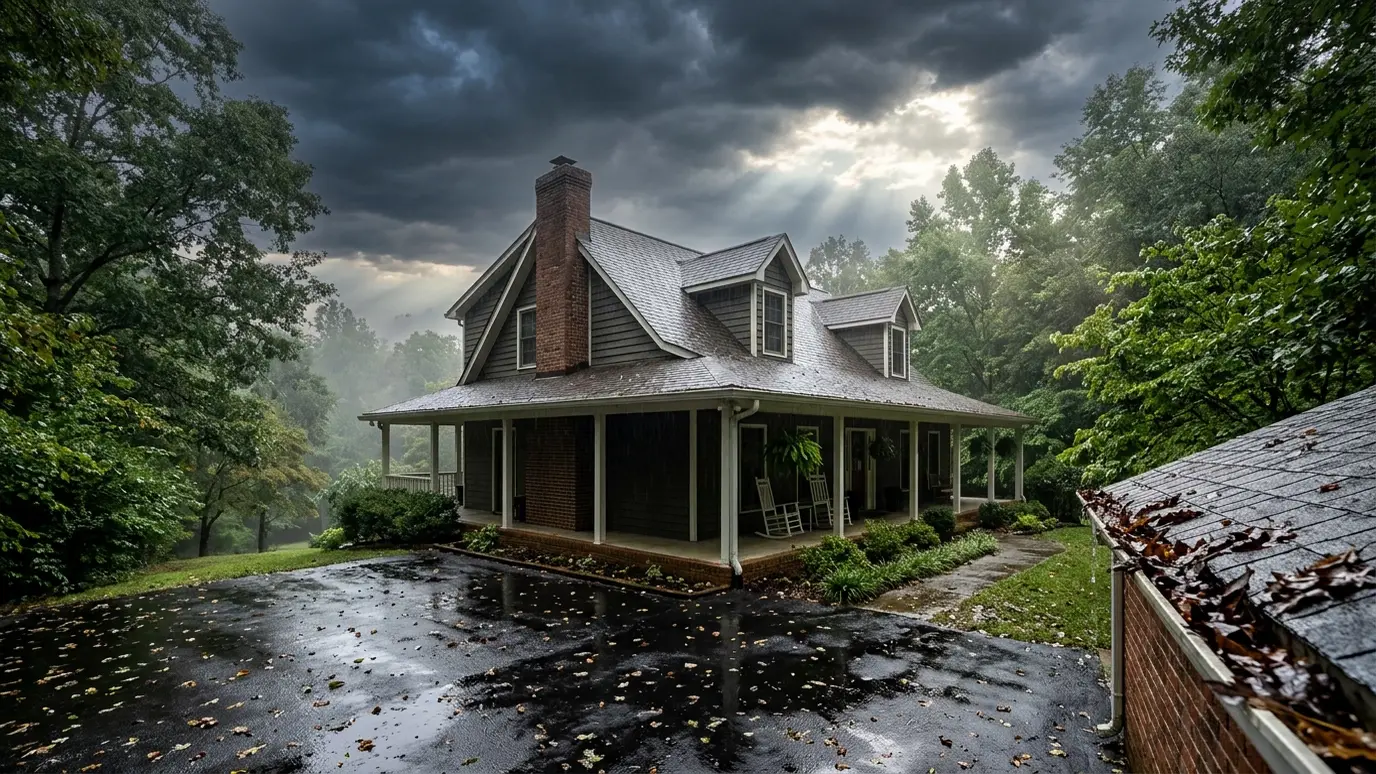 SituationStorm SeasonSpring storms, tornadoes, hail and heavy rain are part of life here. A little preparation reduces damage and…Learn more
Enter how long materials have been wet, the humidity and the materials affected and see the mold risk and what to do next.
Tell us what happened and send photos if you can. We guide you on safety and plan the visit.
We find the source, map the damage with meters and thermal imaging and explain the plan.
Water extraction, board-up, tarping and removal of materials that cannot be saved.
Air movers, dehumidifiers and careful cleaning, with containment for fire and mold work.
Moisture readings and equipment adjustments until the structure is dry.
Repairs, paint and a final walk-through, with records you can keep.
Usually warm, moist air from the house or a roof leak. Bath fans venting into the attic are a common cause.
Yes. Moisture feeds mold and can harm wood and indoor air quality. A vapor barrier and drainage help.
Wet or moldy insulation is usually replaced. Dry, clean insulation can often stay.
A fan alone rarely solves the cause. Fix leaks, venting and drainage first.
It depends on the design. Some crawl spaces are better conditioned and sealed, others vented. A specialist can advise.
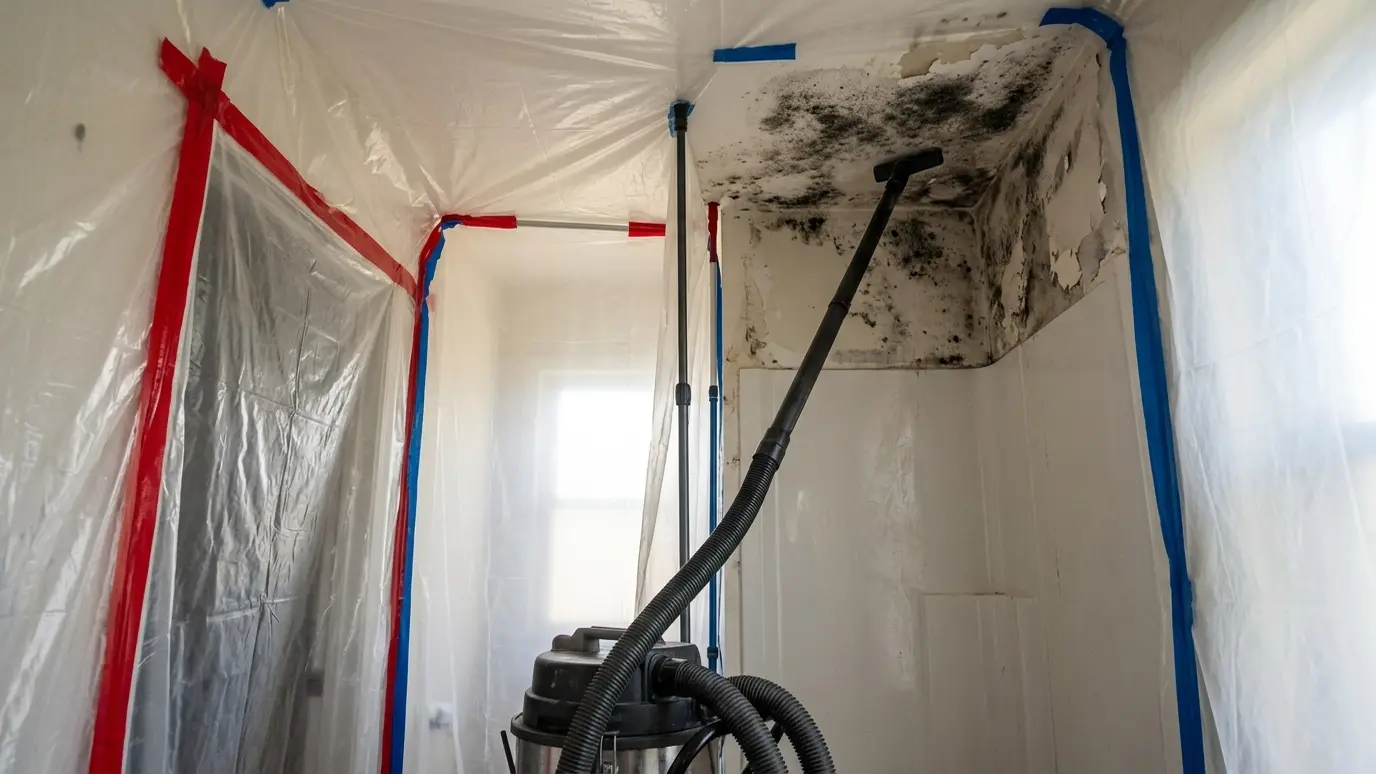 Mold RemediationContainment, HEPA filtration, careful removal and drying, so mold is taken out of your home and not spread…Explore
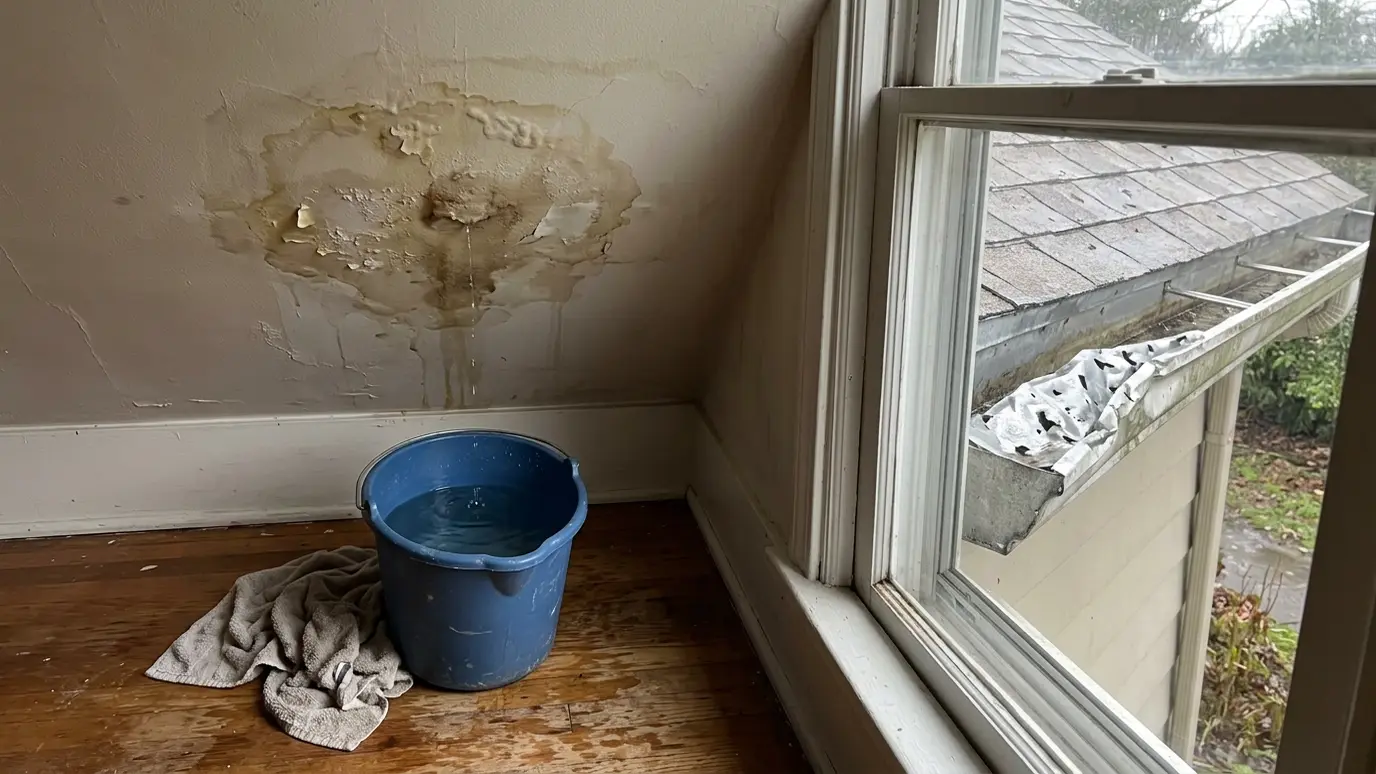 Roof Leak and Hail DamageInterior water damage from roof leaks and hail, dried and repaired, with temporary protection in place until the…Explore
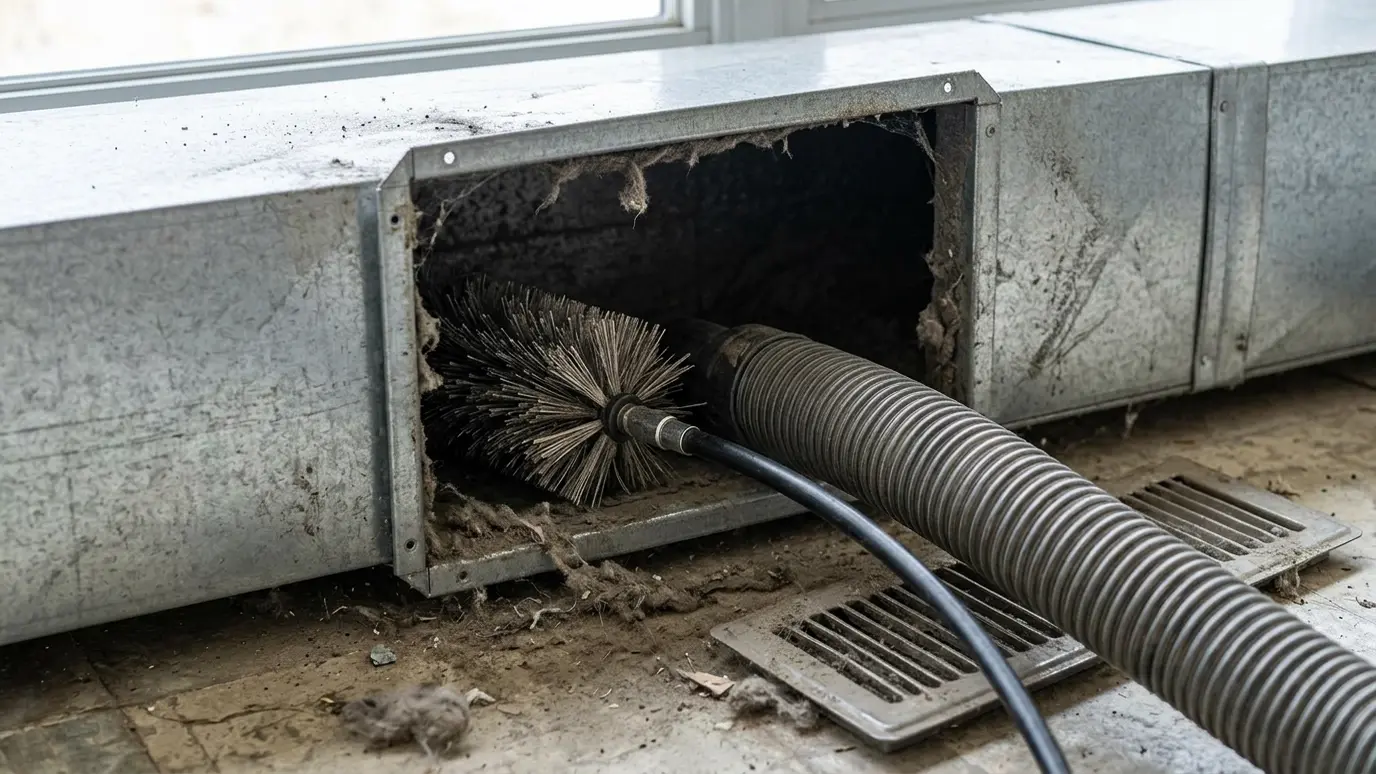 HVAC and Duct CleaningAir handlers, coils and ducts cleaned after mold, smoke or water damage so clean air is what actually…Explore
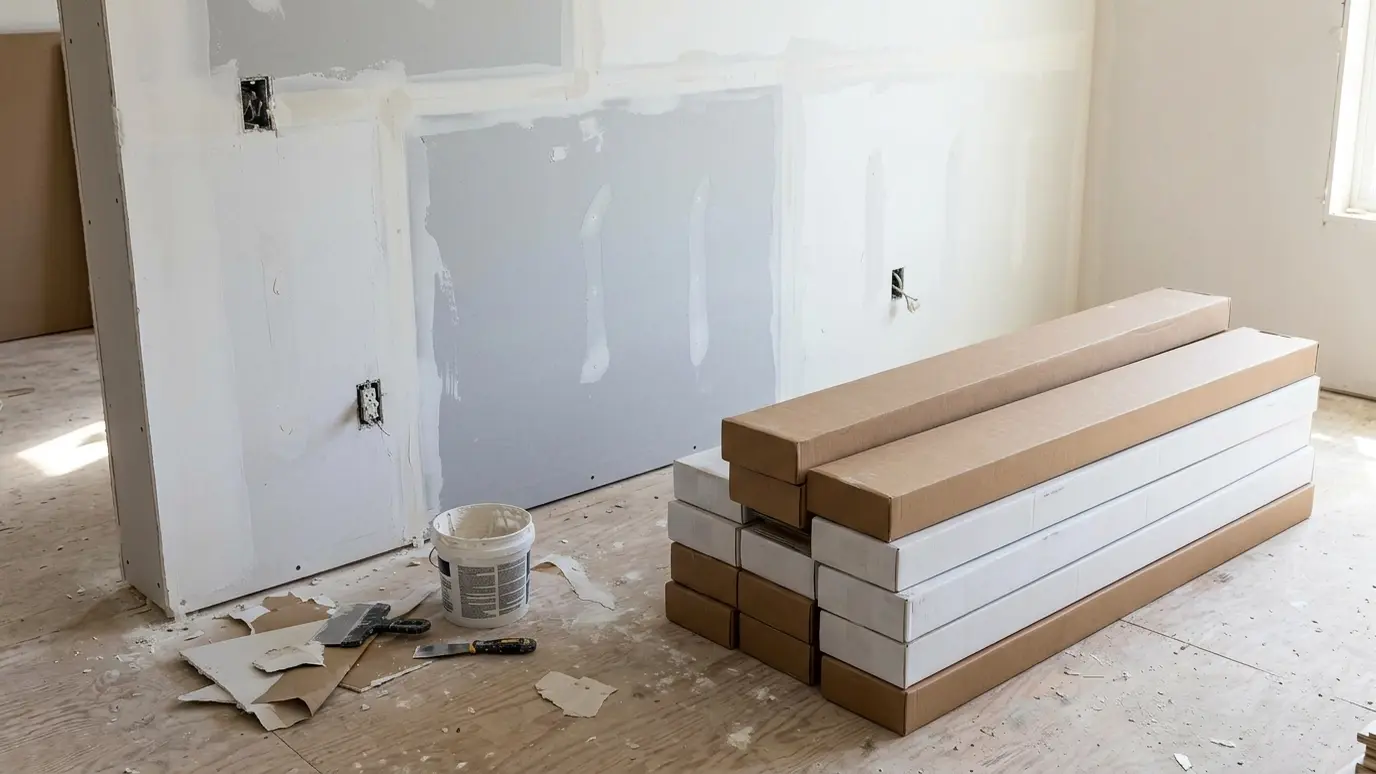 Drywall and Flooring RepairNew drywall, insulation and flooring after water, fire or mold removal, installed and finished to blend with your…Explore
Tell us about the job and we will call you back quickly.
Or call (615) 357-7797 to talk now.