Enter how long materials have been wet, the humidity and the materials affected and see the mold risk and what to do next.
These tools give planning-level estimates from typical values. They are not quotes, designs or engineering, and results depend on your actual soil, depth, access, local rules and conditions. Only a visit can confirm what a job needs, and we give you a clear price before any work begins.
How many hours the materials have been wet.
Indoor relative humidity.
Drywall, carpet, wood, insulation or hard surfaces.
Low to very high, with a next step.
No. Only an inspection or testing can. It shows how likely growth is after a wet event.
Many experts suggest keeping indoor humidity between thirty and fifty percent.
Avoid disturbing the area and call for an inspection.
 Drying Equipment and Time EstimatorEnter the room size and the wet area and see a planning count of air movers, dehumidifier capacity and typical drying days.Try it
 Water Damage Category and Class IdentifierAnswer a few questions about the water source and what got wet and see the likely category and class, with what each means.Try it
 First 24 Hours Restoration ChecklistPick the type of loss and get a printable checklist of what to do and what to avoid right now.Try it
 Restoration Cost EstimatorPick a project and a size and get a ballpark planning range.Try it
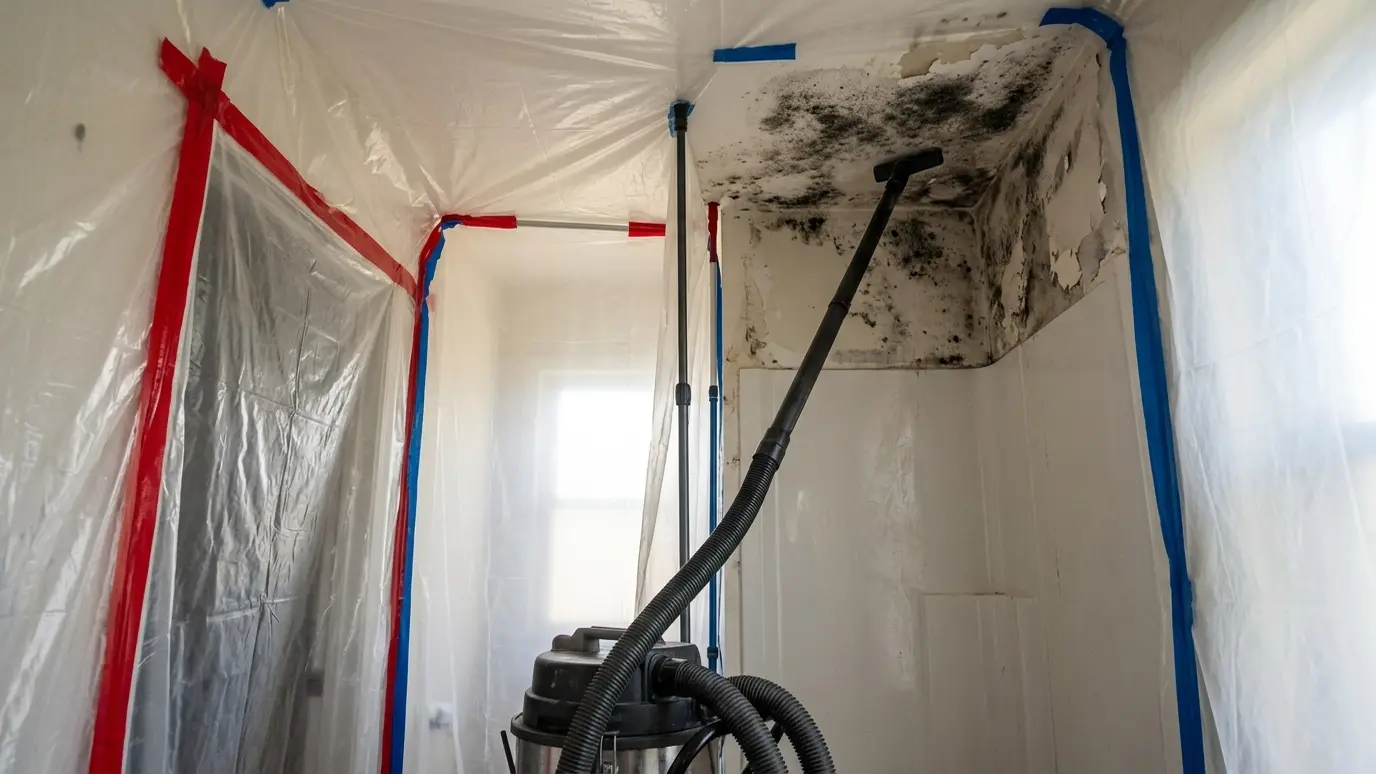 Mold RemediationContainment, HEPA filtration, careful removal and drying, so mold is taken out of your home and not spread…Explore
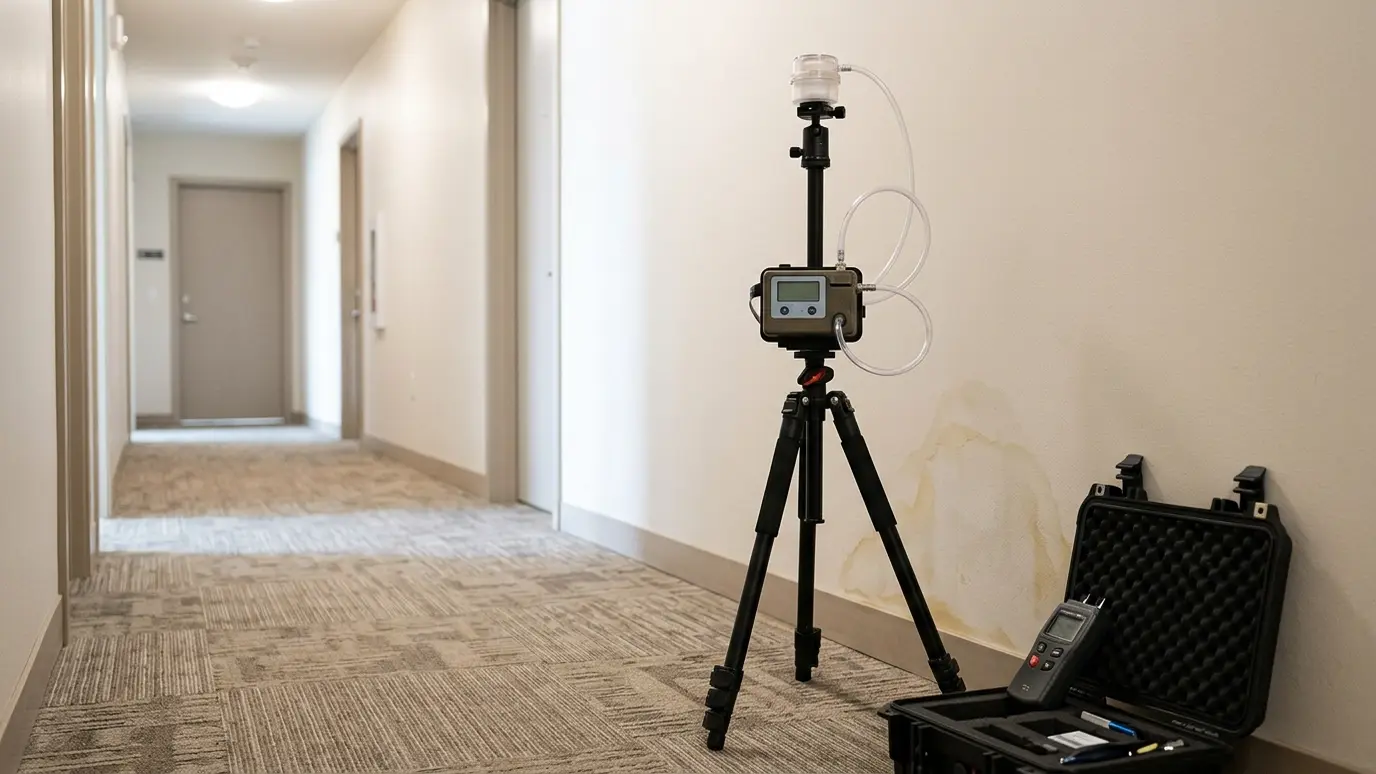 Mold Inspection and TestingMoisture mapping, visual inspection and sampling that tell you where mold is, what is feeding it and what…Explore
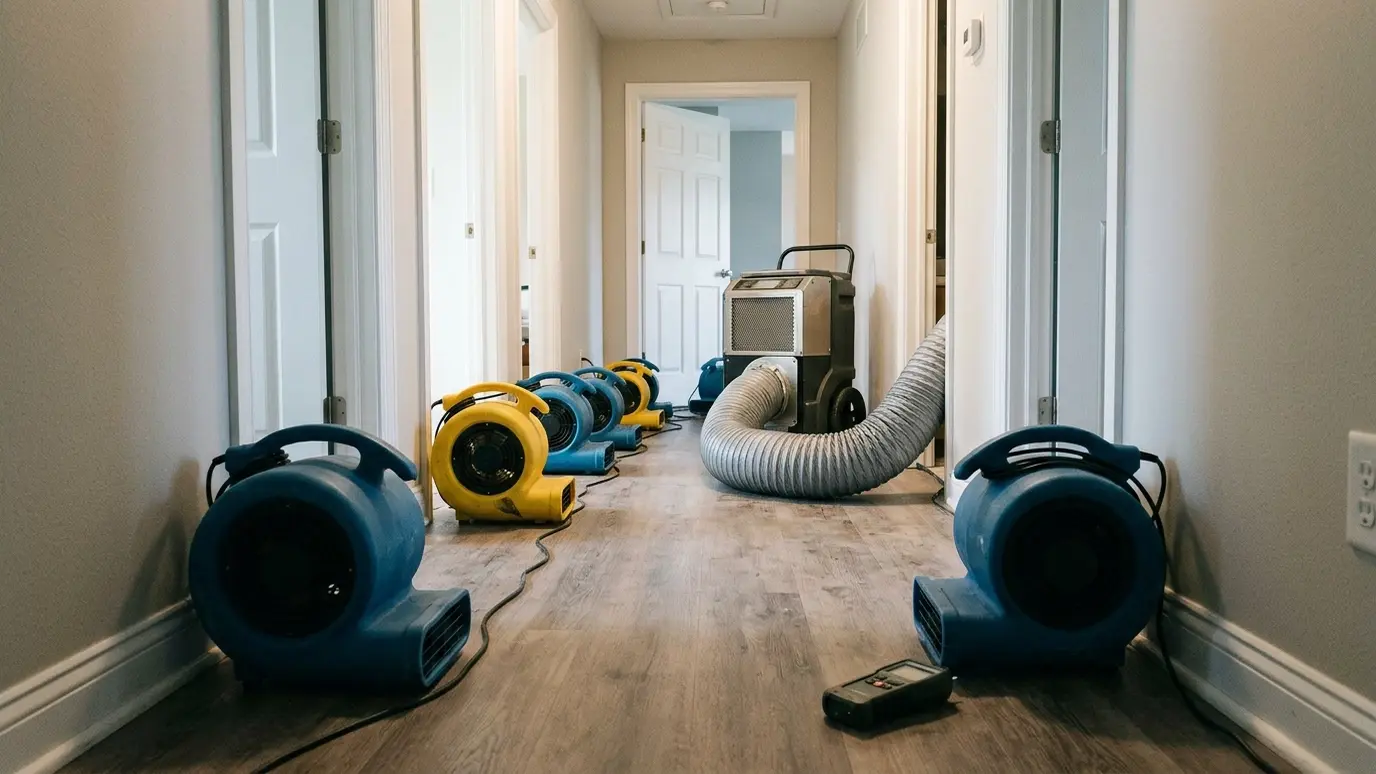 Structural DryingControlled drying of floors, walls and framing using air movers, dehumidifiers and daily moisture readings.Explore
Call us and we will tell you what is possible. We explain the plan, protect your property and document the work.