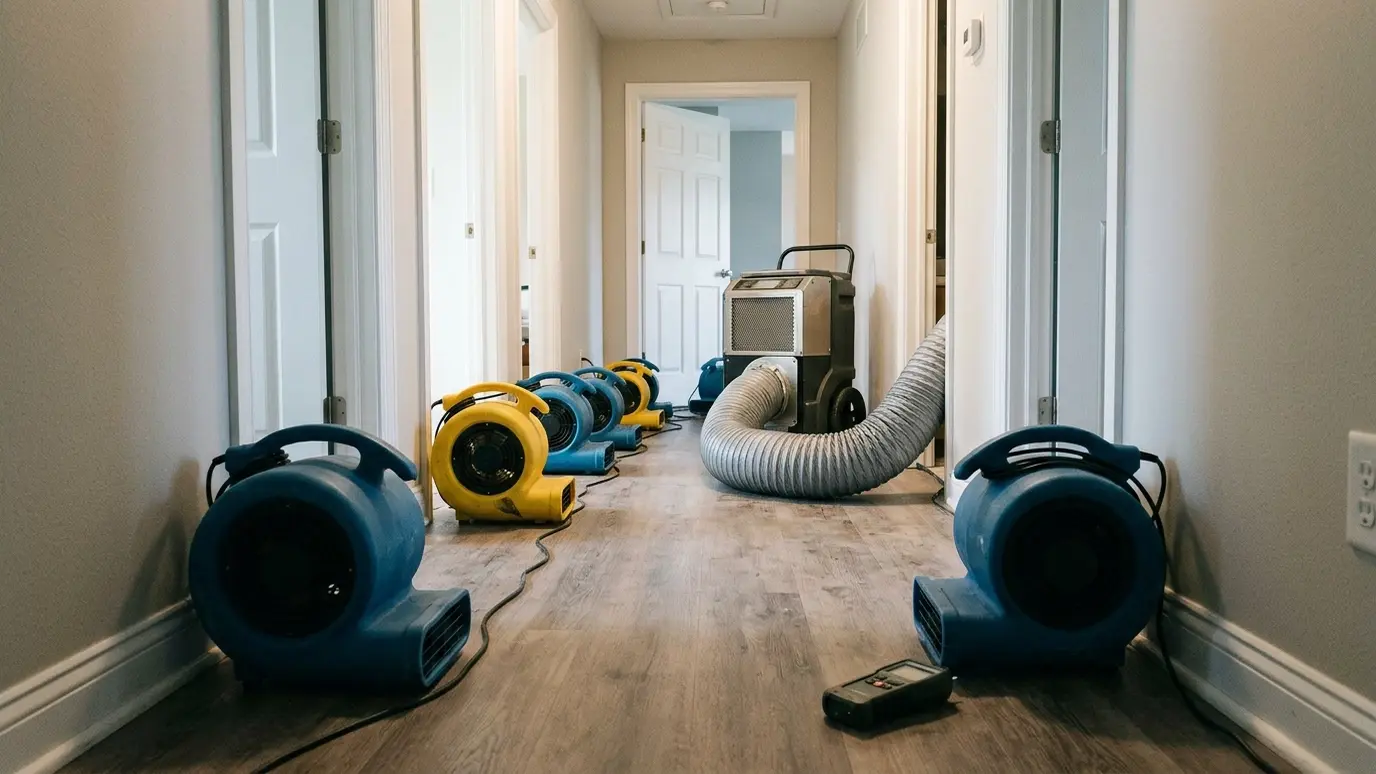
Controlled drying of floors, walls and framing using air movers, dehumidifiers and daily moisture readings.
Drying is a science, not a guess. Wood, drywall, concrete and insulation each release moisture at different rates, and drying too quickly can crack floors while drying too slowly invites mold. The goal is to bring every material back to its normal dry level.
We set air movers to drive moisture from surfaces and dehumidifiers to pull it out of the air, adjust equipment daily and measure progress with meters. When readings reach the dry goal, we remove the equipment and give you the records.
Air movers lift moisture off materials. Dehumidifiers remove it from the air so it cannot settle again. Using only one of the two slows the job or makes it fail.
A fixed number of days does not mean dry. We take readings of wet materials and compare them with unaffected reference areas, then keep equipment running until they match.
Hardwood, plaster and wall cavities sometimes need drying mats, injected air or panels opened. We choose the method that suits each material and explain why.
Drying works best with doors and windows closed so the dehumidifiers pull moisture from a limited volume of air. We explain when that applies and when airflow helps.
Drag the handle to compare.
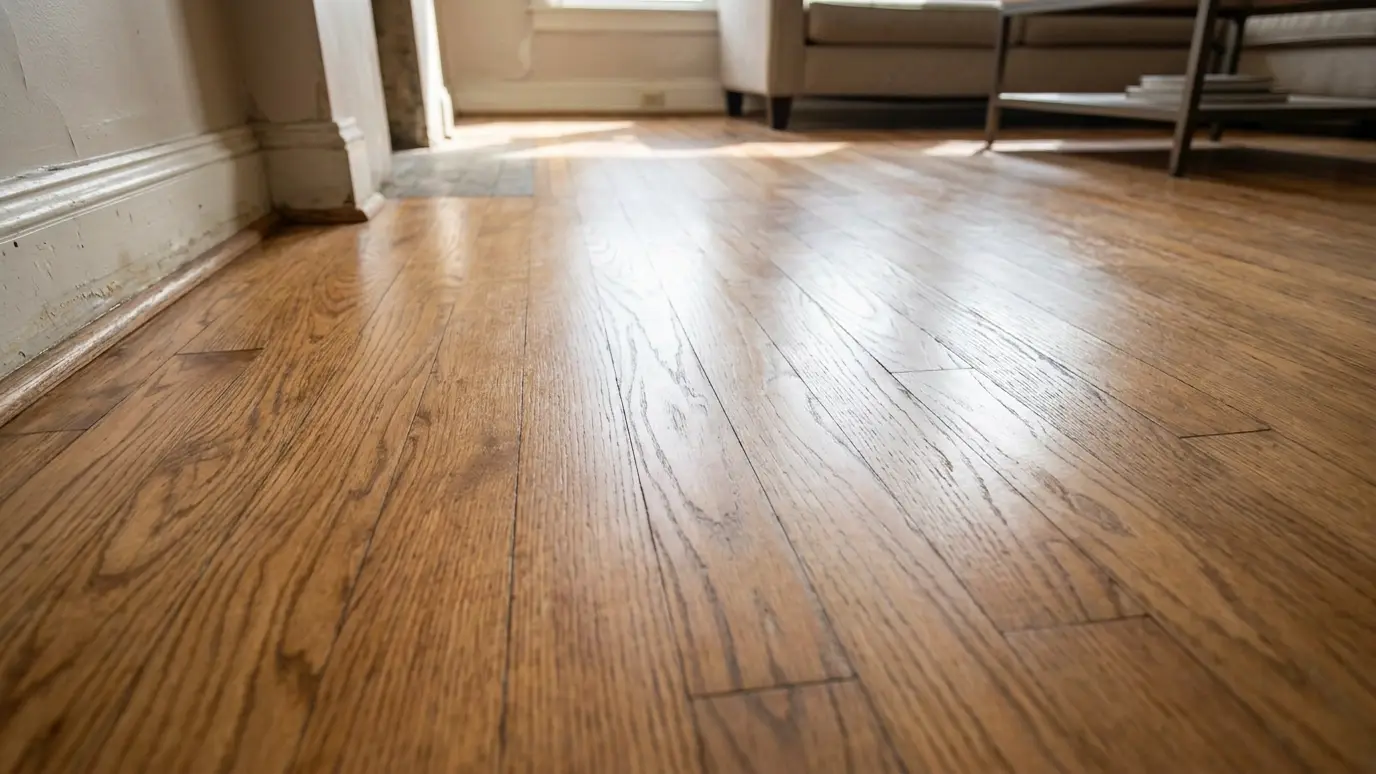
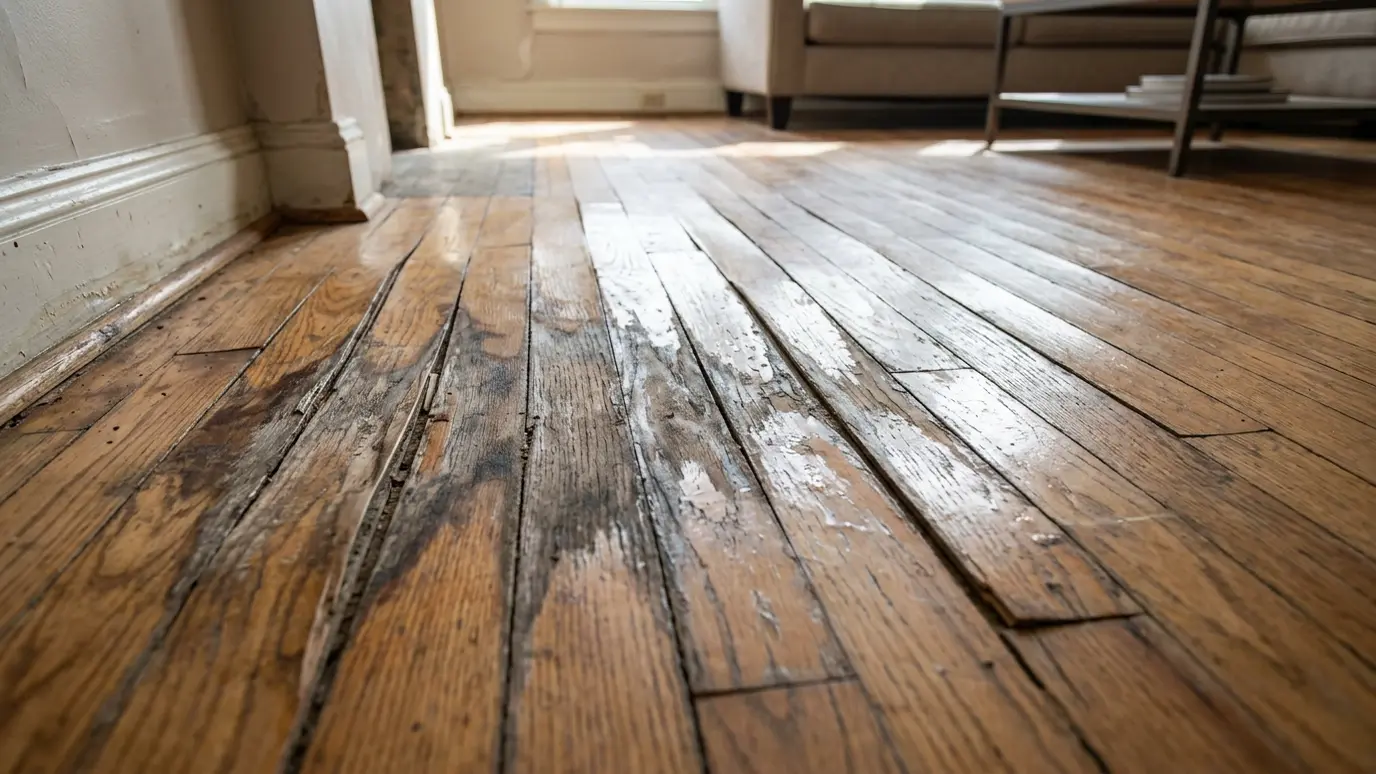 BeforeAfter
Sizes and placement planned for the space.
Progress measured and logged.
Compared with unaffected materials.
Mats and cavity drying where needed.
No more equipment than the job needs.
A dry log for your file.
Every topic has its own page with what to expect and how we approach it.
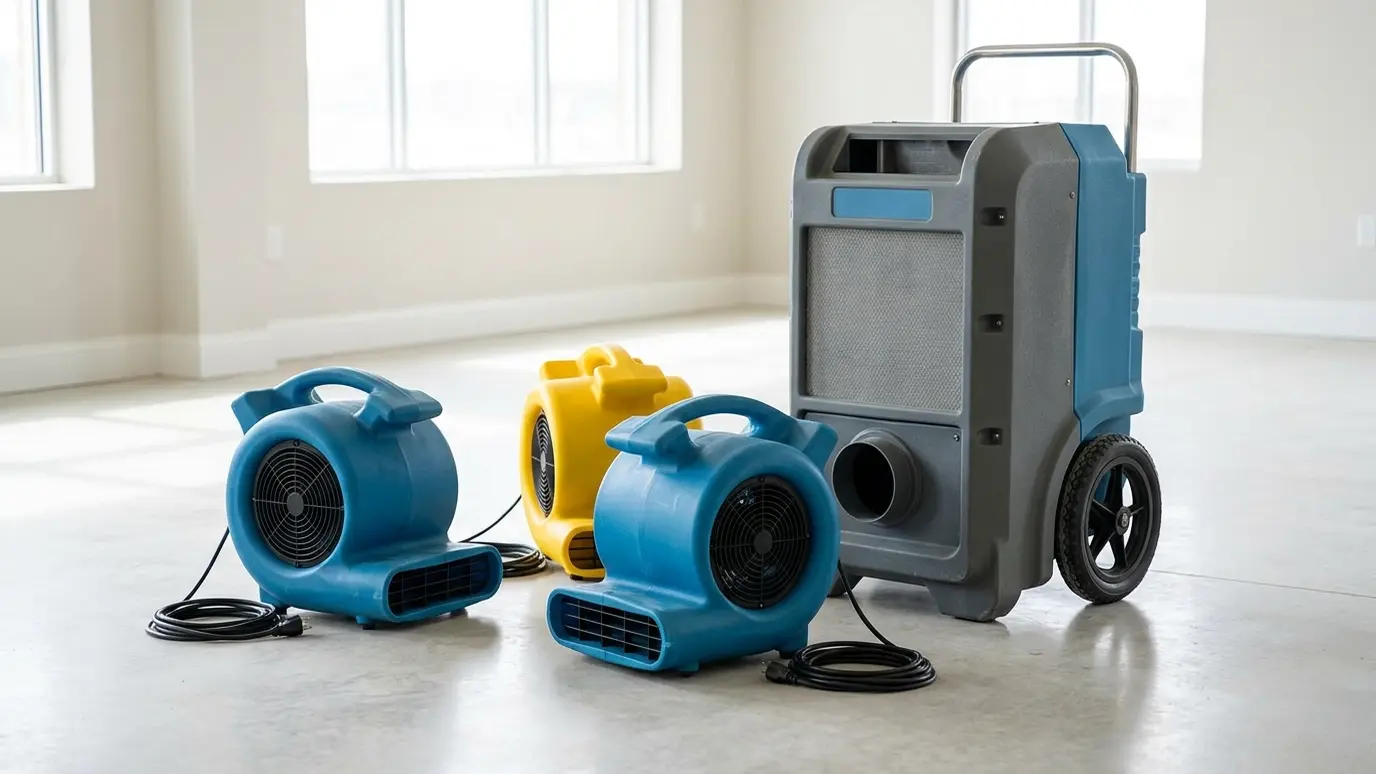 Material guideDrying EquipmentAir movers, dehumidifiers and drying mats explained: what each does, how they work together and why the right…Learn more
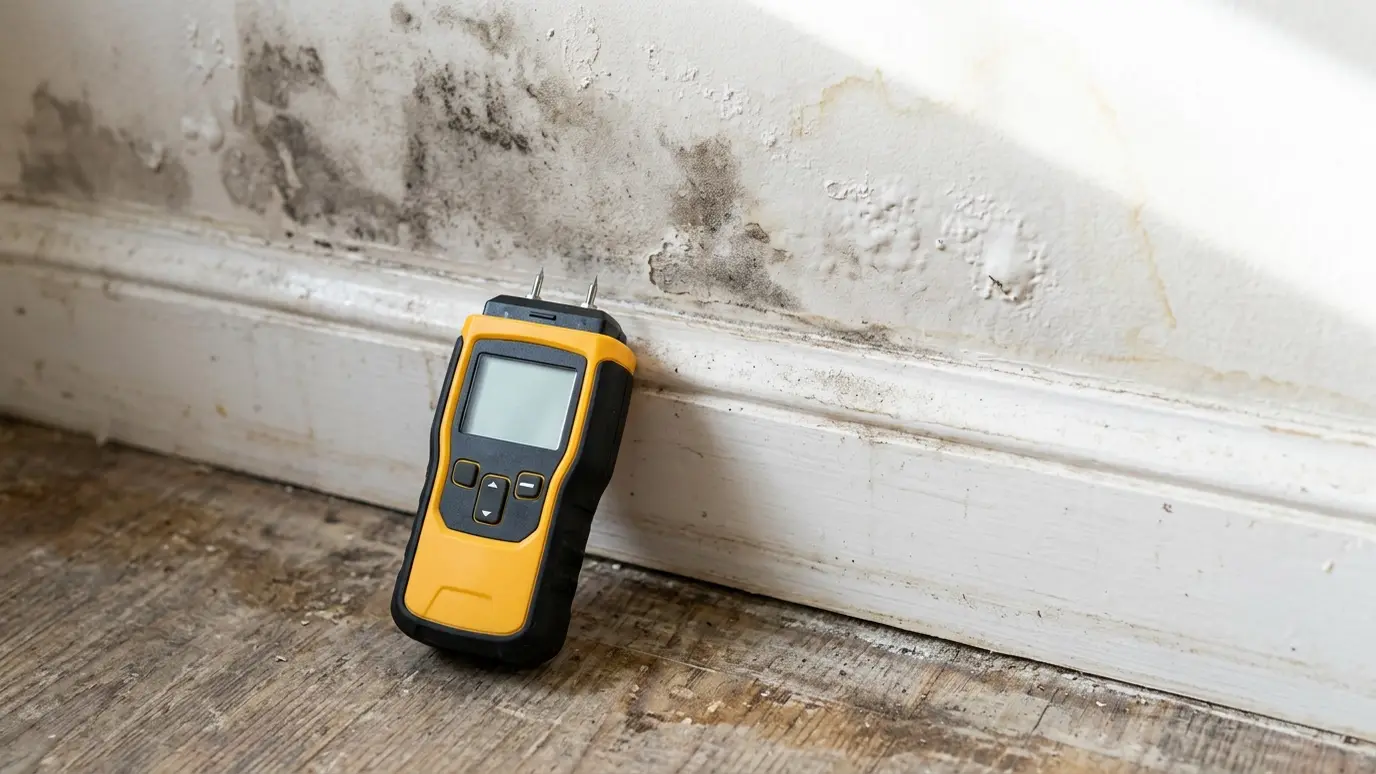 Material guideMoisture DetectionHow meters and thermal cameras find hidden water, what they can and cannot tell you and why they…Learn more
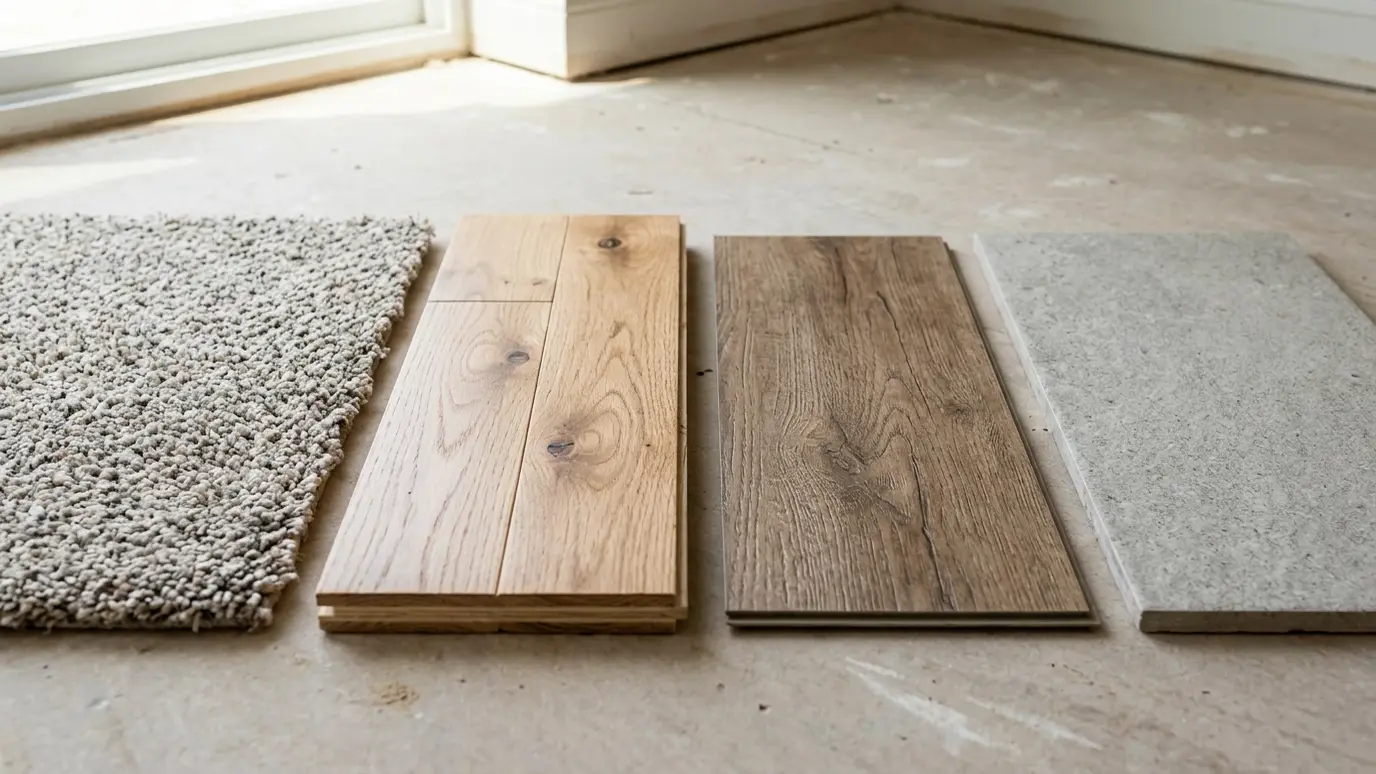 Material guideFlooring After WaterCarpet, hardwood, vinyl, laminate and tile respond differently to water. Here is what can be dried and what…Learn more
Enter the room size and the wet area and see a planning count of air movers, dehumidifier capacity and typical drying days.
Tell us what happened and send photos if you can. We guide you on safety and plan the visit.
We find the source, map the damage with meters and thermal imaging and explain the plan.
Water extraction, board-up, tarping and removal of materials that cannot be saved.
Air movers, dehumidifiers and careful cleaning, with containment for fire and mold work.
Moisture readings and equipment adjustments until the structure is dry.
Repairs, paint and a final walk-through, with records you can keep.
Many jobs take three to five days. Thick materials, plaster and hardwood may take longer. Readings tell us when it is done.
Large spaces and wet materials need strong airflow and dehumidification. We use the amount that the room and the readings call for.
Drying equipment uses power, usually a noticeable amount for a few days. We keep the setup efficient and tell you what to expect.
Please do not. Stopping and restarting slows drying. The machines are designed to run continuously.
Usually not while dehumidifiers run, because humid outside air slows drying. We advise by season and conditions.
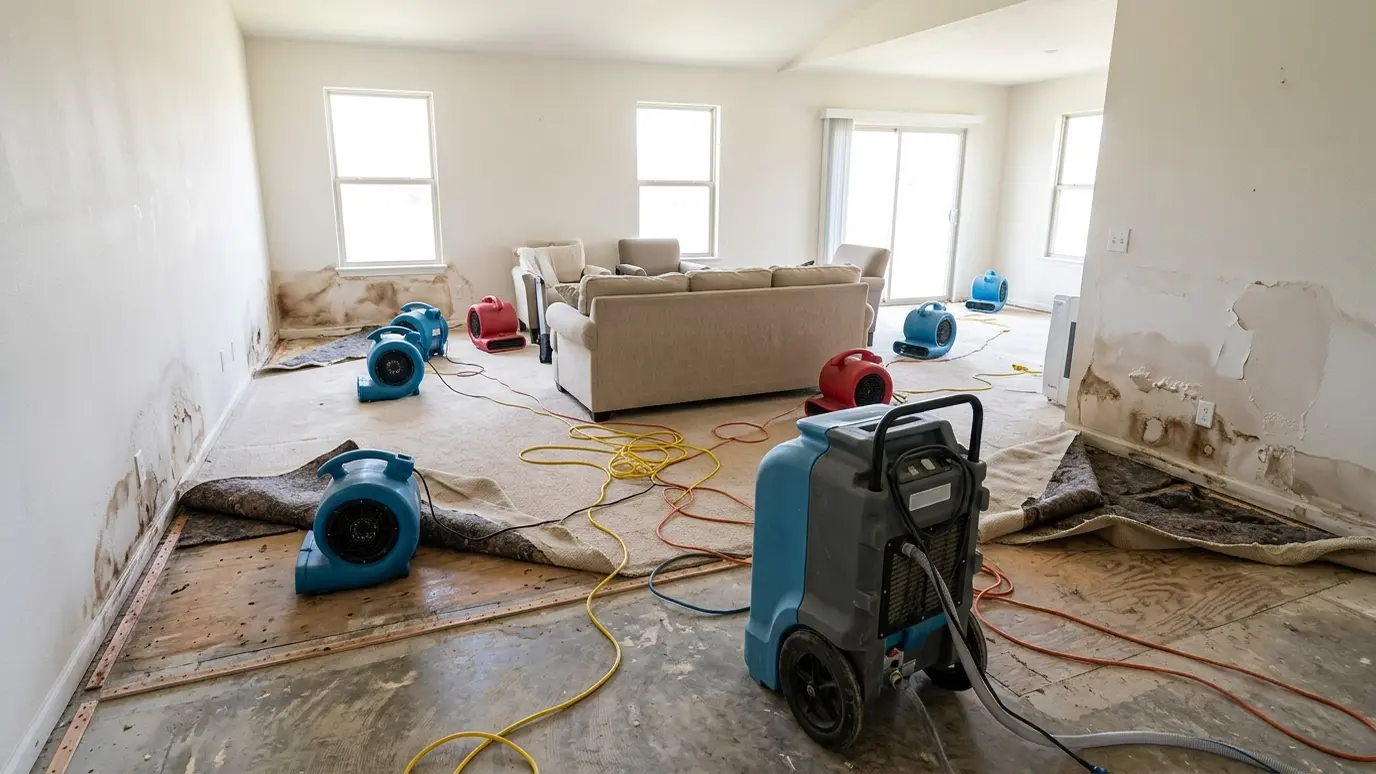 Water Damage RestorationWater removed, structure dried and the damage documented, so your home gets back to normal before mold and…Explore
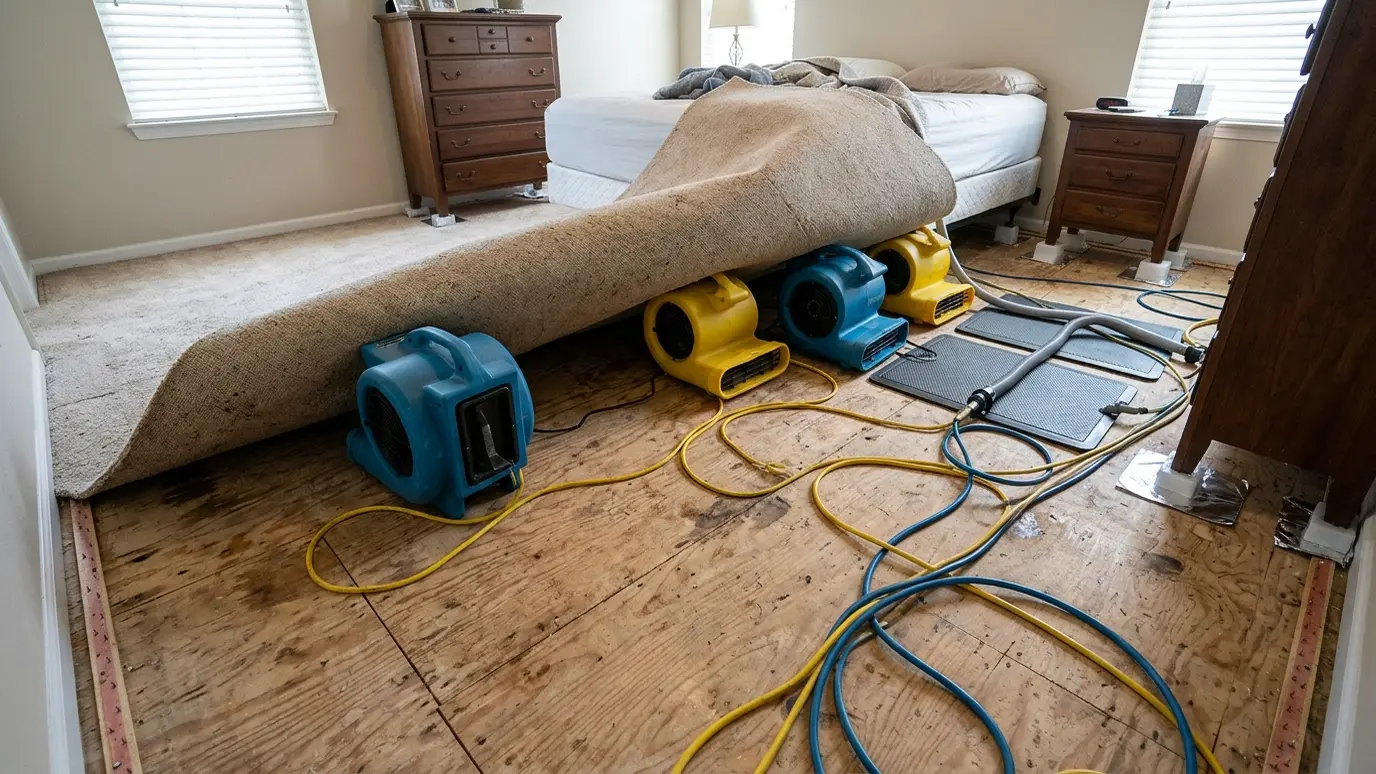 Wet Carpet and FlooringCarpet, pad, hardwood, laminate and tile floors dried or replaced the right way after water damage.Explore
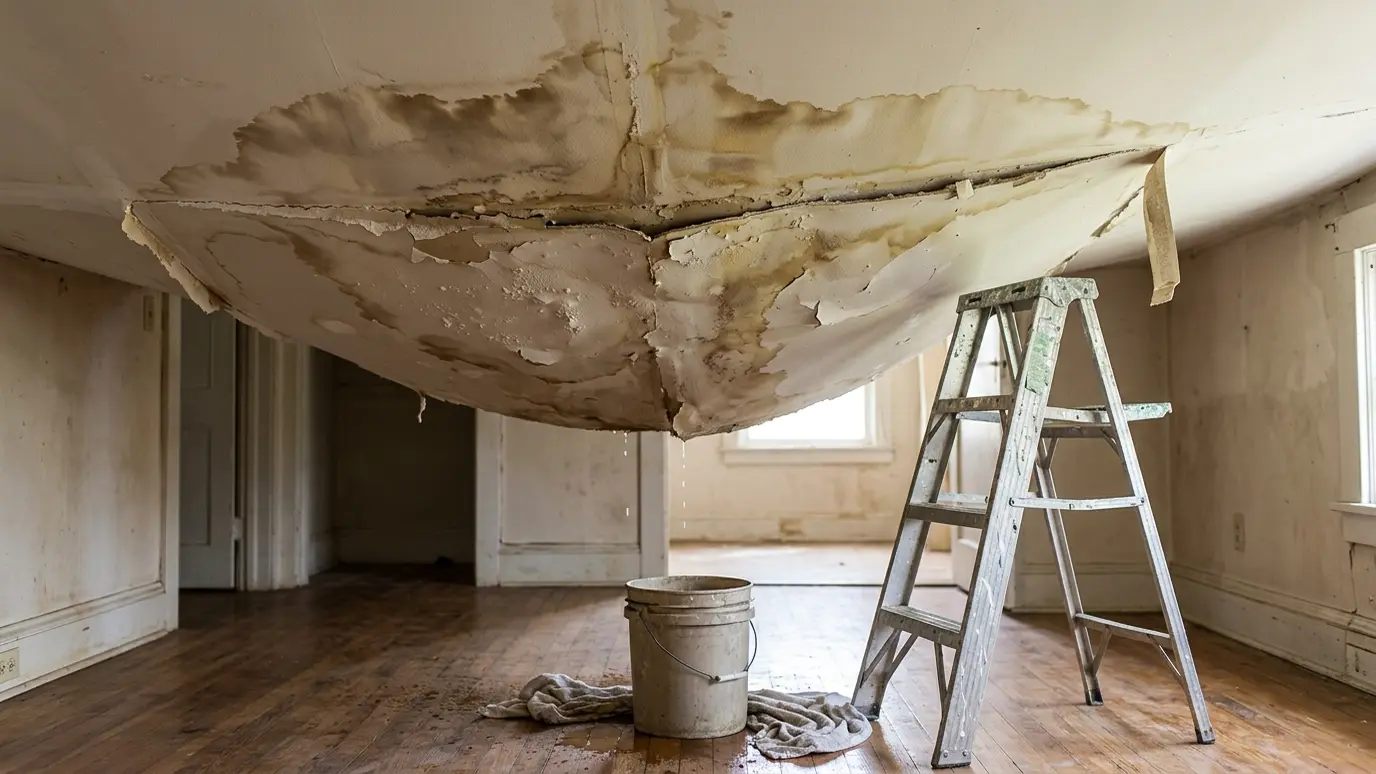 Ceiling and Wall DamageStained, sagging or wet ceilings and walls dried, opened where needed and repaired, with the source found first.Explore
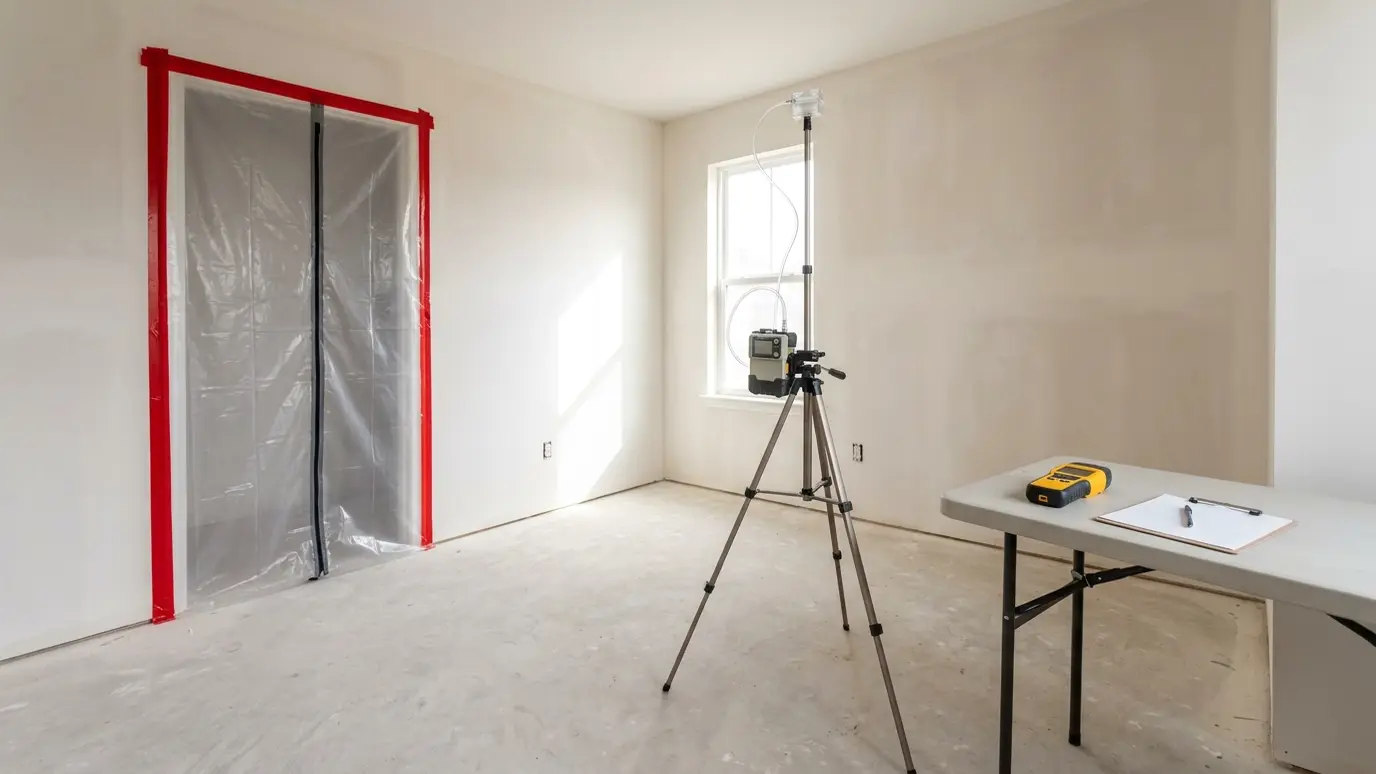 Post-Remediation VerificationA check that confirms the work area is dry, clean and ready for repairs, using inspection, moisture readings…Explore
Tell us about the job and we will call you back quickly.
Or call (615) 357-7797 to talk now.