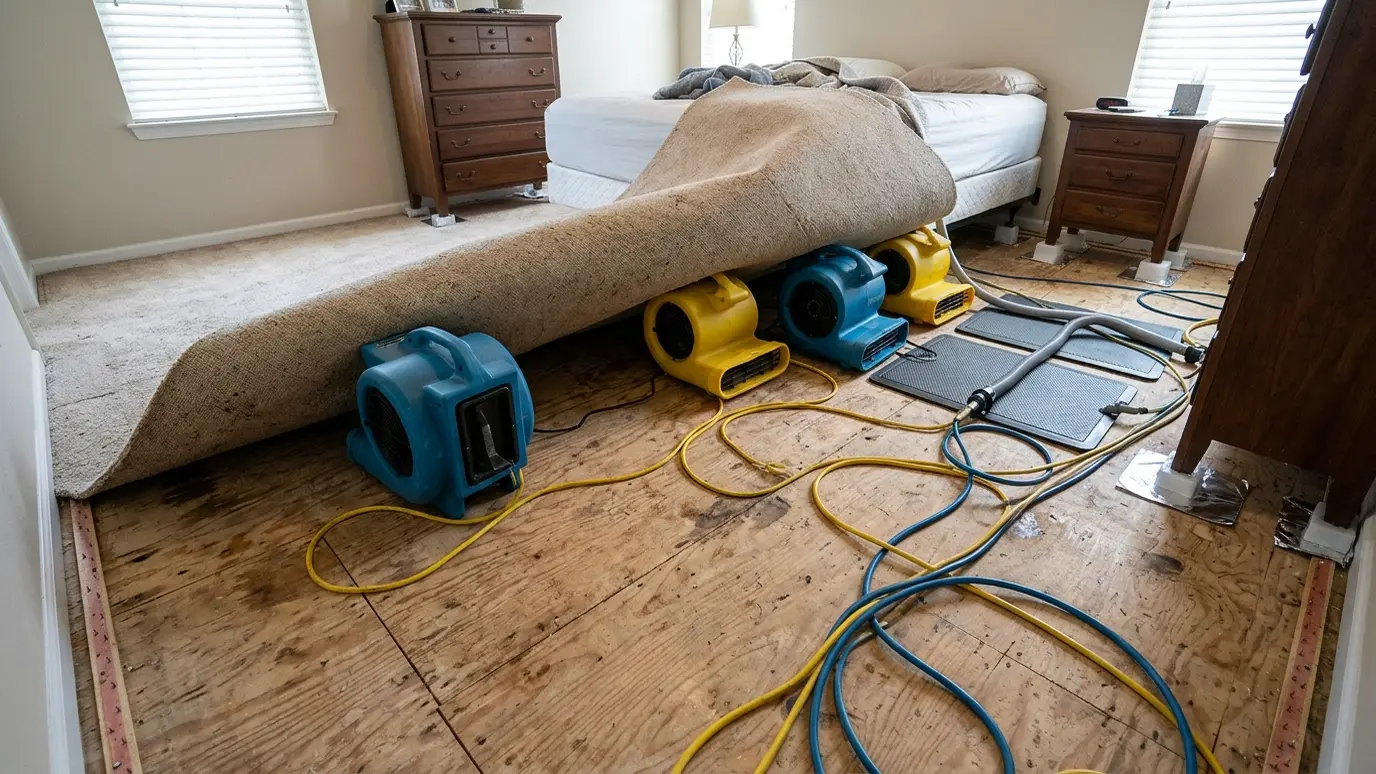
Carpet, pad, hardwood, laminate and tile floors dried or replaced the right way after water damage.
Floors take the first hit in most water losses. Carpet and pad soak up water like a sponge, hardwood swells and cups, and subfloors hold moisture long after the surface feels dry. Deciding what to save and what to replace is one of the most important calls in a water job.
Clean-water carpet can often be dried in place or lifted, cleaned and reinstalled, while contaminated or long-soaked pad is replaced. Hardwood can often be dried with mats and specialized equipment if work starts soon. We explain the options for each floor and let you decide.
Carpet fibers dry more readily than pad. If the water was clean and treated quickly, carpet may be saved and the pad replaced. Contaminated carpet is removed.
Hardwood absorbs water slowly and releases it slowly. Drying mats and low-heat airflow can bring boards back flat if the work starts early. Severe cupping may mean refinishing or replacement.
Moisture trapped between flooring and subfloor causes odor and mold. We check below the surface and dry the subfloor before anything goes back down.
Walking on wet carpet pushes water into the pad and spreads it. Do not use a household heater to rush drying, because it can warp hardwood and trap moisture beneath.
Drag the handle to compare.
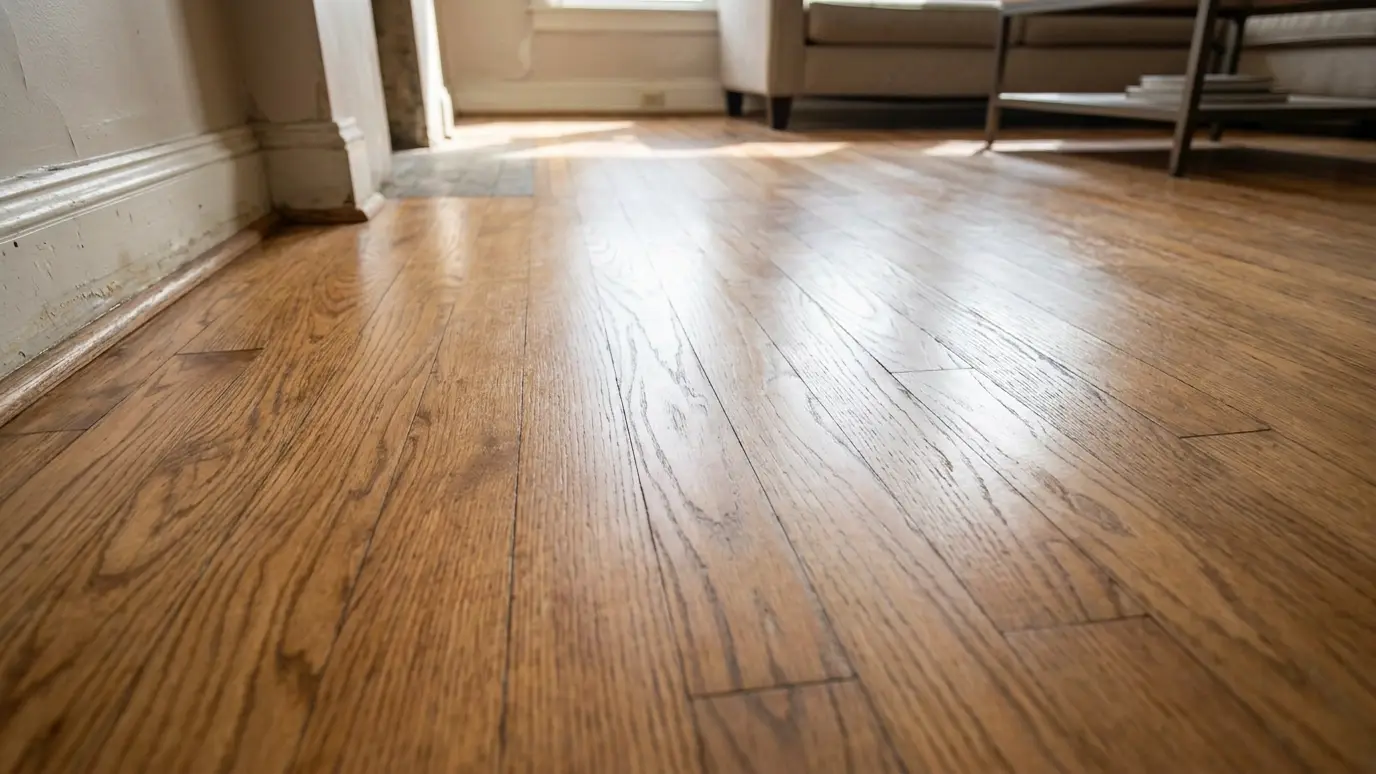
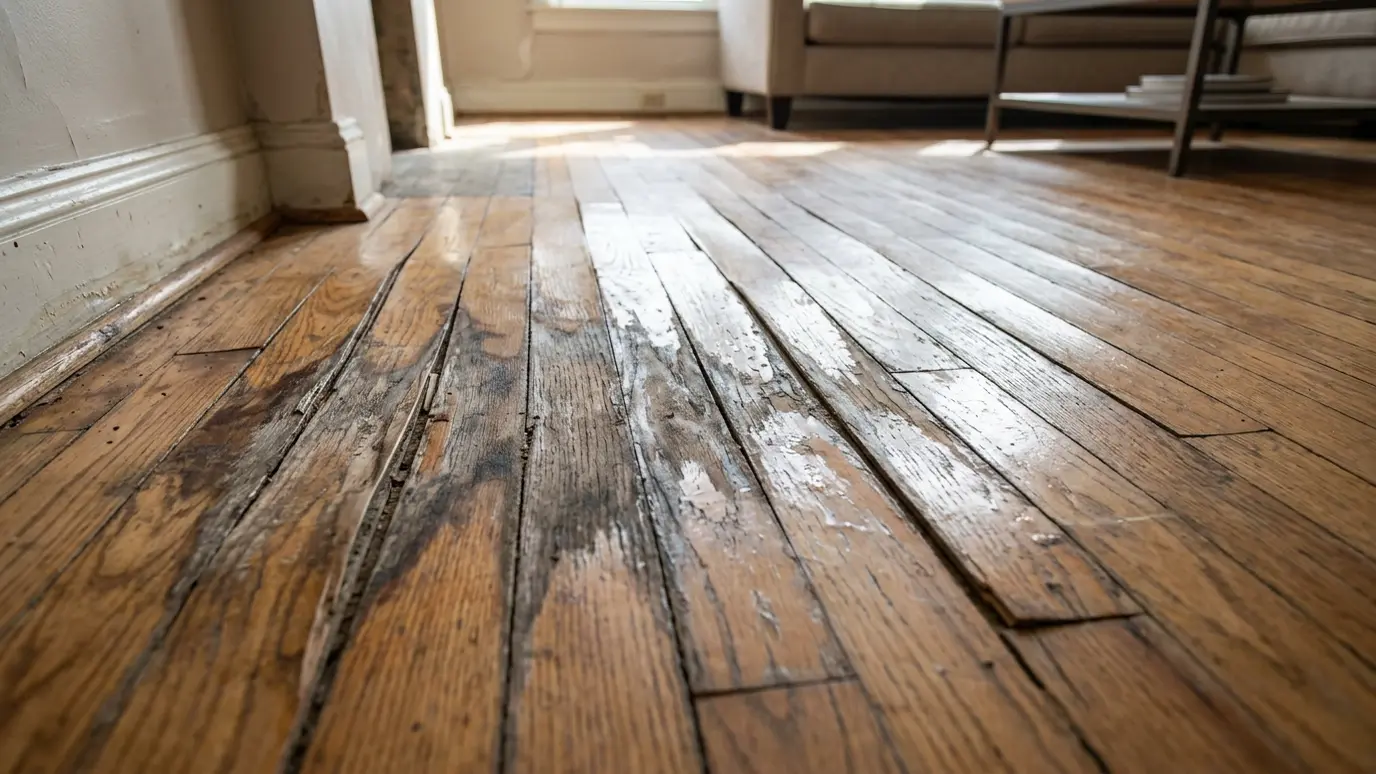 BeforeAfter
Lift, clean and dry when conditions allow.
Wet pad removed and replaced.
Specialty drying for wood floors.
Readings below the surface.
Dried fully before new flooring.
What to save and what to replace.
Every topic has its own page with what to expect and how we approach it.
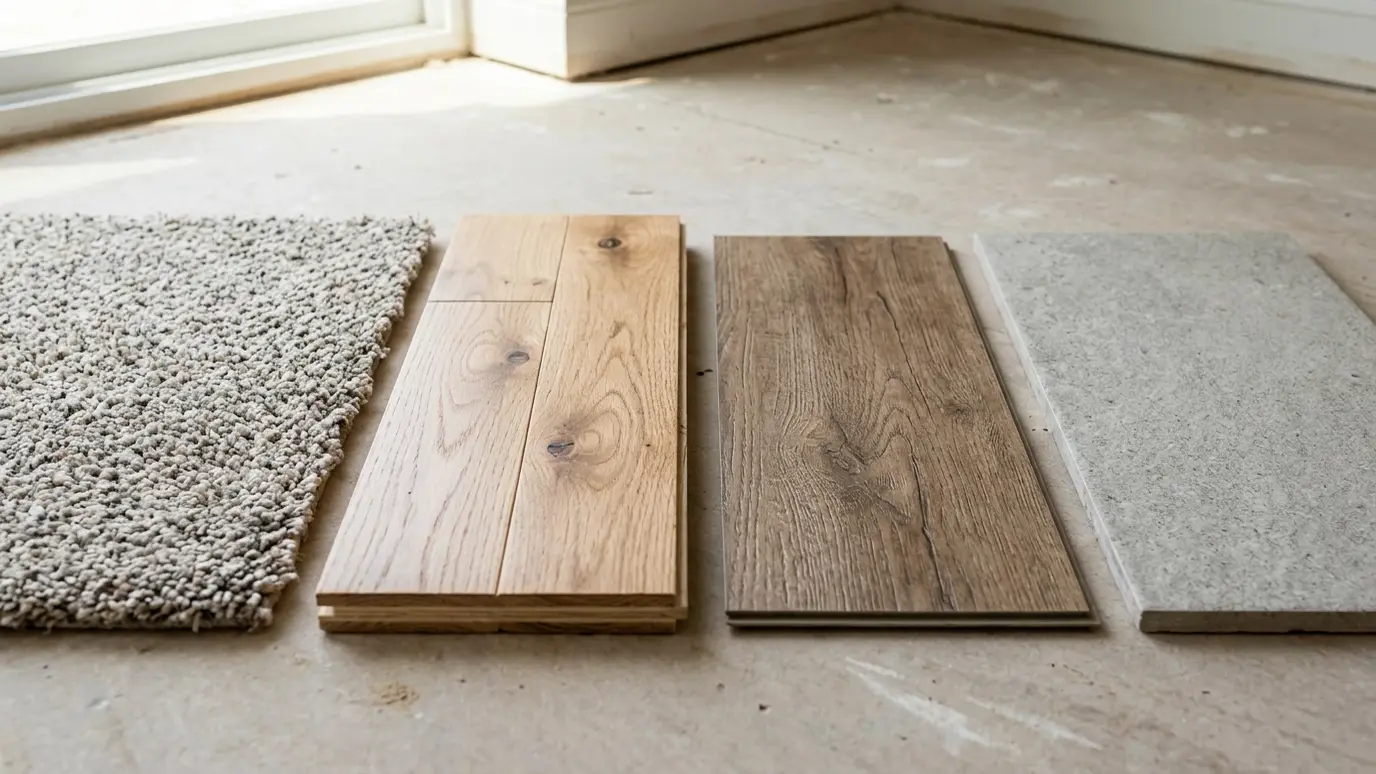 Material guideFlooring After WaterCarpet, hardwood, vinyl, laminate and tile respond differently to water. Here is what can be dried and what…Learn more
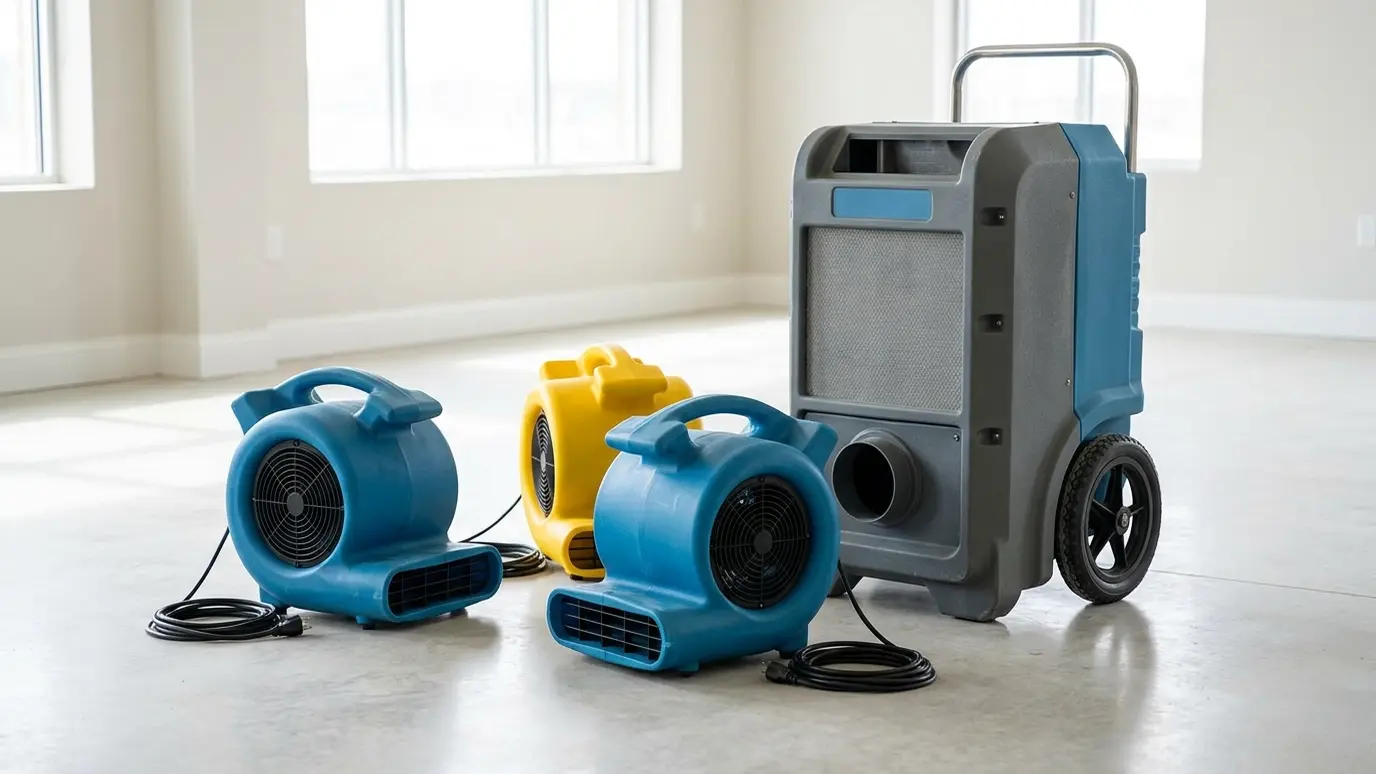 Material guideDrying EquipmentAir movers, dehumidifiers and drying mats explained: what each does, how they work together and why the right…Learn more
 SituationHomeownersWhat homeowners should expect during a restoration project, from first call to final walk-through, and how to stay…Learn more
Enter the room size and the wet area and see a planning count of air movers, dehumidifier capacity and typical drying days.
Tell us what happened and send photos if you can. We guide you on safety and plan the visit.
We find the source, map the damage with meters and thermal imaging and explain the plan.
Water extraction, board-up, tarping and removal of materials that cannot be saved.
Air movers, dehumidifiers and careful cleaning, with containment for fire and mold work.
Moisture readings and equipment adjustments until the structure is dry.
Repairs, paint and a final walk-through, with records you can keep.
Often, if drying starts within a day or two and the water was clean. Heavily cupped or buckled boards may need refinishing or replacement.
You can help by removing small items, but lifting carpet and pad correctly protects the floor and the carpet. We recommend letting us do it.
We measure with moisture meters and compare with dry reference readings from unaffected areas of the same material.
It should not. If an odor remains, it points to trapped moisture or contamination, and we treat it.
No. Controlled airflow and dehumidification work better and protect the floor from damage.
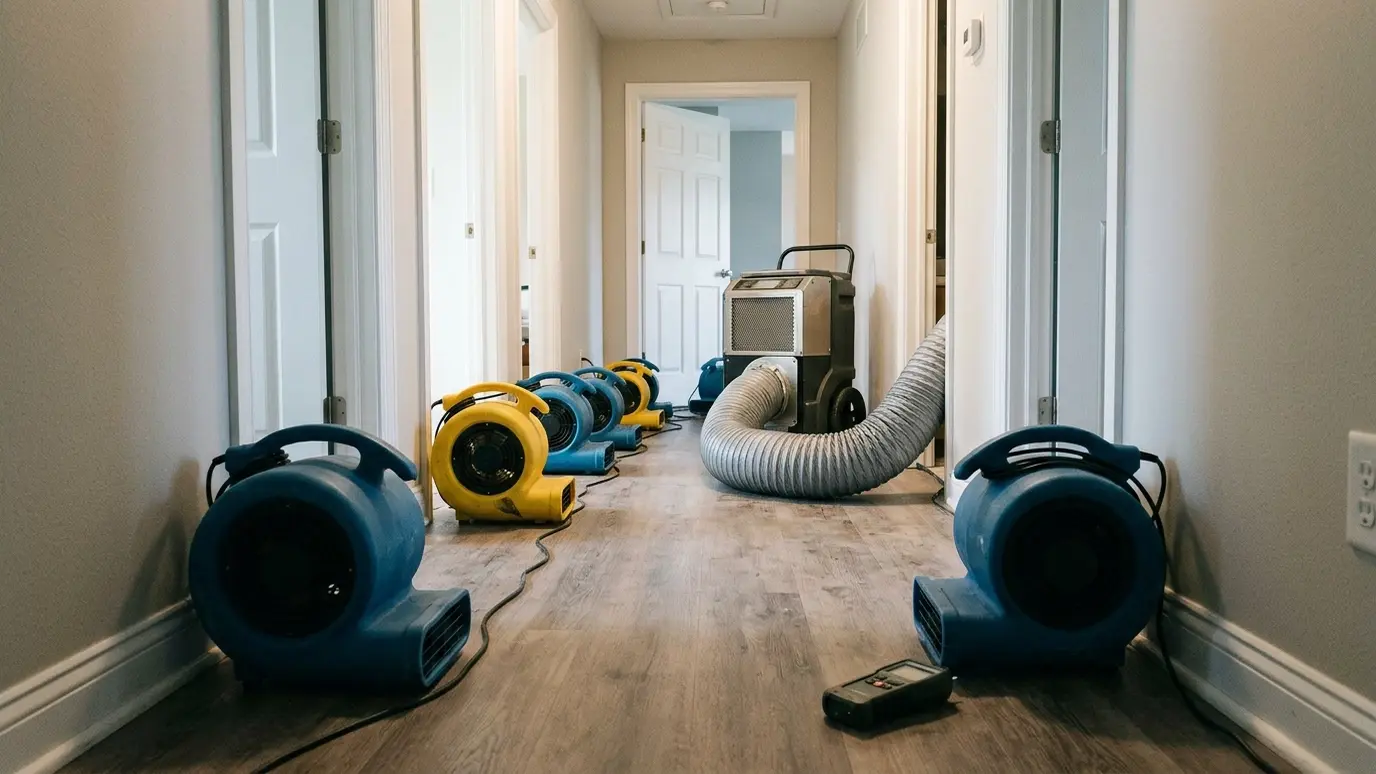 Structural DryingControlled drying of floors, walls and framing using air movers, dehumidifiers and daily moisture readings.Explore
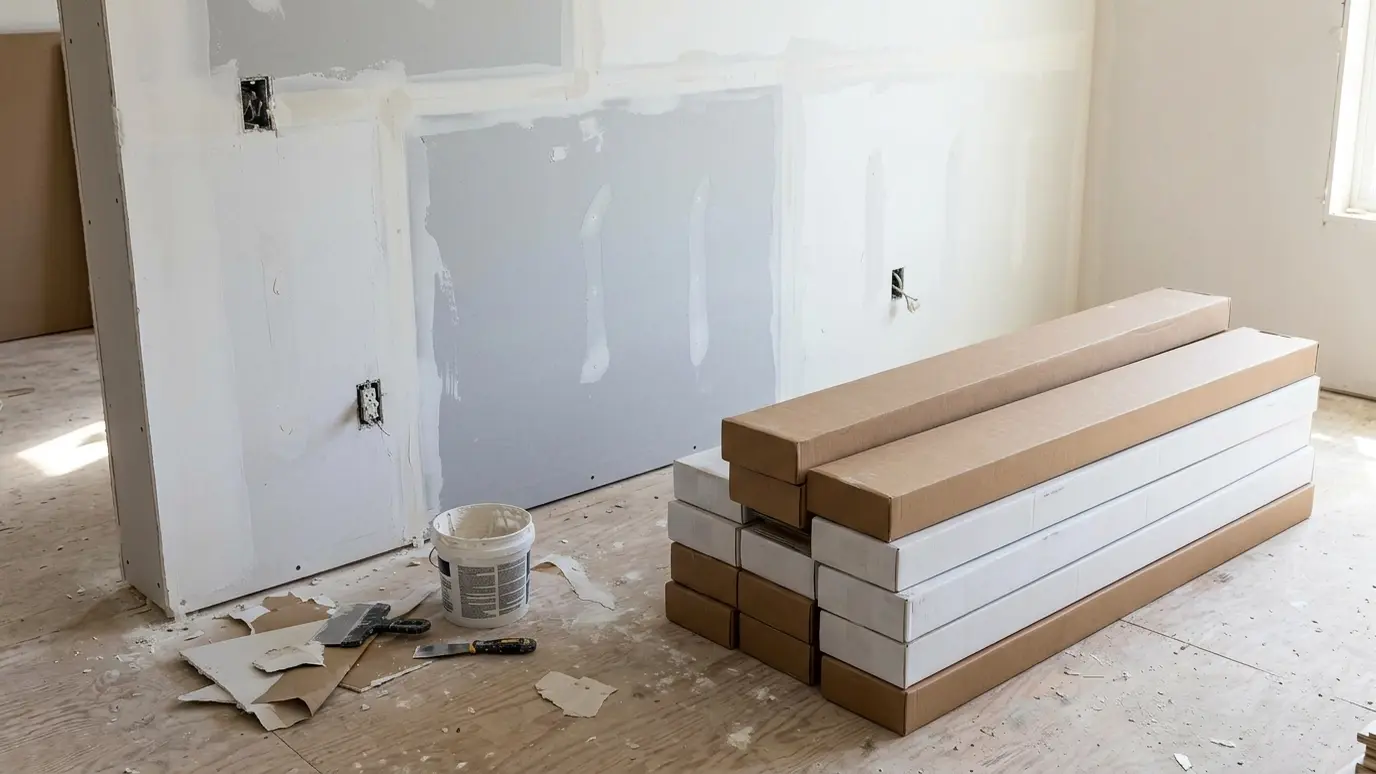 Drywall and Flooring RepairNew drywall, insulation and flooring after water, fire or mold removal, installed and finished to blend with your…Explore
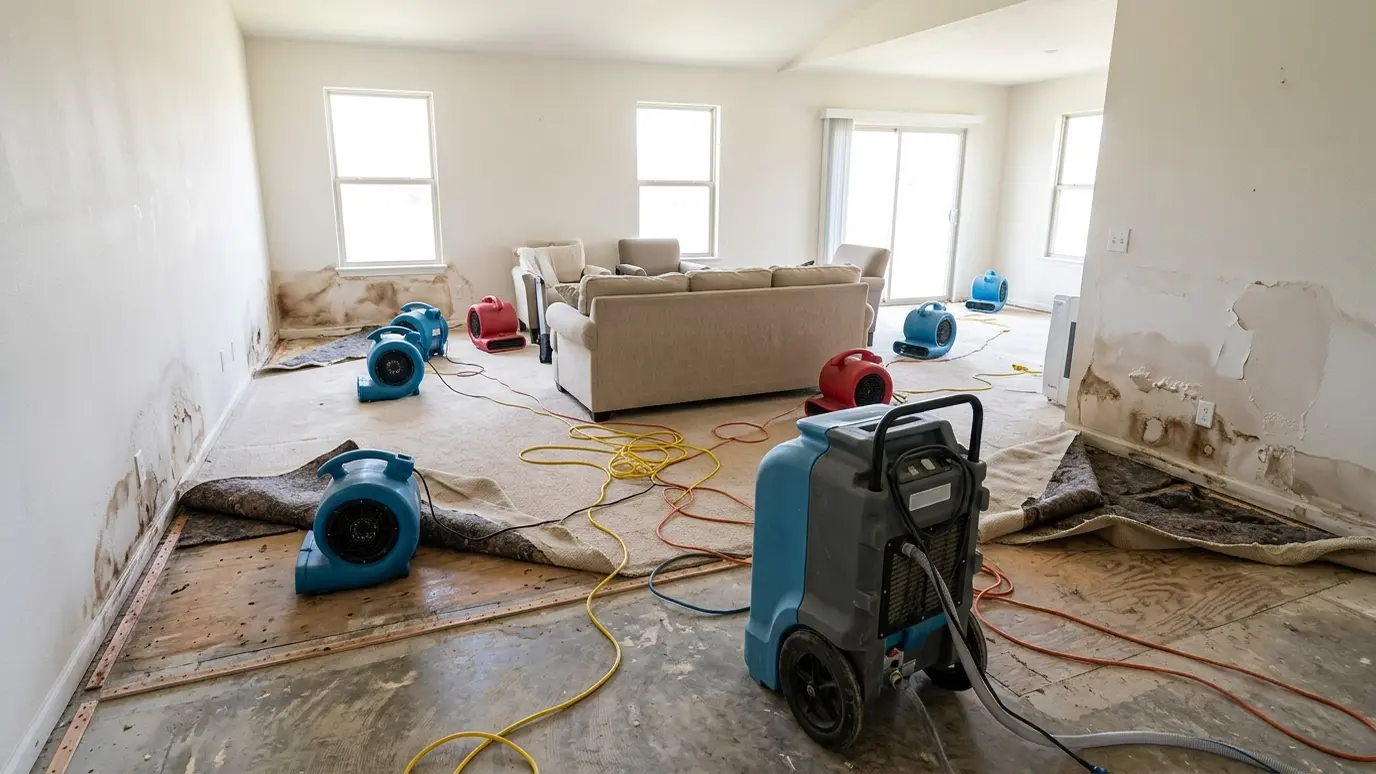 Water Damage RestorationWater removed, structure dried and the damage documented, so your home gets back to normal before mold and…Explore
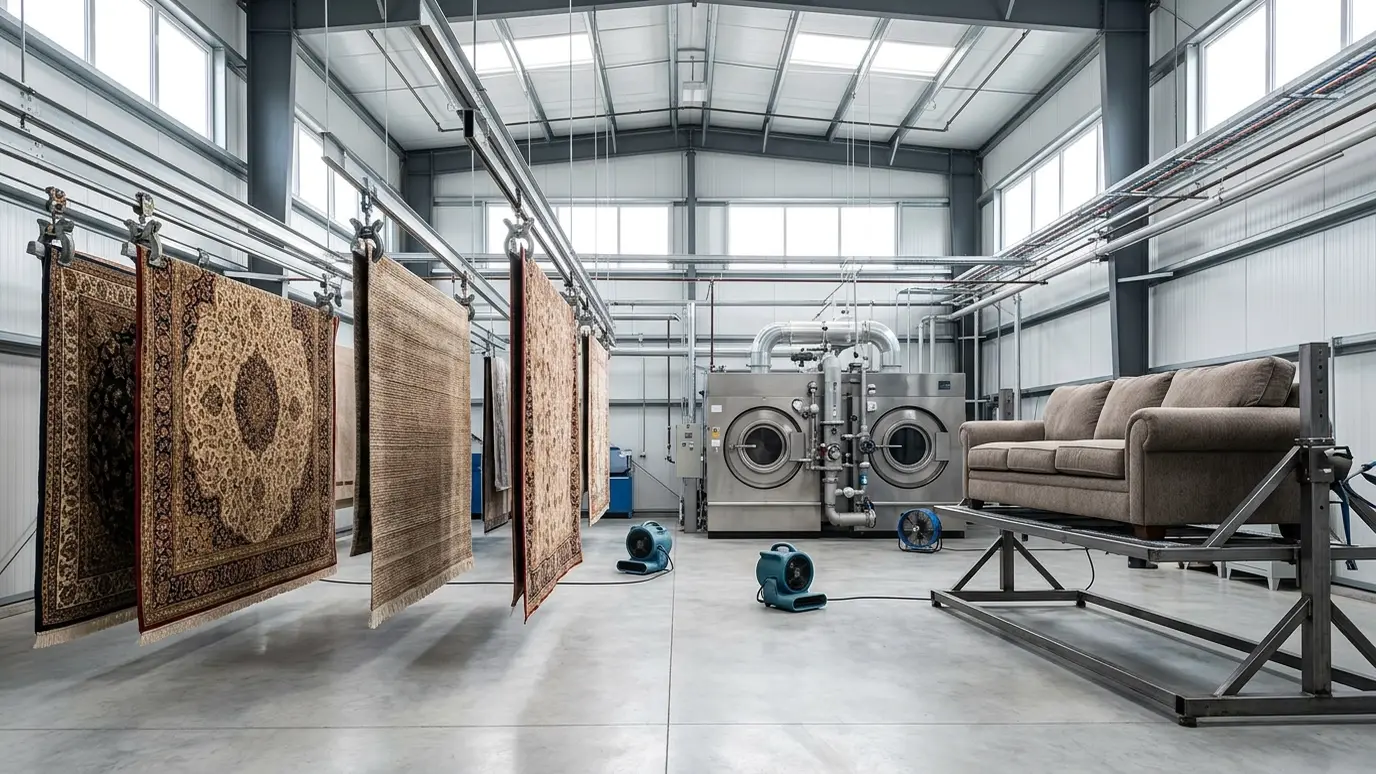 Furniture and TextilesSofas, mattresses, rugs, drapes and clothing cleaned after smoke, soot or water, with honest advice on what to…Explore
Tell us about the job and we will call you back quickly.
Or call (615) 357-7797 to talk now.