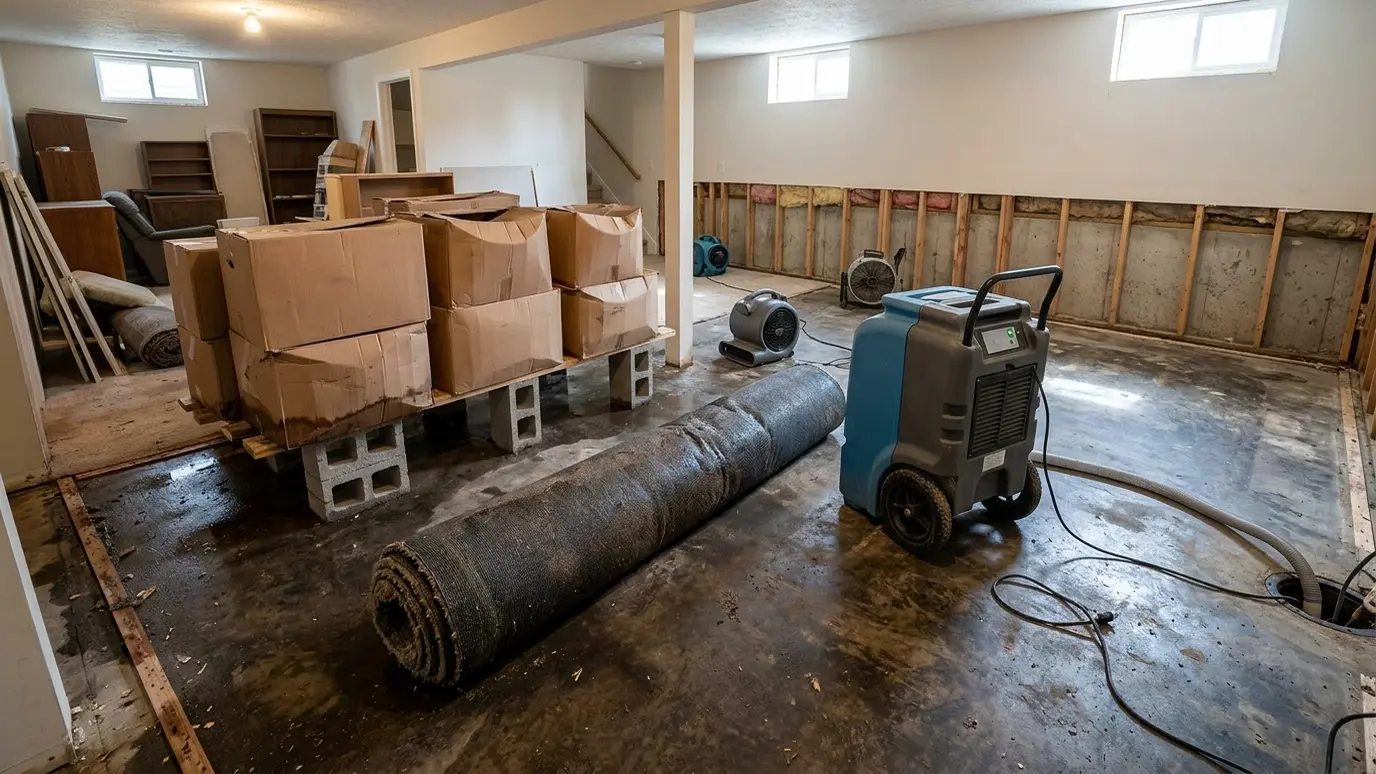
Water removal, cleaning and drying for flooded basements, including finished spaces, storage areas and mechanical rooms.
Basements flood for many reasons: heavy rain, a failed sump pump, a cracked wall, a backed-up drain or a burst water heater. Whatever the cause, a wet basement soaks carpet, drywall, boxes and stored belongings and gets musty fast.
We pump out the water, remove wet carpet and pad, cut back soaked drywall where needed and set up drying equipment suited to a below-grade space. We also look for the source so the problem does not repeat, and we point out repairs such as sump pumps and drainage that may be needed.
Basements are cool and humid, so materials dry slowly without help. Strong dehumidification and steady airflow are the difference between a clean dry-out and a musty one.
Finished basements have carpet, drywall and insulation that hold water. Unfinished ones have concrete and stored items. Each needs its own plan, and we explain both.
Boxes on the floor soak up water quickly. We help you sort what can be dried or cleaned, what should be photographed and discarded and what to move first.
A working sump pump with a battery backup, extended downspouts and good grading around the house prevent many basement floods. We point out what we see so you can plan improvements.
Drag the handle to compare.
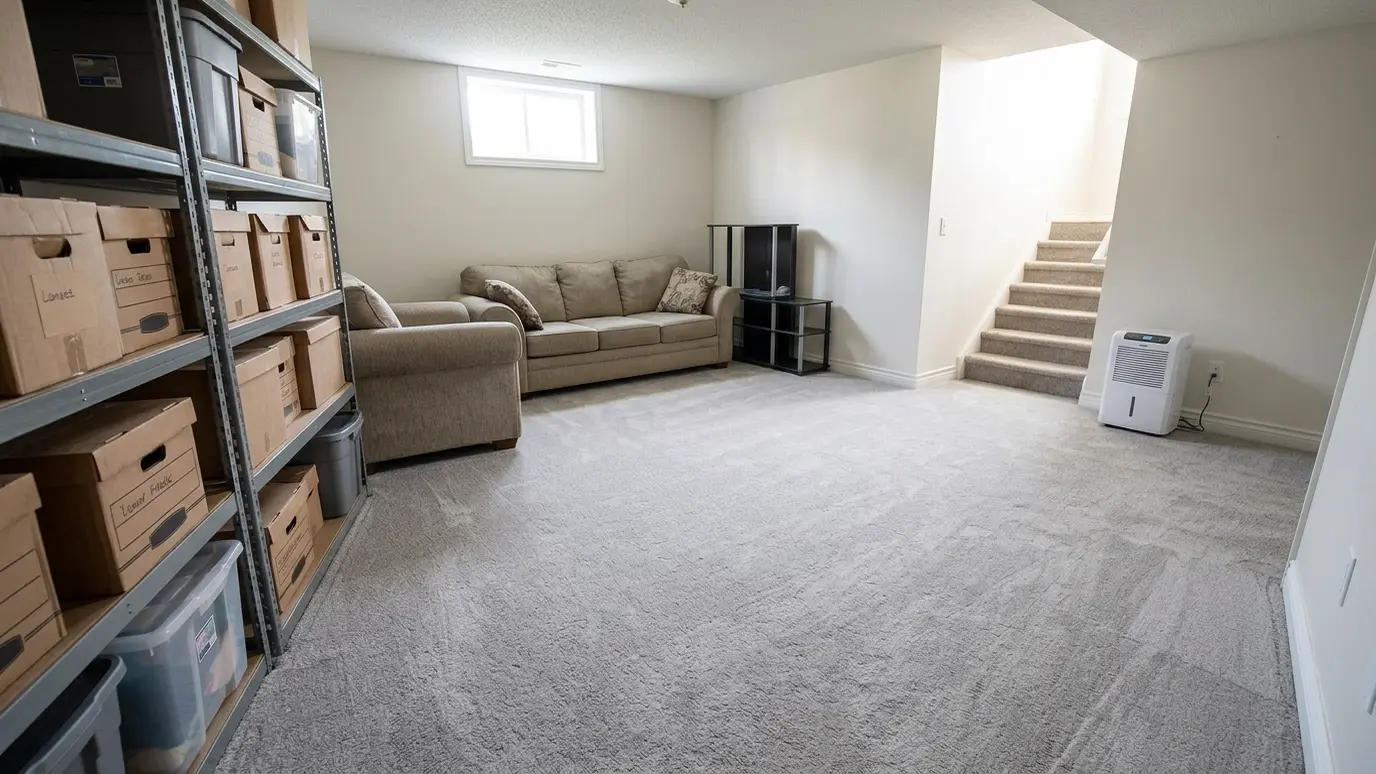
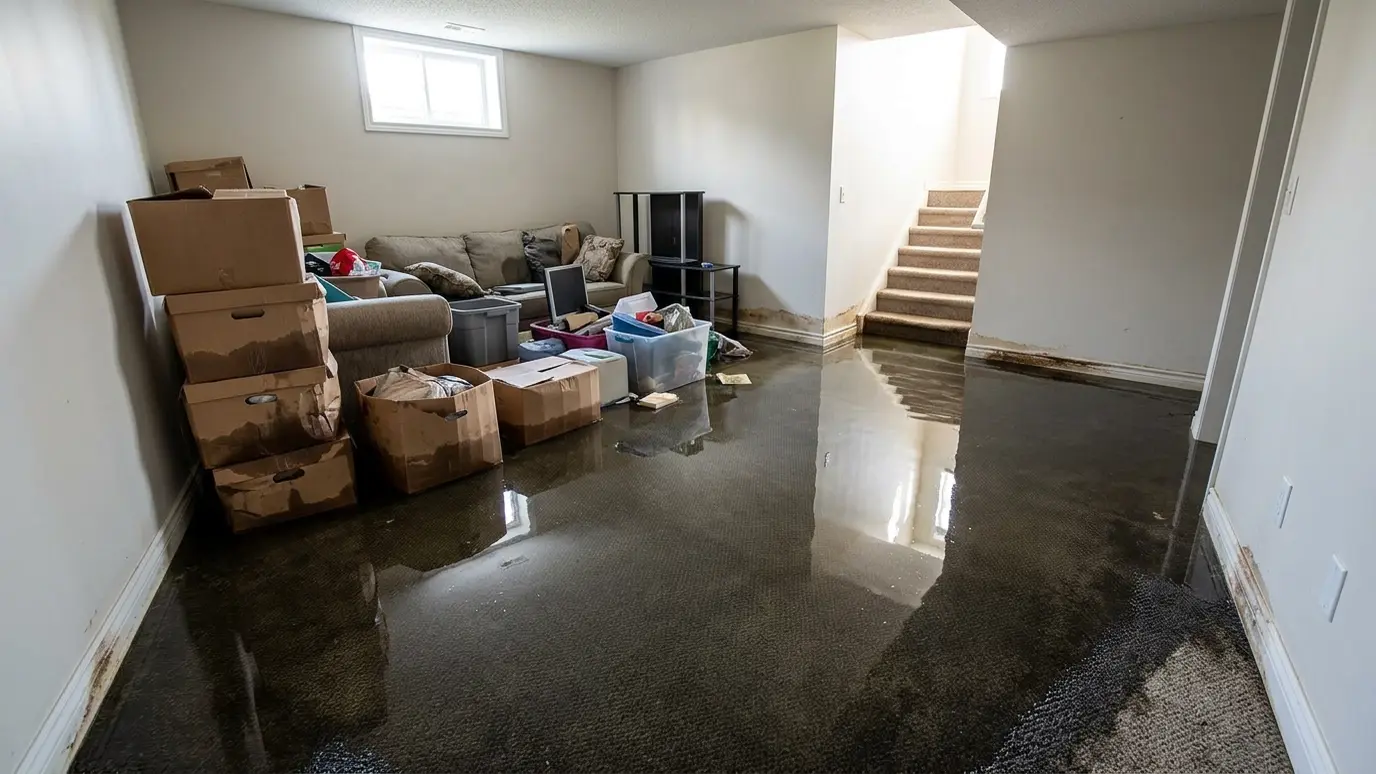 BeforeAfter
Dehumidification built for basements.
We look for why it flooded.
Help sorting what to save.
Wet flooring out fast.
Drying and treatment to stop growth.
Photos and daily readings.
Every topic has its own page with what to expect and how we approach it.
 SituationHomeownersWhat homeowners should expect during a restoration project, from first call to final walk-through, and how to stay…Learn more
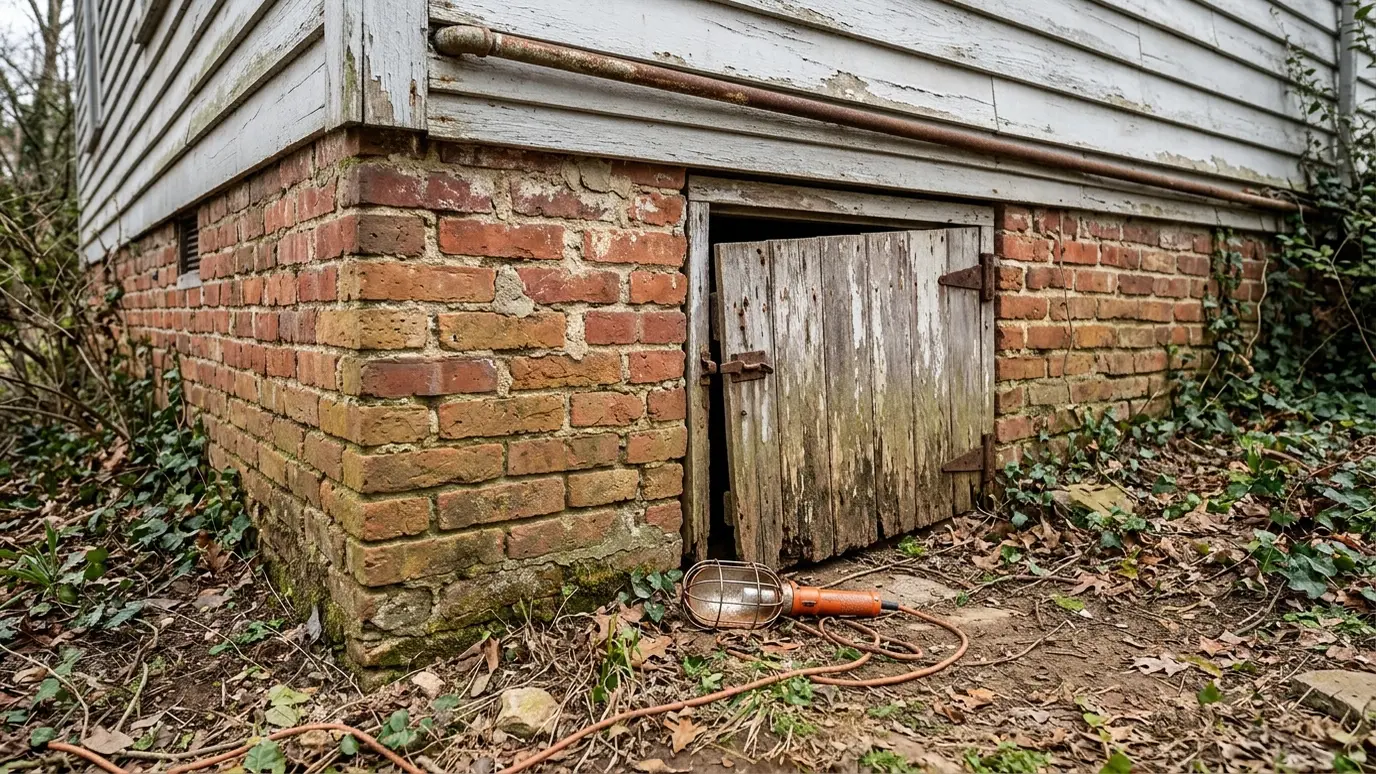 SituationOlder HomesPlaster, old wiring, crawl spaces and aging plumbing make restoration in older homes different. Here is what to…Learn more
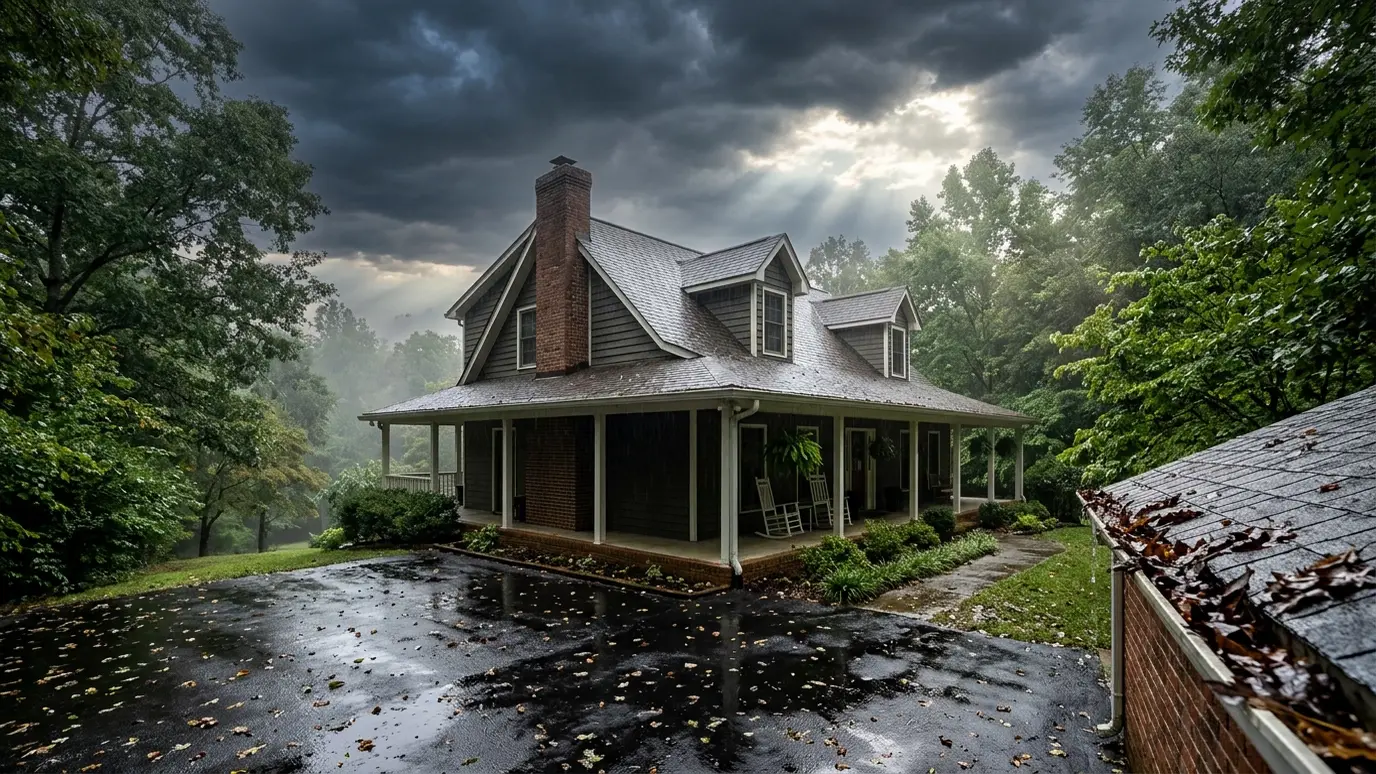 SituationStorm SeasonSpring storms, tornadoes, hail and heavy rain are part of life here. A little preparation reduces damage and…Learn more
Enter the room size and the wet area and see a planning count of air movers, dehumidifier capacity and typical drying days.
Tell us what happened and send photos if you can. We guide you on safety and plan the visit.
We find the source, map the damage with meters and thermal imaging and explain the plan.
Water extraction, board-up, tarping and removal of materials that cannot be saved.
Air movers, dehumidifiers and careful cleaning, with containment for fire and mold work.
Moisture readings and equipment adjustments until the structure is dry.
Repairs, paint and a final walk-through, with records you can keep.
Common causes are heavy rain, failed sump pumps, poor grading, cracked walls and backed-up drains. We look for the source while we dry, so you can fix it.
Often yes, if work starts quickly. Carpet and wet drywall may need to be replaced, while framing and concrete dry and clean well.
Dry the space fully, clean surfaces and keep humidity low. A dehumidifier and good airflow matter most.
Move what you can safely carry to a dry area and wear protection. We help you sort the rest and can pack out belongings.
If water collects around your foundation, a sump pump is a common solution. A plumber or foundation specialist can advise.
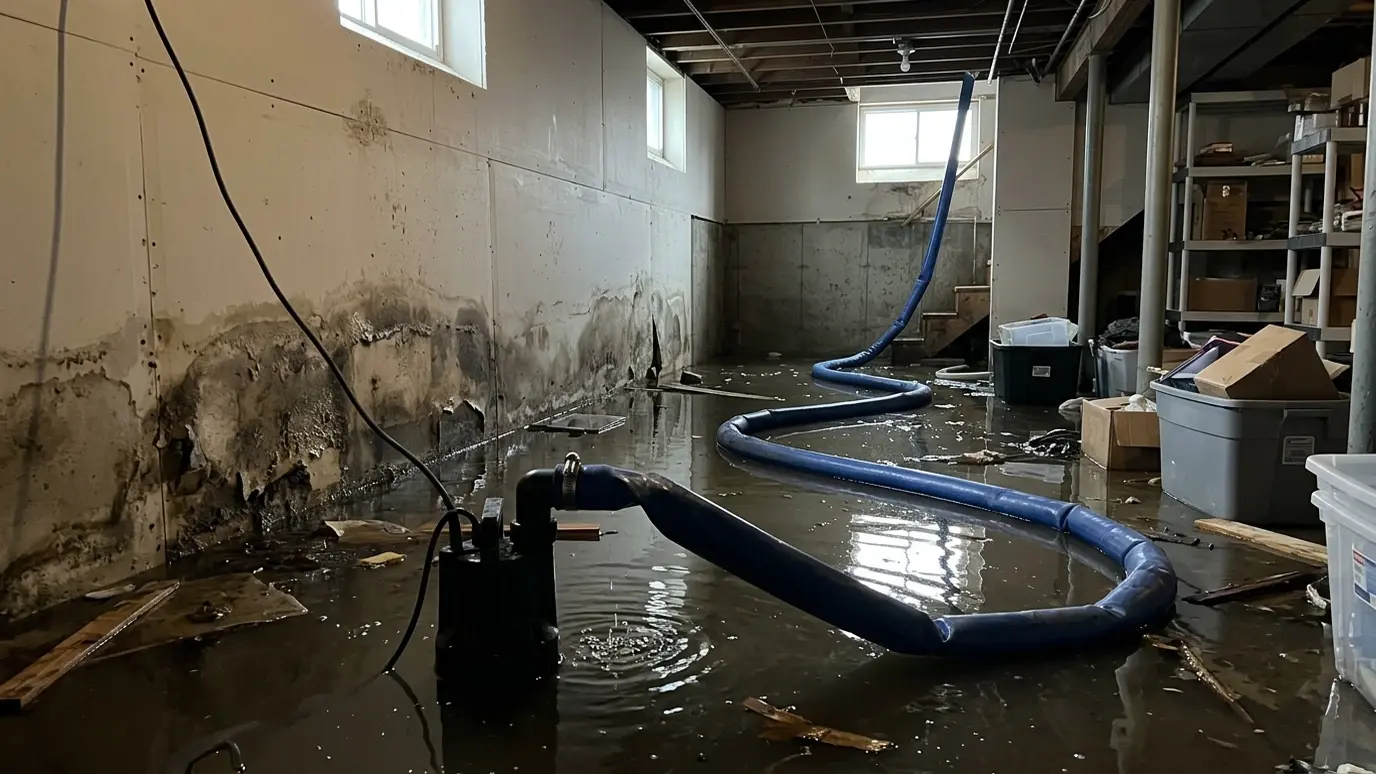 Flood Water ExtractionPumps and extractors remove standing water from basements, first floors and crawl spaces, the first step in any…Explore
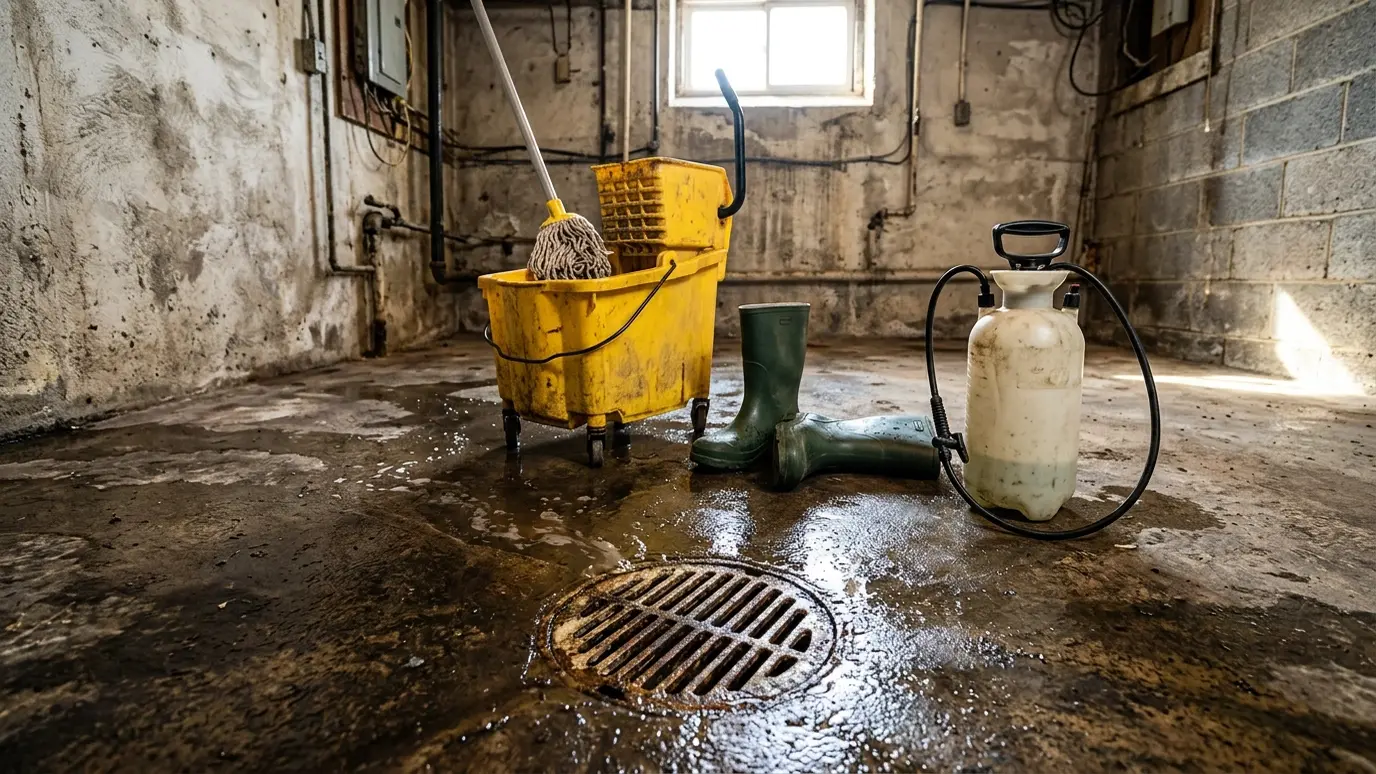 Sewage Backup CleanupSafe, thorough cleanup of sewage that has backed up into a home, with protective gear, disinfection and careful…Explore
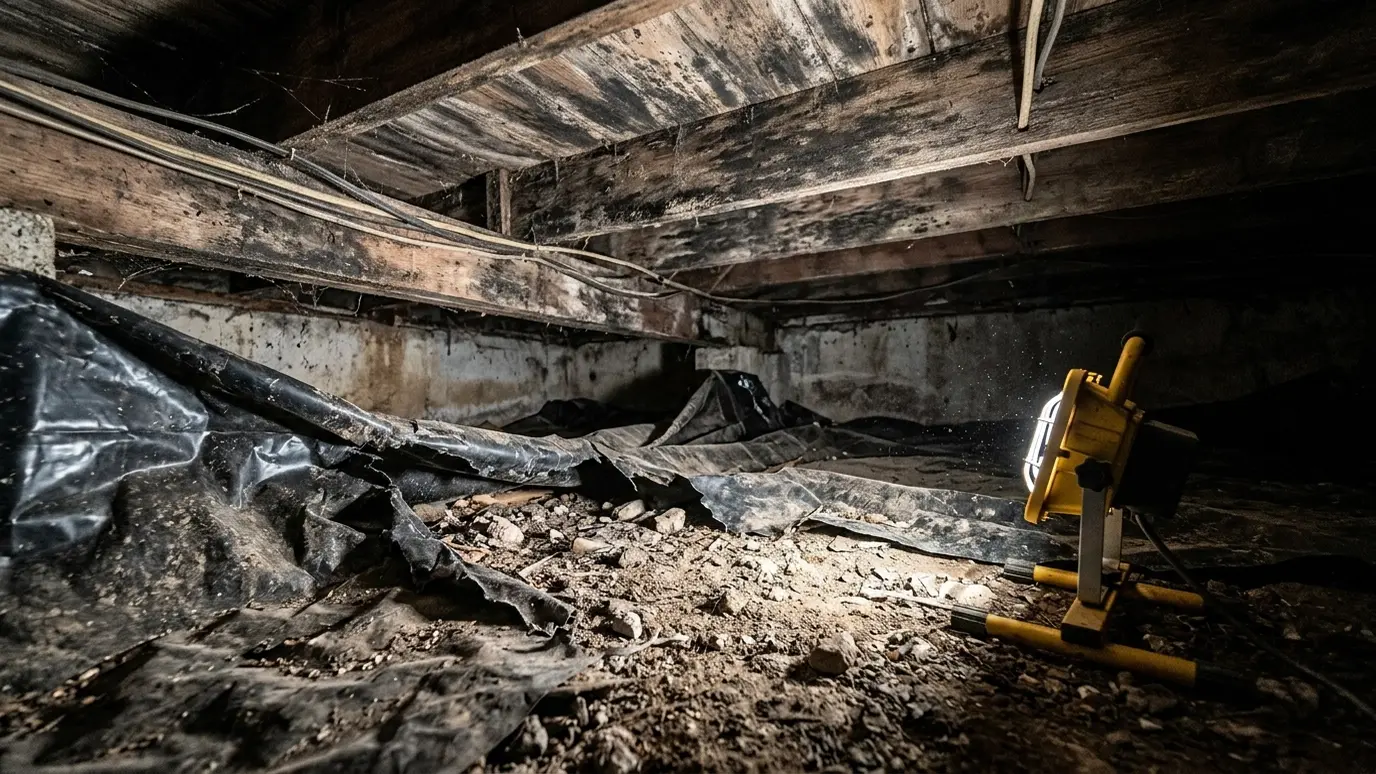 Attic and Crawl Space MoldMold on roof sheathing, joists and subfloors removed, with moisture and ventilation problems fixed so it stays gone.Explore
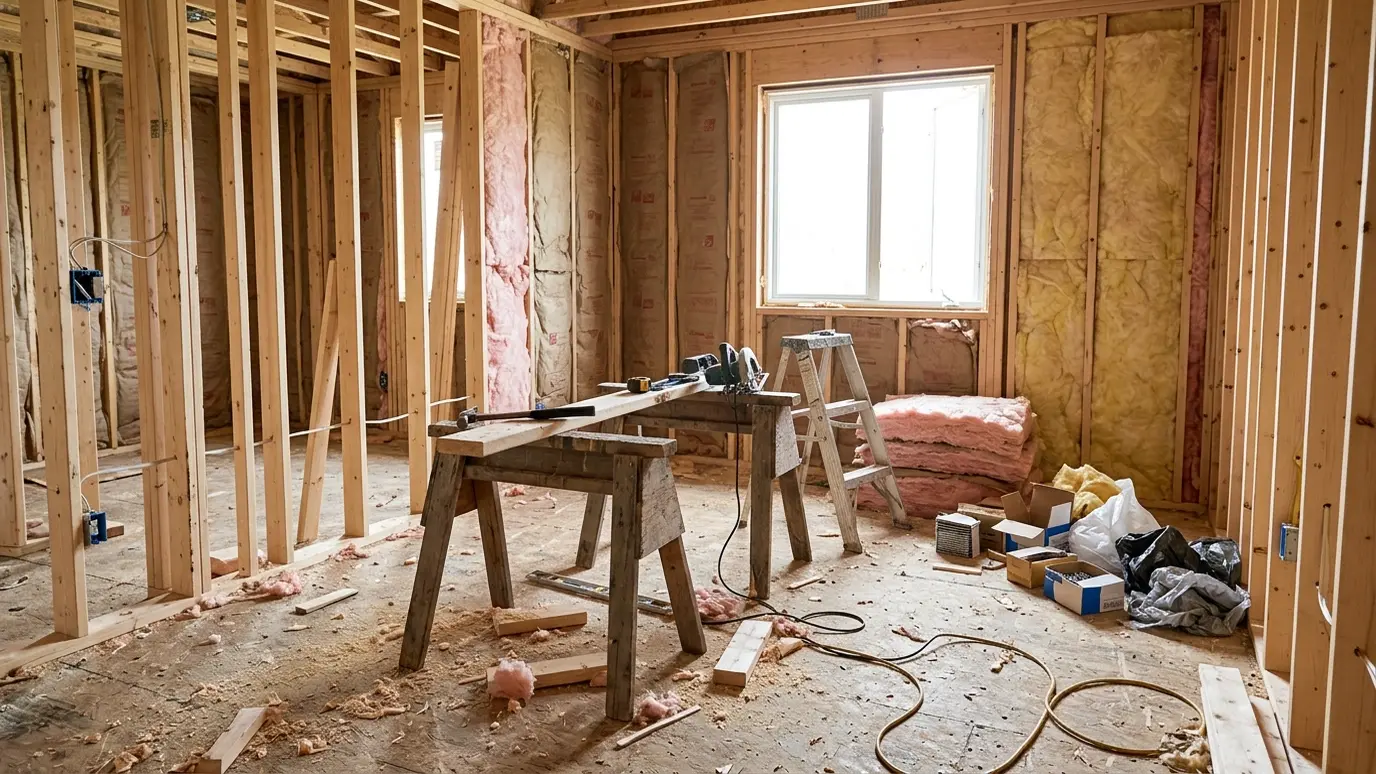 Reconstruction and RebuildFrom drying to the final coat of paint: repairs and rebuilding coordinated so your home is restored to…Explore
Tell us about the job and we will call you back quickly.
Or call (615) 357-7797 to talk now.