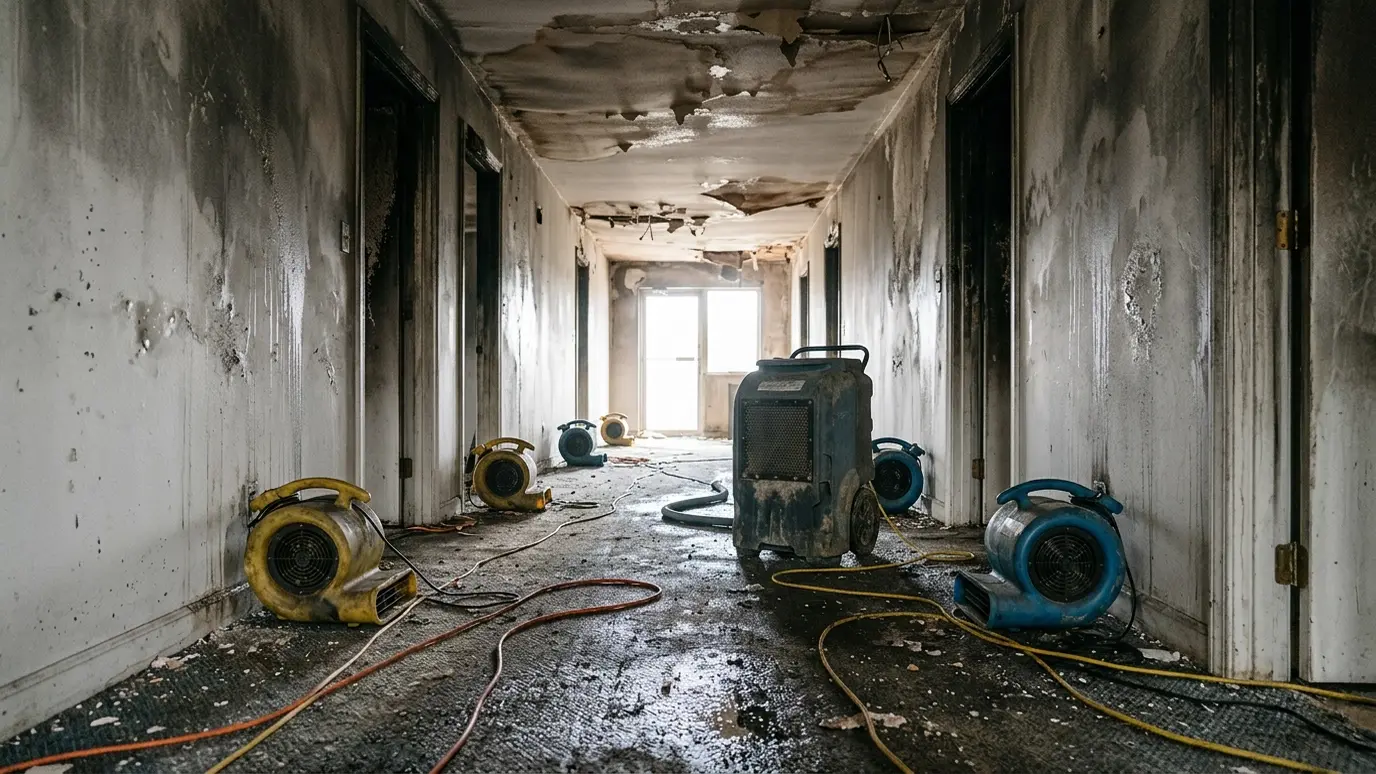
The water used to put out a fire soaks floors, walls and ceilings. We extract it fast and dry the structure before mold joins the loss.
Firefighters use a lot of water, and it goes everywhere: through ceilings, down walls and into floors below the fire. In a few days, mold can add to the damage, and soot-laden water stains surfaces permanently.
We remove standing water, open wet areas and dry the structure while we clean soot, so one problem is not left to cause another. Water that mixed with soot and debris is treated as contaminated, and we handle it with the right protection.
Water from a fire carries ash and chemicals. It stains porous materials and should be removed quickly. Porous items that soaked in it are often replaced.
Water runs down from where the fire was fought. Ceilings below may hold pooled water that has to be released safely before it falls.
We dry and clean at the same time, so rooms do not sit wet while soot is cleaned. This shortens the whole recovery.
Photographs of rooms, ceilings and wet belongings help your claim. We add moisture logs and a record of what we removed and why.
Drag the handle to compare.
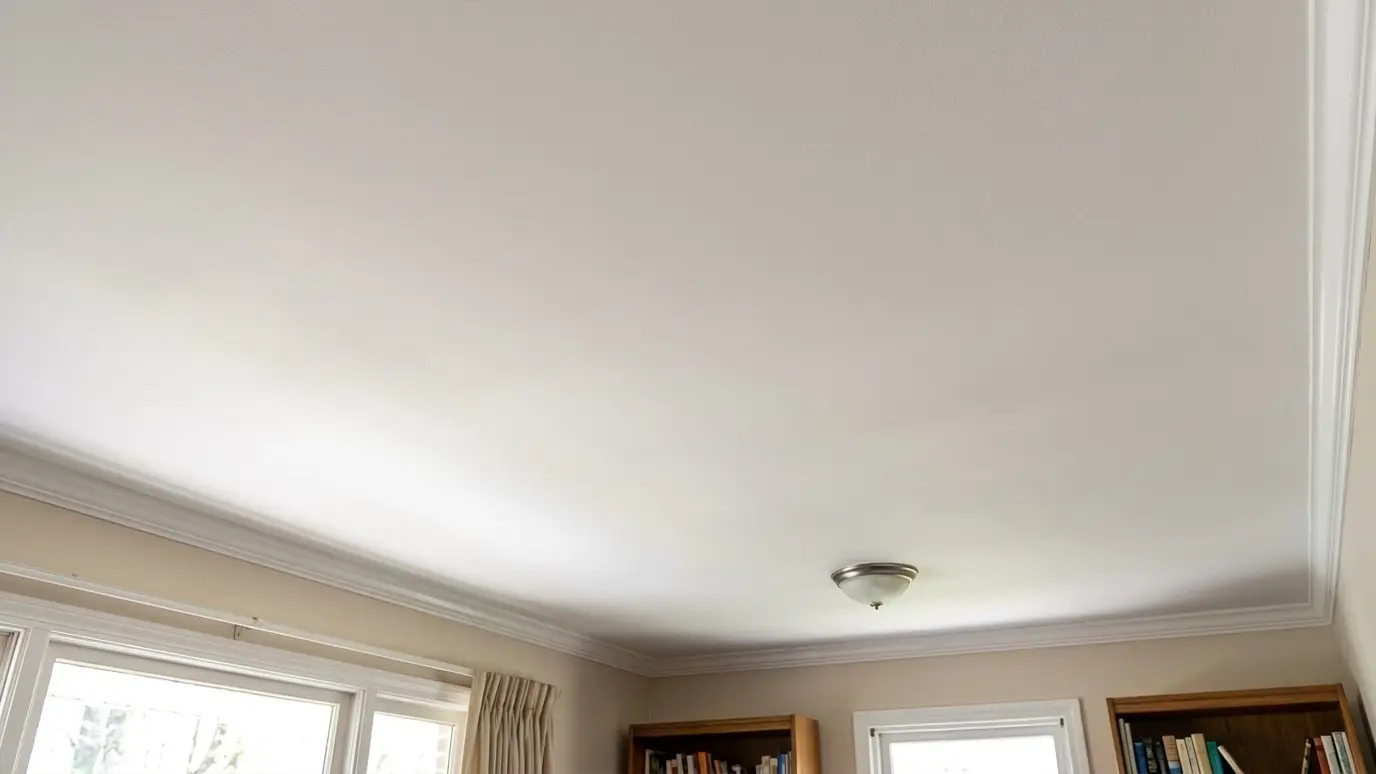
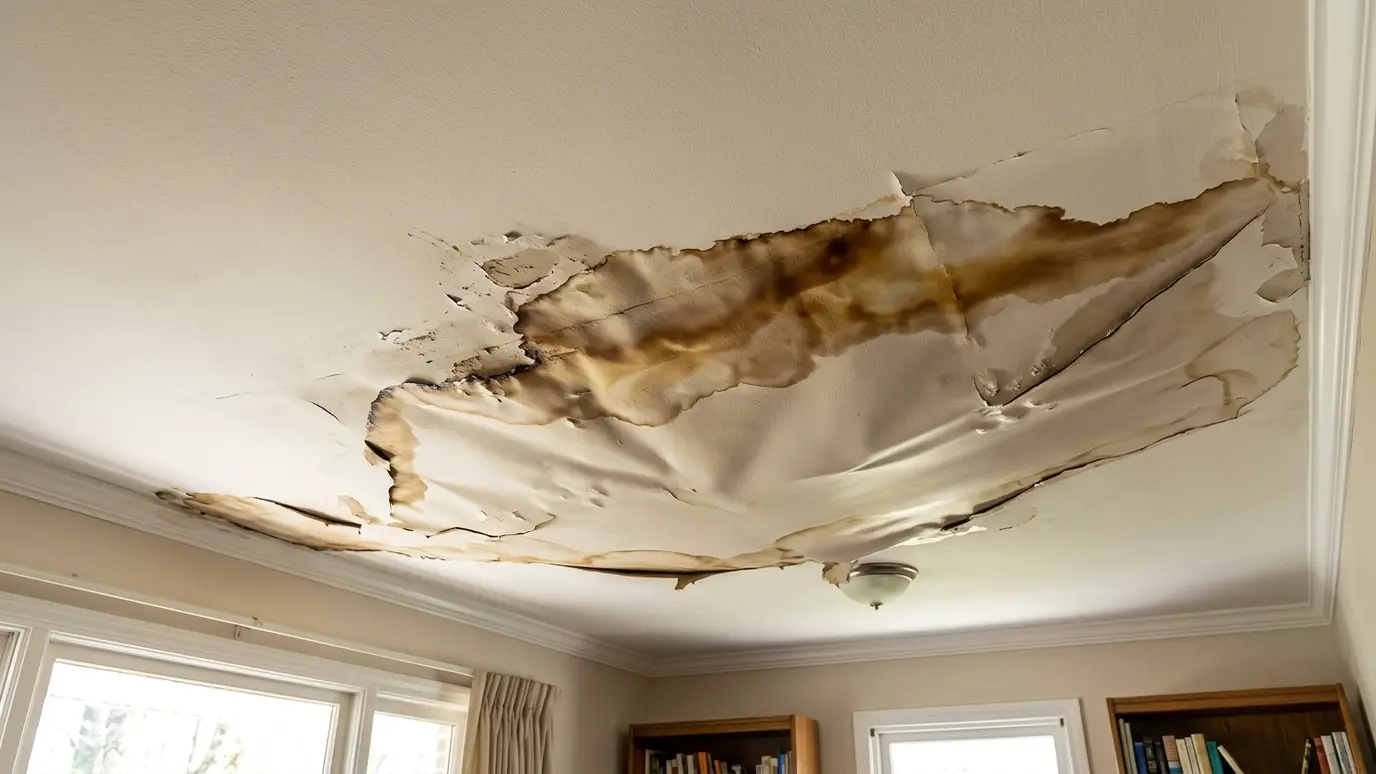 BeforeAfter
Extraction before it soaks deeper.
Trapped water released safely.
Air movers and dehumidifiers on site.
Cleaning and drying in step.
Protective methods for soot water.
Photos and readings kept.
Every topic has its own page with what to expect and how we approach it.
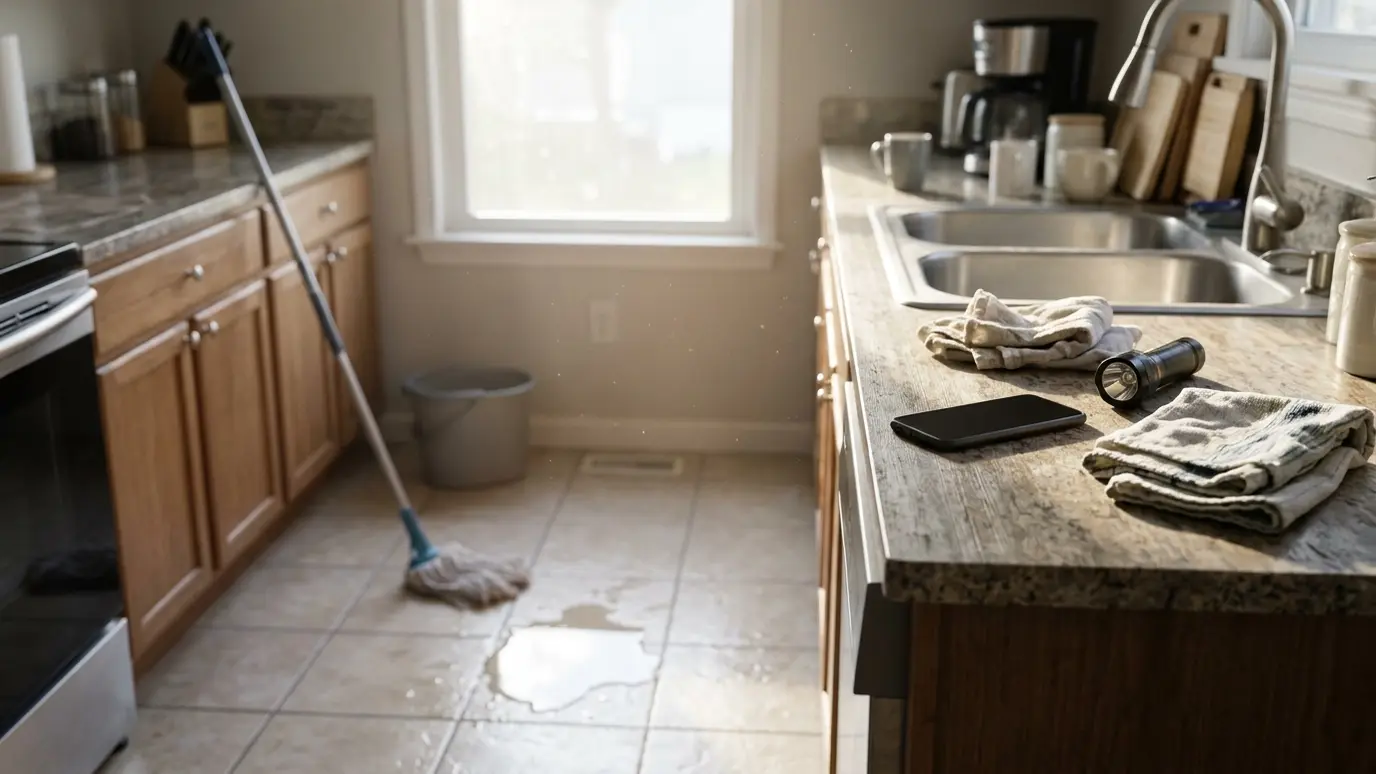 SituationThe First HoursThe first hours after water, fire or storm damage decide how big the problem gets. Here is what…Learn more
 SituationInsurance and ClaimsA plain-English guide to documenting a loss, talking with your insurance company and keeping a claim organized.Learn more
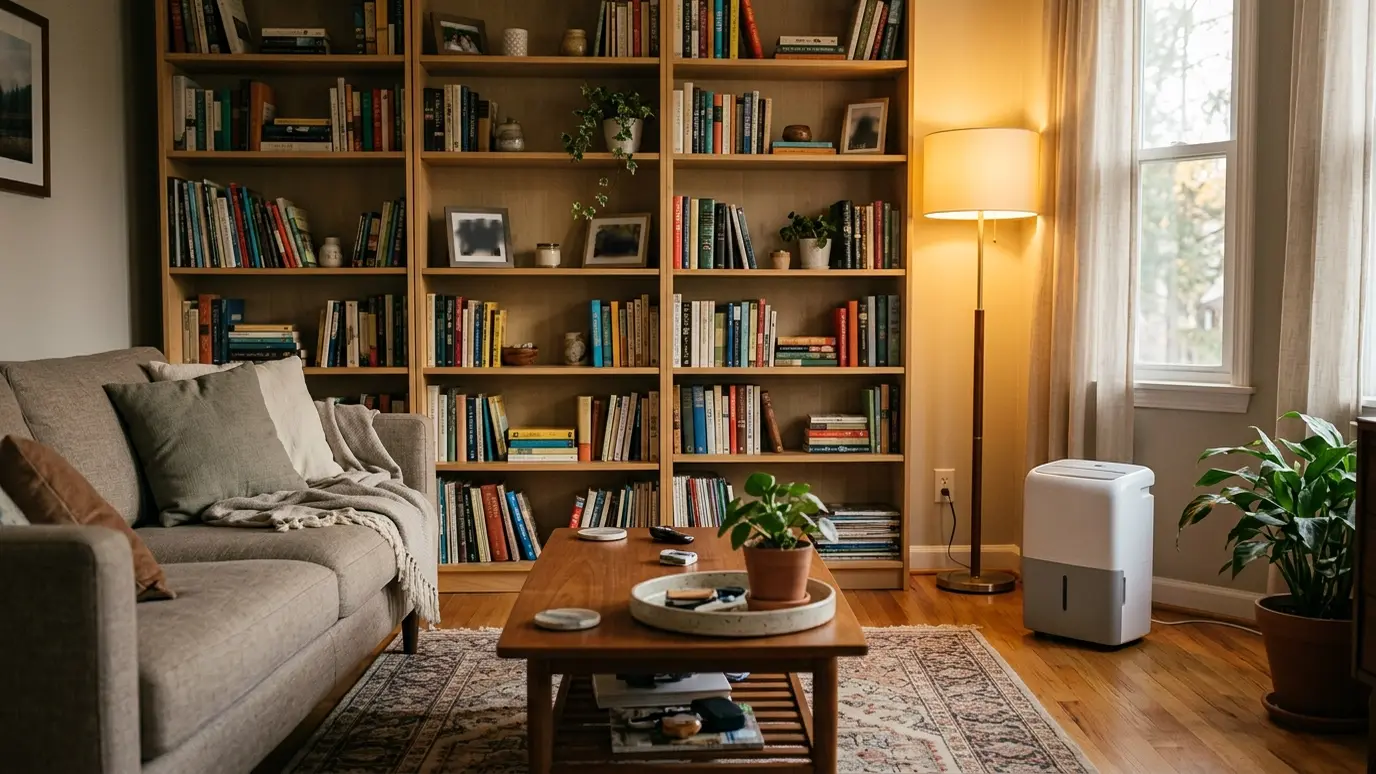 SituationHomeownersWhat homeowners should expect during a restoration project, from first call to final walk-through, and how to stay…Learn more
Enter the room size and the wet area and see a planning count of air movers, dehumidifier capacity and typical drying days.
Tell us what happened and send photos if you can. We guide you on safety and plan the visit.
We find the source, map the damage with meters and thermal imaging and explain the plan.
Water extraction, board-up, tarping and removal of materials that cannot be saved.
Air movers, dehumidifiers and careful cleaning, with containment for fire and mold work.
Moisture readings and equipment adjustments until the structure is dry.
Repairs, paint and a final walk-through, with records you can keep.
Yes. Water from firefighting can lead to mold in days. Fast drying is the best protection.
Both are important, and doing them together works best. Wet soot sets stains quickly.
Do not stand under them. We drain them safely and remove damaged drywall.
Often several days, longer for thick materials. We keep readings until the structure is dry.
The fire department puts out the fire. Cleanup and drying are separate and should begin soon after.
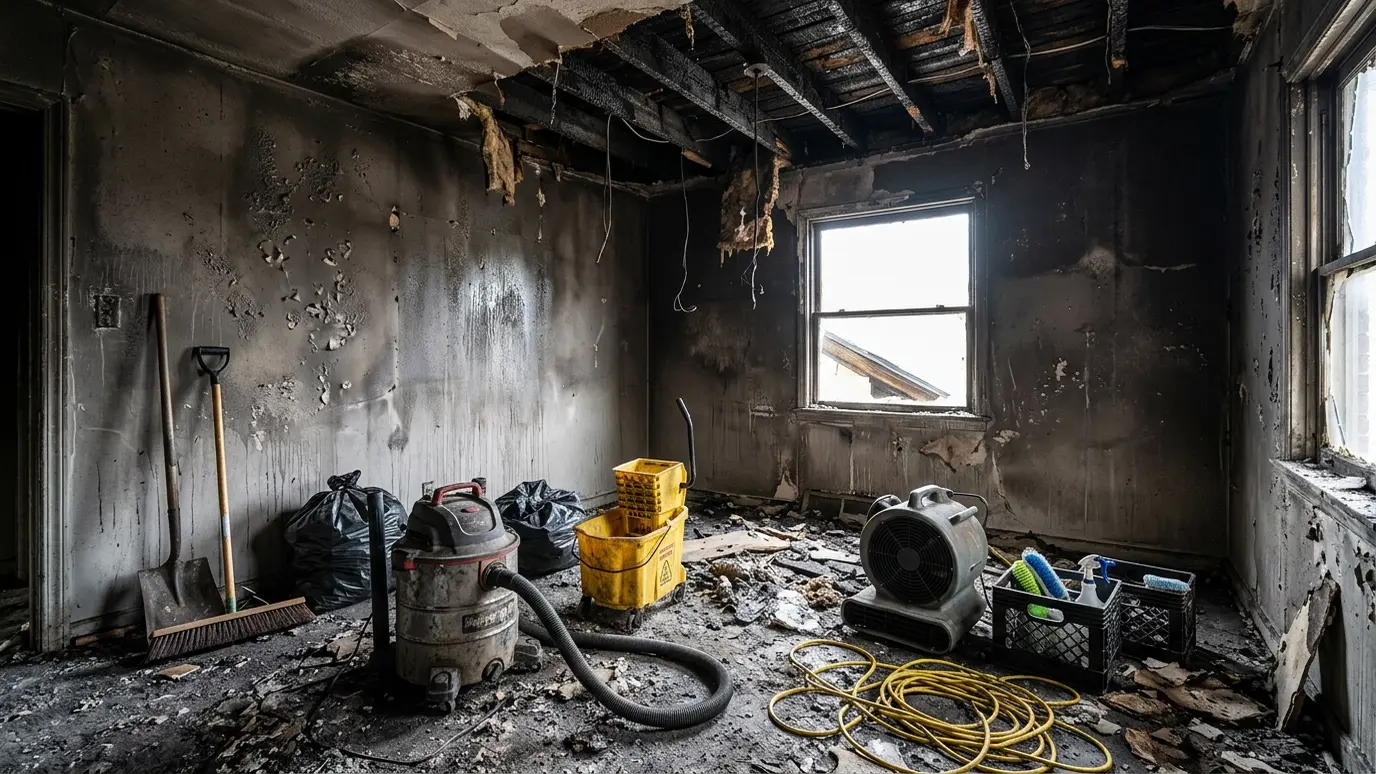 Fire Damage RestorationCleaning, deodorizing and rebuilding after a fire, from soot and smoke removal to structural repair and returning your…Explore
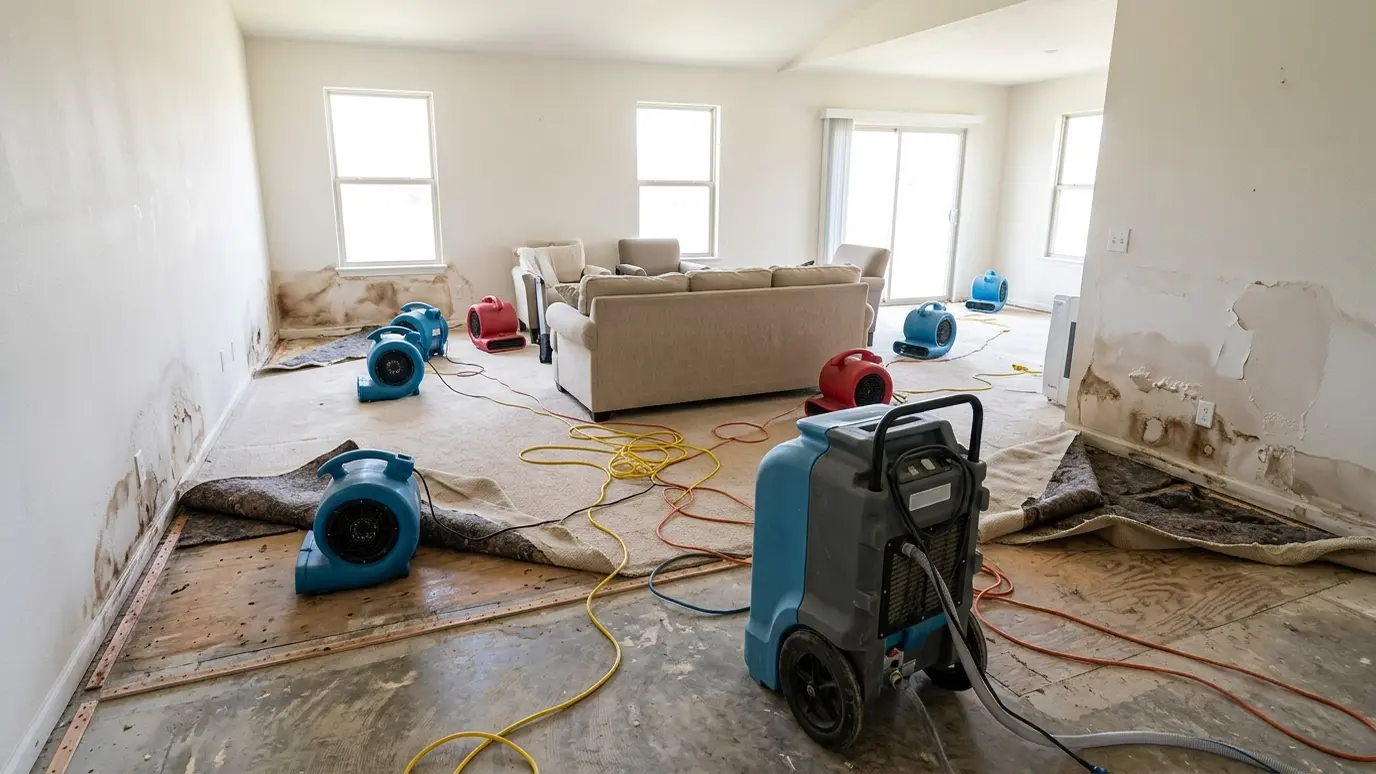 Water Damage RestorationWater removed, structure dried and the damage documented, so your home gets back to normal before mold and…Explore
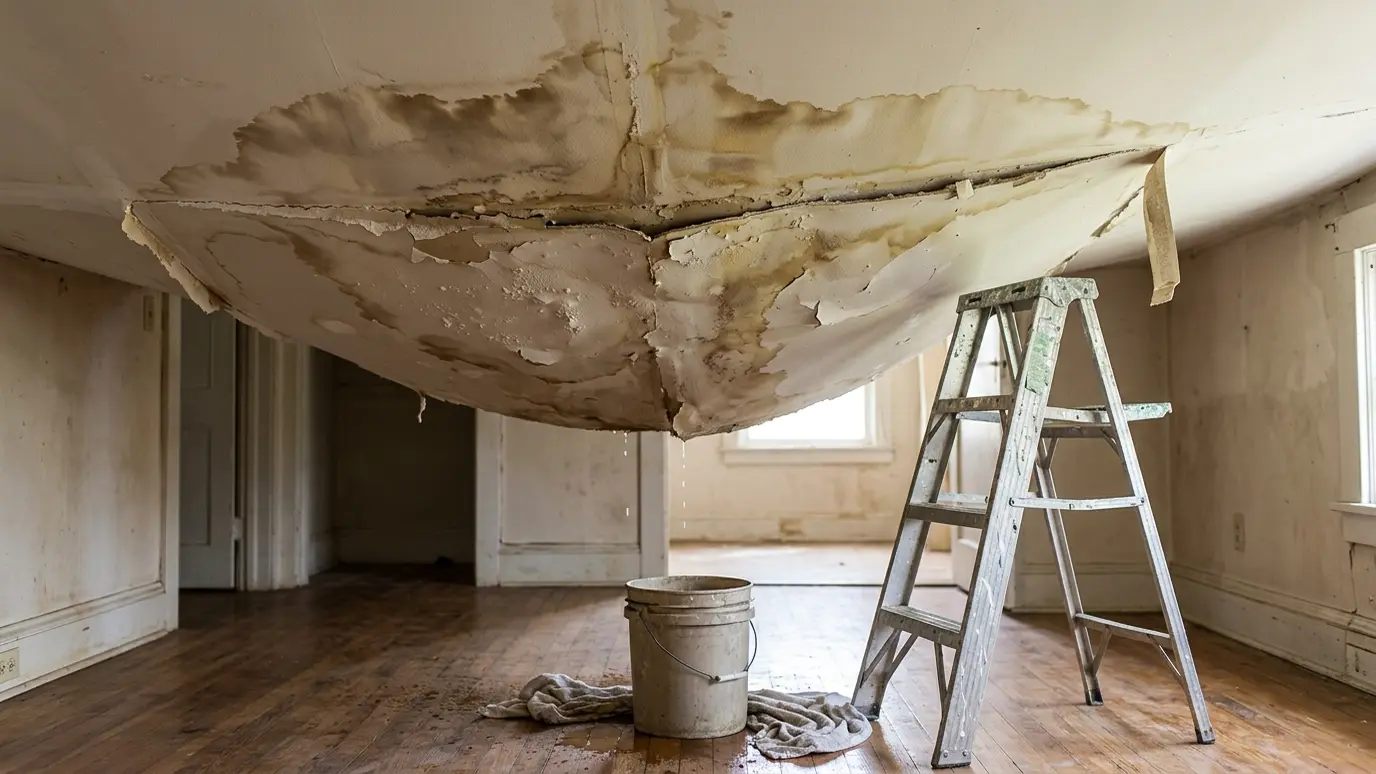 Ceiling and Wall DamageStained, sagging or wet ceilings and walls dried, opened where needed and repaired, with the source found first.Explore
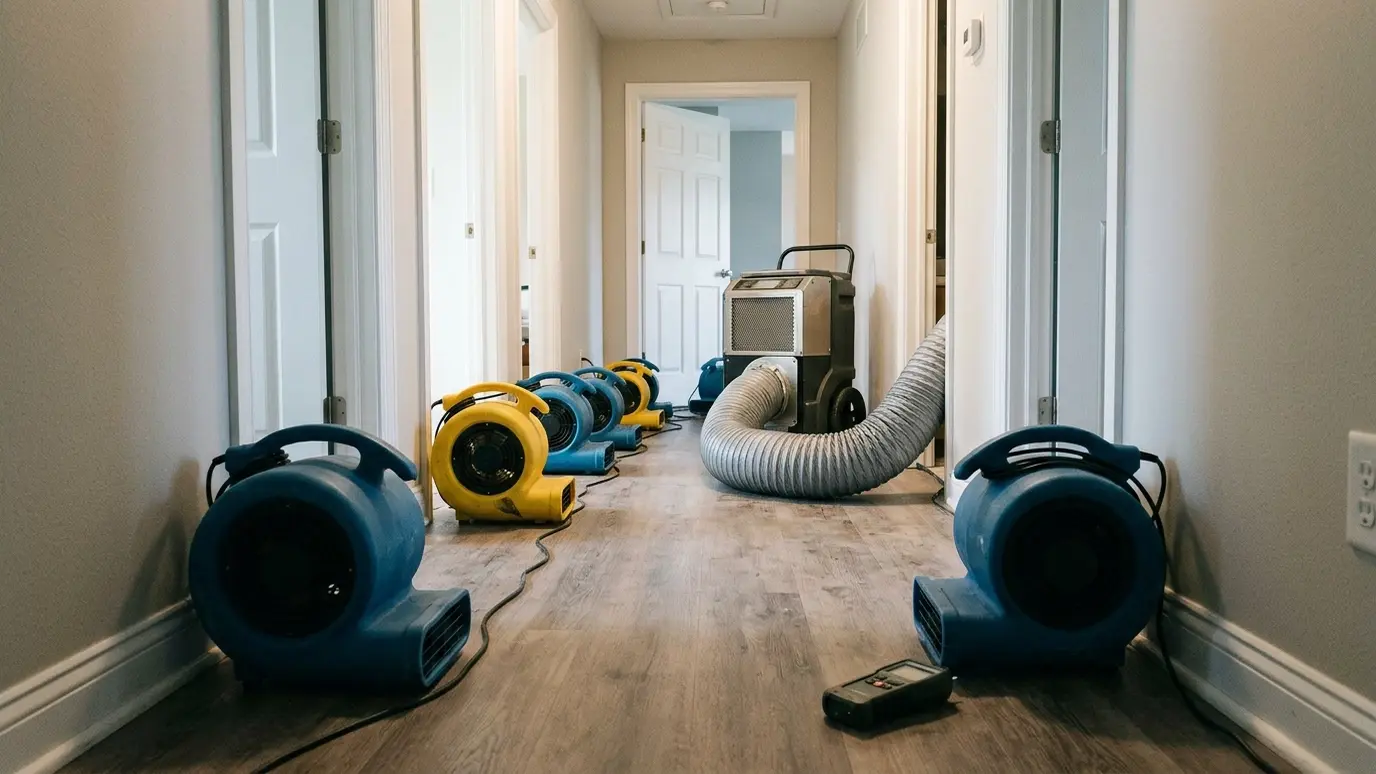 Structural DryingControlled drying of floors, walls and framing using air movers, dehumidifiers and daily moisture readings.Explore
Tell us about the job and we will call you back quickly.
Or call (615) 357-7797 to talk now.