Moisture mapping, visual inspection and sampling that tell you where mold is, what is feeding it and what to do about it.
A musty smell, a stain that keeps coming back or health symptoms that ease when you leave the house can all point to mold. An inspection finds out where it is, how far it has spread and what is keeping the space damp.
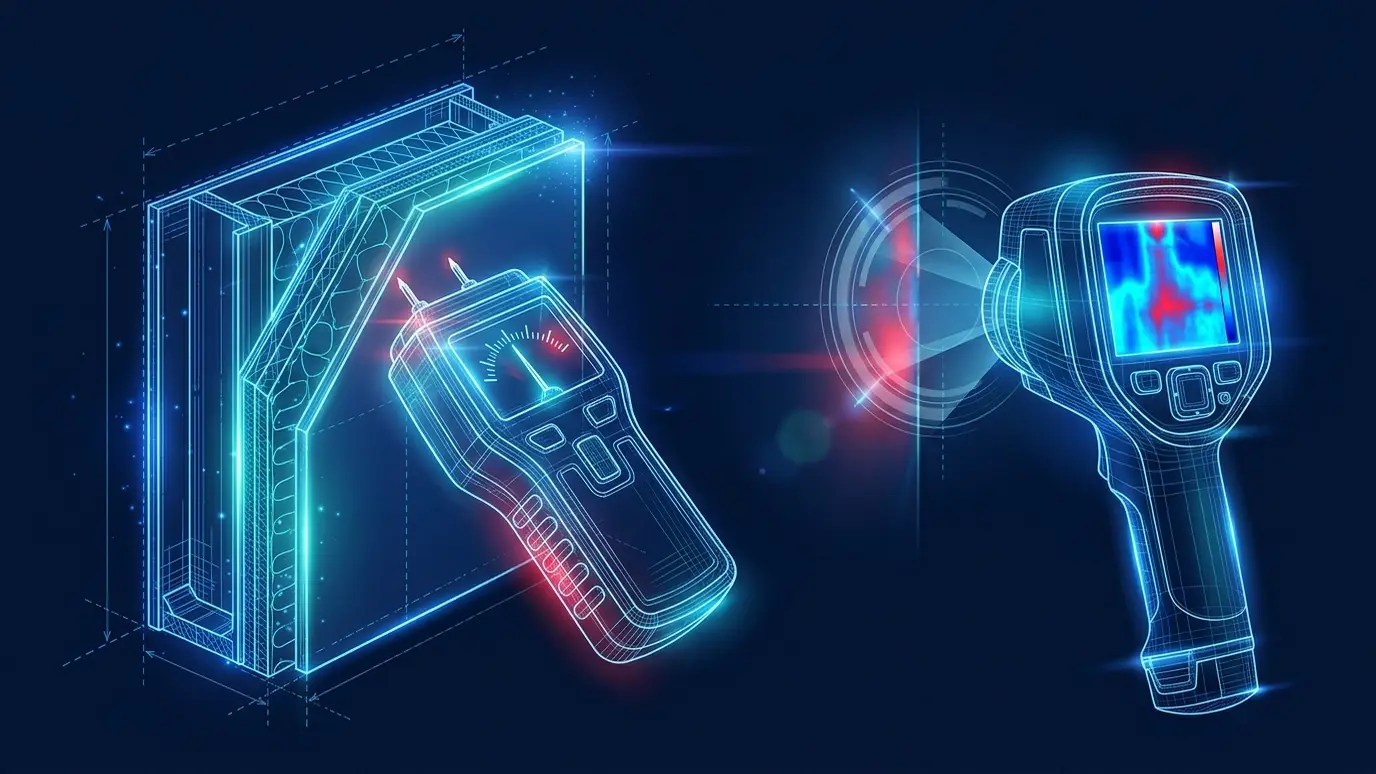
We check humidity, take moisture readings, use thermal imaging to find cool wet spots and look in the places mold likes: closets, HVAC areas, crawl spaces, attics and behind furniture. When sampling is useful, we explain what each sample can and cannot tell you.
Mold grows where it is damp. A moisture map often tells more than a lab report, because it shows what is feeding the growth and what to fix.
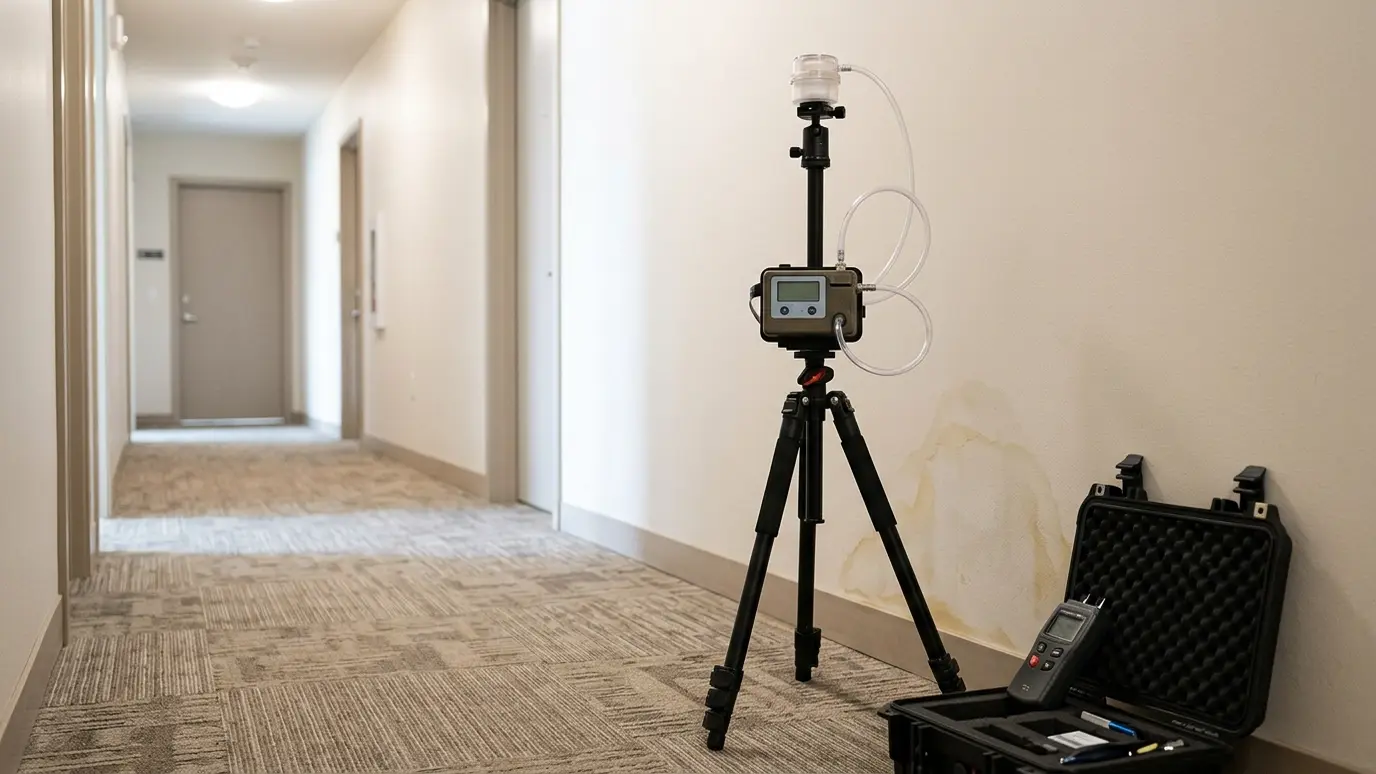
Air samples compare indoor spores with outdoors. Surface and tape samples identify what is growing on a spot. We explain which sample suits your concern.
Mold is everywhere at low levels. Testing is useful when it answers a specific question, such as whether an area was cleaned properly or where a smell comes from.
Be cautious of anyone who offers a quick, expensive treatment without checking moisture first. A good inspection focuses on cause and next steps.
Drag the handle to compare.
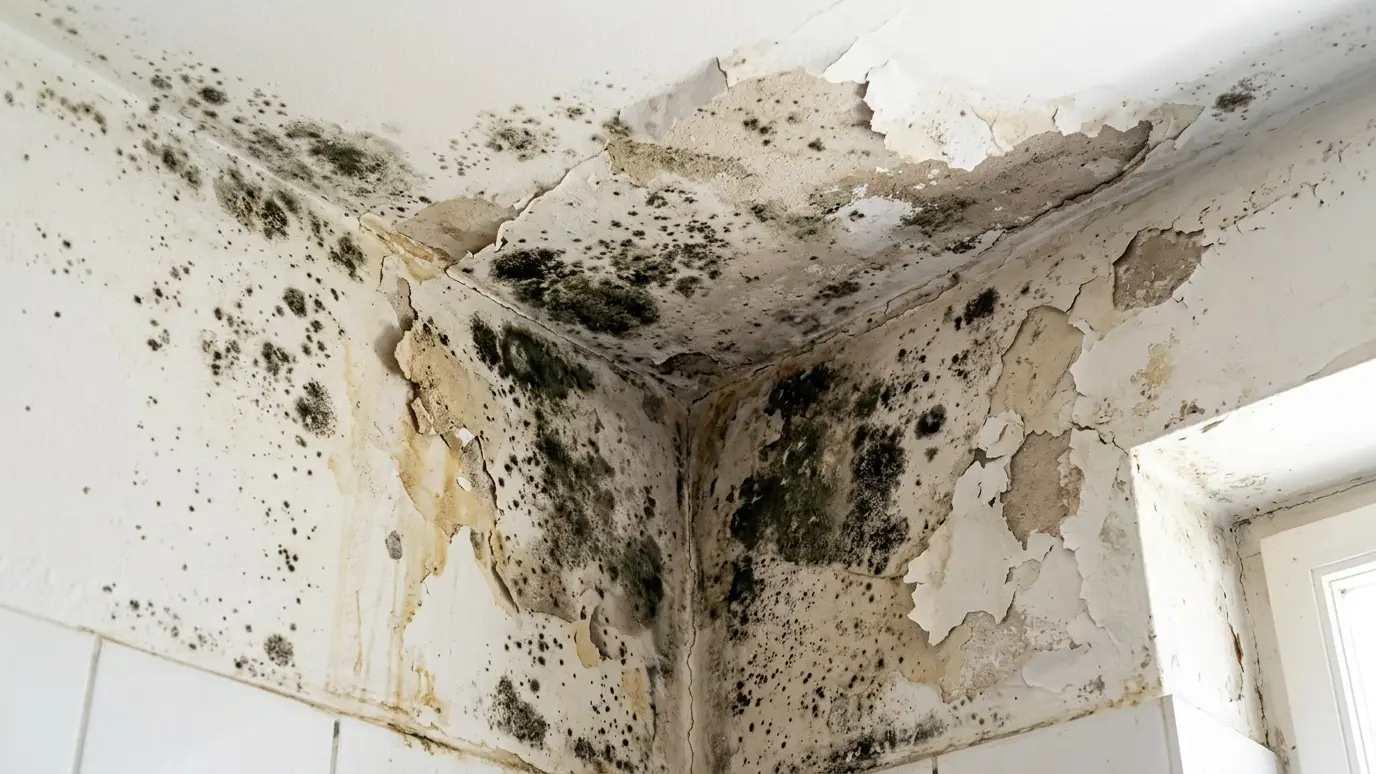 BeforeAfter
Meters and thermal imaging.
Hidden spots checked.
Air, surface and tape lifts.
Findings documented.
What it means and what to do.
Remediation only when needed.
Every topic has its own page with what to expect and how we approach it.
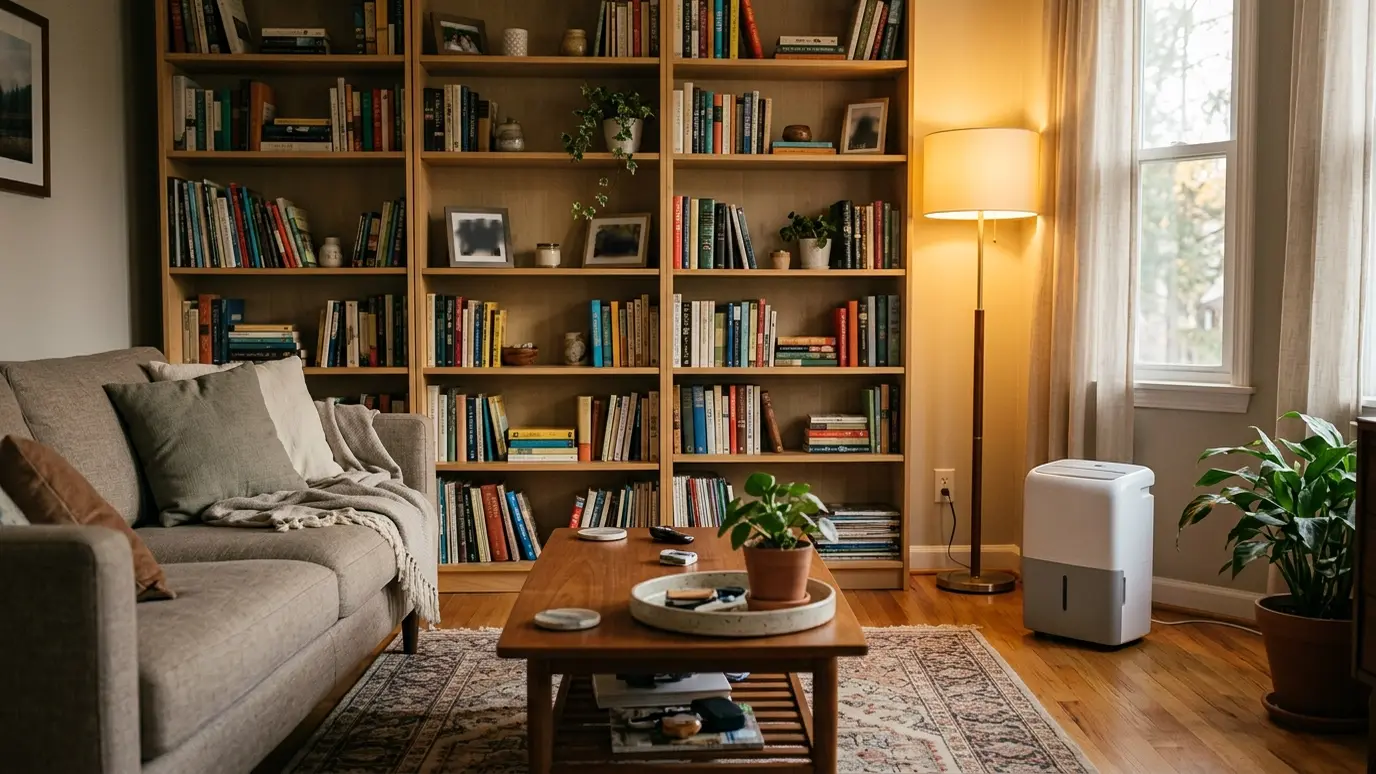 SituationHomeownersWhat homeowners should expect during a restoration project, from first call to final walk-through, and how to stay…Learn more
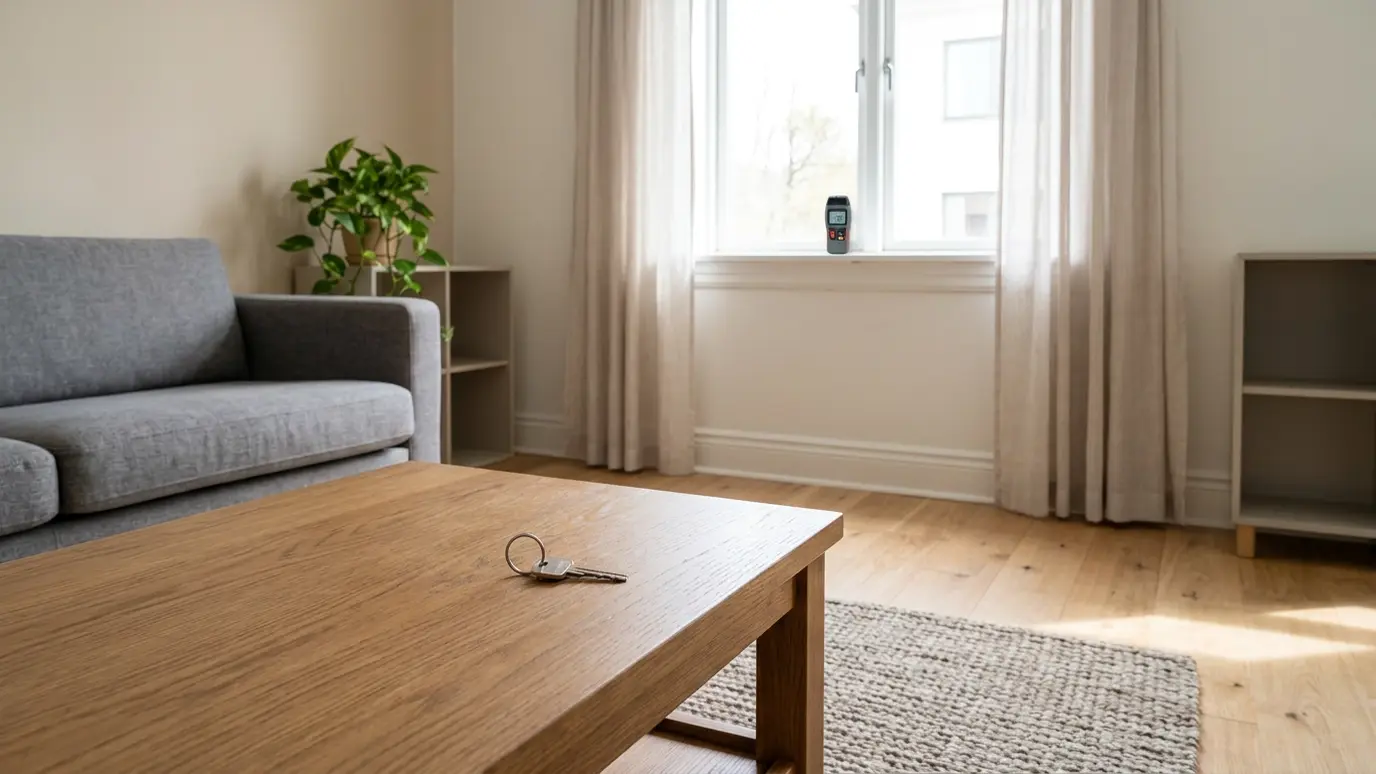 SituationLandlords and RentalsRestoring rental homes and apartments quickly, with tenant coordination, documentation and a focus on getting the unit back…Learn more
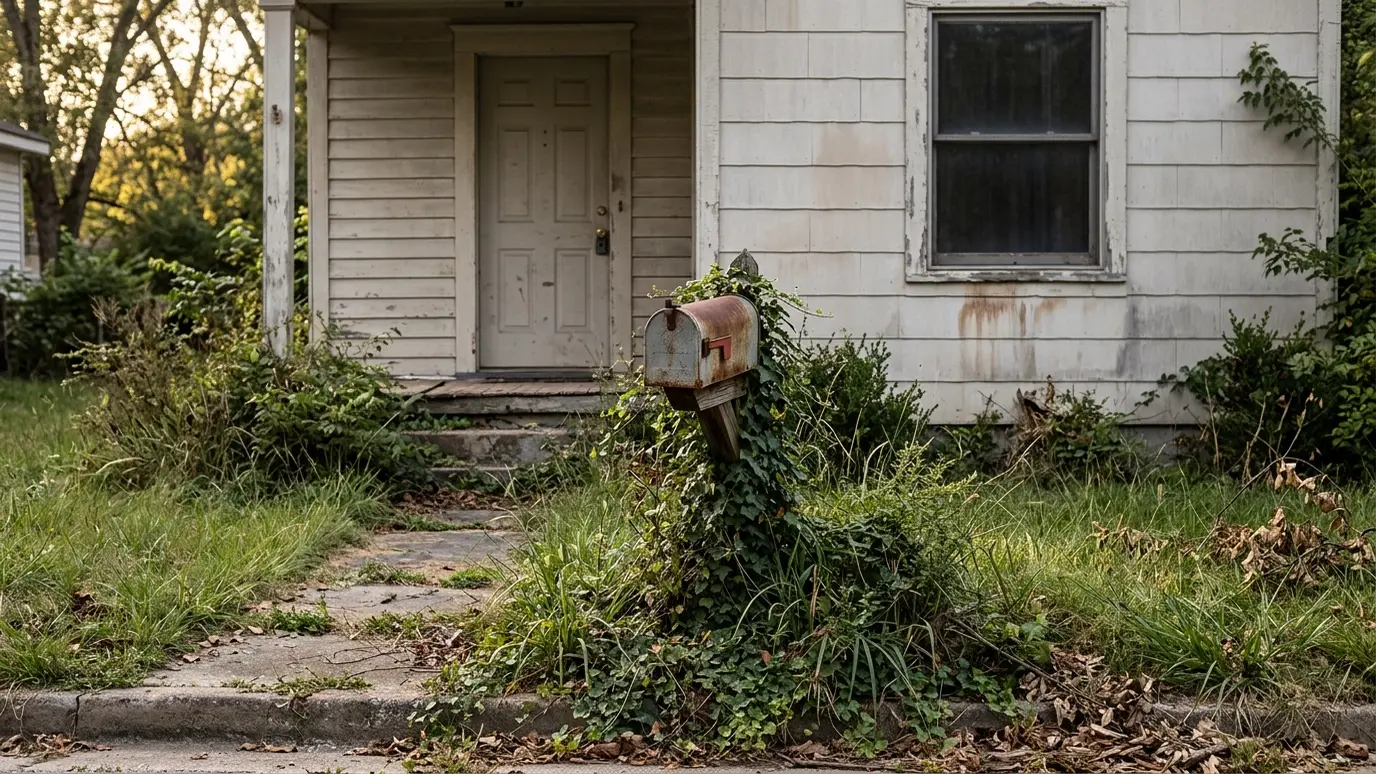 SituationVacant PropertiesWater damage in empty homes goes unnoticed for days or weeks. Here is how to reduce the risk…Learn more
Enter how long materials have been wet, the humidity and the materials affected and see the mold risk and what to do next.
Tell us what happened and send photos if you can. We guide you on safety and plan the visit.
We find the source, map the damage with meters and thermal imaging and explain the plan.
Water extraction, board-up, tarping and removal of materials that cannot be saved.
Air movers, dehumidifiers and careful cleaning, with containment for fire and mold work.
Moisture readings and equipment adjustments until the structure is dry.
Repairs, paint and a final walk-through, with records you can keep.
Not always. If you can see or smell mold, the focus is usually on fixing moisture and removing it. Testing helps when the source is unclear or to verify cleanup.
Samples identify what is growing, including species commonly called black mold. We explain what results mean.
Air tests show what is floating around. Surface tests show what is on a spot. We recommend based on your situation.
No. Health questions belong with a doctor. Testing shows what is in the home.
It can, but a separate assessor can give a neutral view. We explain both options.
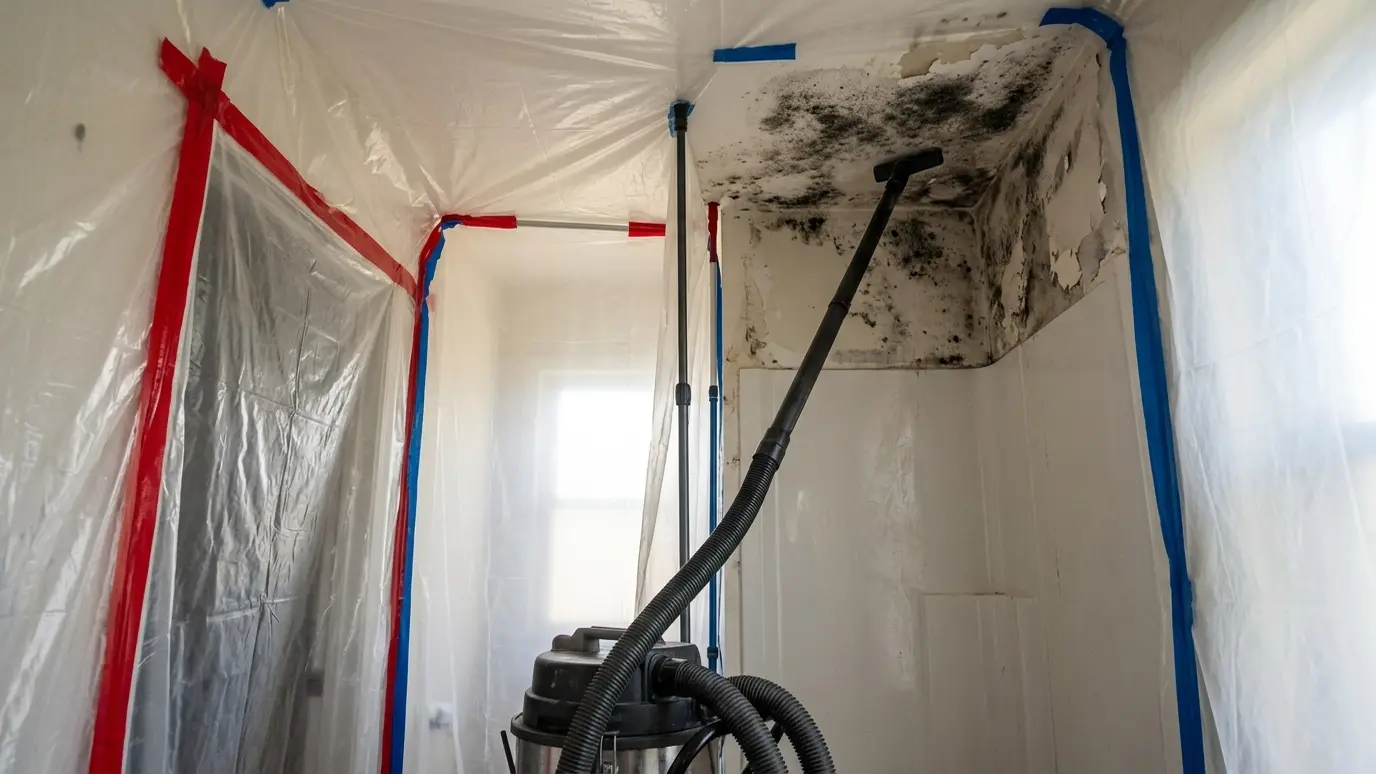 Mold RemediationContainment, HEPA filtration, careful removal and drying, so mold is taken out of your home and not spread…Explore
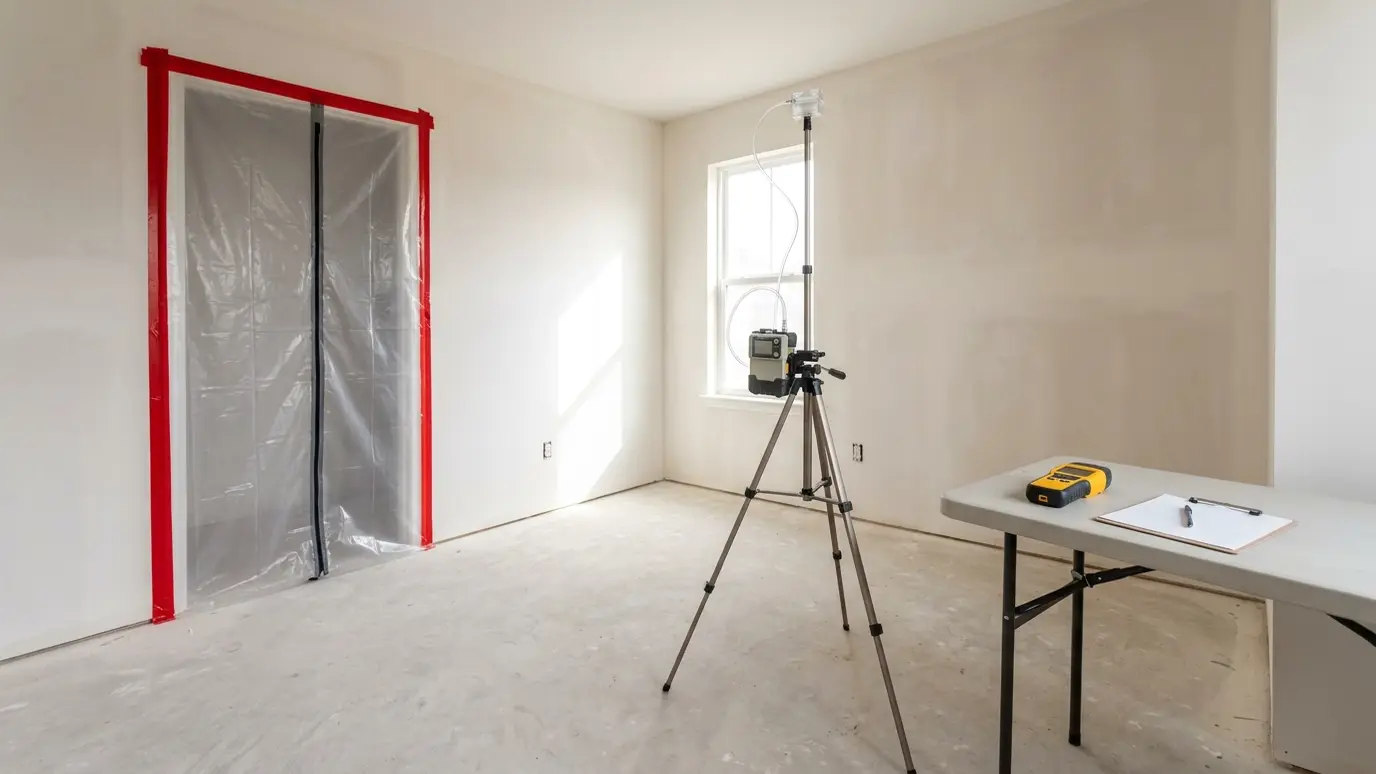 Post-Remediation VerificationA check that confirms the work area is dry, clean and ready for repairs, using inspection, moisture readings…Explore
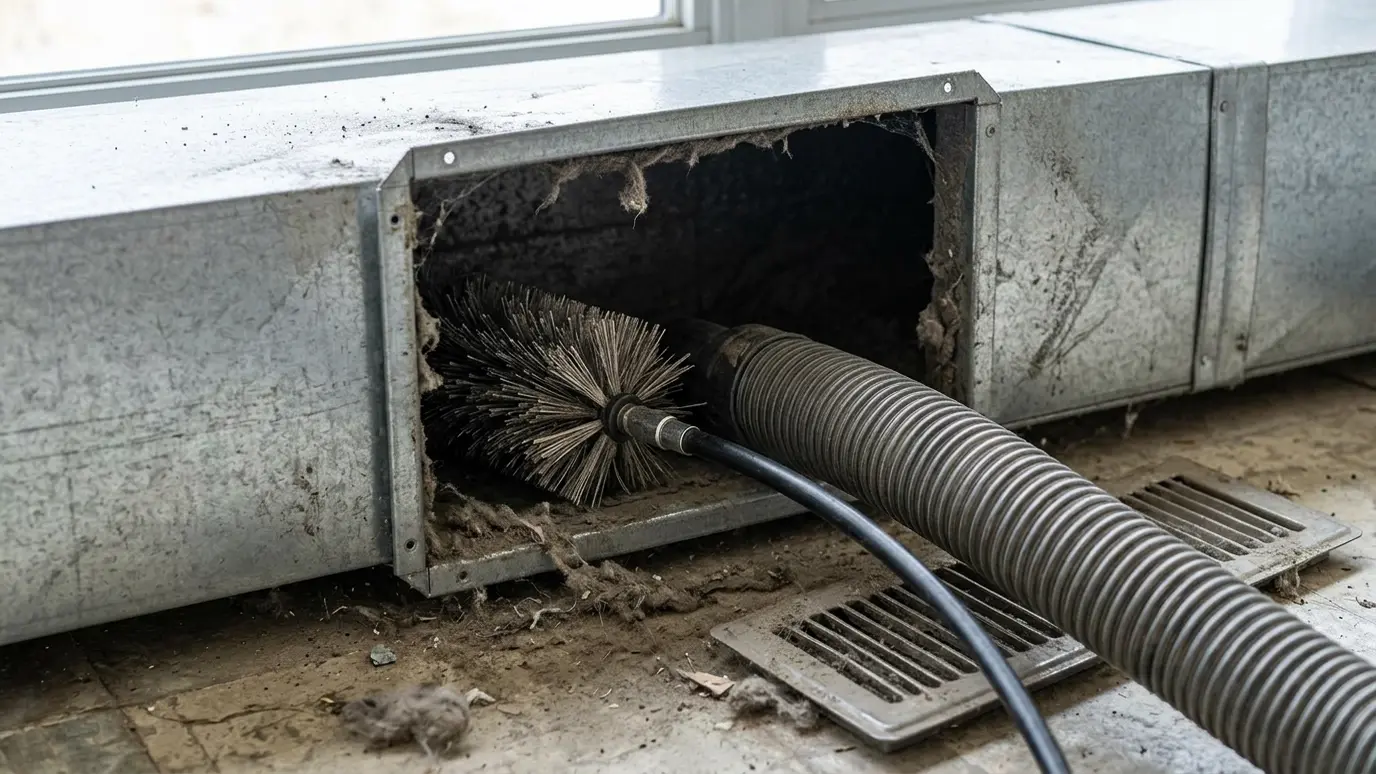 HVAC and Duct CleaningAir handlers, coils and ducts cleaned after mold, smoke or water damage so clean air is what actually…Explore
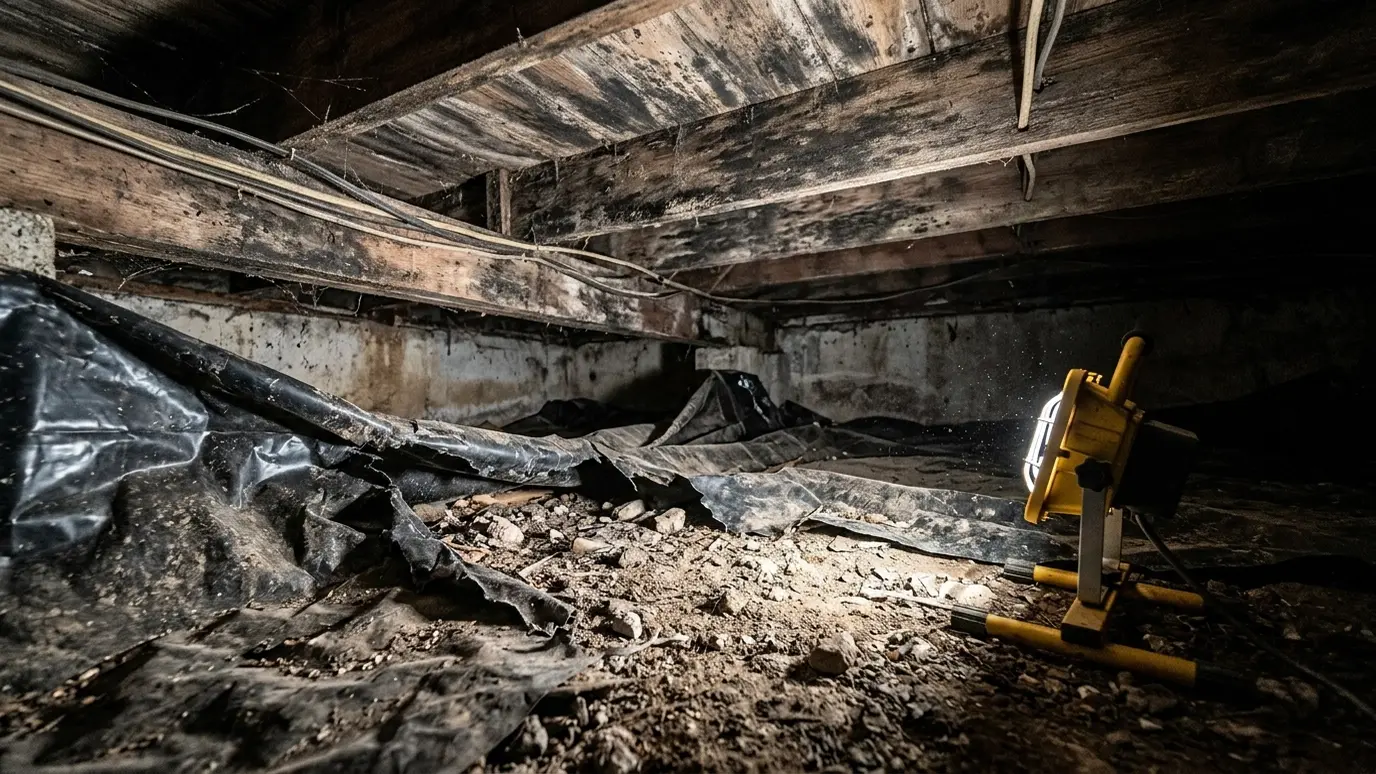 Attic and Crawl Space MoldMold on roof sheathing, joists and subfloors removed, with moisture and ventilation problems fixed so it stays gone.Explore
Tell us about the job and we will call you back quickly.
Or call (615) 357-7797 to talk now.