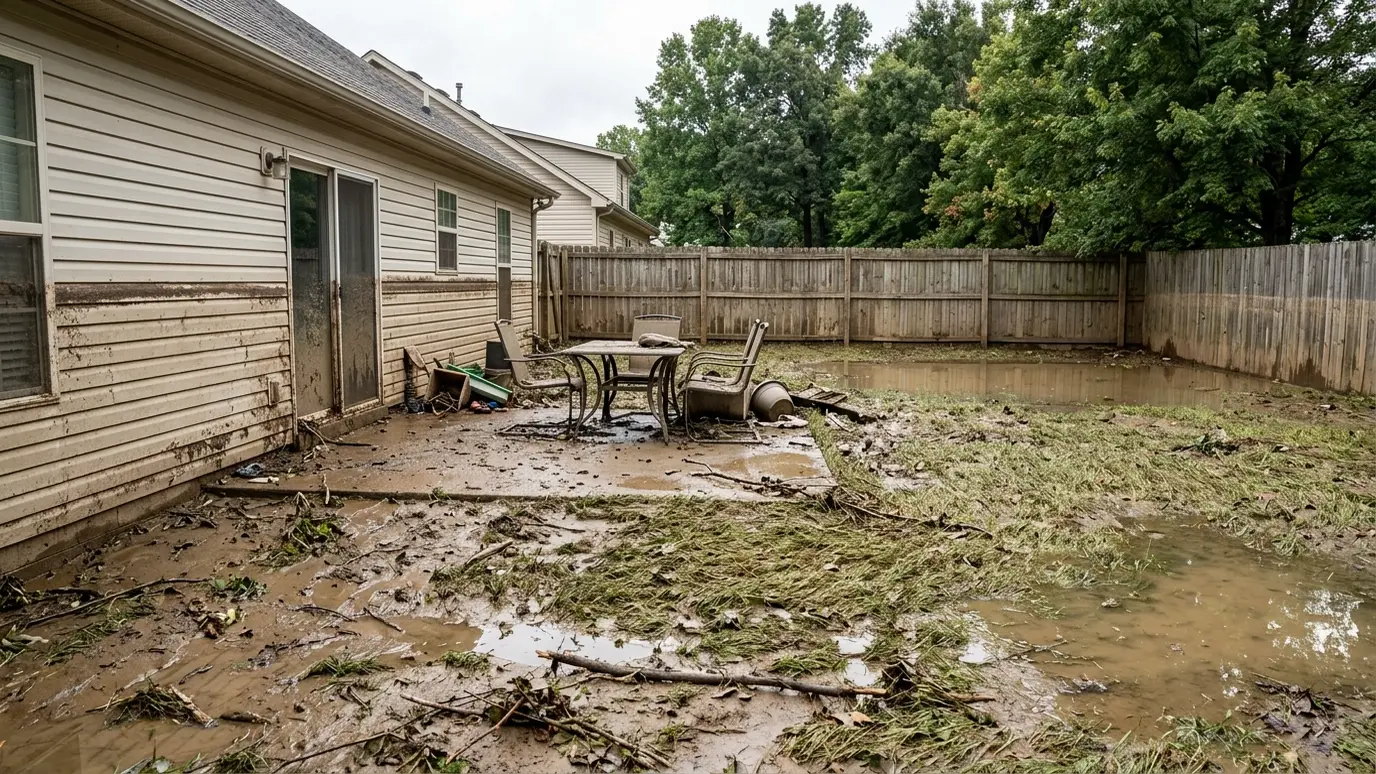
Recovery after rivers, creeks and heavy rains flood homes and yards: extraction, contaminated material removal, cleaning and drying.
The Cumberland and its creeks can rise quickly in heavy rain, and low neighborhoods across Middle Tennessee have seen flooding before. Floodwater brings mud, silt and contamination that soak into everything it touches.
Recovery has four stages: make it safe, remove water and mud, remove materials that cannot be cleaned and clean, treat and dry what remains. Because floodwater is considered contaminated, porous materials such as carpet, pad, insulation and some drywall are discarded, and hard surfaces are cleaned and treated. Recovery after a flood is also a paperwork exercise. Flood insurance, local relief programs and loan applications often ask for photographs, dates and itemized estimates, so we document the water line, the affected rooms and the materials removed as we go. We also point out items that deserve a second look, such as water heaters, furnaces and electrical panels that were reached by water and need a qualified technician.
River and surface water carry sewage, chemicals and bacteria. Treat it as unsafe and avoid contact. We work with protective gear and proper procedures.
Silt gets everywhere, including under cabinets and in wall cavities. Removing it before it dries makes cleaning far easier.
Mold follows floods quickly. Strong dehumidification and removal of wet materials prevent a second round of damage.
If your home sits near a creek or river, ask about flood insurance and keep valuables above floor level. Local maps show flood zones.
Drag the handle to compare.
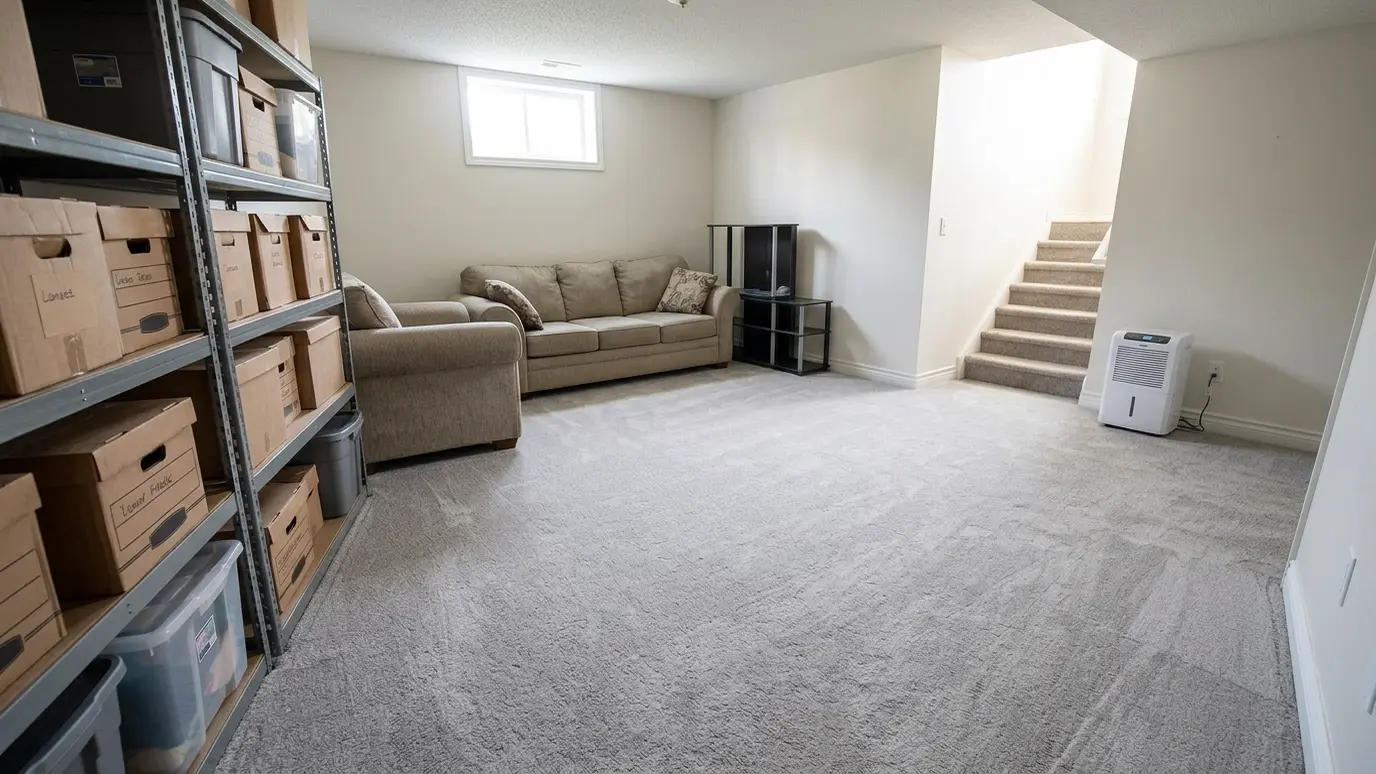
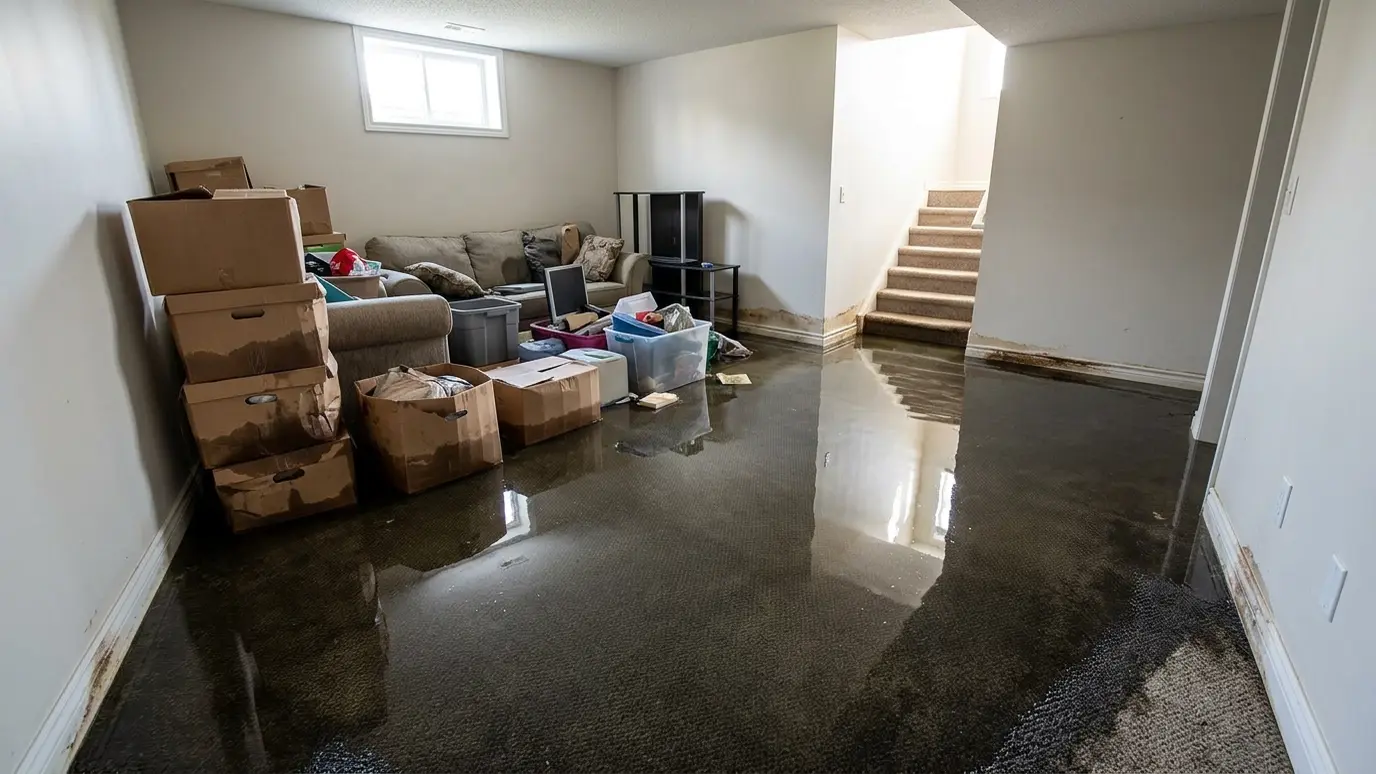 BeforeAfter
Hazards and utilities checked.
Pumps, extractors and shovels.
Porous items safely removed.
Treated and sanitized.
Dehumidifiers and air movers.
Records for claims and aid.
Every topic has its own page with what to expect and how we approach it.
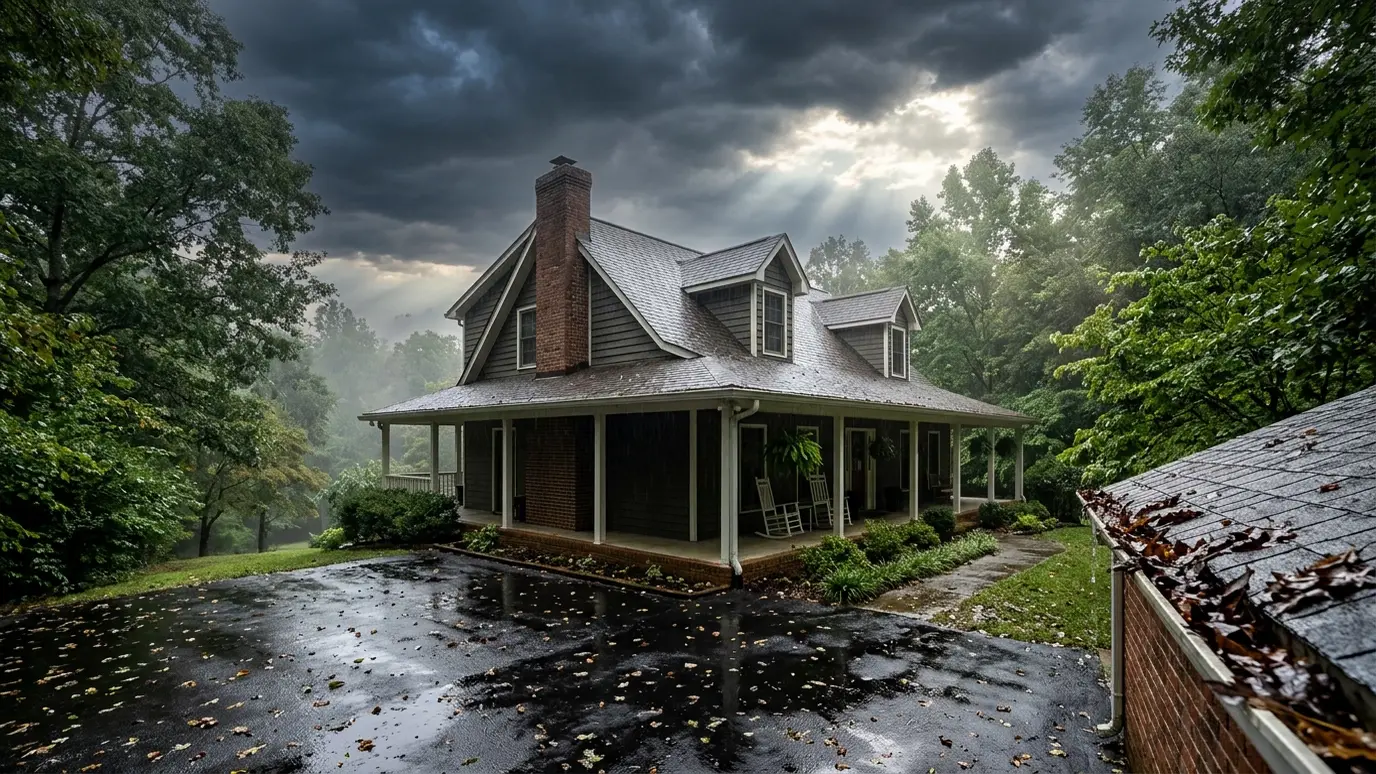 SituationStorm SeasonSpring storms, tornadoes, hail and heavy rain are part of life here. A little preparation reduces damage and…Learn more
 SituationHomeownersWhat homeowners should expect during a restoration project, from first call to final walk-through, and how to stay…Learn more
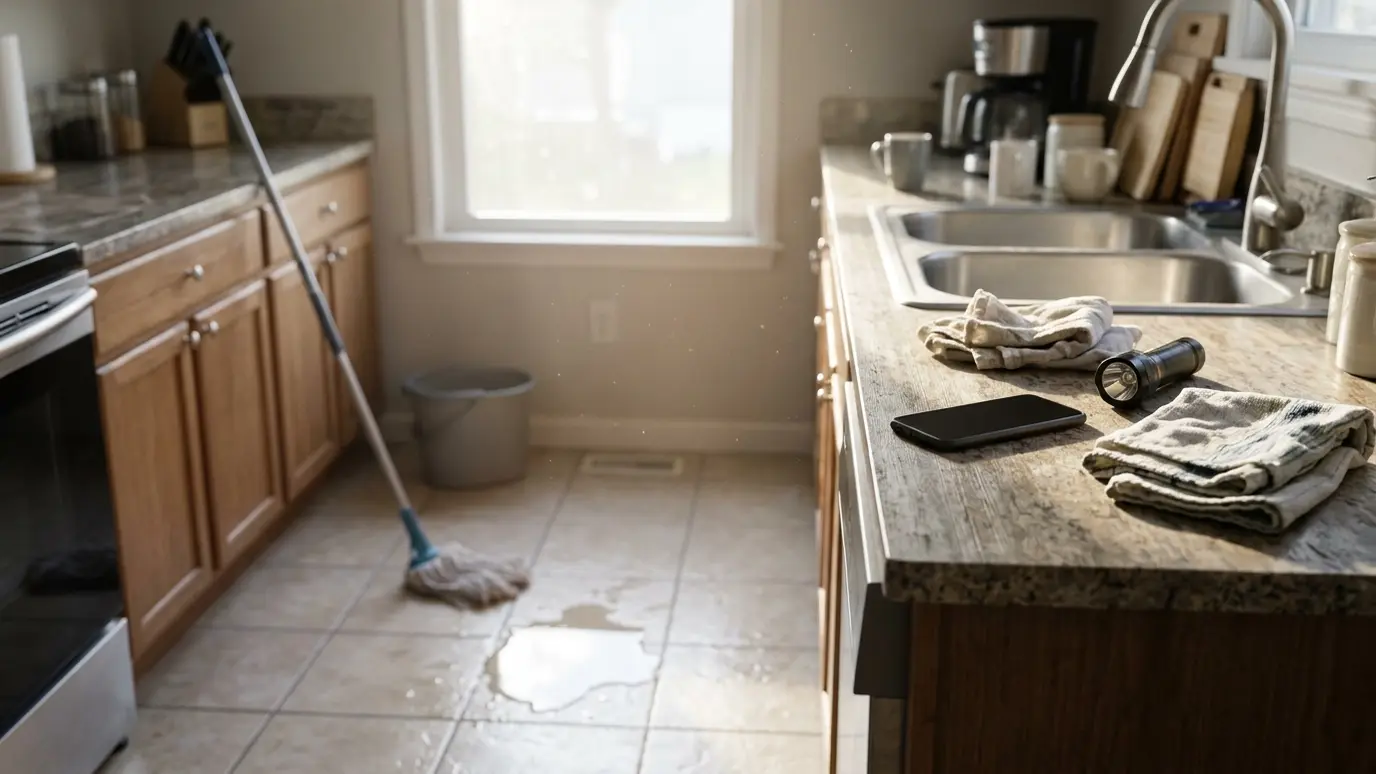 SituationThe First HoursThe first hours after water, fire or storm damage decide how big the problem gets. Here is what…Learn more
Answer a few questions about the water source and what got wet and see the likely category and class, with what each means.
Tell us what happened and send photos if you can. We guide you on safety and plan the visit.
We find the source, map the damage with meters and thermal imaging and explain the plan.
Water extraction, board-up, tarping and removal of materials that cannot be saved.
Air movers, dehumidifiers and careful cleaning, with containment for fire and mold work.
Moisture readings and equipment adjustments until the structure is dry.
Repairs, paint and a final walk-through, with records you can keep.
Often not. Flood insurance is usually separate. Ask your insurance company and keep thorough records.
As soon as it is safe. Mud and moisture cause damage and mold quickly.
Wet drywall that was in floodwater is usually removed. We measure and explain what can stay.
Local emergency management and relief groups may offer help after major floods. We can point you to resources.
Local government flood maps show it, and your insurance agent can help.
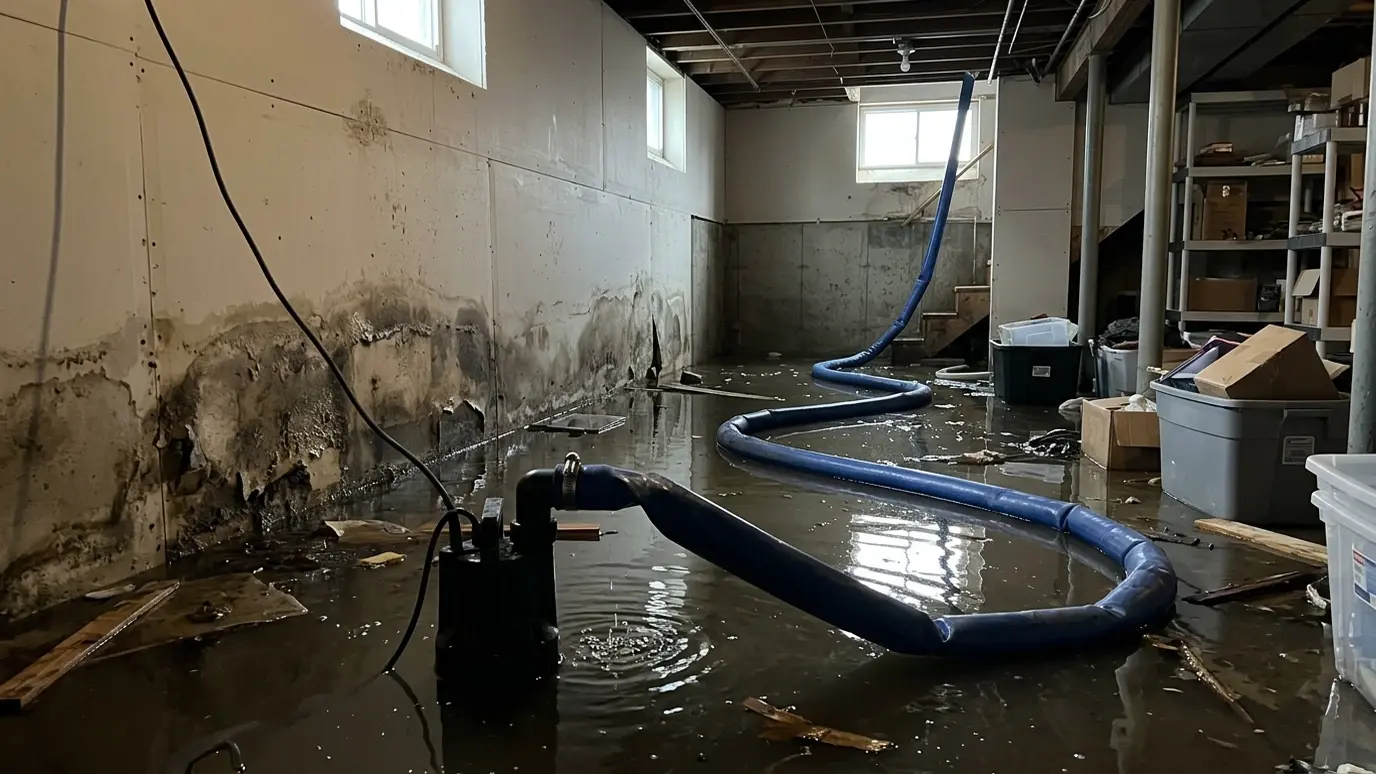 Flood Water ExtractionPumps and extractors remove standing water from basements, first floors and crawl spaces, the first step in any…Explore
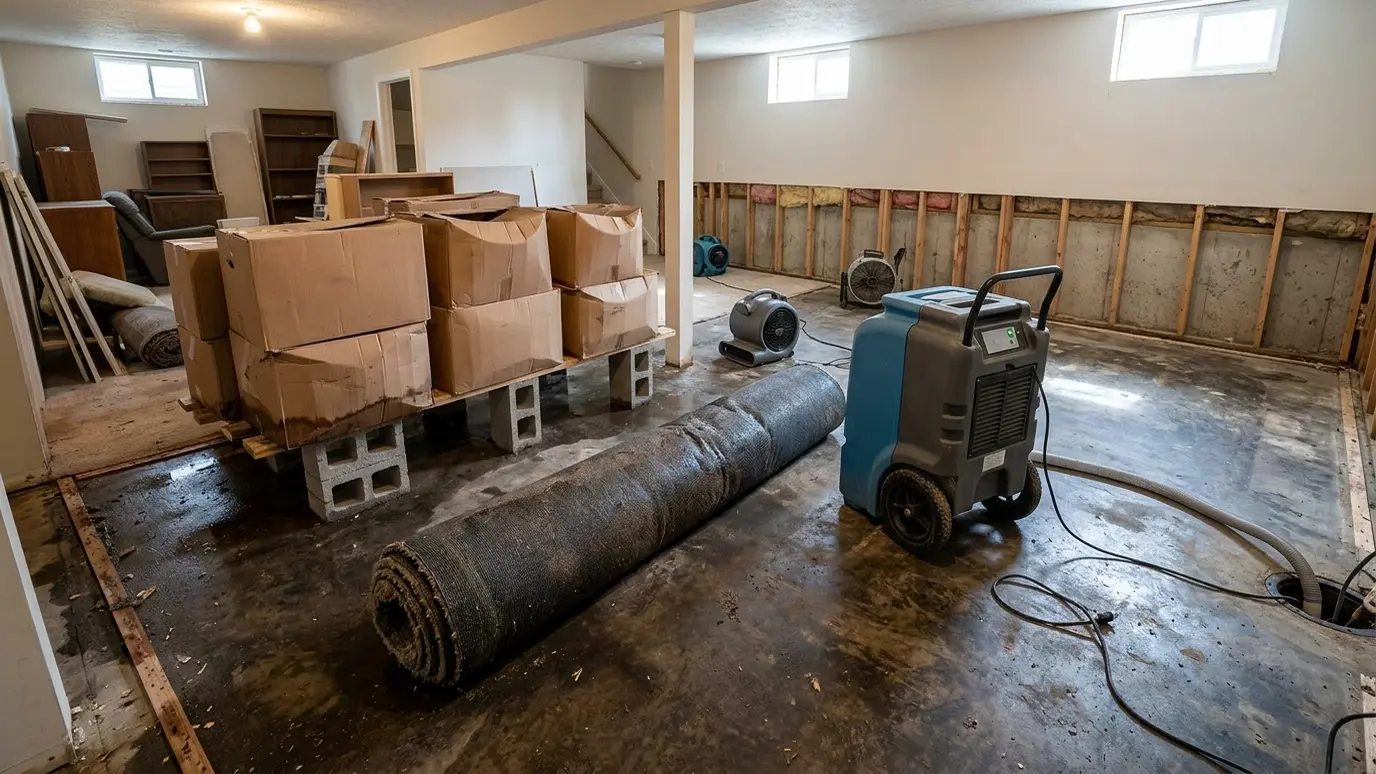 Basement Flooding CleanupWater removal, cleaning and drying for flooded basements, including finished spaces, storage areas and mechanical rooms.Explore
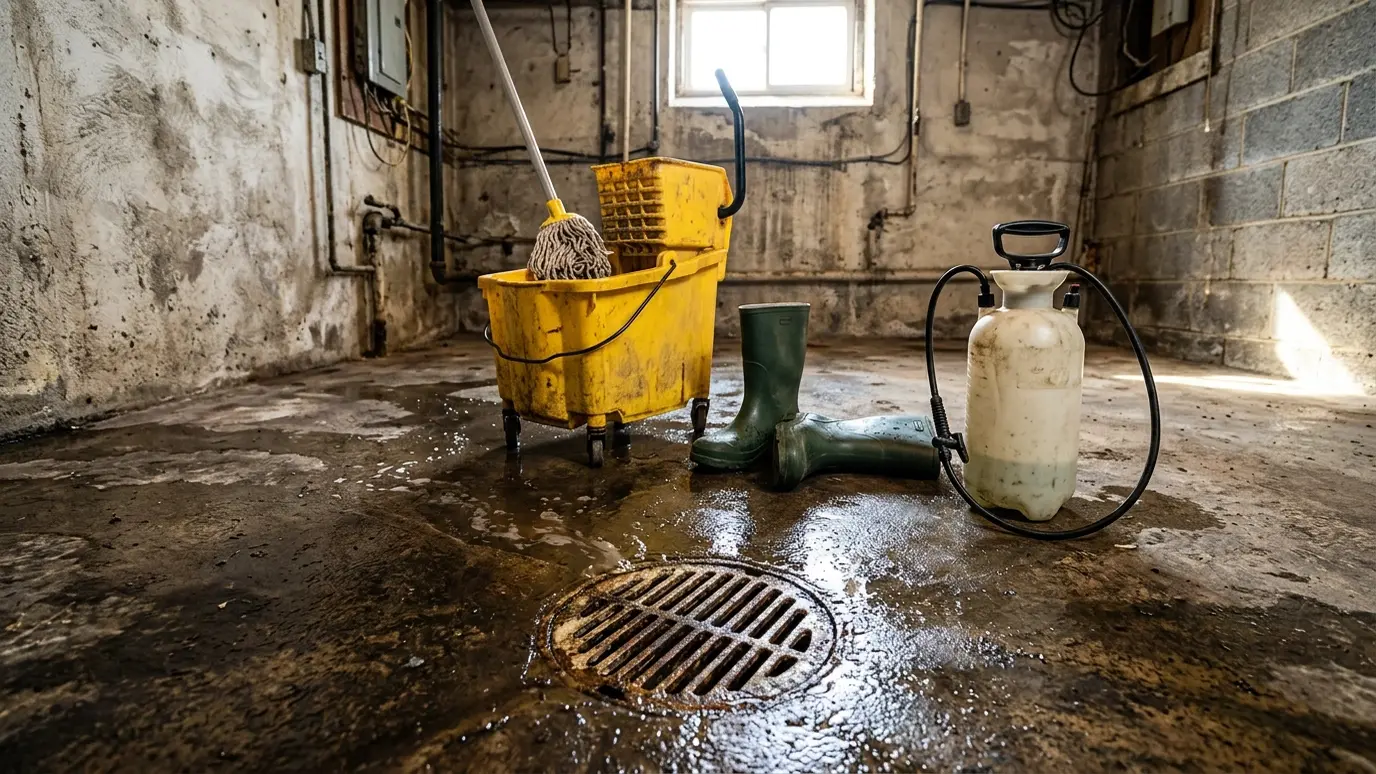 Sewage Backup CleanupSafe, thorough cleanup of sewage that has backed up into a home, with protective gear, disinfection and careful…Explore
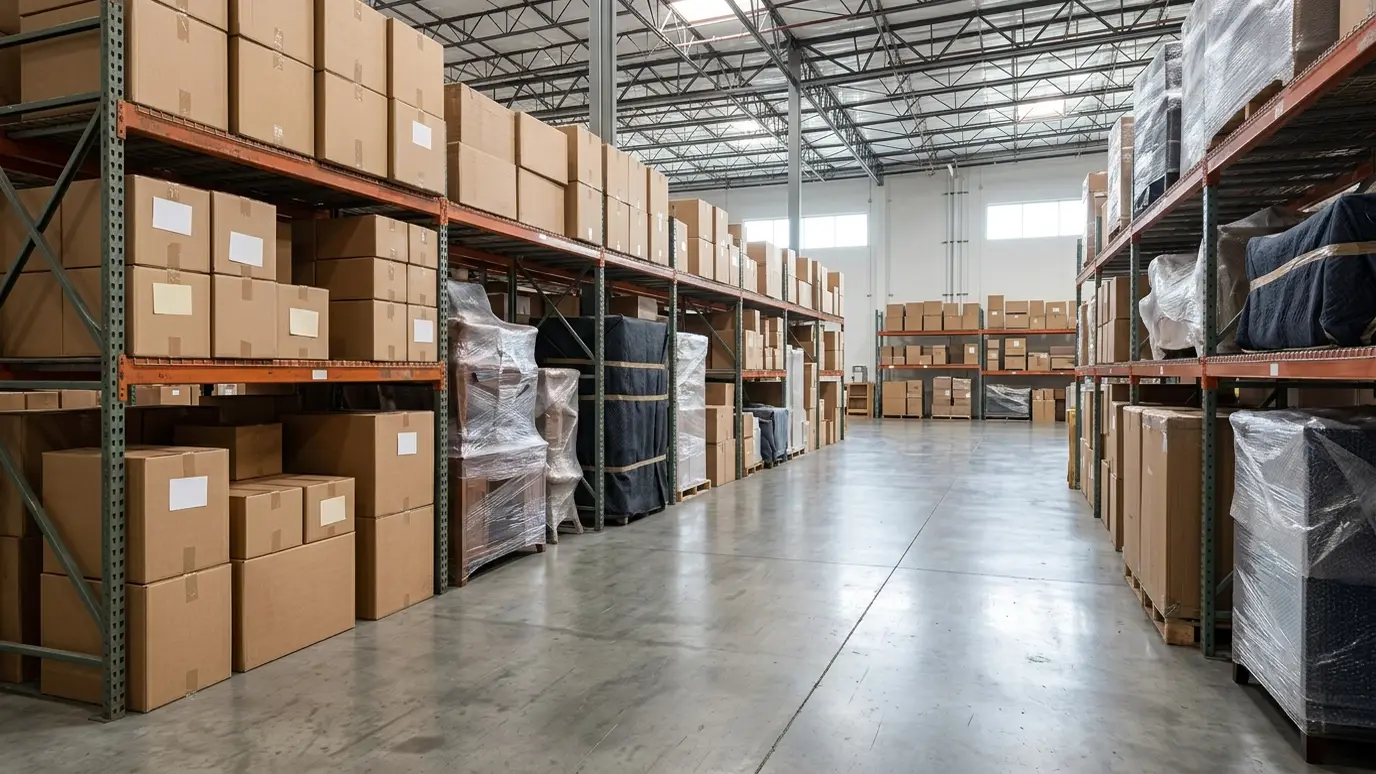 Contents Pack-OutBelongings inventoried, packed, moved and stored safely during restoration, then cleaned and returned when your home is ready.Explore
Tell us about the job and we will call you back quickly.
Or call (615) 357-7797 to talk now.