Three categories of water
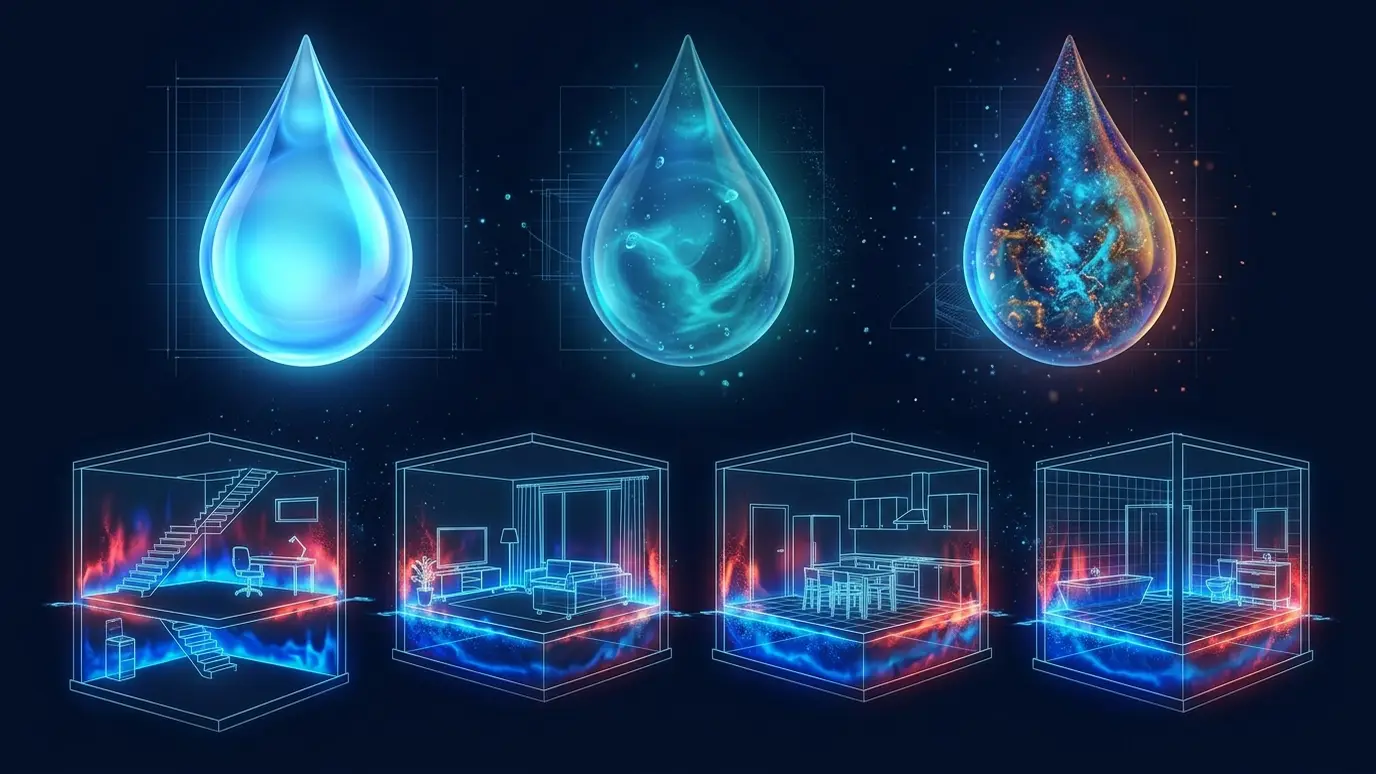
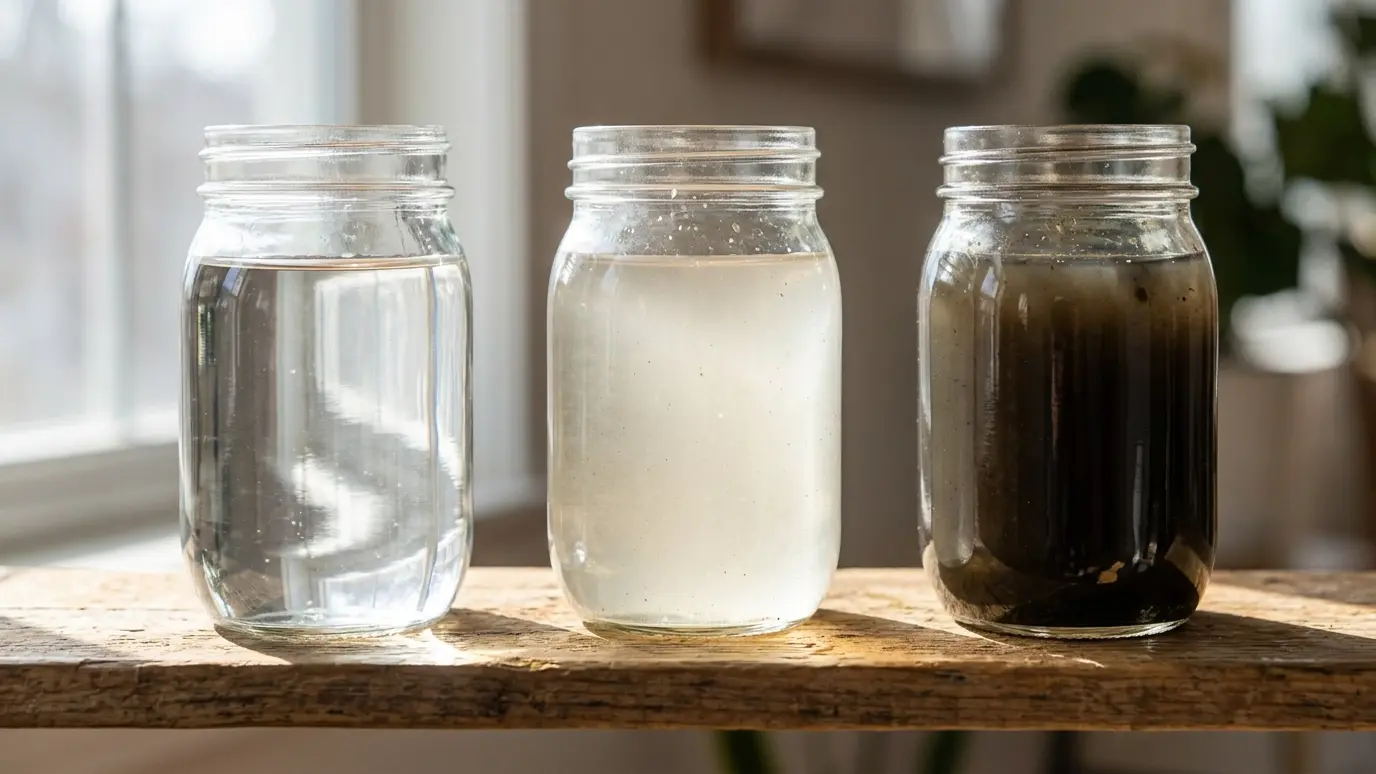
Category one is clean water from a supply line or rain. Category two, or gray water, is contaminated to some degree, such as from a dishwasher or washing machine. Category three, or black water, is grossly contaminated: sewage, floodwater and similar sources.
Water can get worse over time
Clean water that sits for a day or two can become contaminated as bacteria grow. That is another reason speed matters.
Four classes of damage
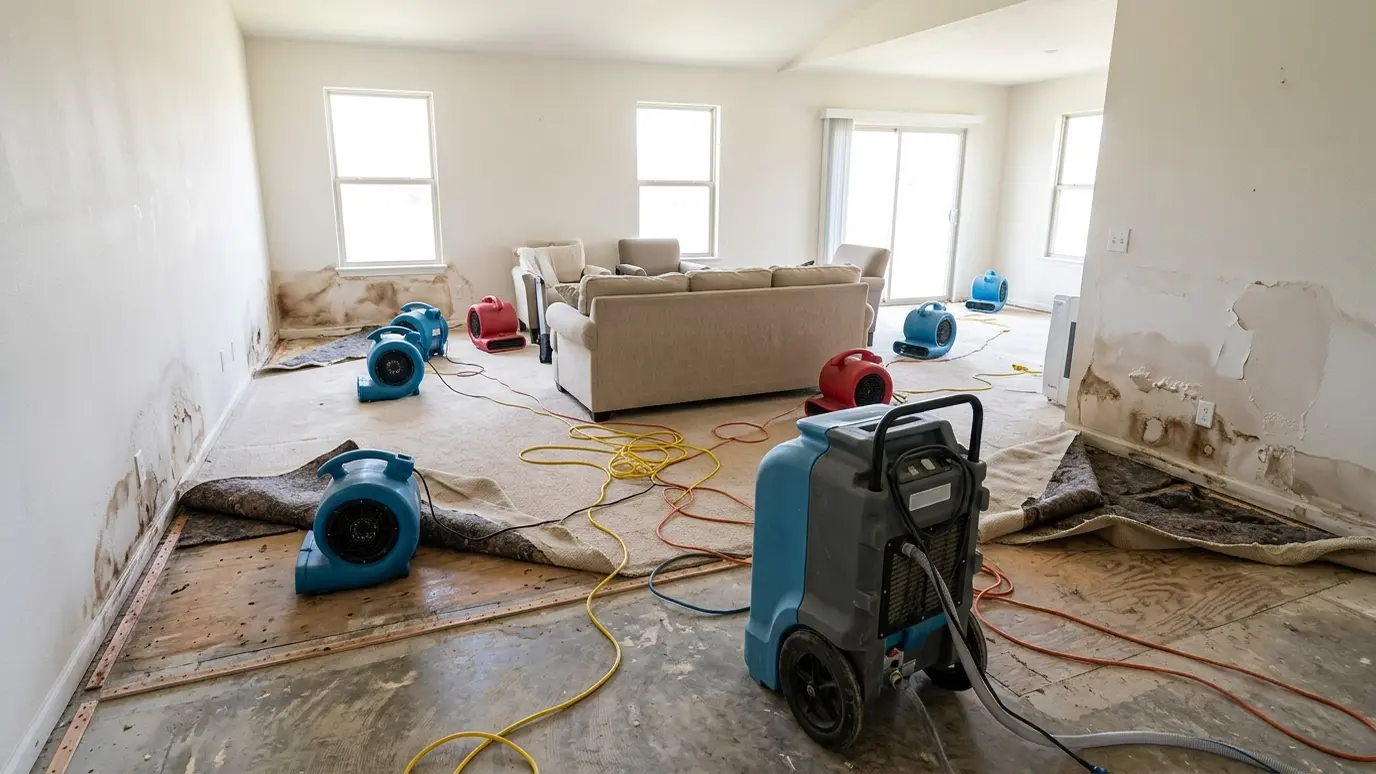
Class one is the least: small area, low-porosity materials. Class two affects a whole room with carpet and cushion and wicking up the walls. Class three is water from above that soaks ceilings, walls and floors. Class four is specialty drying: hardwood, plaster, concrete and other low-porosity materials.
What the category means for cleanup
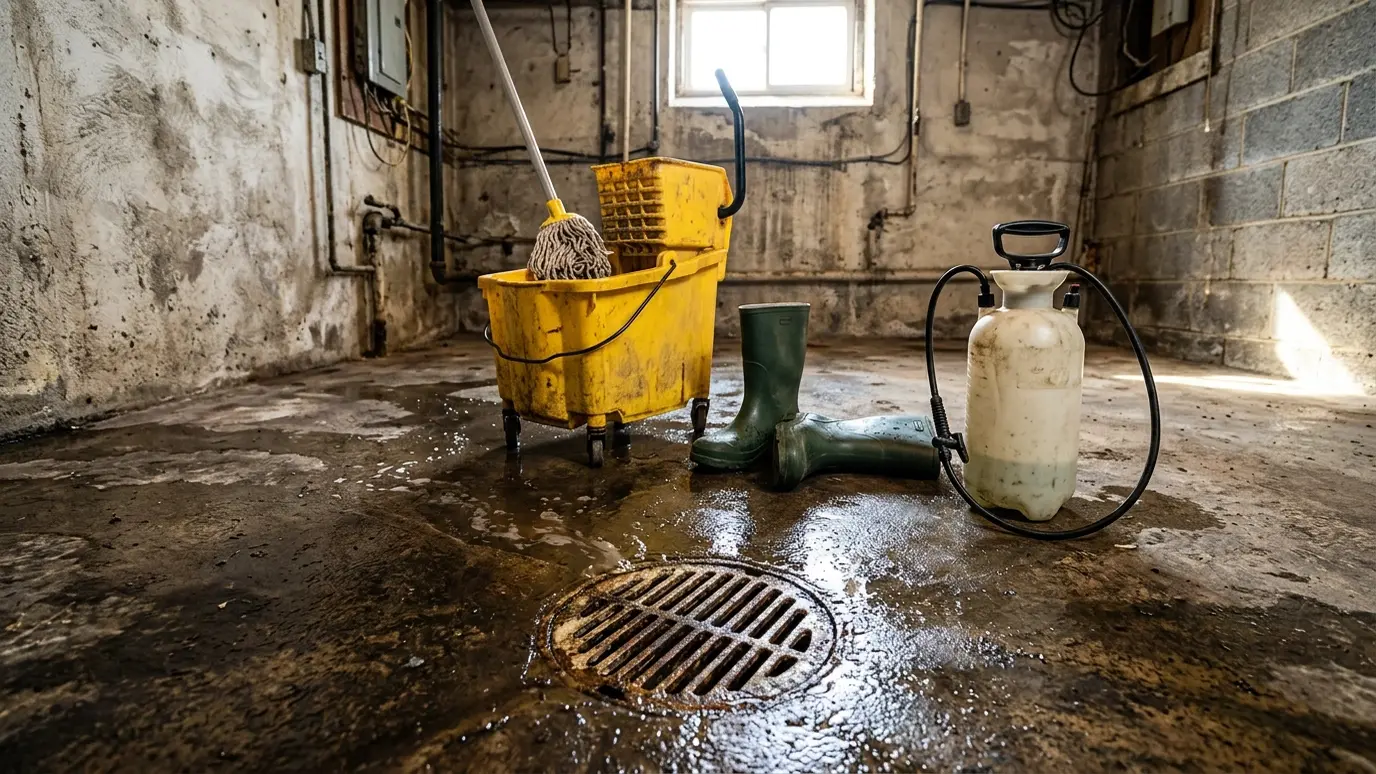
Category three requires removal of porous materials, strict protective procedures and thorough disinfection. Category one often allows drying in place.
What the class means for drying
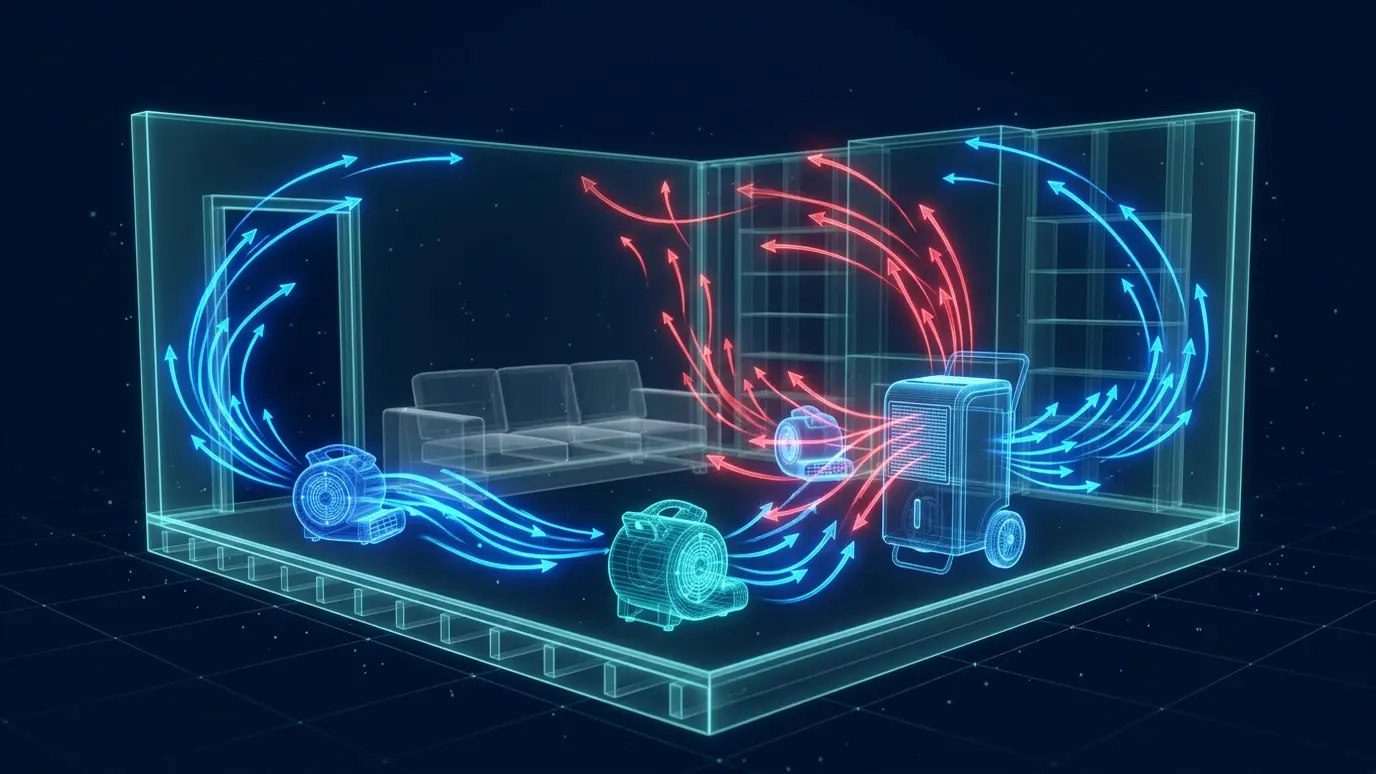
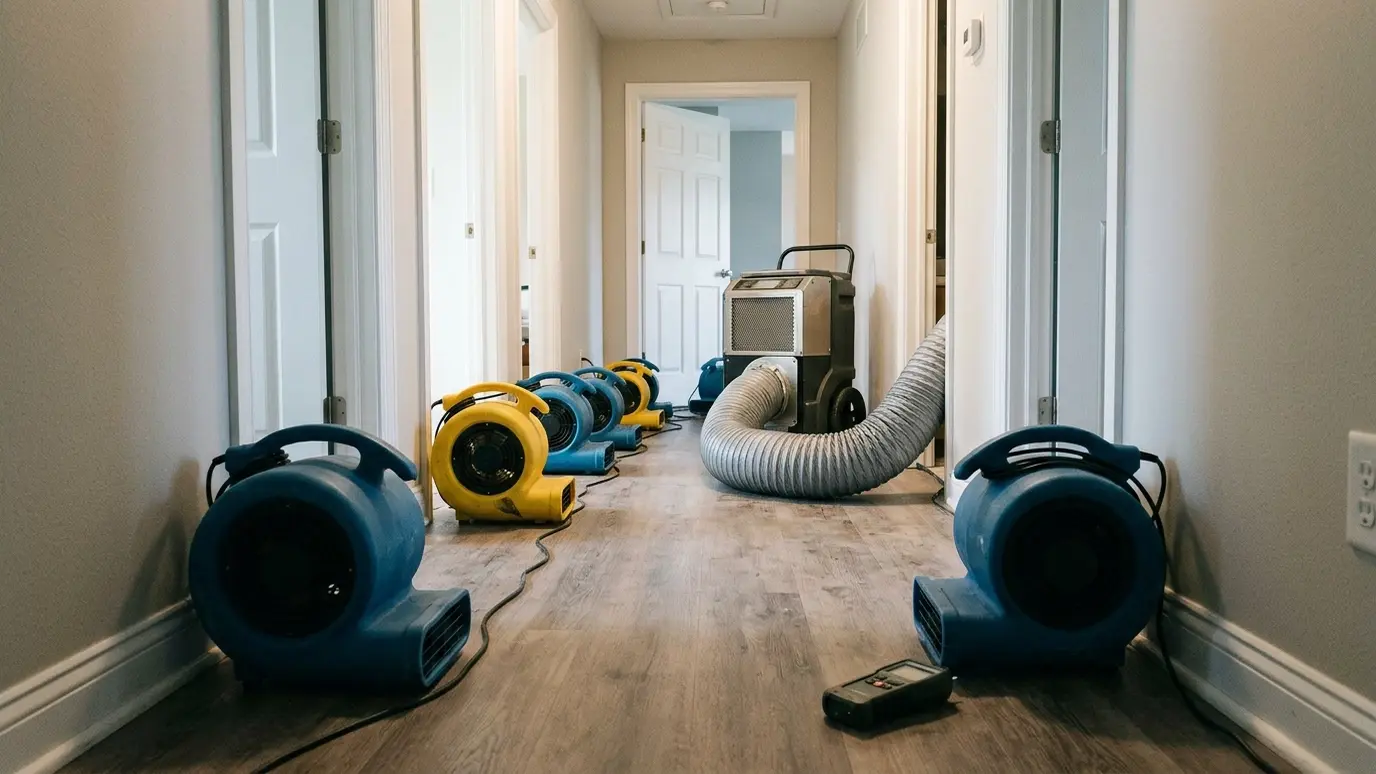
Higher classes need more equipment, specialized methods and more time. Class four jobs may use drying mats and desiccant dehumidifiers.
Using the information
Knowing the category and class helps you understand the quote, the plan and the timeline. Our water class tool gives a quick guide.
Treat unknown water as contaminated and get the loss assessed quickly.