Grease fires and stove fires leave sticky protein soot and strong odor. We clean cabinets, appliances and air ducts, and rebuild what cannot be saved.
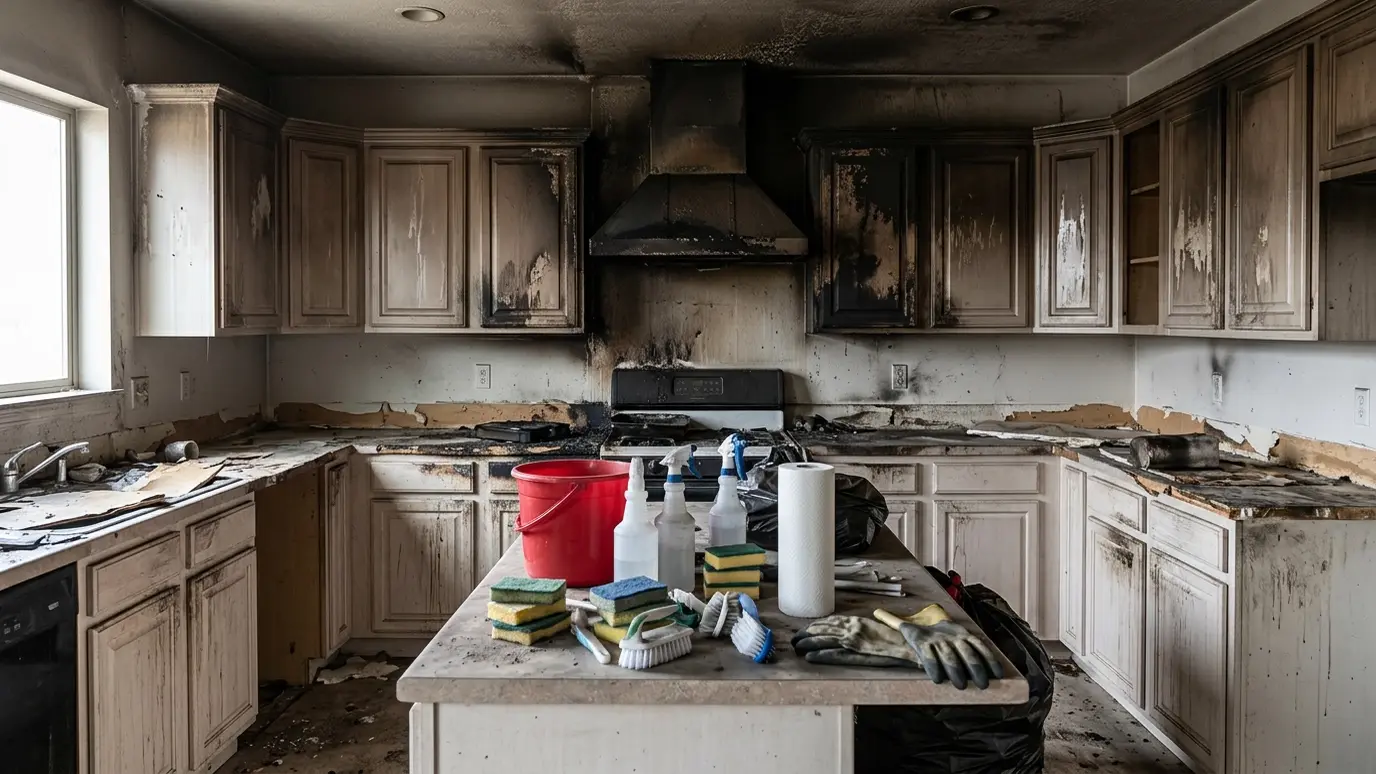
Kitchen fires are the most common home fires, and they leave a particular mess. Grease and food burn into a sticky film that coats cabinets, ceilings and appliances and carries a strong, stubborn odor even when the flames were small.
We clean the range hood, cabinets and appliances where they can be saved, treat surrounding rooms for odor and replace what cannot be restored. Extinguisher powder, if used, is cleaned carefully, because it can corrode surfaces if left. We also check the ductwork and the walls behind the stove.
Kitchen smoke leaves an almost invisible film that smells strongly and discolors paint over time. Cleaning requires degreasing agents and careful technique, not just wiping.
Solid wood cabinets often clean well. Thin laminate and particleboard may not. We explain which can be saved and which are cheaper to replace.
Dry chemical powder is corrosive when damp. It should be removed with HEPA vacuuming first, then wiped, and electronics and metal surfaces get special care.
Keep a lid or baking sheet and a fire extinguisher near the stove, and never pour water on a grease fire. A clean range hood filter lowers the risk too.
Drag the handle to compare.
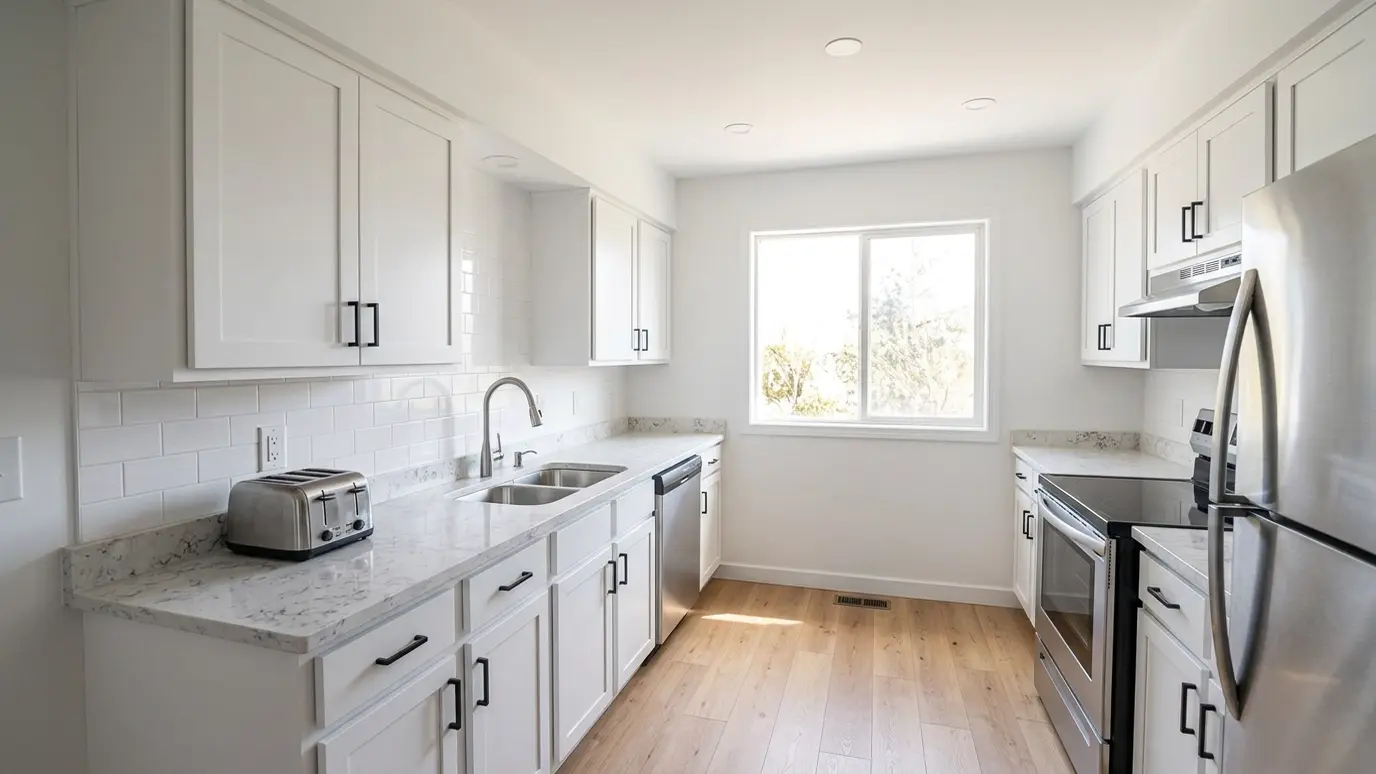
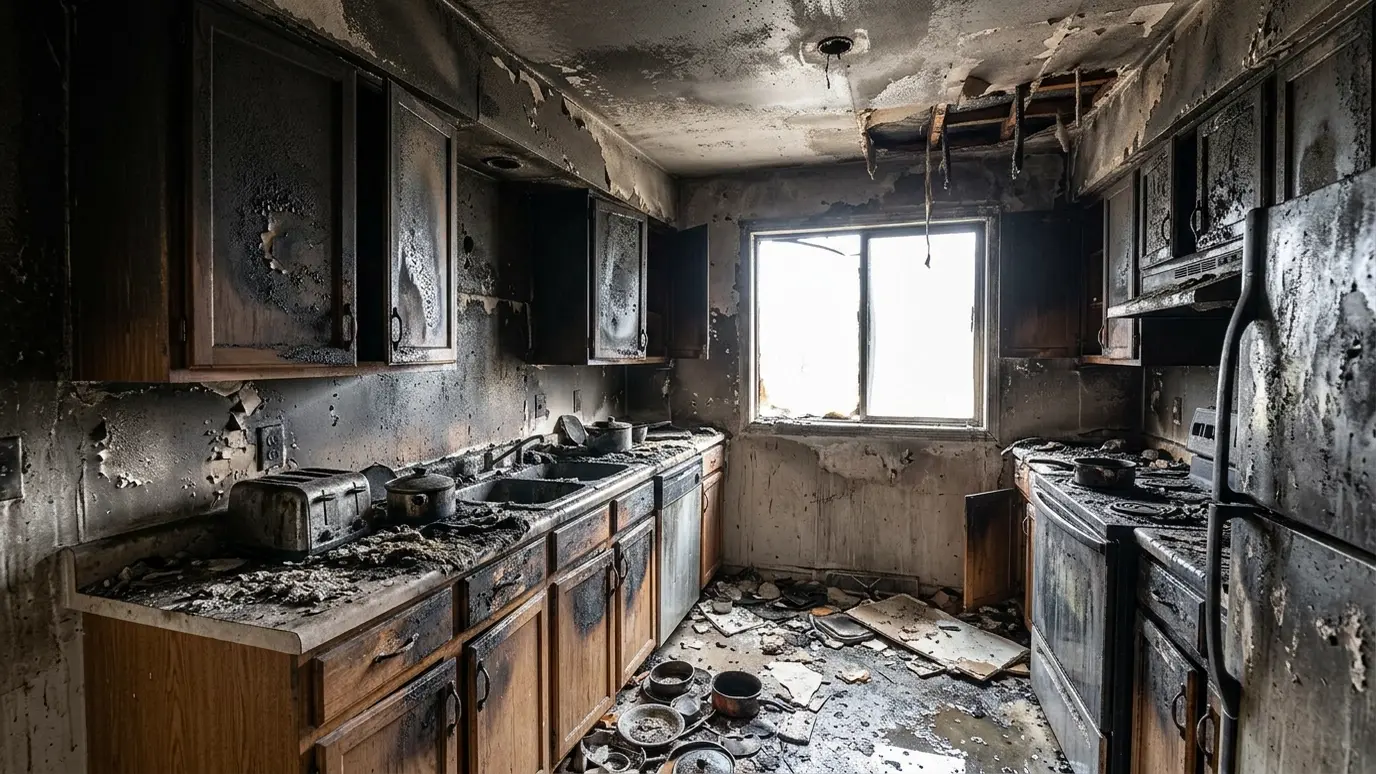 BeforeAfter
Degreasing methods that lift the film.
Cleaned when possible, replaced when needed.
Whole-house odor control.
Range hood and HVAC inspected.
Extinguisher residue cleaned correctly.
Cabinet, counter and paint repairs.
Every topic has its own page with what to expect and how we approach it.
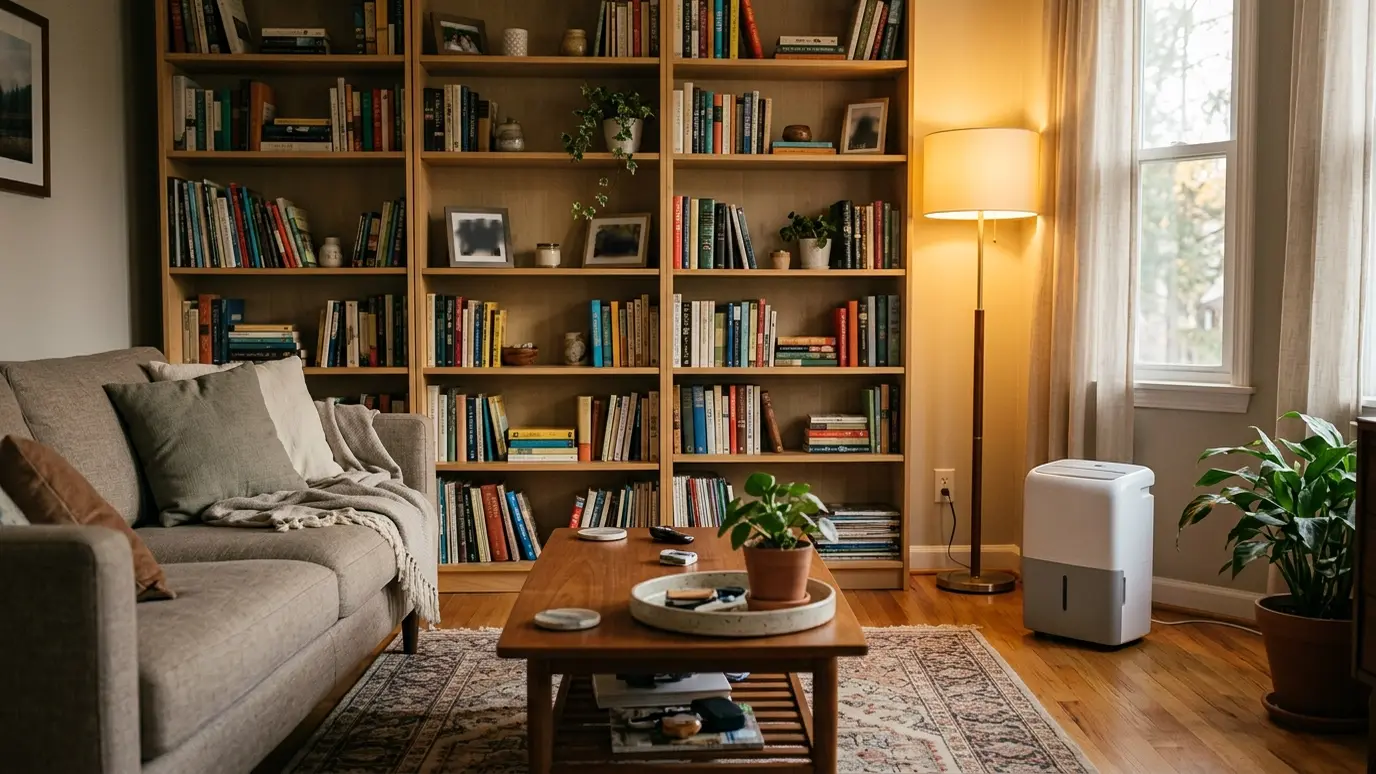 SituationHomeownersWhat homeowners should expect during a restoration project, from first call to final walk-through, and how to stay…Learn more
 SituationInsurance and ClaimsA plain-English guide to documenting a loss, talking with your insurance company and keeping a claim organized.Learn more
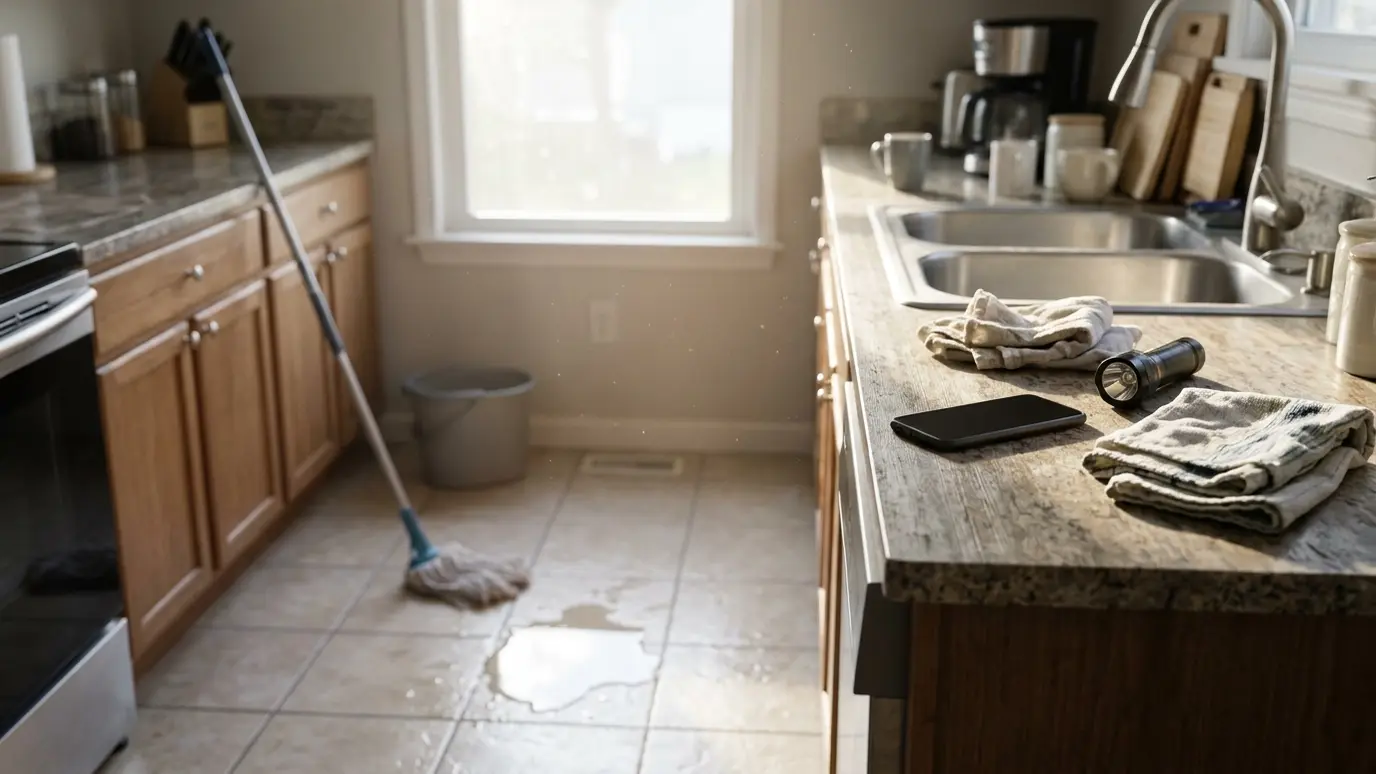 SituationThe First HoursThe first hours after water, fire or storm damage decide how big the problem gets. Here is what…Learn more
Pick the type of loss and get a printable checklist of what to do and what to avoid right now.
Tell us what happened and send photos if you can. We guide you on safety and plan the visit.
We find the source, map the damage with meters and thermal imaging and explain the plan.
Water extraction, board-up, tarping and removal of materials that cannot be saved.
Air movers, dehumidifiers and careful cleaning, with containment for fire and mold work.
Moisture readings and equipment adjustments until the structure is dry.
Repairs, paint and a final walk-through, with records you can keep.
Often, yes, if they are solid and the damage is moderate. Particleboard and heavily scorched cabinets are usually replaced.
Smoke and grease travel through air and the HVAC system. We treat the whole home, not just the kitchen.
Many can be cleaned, but heat and soot can harm electronics. We advise on each and suggest a technician for service checks.
Food exposed to smoke or heat is generally discarded, along with items in open containers.
Turn off the heat and smother it with a lid. Never use water. If it spreads, leave and call 911.
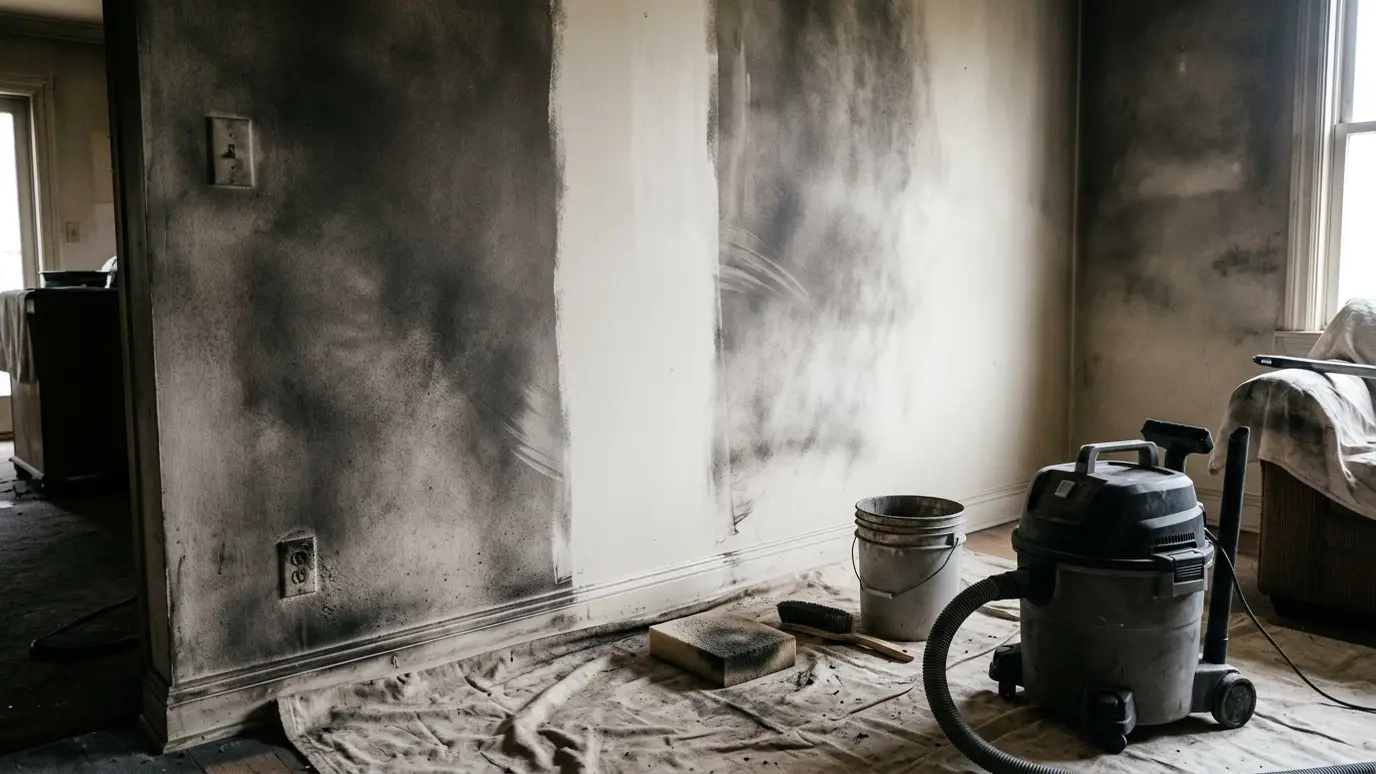 Smoke and Soot CleanupProfessional removal of soot and smoke film from walls, ceilings, floors and belongings, using methods that lift soot…Explore
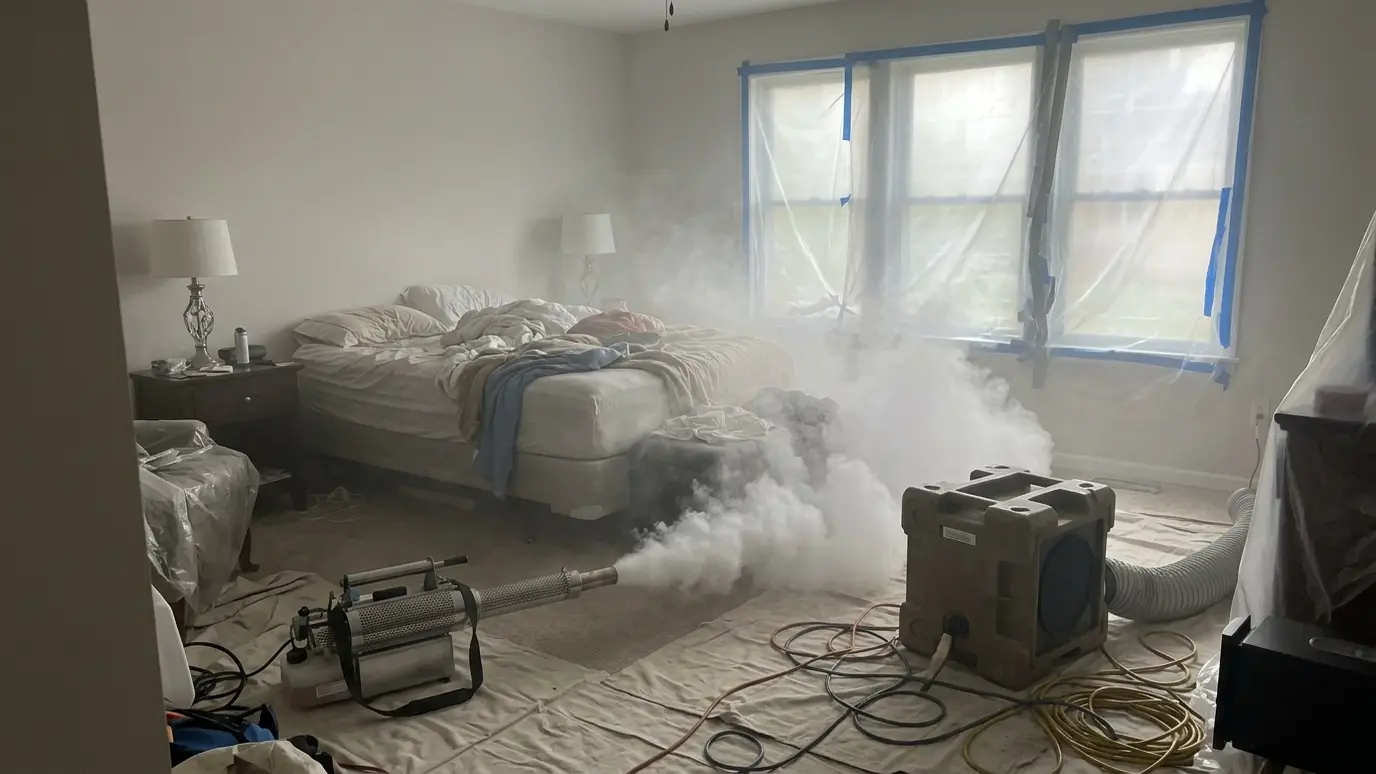 Smoke Odor RemovalSmoke smell removed at the source with cleaning, air scrubbing and thermal fogging or hydroxyl treatment where appropriate.Explore
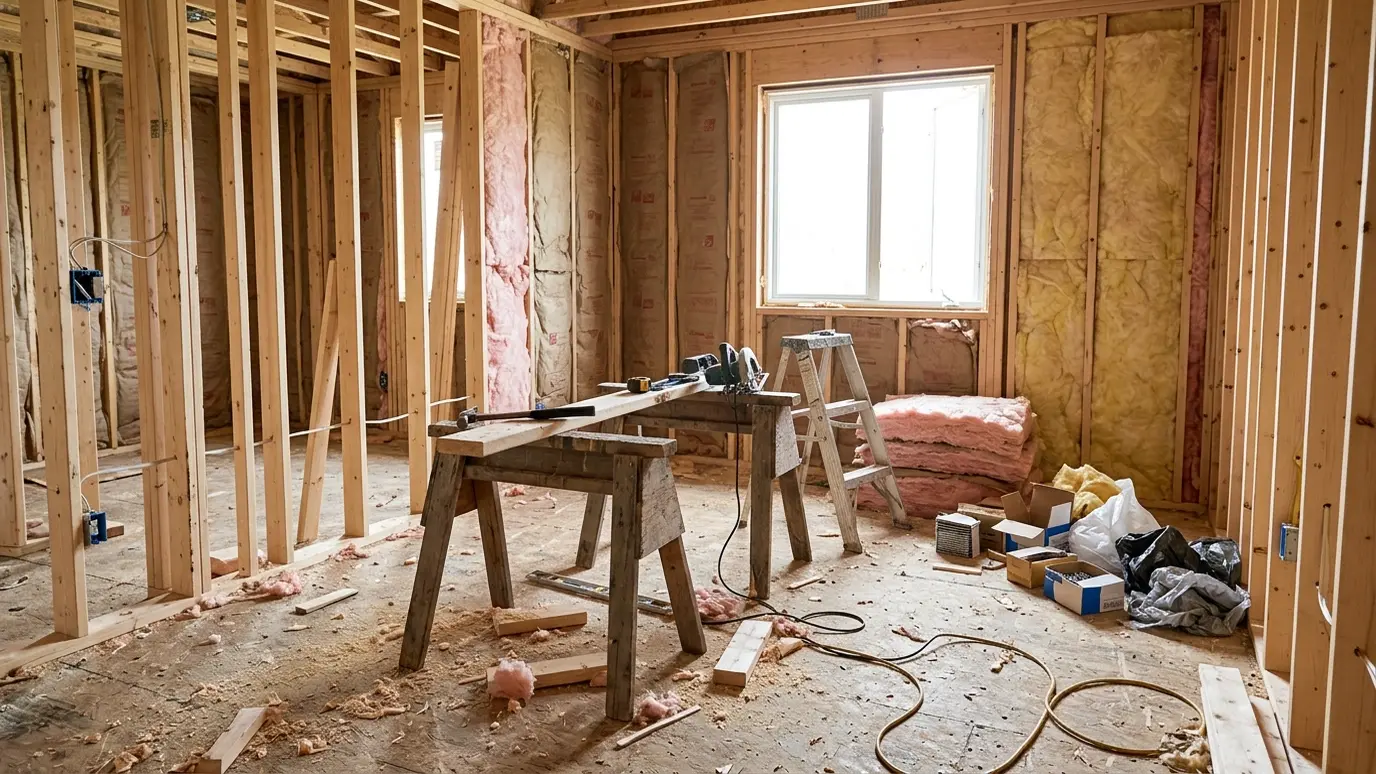 Reconstruction and RebuildFrom drying to the final coat of paint: repairs and rebuilding coordinated so your home is restored to…Explore
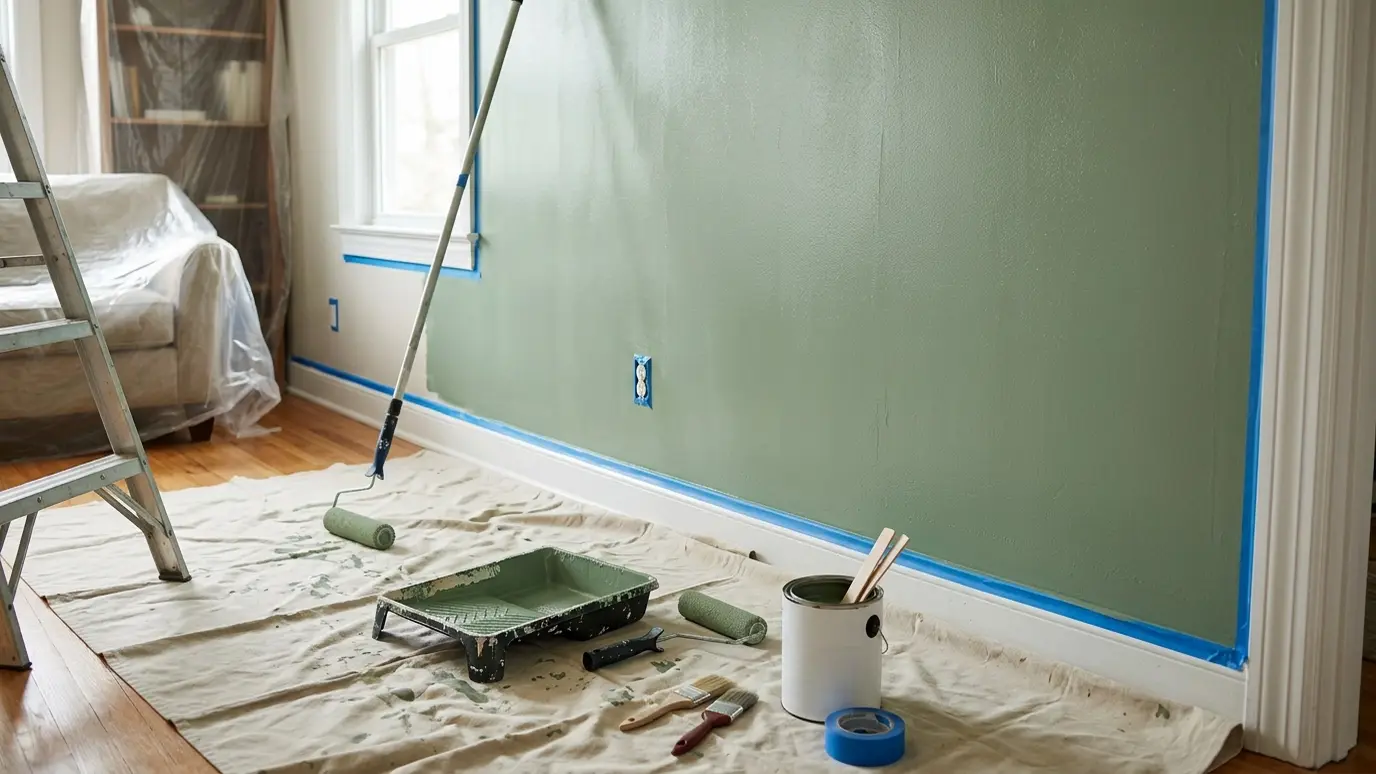 Painting and Finish WorkStain-blocking primer, patching, painting and trim work that make repaired areas disappear into the rest of the room.Explore
Tell us about the job and we will call you back quickly.
Or call (615) 357-7797 to talk now.