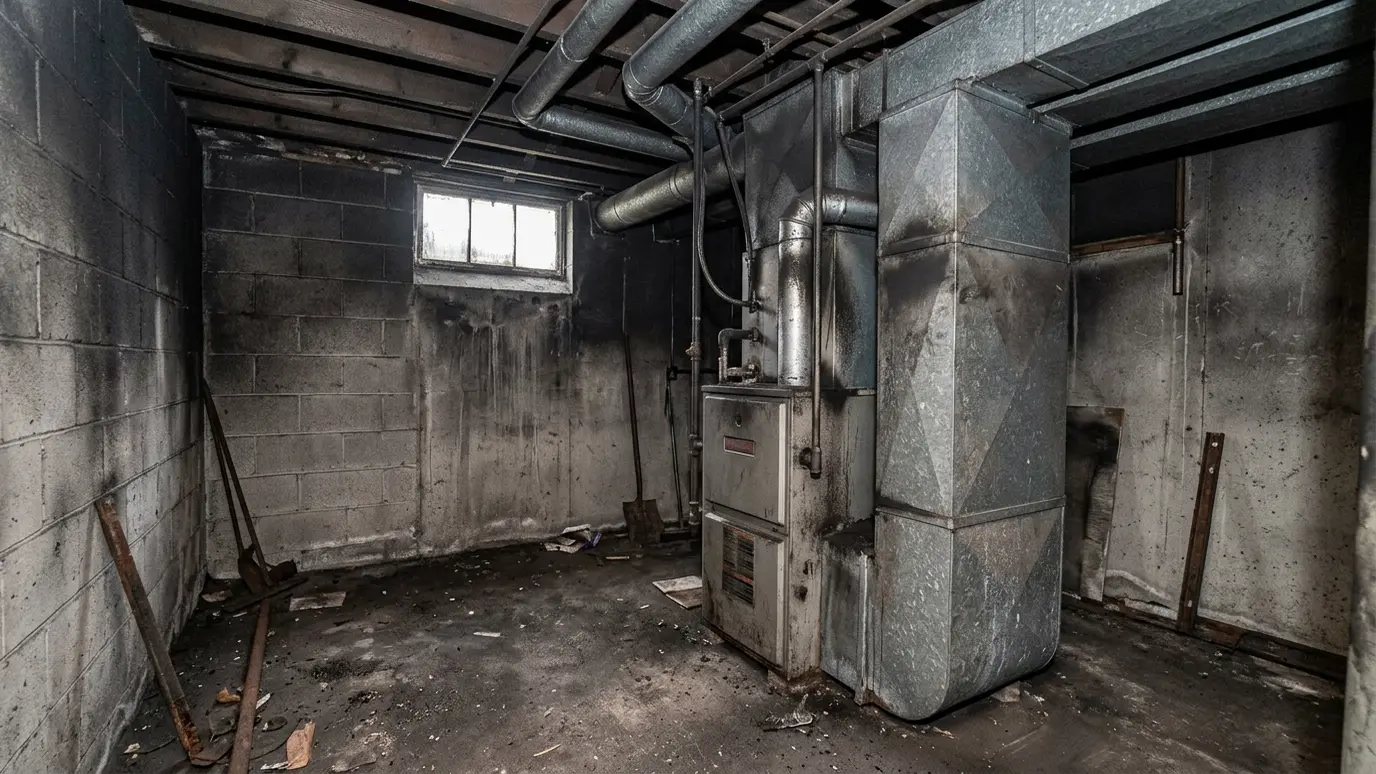
Oil furnace puffbacks and heater malfunctions can coat a home in fine black soot. We clean surfaces, ducts and belongings.
A puffback happens when an oil or gas heating system ignites late and sends a burst of soot out through the vents. The soot is fine, black and oily, and it spreads fast through the ductwork into every room, often within minutes.
Cleaning needs HEPA vacuuming, careful dry cleaning, wet cleaning where suitable and a thorough duct cleaning. Surfaces far from the furnace may be coated with a film you can barely see. We map the spread and clean in the right order so soot is not carried back into cleaned rooms.
Soot rides the blower into every duct and out of every vent. Even rooms with closed doors can be affected. Turn the system off and do not run it until it is checked.
It smears easily and resists plain water. We use degreasers and dry techniques first, which protects surfaces and keeps the film from staining.
The cause must be fixed before the system runs again. A qualified heating technician should inspect and repair the furnace, and we coordinate the timing.
Yearly service by a heating professional keeps burners and flues clean and lowers the risk of a puffback. Schedule it before cold weather.
Drag the handle to compare.
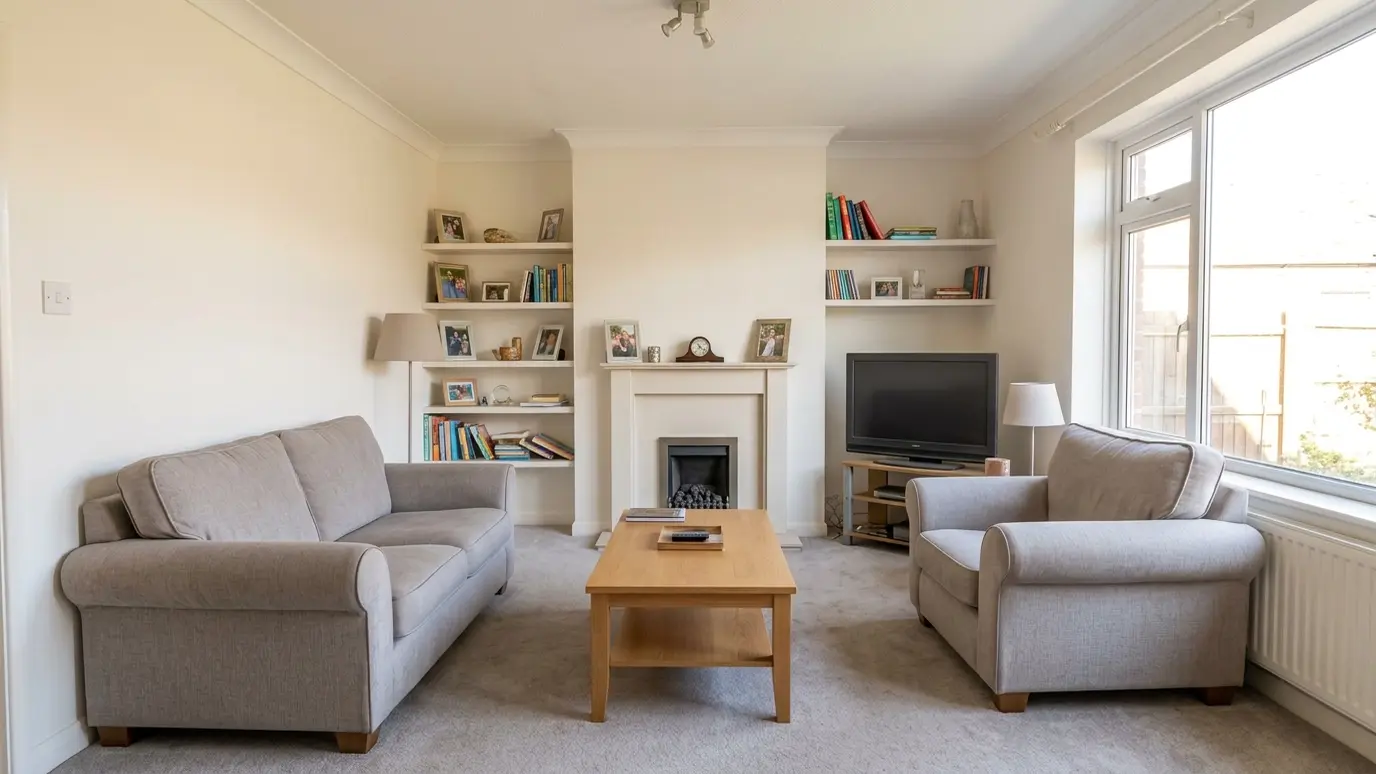
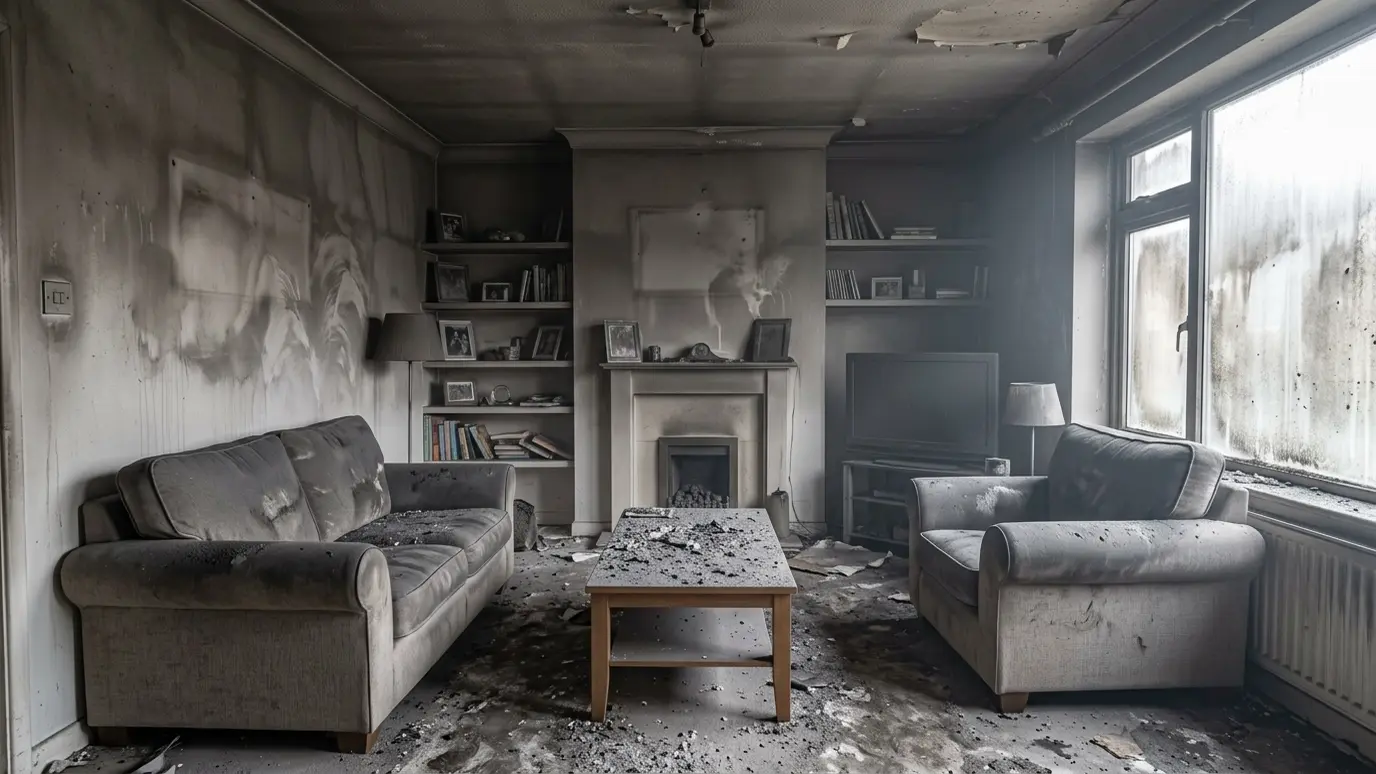 BeforeAfter
Soot spread traced through the house.
Walls, ceilings, floors and fixtures.
HVAC system cleaned before restart.
HEPA scrubbing while we work.
Furnace repaired before use.
Belongings cleaned or packed out.
Every topic has its own page with what to expect and how we approach it.
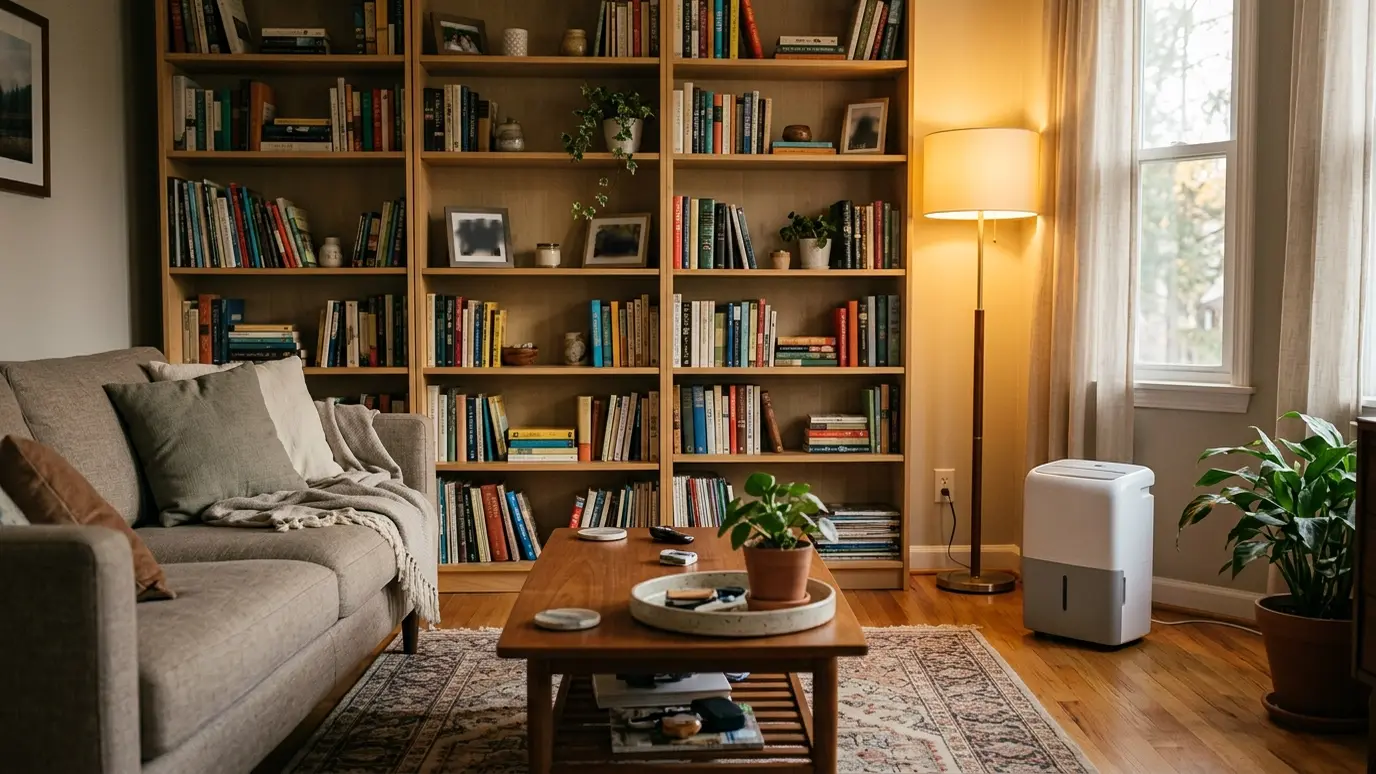 SituationHomeownersWhat homeowners should expect during a restoration project, from first call to final walk-through, and how to stay…Learn more
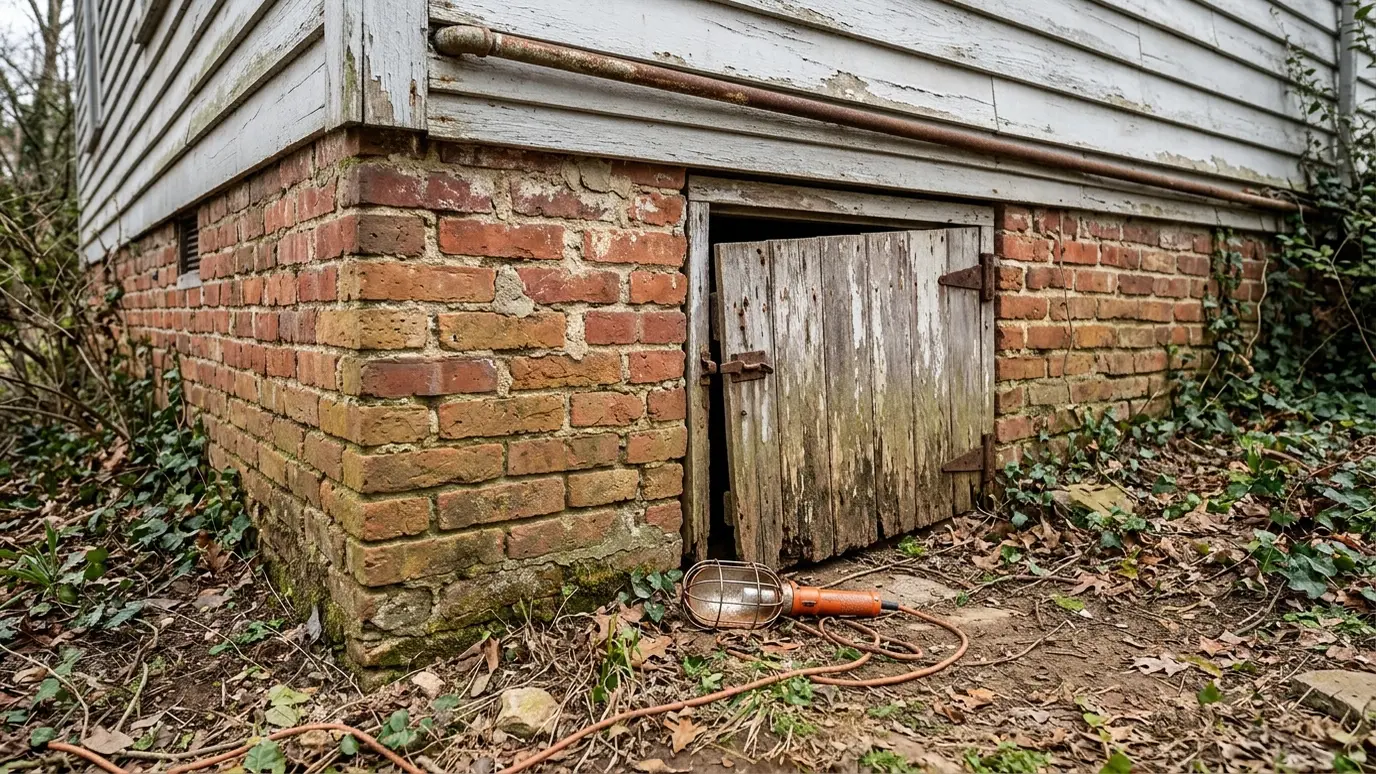 SituationOlder HomesPlaster, old wiring, crawl spaces and aging plumbing make restoration in older homes different. Here is what to…Learn more
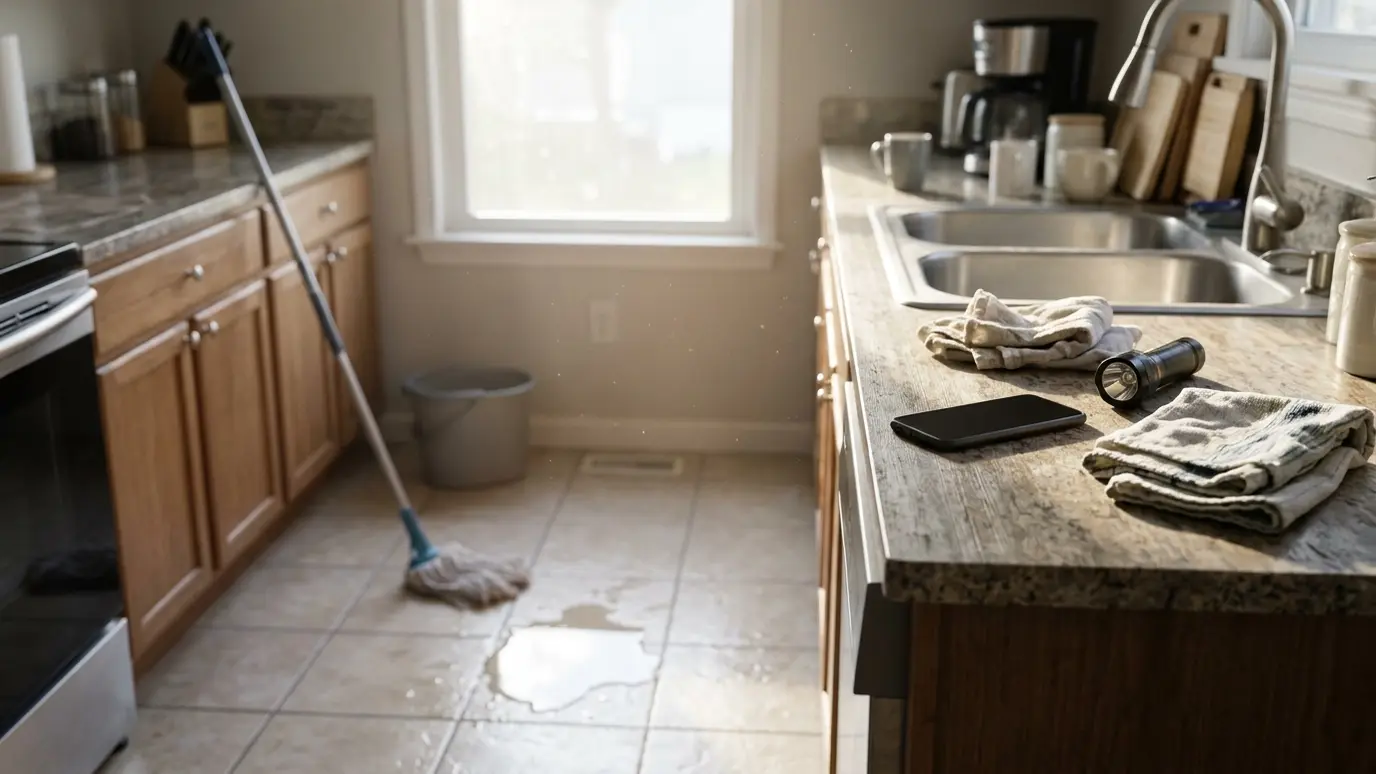 SituationThe First HoursThe first hours after water, fire or storm damage decide how big the problem gets. Here is what…Learn more
Pick the type of loss and get a printable checklist of what to do and what to avoid right now.
Tell us what happened and send photos if you can. We guide you on safety and plan the visit.
We find the source, map the damage with meters and thermal imaging and explain the plan.
Water extraction, board-up, tarping and removal of materials that cannot be saved.
Air movers, dehumidifiers and careful cleaning, with containment for fire and mold work.
Moisture readings and equipment adjustments until the structure is dry.
Repairs, paint and a final walk-through, with records you can keep.
No. Turn it off and call a heating technician and us. Running it spreads more soot.
Often through the whole house, because the blower and ducts distribute it. Even small puffbacks can touch every room.
Small spots with dry cleaning sponges may work, but wiping with water or household cleaner often smears and sets it. We recommend professional cleaning.
It can irritate the lungs. Limit time in the house and keep children, pets and people with breathing problems away.
Annual servicing and prompt repair of strange noises or smells help a lot.
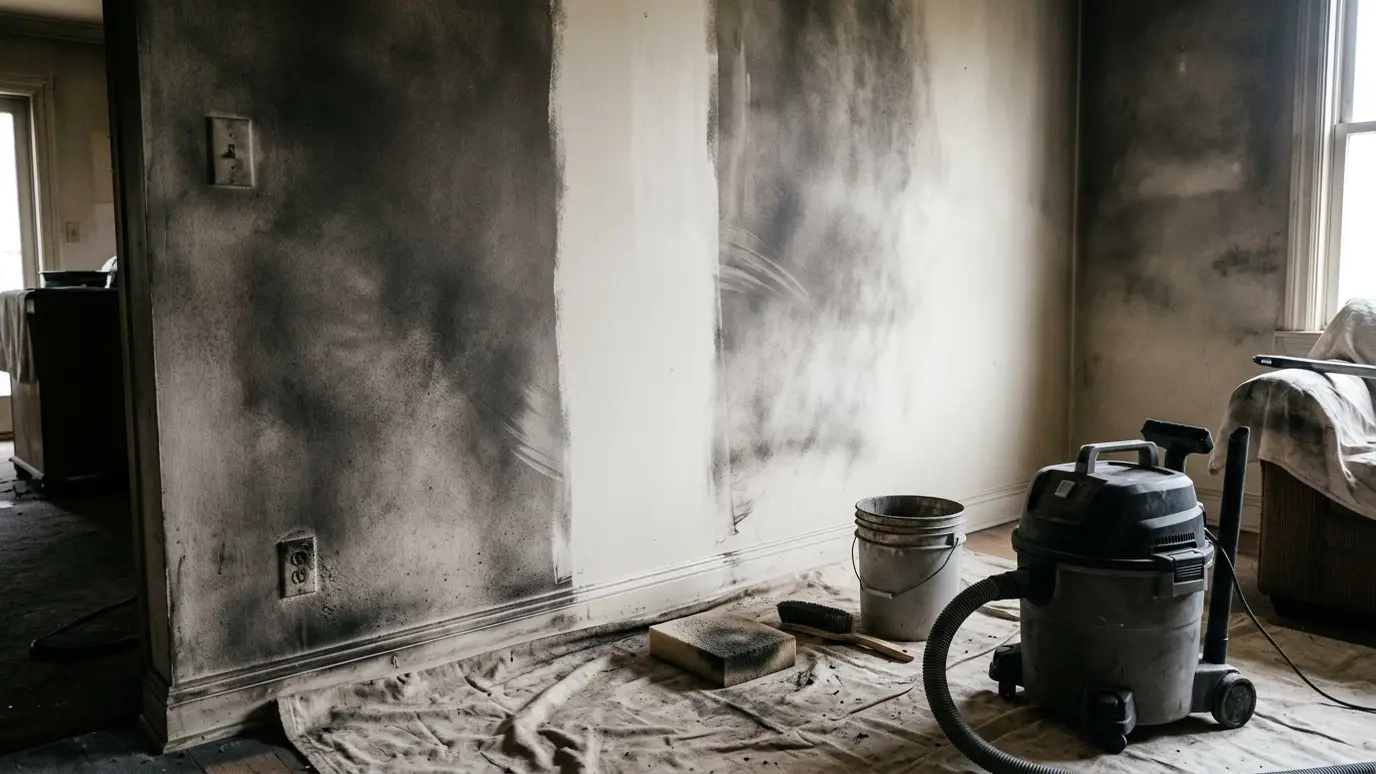 Smoke and Soot CleanupProfessional removal of soot and smoke film from walls, ceilings, floors and belongings, using methods that lift soot…Explore
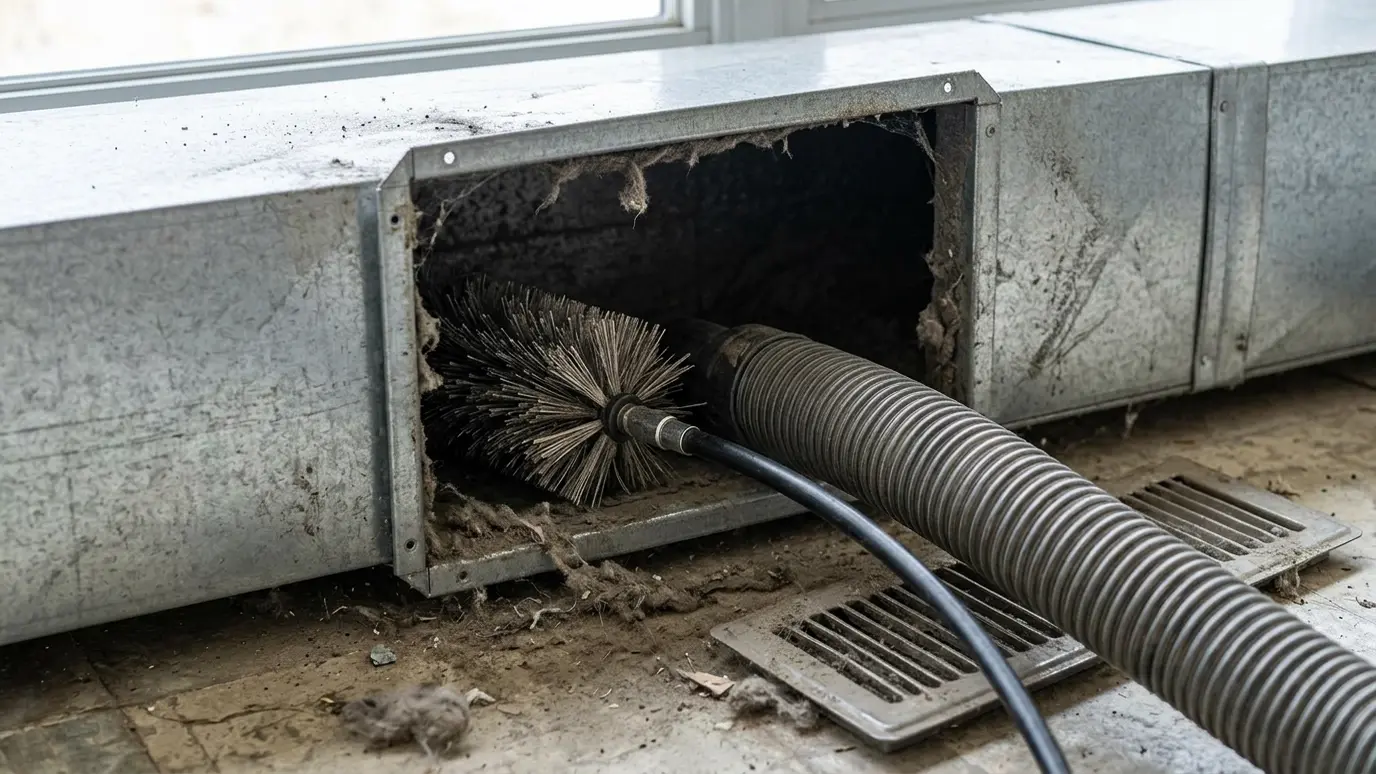 HVAC and Duct CleaningAir handlers, coils and ducts cleaned after mold, smoke or water damage so clean air is what actually…Explore
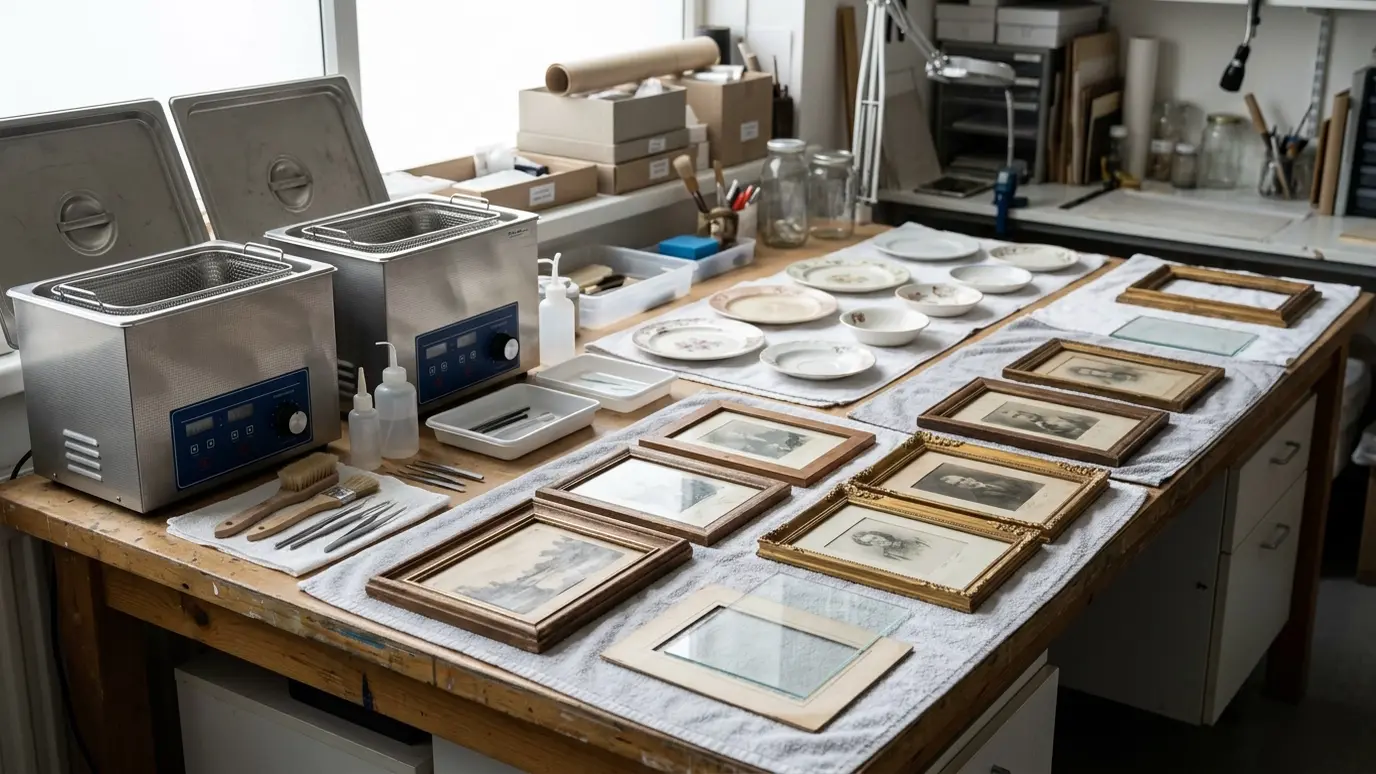 Contents CleaningDishes, clothing, decor, toys and keepsakes cleaned and restored after smoke, soot or water damage.Explore
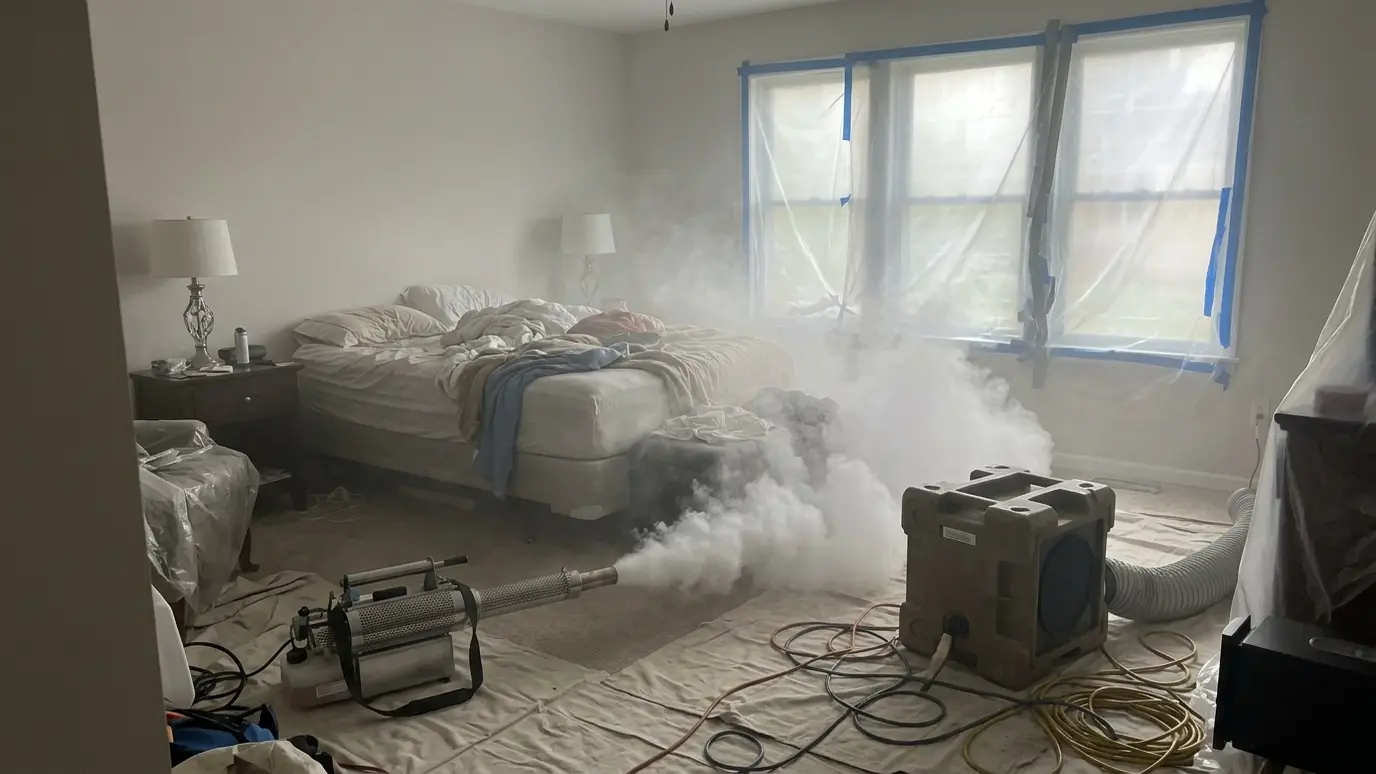 Smoke Odor RemovalSmoke smell removed at the source with cleaning, air scrubbing and thermal fogging or hydroxyl treatment where appropriate.Explore
Tell us about the job and we will call you back quickly.
Or call (615) 357-7797 to talk now.