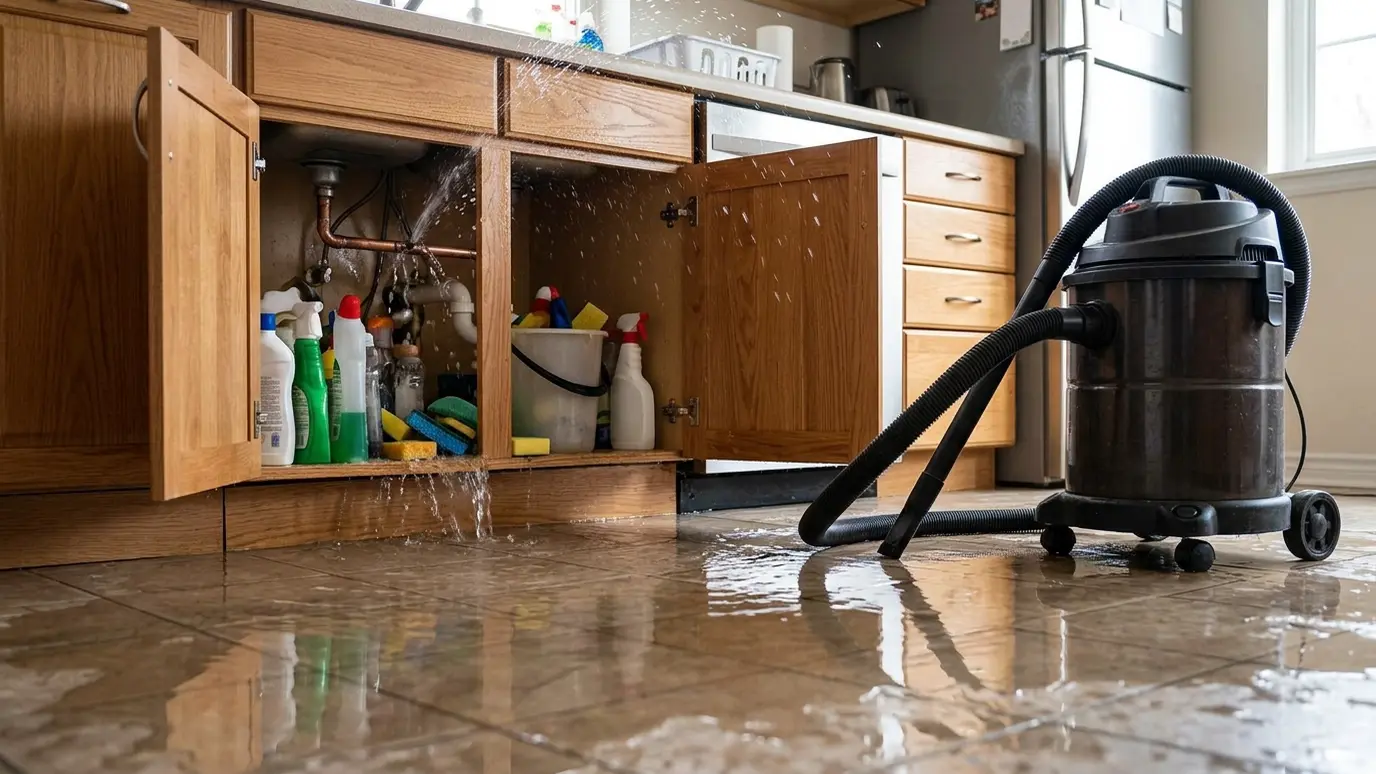
A burst or frozen pipe can release hundreds of gallons in minutes. We stop the spread, remove the water and dry what is left.
A burst pipe is one of the fastest ways to flood a house. A split supply line can release a huge amount of water in a short time, and a pipe that bursts inside a wall may run for hours before anyone notices. Winter freezes, old fittings and sudden pressure spikes are common causes.
The first steps are quick: shut off the water at the main and, if it is safe, turn off power to wet areas. Then call us. We remove the water, open walls and ceilings where water is trapped, dry the structure and document everything, so a plumber can repair the pipe and the rebuild can begin on solid ground.
Knowing where your main shutoff is can save thousands of gallons. Turn it off, open a faucet low in the house to drain the lines and call us. We help from there.
Pipes run through walls and ceilings, so water often spreads inside cavities. We cut small inspection openings, measure moisture and open only what is needed to dry properly.
The leak has to be fixed before drying means anything. We coordinate with your plumber, dry around their work and avoid delays that leave materials wet.
After a burst, a plumber may suggest replacing the section of old pipe, adding a pressure regulator or insulating exposed lines. Those small steps often prevent a repeat.
Drag the handle to compare.
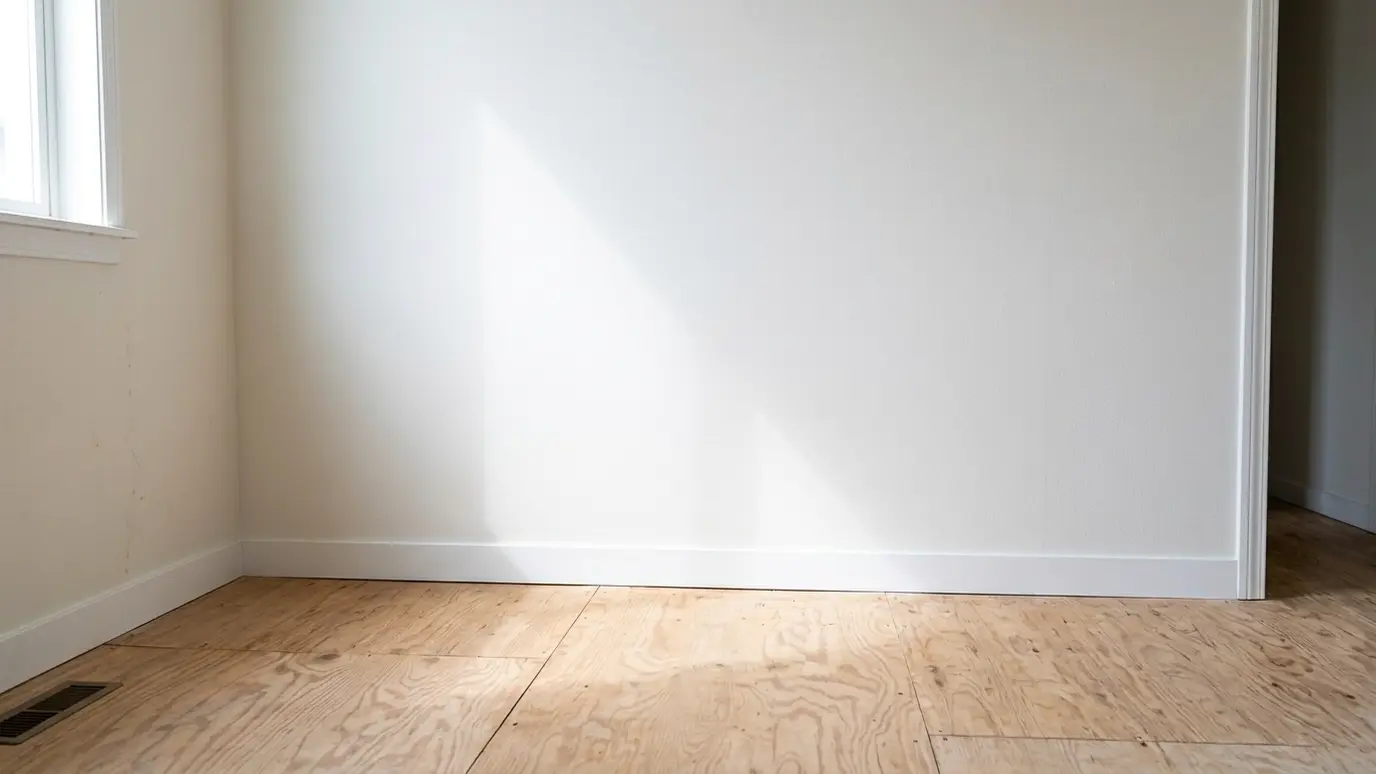
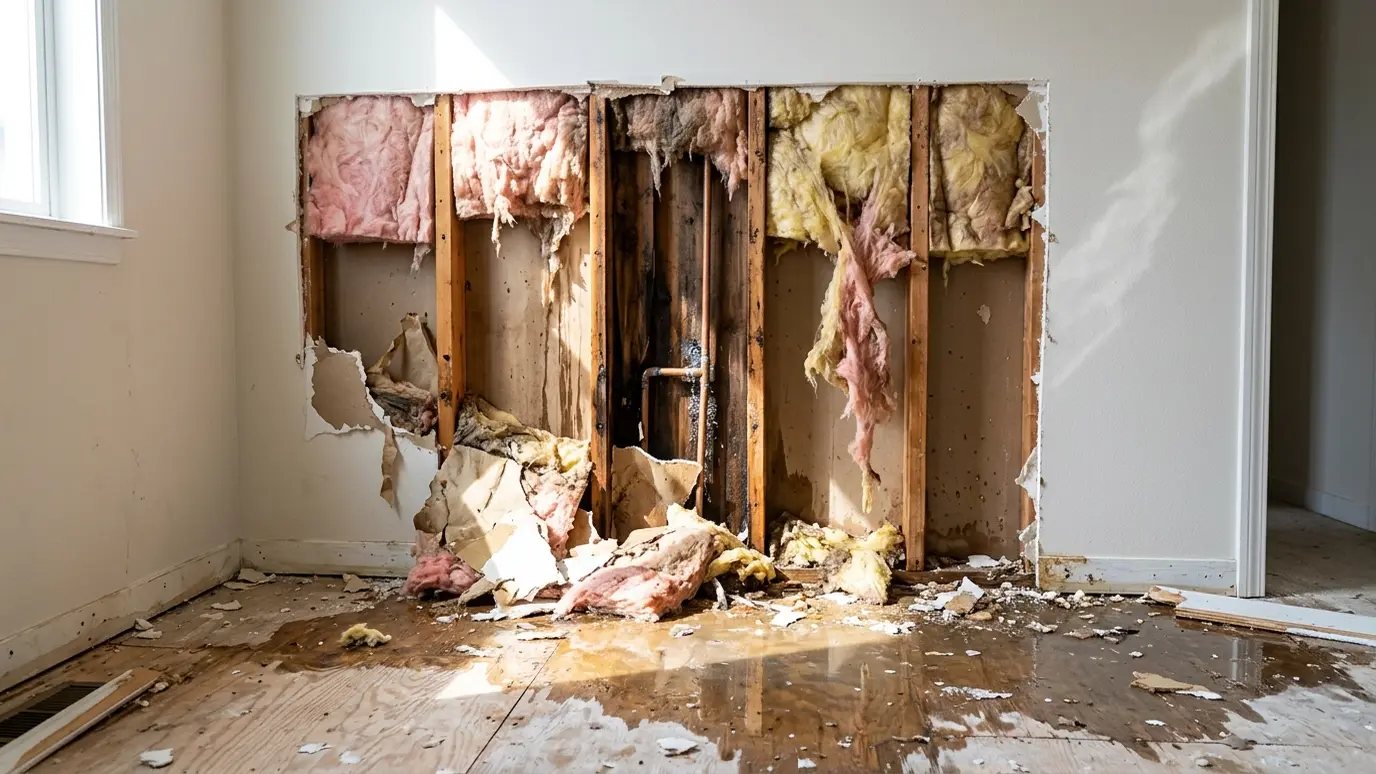 BeforeAfter
We help you stop the flow and stay safe.
Standing water removed quickly.
Meters and thermal imaging in walls and ceilings.
Dry-out timed around the pipe repair.
Records for your claim.
Clean, dry structure for repairs.
Every topic has its own page with what to expect and how we approach it.
 SituationThe First HoursThe first hours after water, fire or storm damage decide how big the problem gets. Here is what…Learn more
 SituationHomeownersWhat homeowners should expect during a restoration project, from first call to final walk-through, and how to stay…Learn more
 SituationInsurance and ClaimsA plain-English guide to documenting a loss, talking with your insurance company and keeping a claim organized.Learn more
Enter the room size and the wet area and see a planning count of air movers, dehumidifier capacity and typical drying days.
Tell us what happened and send photos if you can. We guide you on safety and plan the visit.
We find the source, map the damage with meters and thermal imaging and explain the plan.
Water extraction, board-up, tarping and removal of materials that cannot be saved.
Air movers, dehumidifiers and careful cleaning, with containment for fire and mold work.
Moisture readings and equipment adjustments until the structure is dry.
Repairs, paint and a final walk-through, with records you can keep.
Shut off the main water valve, then call us. If it is safe to reach, switch off power to wet areas at the breaker. Stay out of standing water near outlets and appliances.
Often only small sections. We measure first and open the minimum needed to dry insulation and framing.
Many jobs dry in a few days. Thick materials, hardwood and plaster take longer, and we keep readings until the structure reaches its dry goal.
Often, yes. Insulating exposed pipes, sealing drafts and letting a faucet drip in a hard freeze help. Our prevention guide has a checklist.
It depends on age and material. A plumber can inspect and advise, and we can share what we saw during the dry-out.
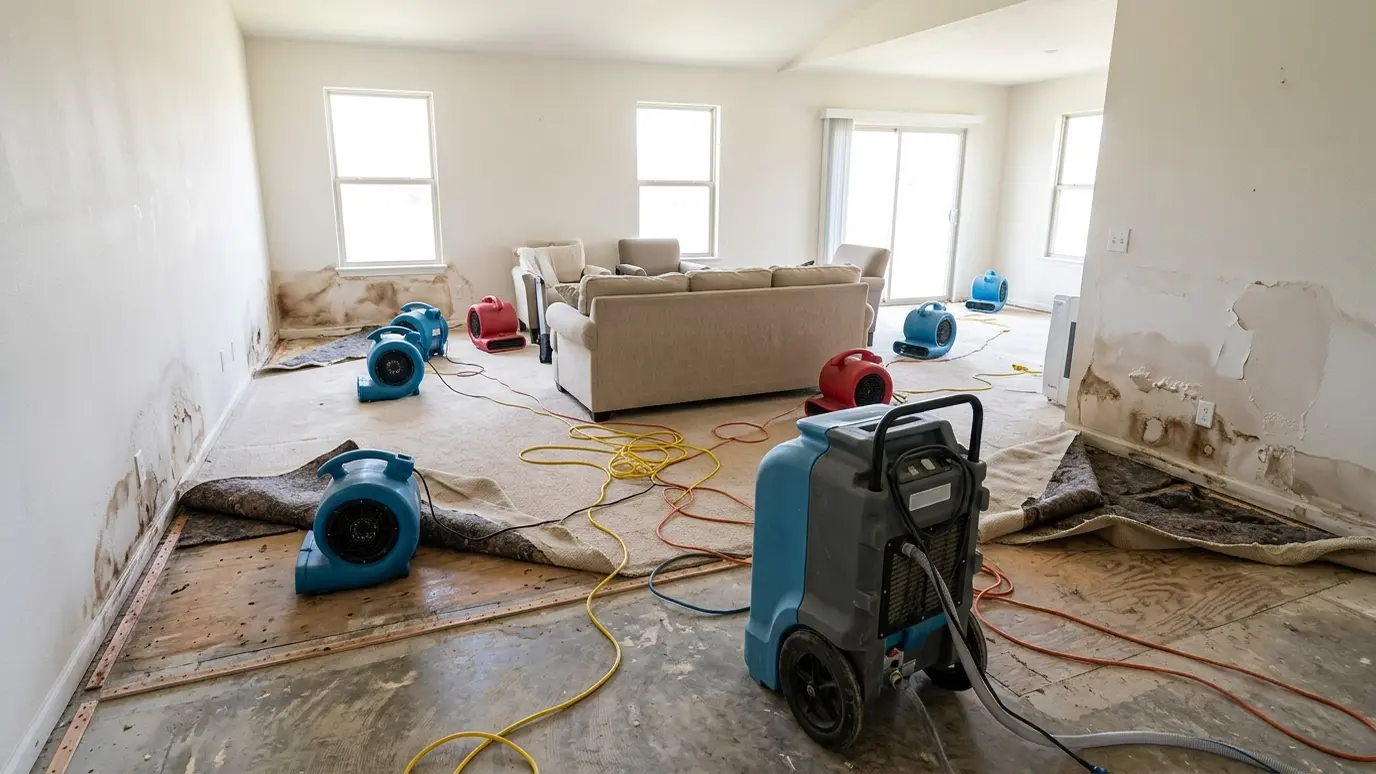 Water Damage RestorationWater removed, structure dried and the damage documented, so your home gets back to normal before mold and…Explore
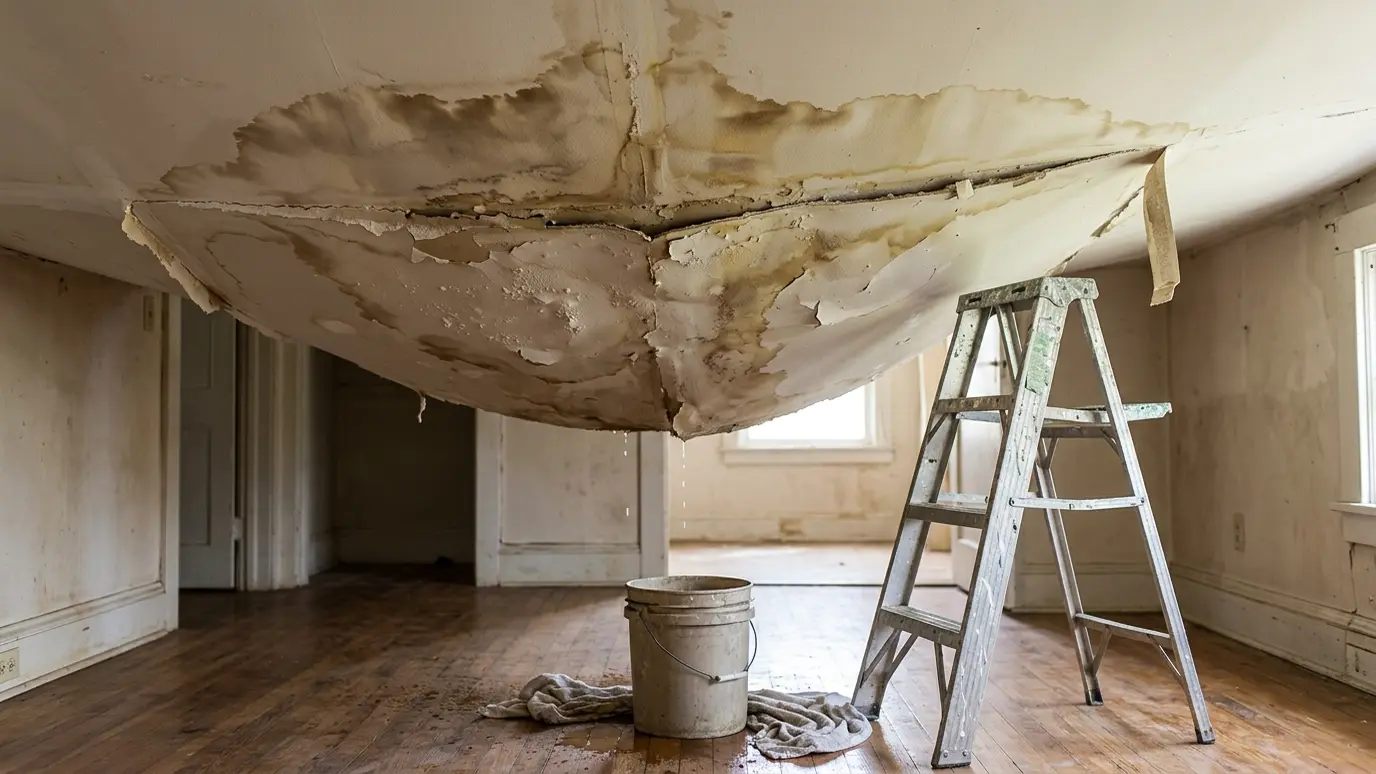 Ceiling and Wall DamageStained, sagging or wet ceilings and walls dried, opened where needed and repaired, with the source found first.Explore
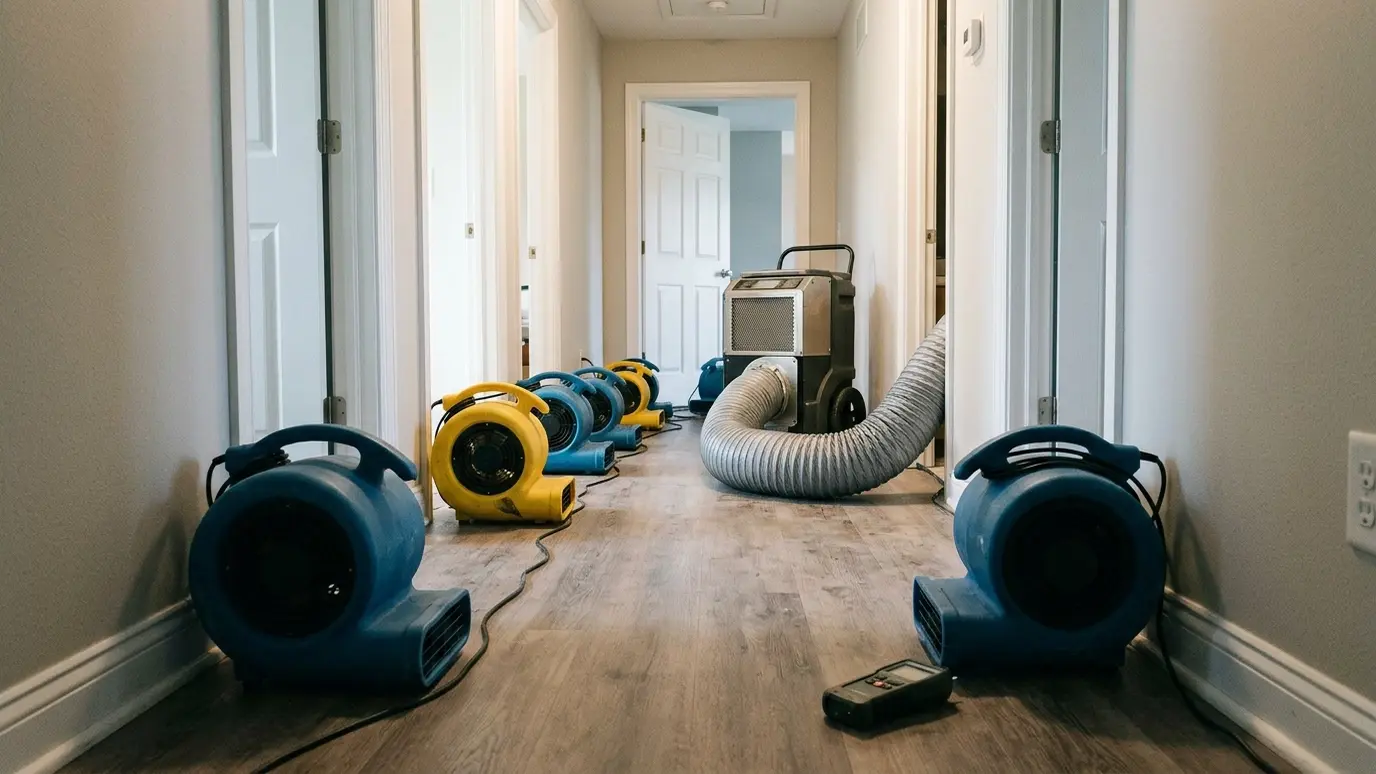 Structural DryingControlled drying of floors, walls and framing using air movers, dehumidifiers and daily moisture readings.Explore
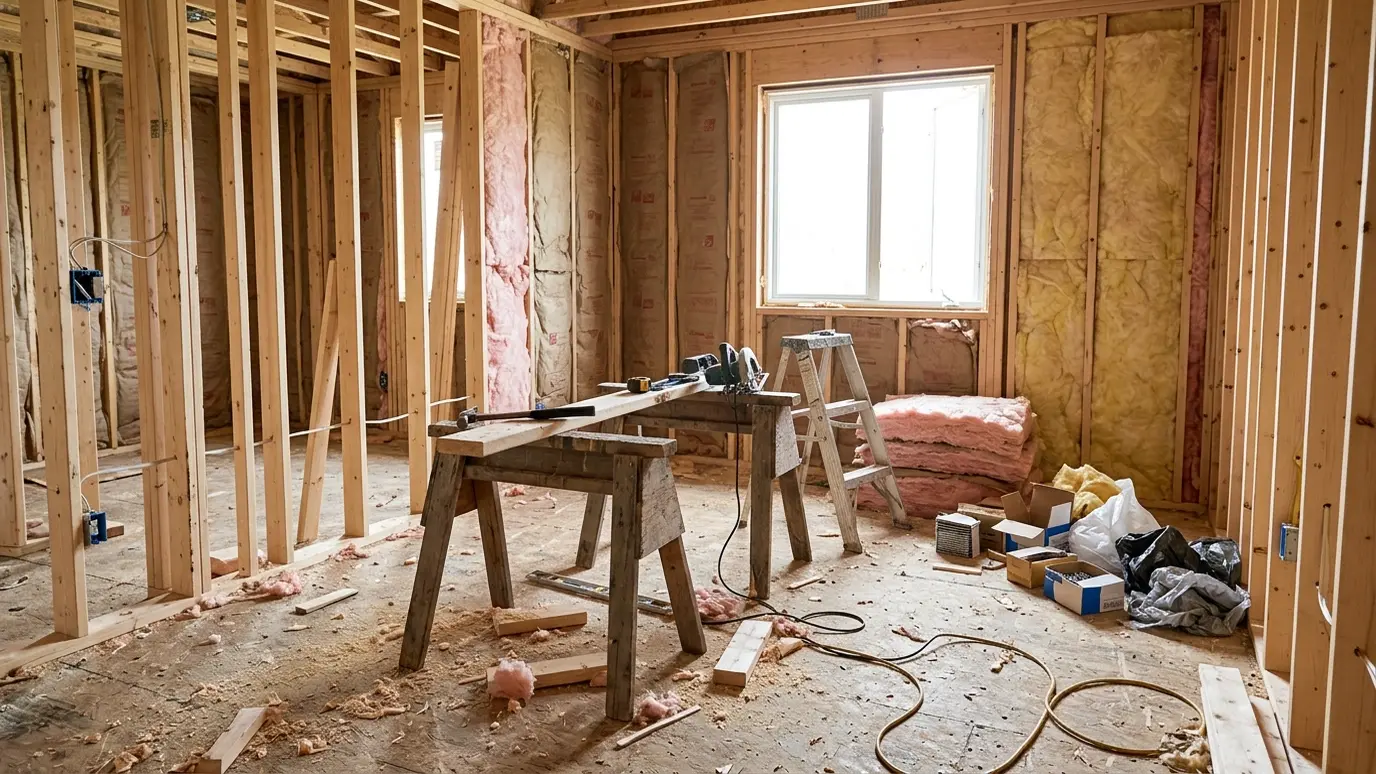 Reconstruction and RebuildFrom drying to the final coat of paint: repairs and rebuilding coordinated so your home is restored to…Explore
Tell us about the job and we will call you back quickly.
Or call (615) 357-7797 to talk now.