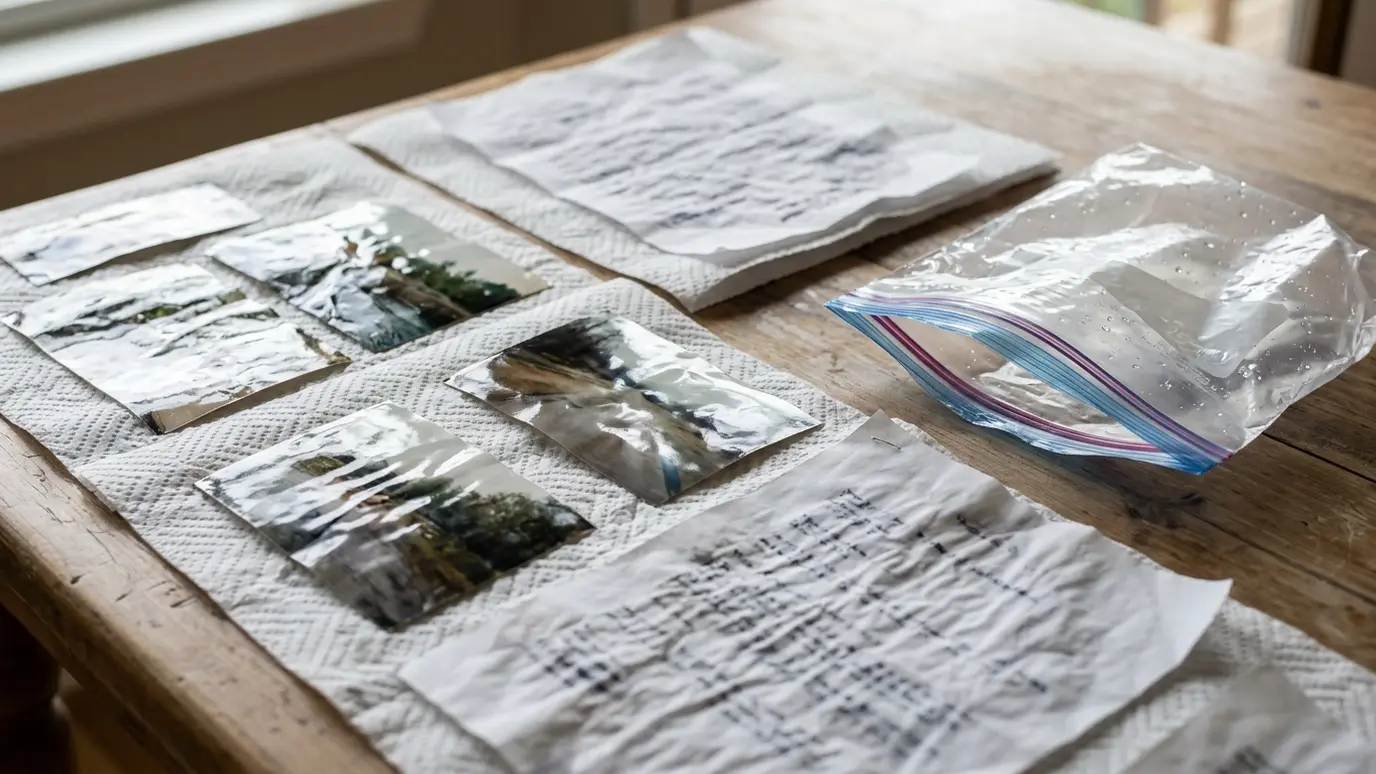
Wet papers, photographs and books stabilized and dried so memories and records are saved when possible.
Papers, photographs and books are among the first things people worry about after a flood, and the most urgent. Wet paper begins to mold in a couple of days, and photographs stick together as they dry.
Stabilizing them quickly is the key. We separate and clean what we can, freeze items that cannot be dried right away and use controlled drying methods. We tell you honestly which items are likely to be saved. Time is the biggest factor with wet paper. We advise families to place wet photographs and documents in a freezer if they cannot be dried right away, and we can pick them up from there. Items are then thawed, separated, cleaned and dried slowly, and the most important records can be scanned so that copies exist even if an original is faded or stained.
Mold can begin quickly on paper. Freezing wet items stops damage and buys time.
Photographs and papers stick together as they dry. Gentle separation in clean water is best done by experienced hands.
Some items cannot be saved. We tell you what is likely and what is not, and we recommend scanning of important records.
Once documents and photos are dry, scan them. Digital copies protect against the next loss.
Drag the handle to compare.
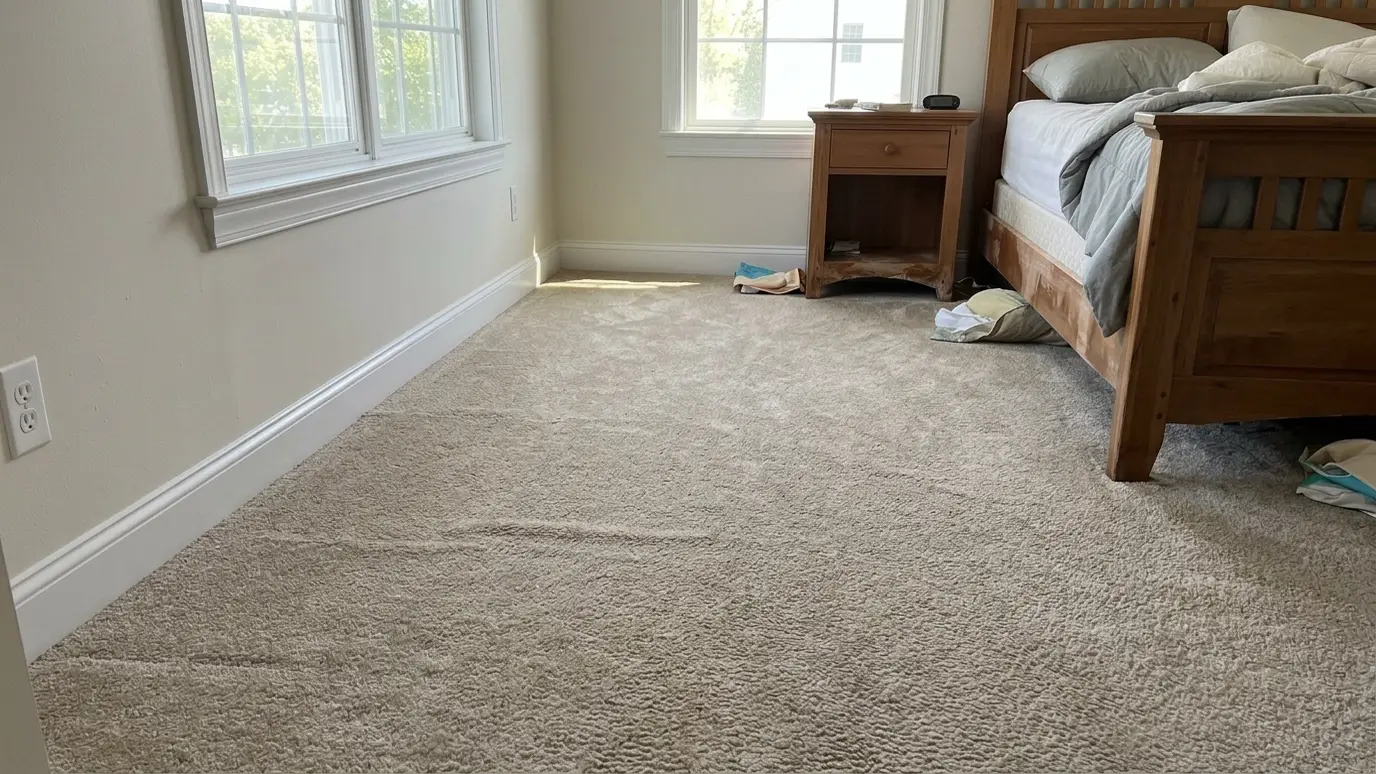
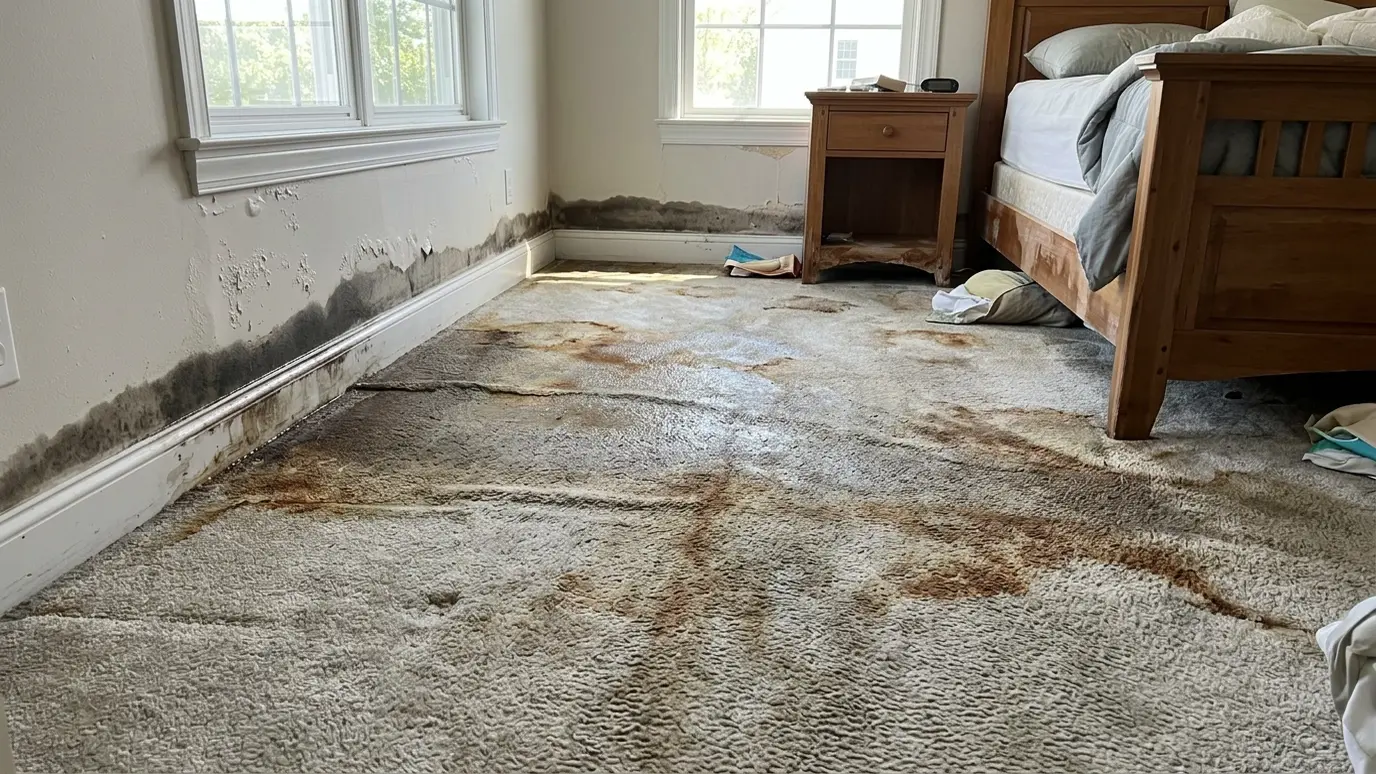 BeforeAfter
Freezing and gentle handling.
Careful separation.
Air and vacuum drying methods.
Protected during transport.
What can be saved.
Digital backups of key documents.
Every topic has its own page with what to expect and how we approach it.
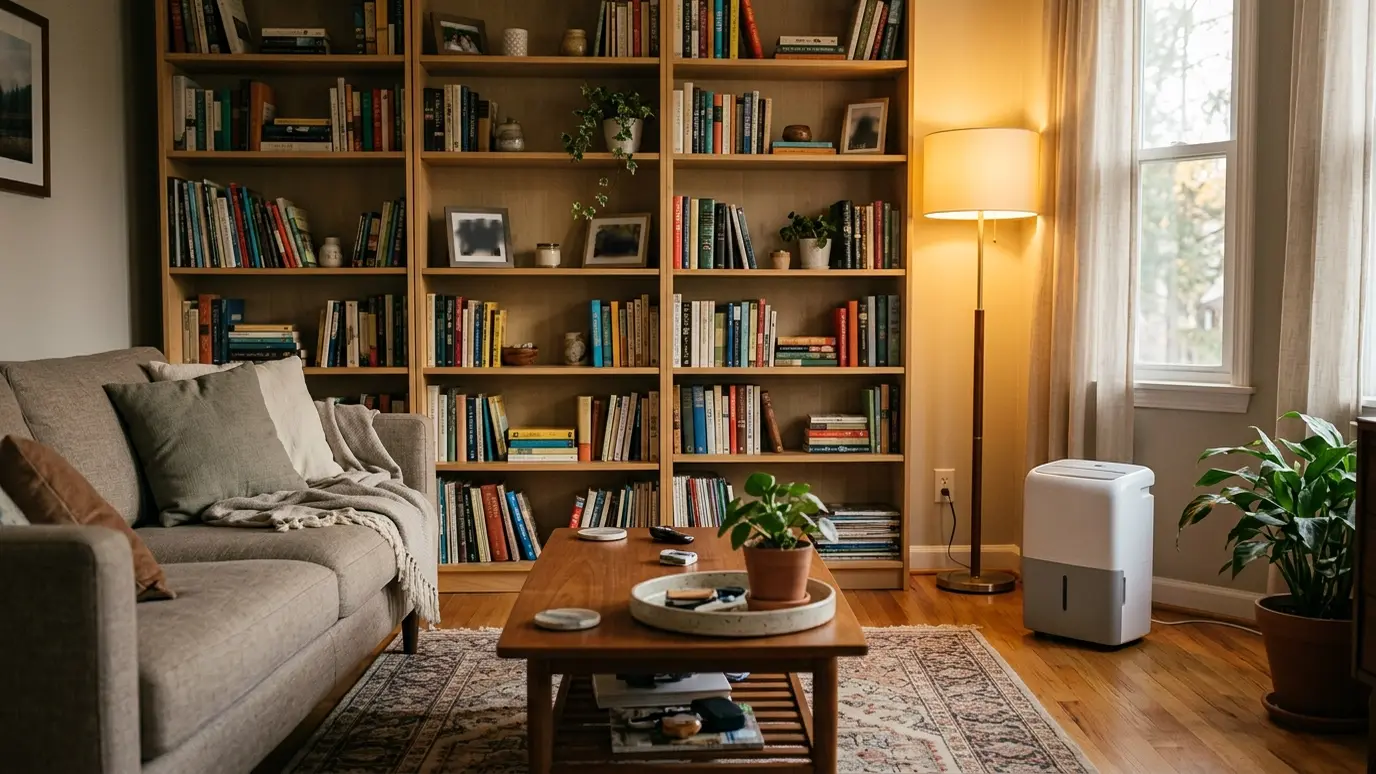 SituationHomeownersWhat homeowners should expect during a restoration project, from first call to final walk-through, and how to stay…Learn more
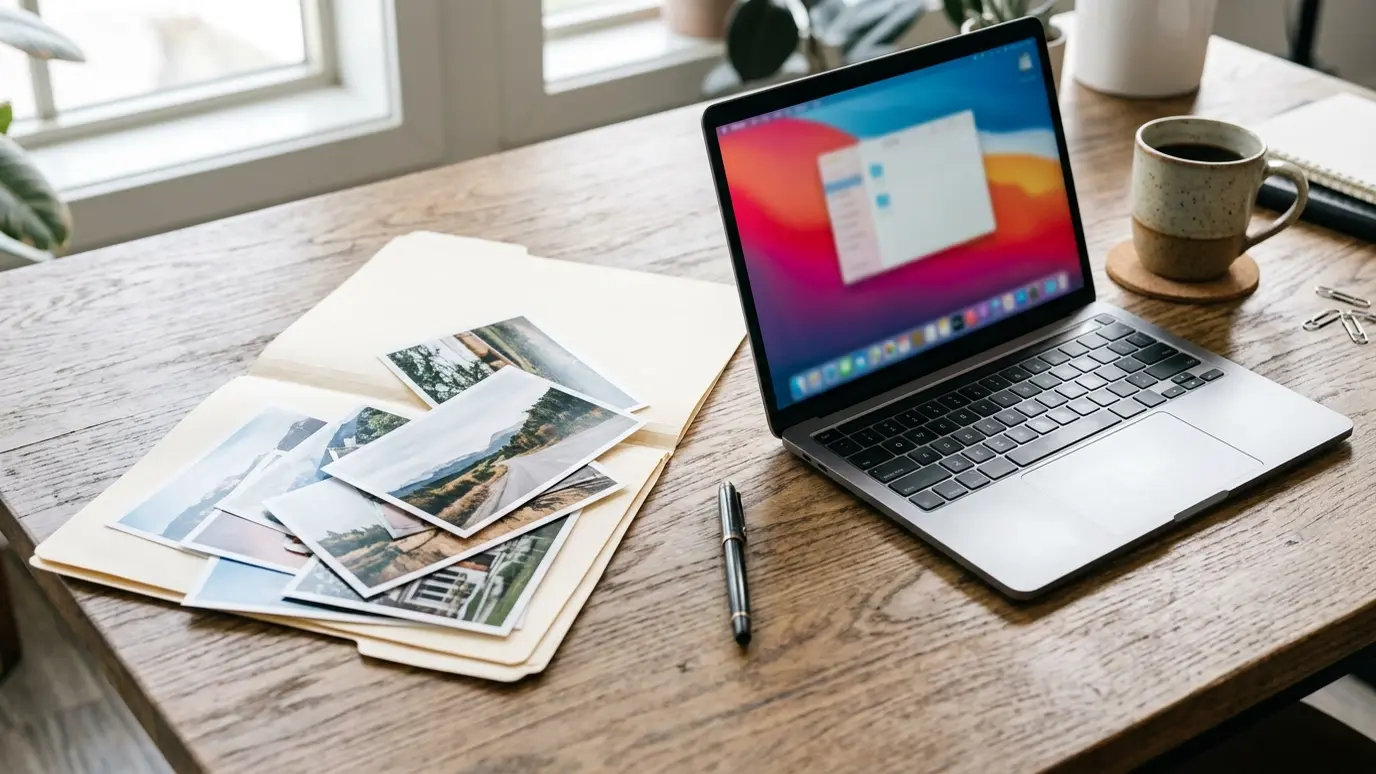 SituationInsurance and ClaimsA plain-English guide to documenting a loss, talking with your insurance company and keeping a claim organized.Learn more
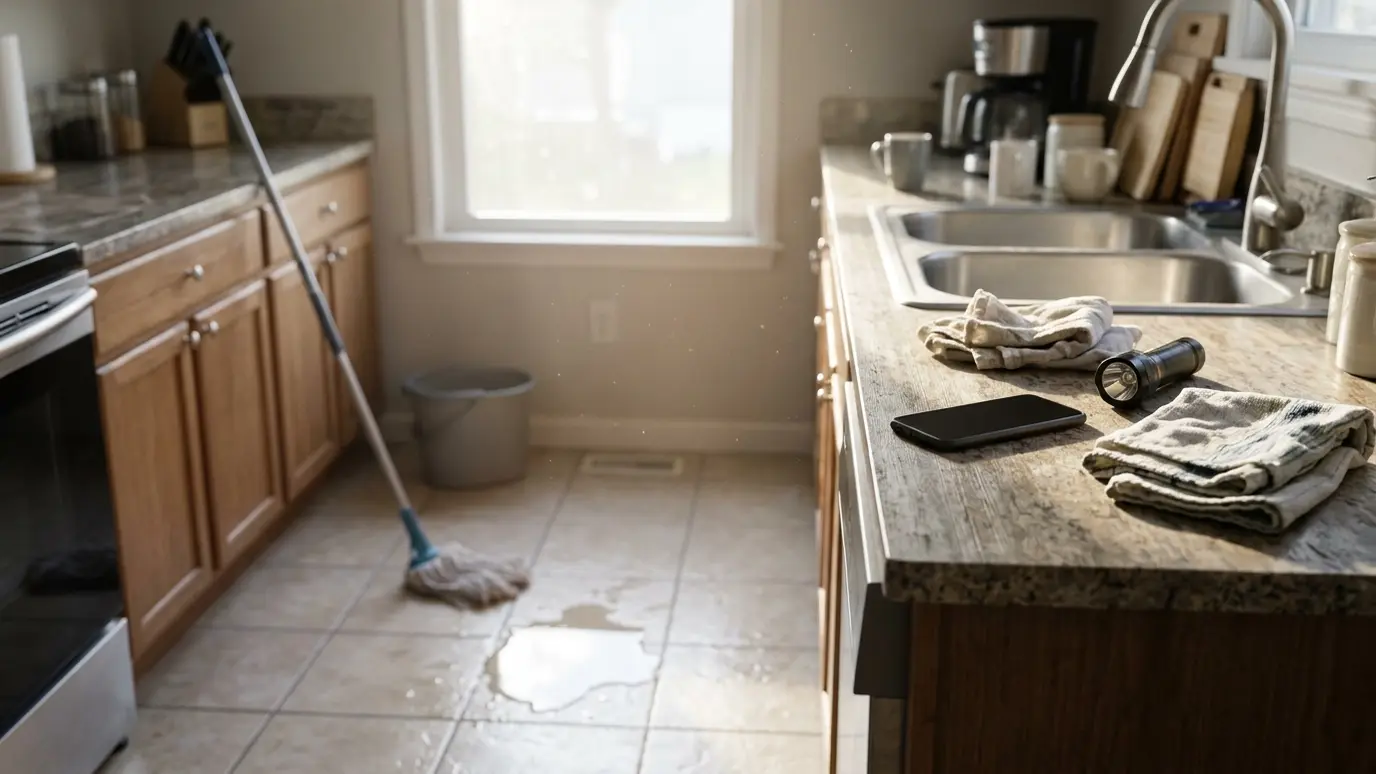 SituationThe First HoursThe first hours after water, fire or storm damage decide how big the problem gets. Here is what…Learn more
Pick an item and the kind of damage and see whether it is usually kept, cleaned or thrown away.
Tell us what happened and send photos if you can. We guide you on safety and plan the visit.
We find the source, map the damage with meters and thermal imaging and explain the plan.
Water extraction, board-up, tarping and removal of materials that cannot be saved.
Air movers, dehumidifiers and careful cleaning, with containment for fire and mold work.
Moisture readings and equipment adjustments until the structure is dry.
Repairs, paint and a final walk-through, with records you can keep.
Do not let them dry stuck together. Rinse gently in clean water, lay them flat on clean paper or freeze them in a freezer bag until help is available.
Often, if frozen or dried quickly. Heavily soaked or contaminated books may not be saved.
Yes. Freezing stops mold and buys time for proper drying.
Yes. Antique and delicate prints may need a conservator.
We can recommend scanning services and prepare items for it.
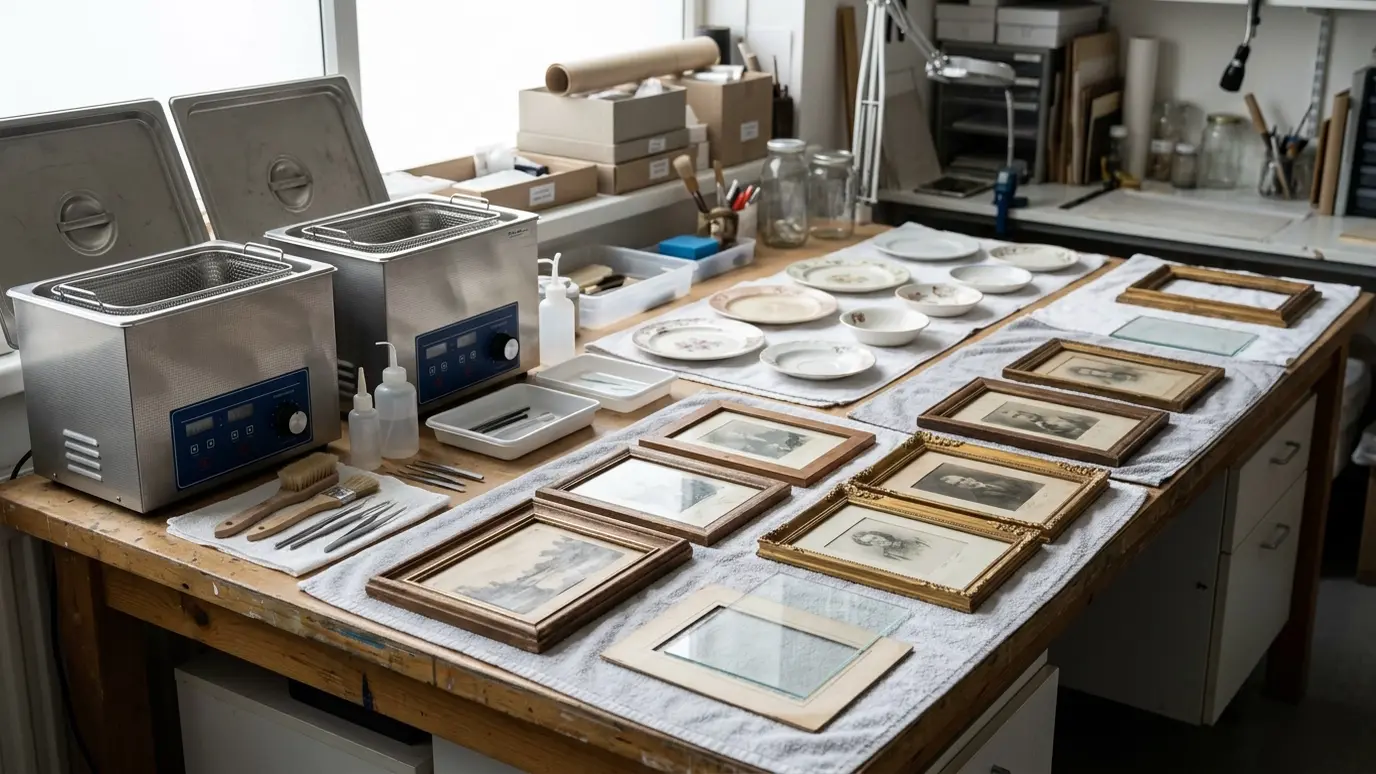 Contents CleaningDishes, clothing, decor, toys and keepsakes cleaned and restored after smoke, soot or water damage.Explore
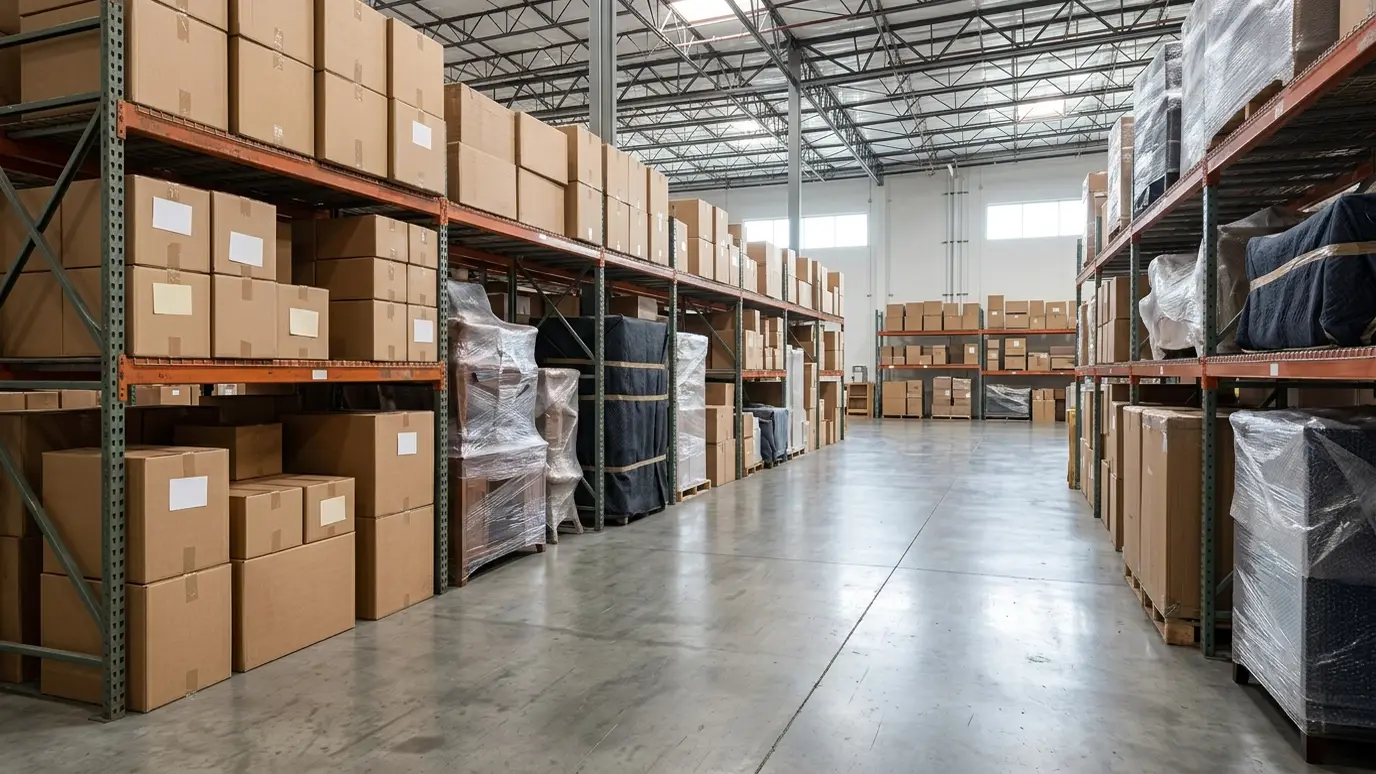 Contents Pack-OutBelongings inventoried, packed, moved and stored safely during restoration, then cleaned and returned when your home is ready.Explore
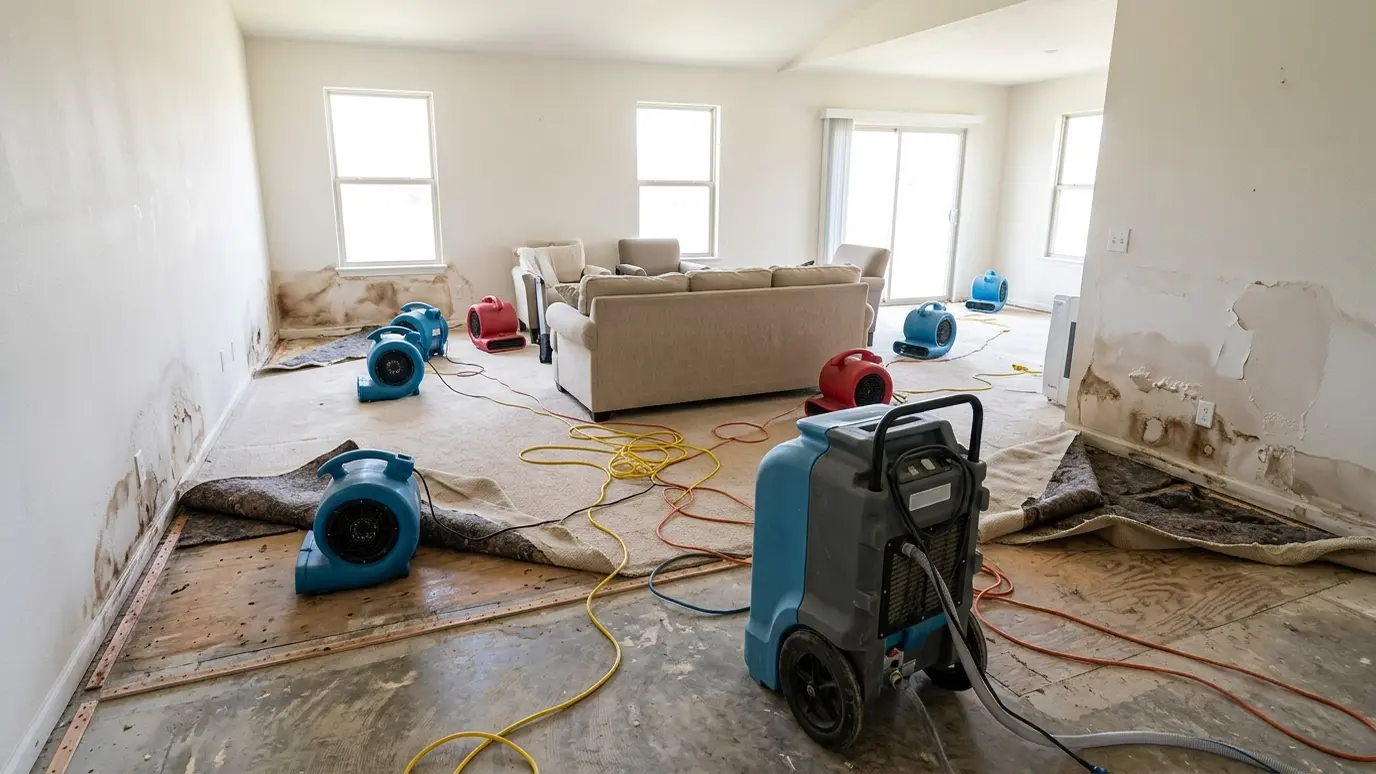 Water Damage RestorationWater removed, structure dried and the damage documented, so your home gets back to normal before mold and…Explore
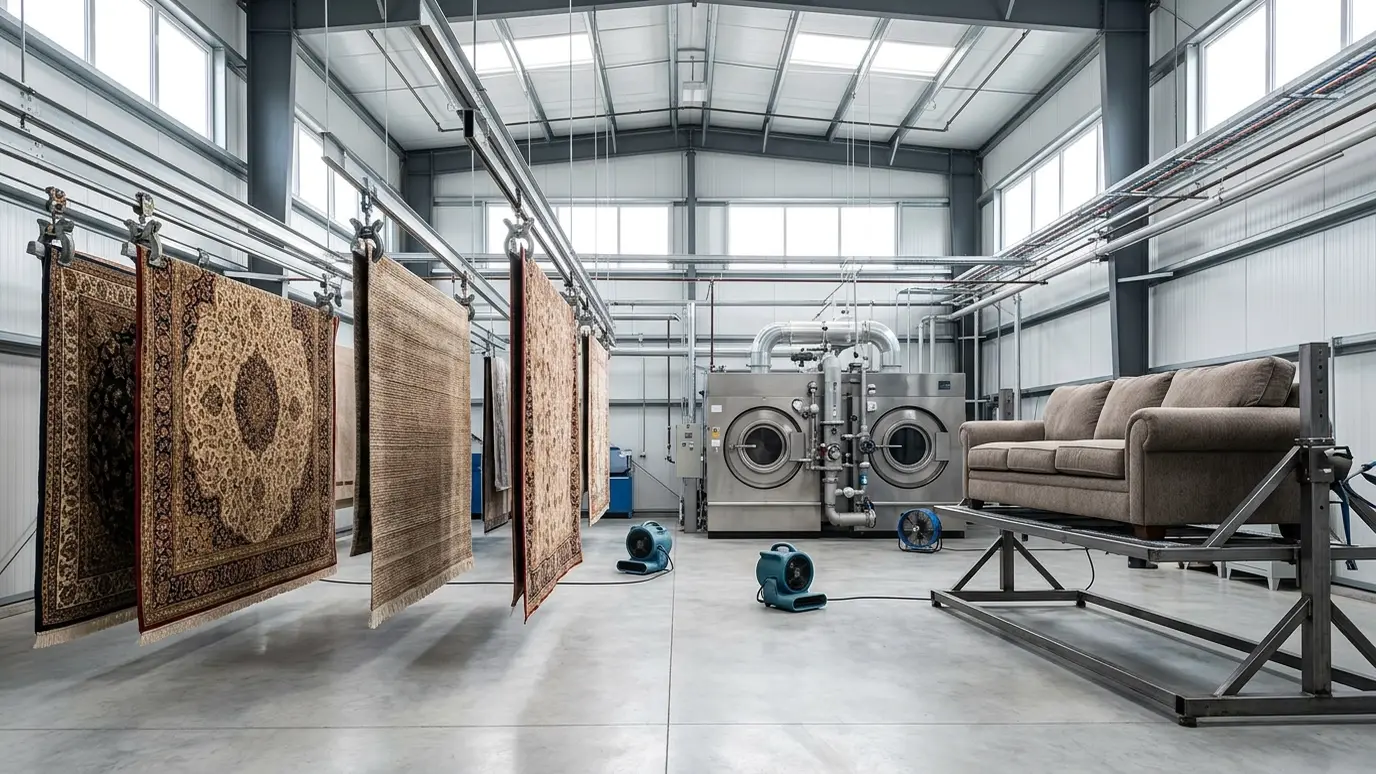 Furniture and TextilesSofas, mattresses, rugs, drapes and clothing cleaned after smoke, soot or water, with honest advice on what to…Explore
Tell us about the job and we will call you back quickly.
Or call (615) 357-7797 to talk now.