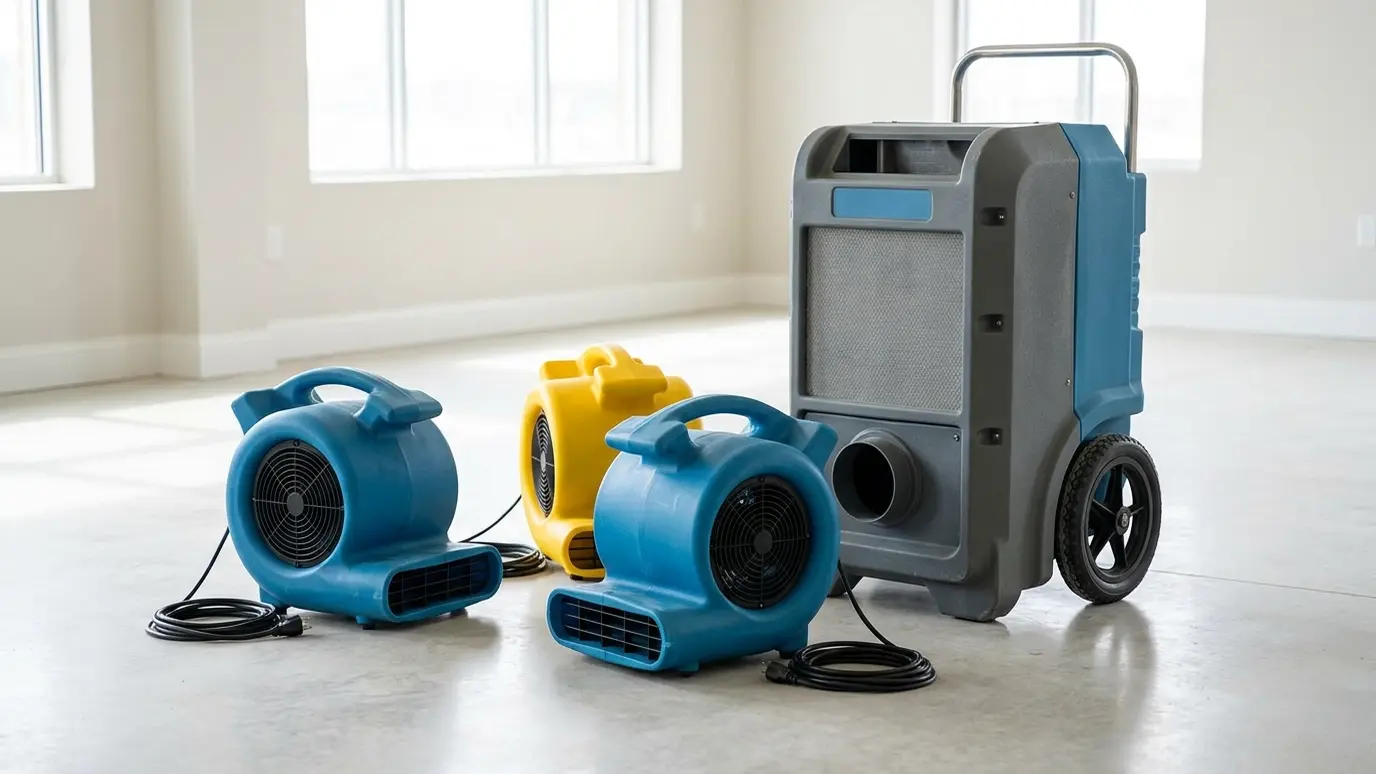
Air movers, dehumidifiers and drying mats explained: what each does, how they work together and why the right mix matters.
Professional drying depends on three types of equipment working together. Air movers push air across wet surfaces to lift moisture. Dehumidifiers pull that moisture out of the air so it cannot settle again. Drying mats and panels pull moisture from floors and walls.
Without a dehumidifier, air movers only move water around and can raise humidity. Without air movers, a dehumidifier dries the air but not the materials. The right mix depends on the size of the space, the materials and the amount of water.
Push air across wet surfaces.
Remove moisture from the air.
Pull water out of floors.
Stop-start slows drying.
Angle and spacing decide results.
Adjusted by readings.
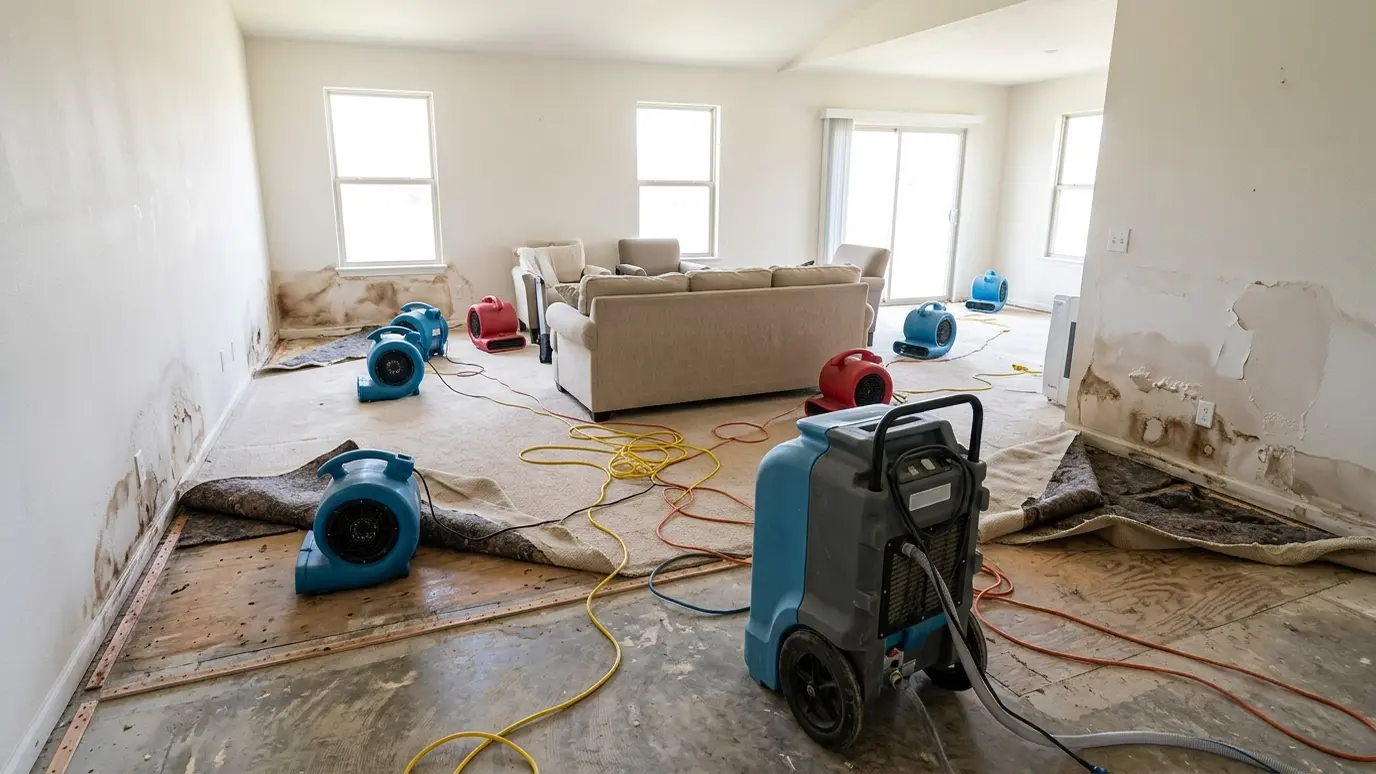 Water Damage RestorationWater removed, structure dried and the damage documented, so your home gets back to normal before mold and…Explore
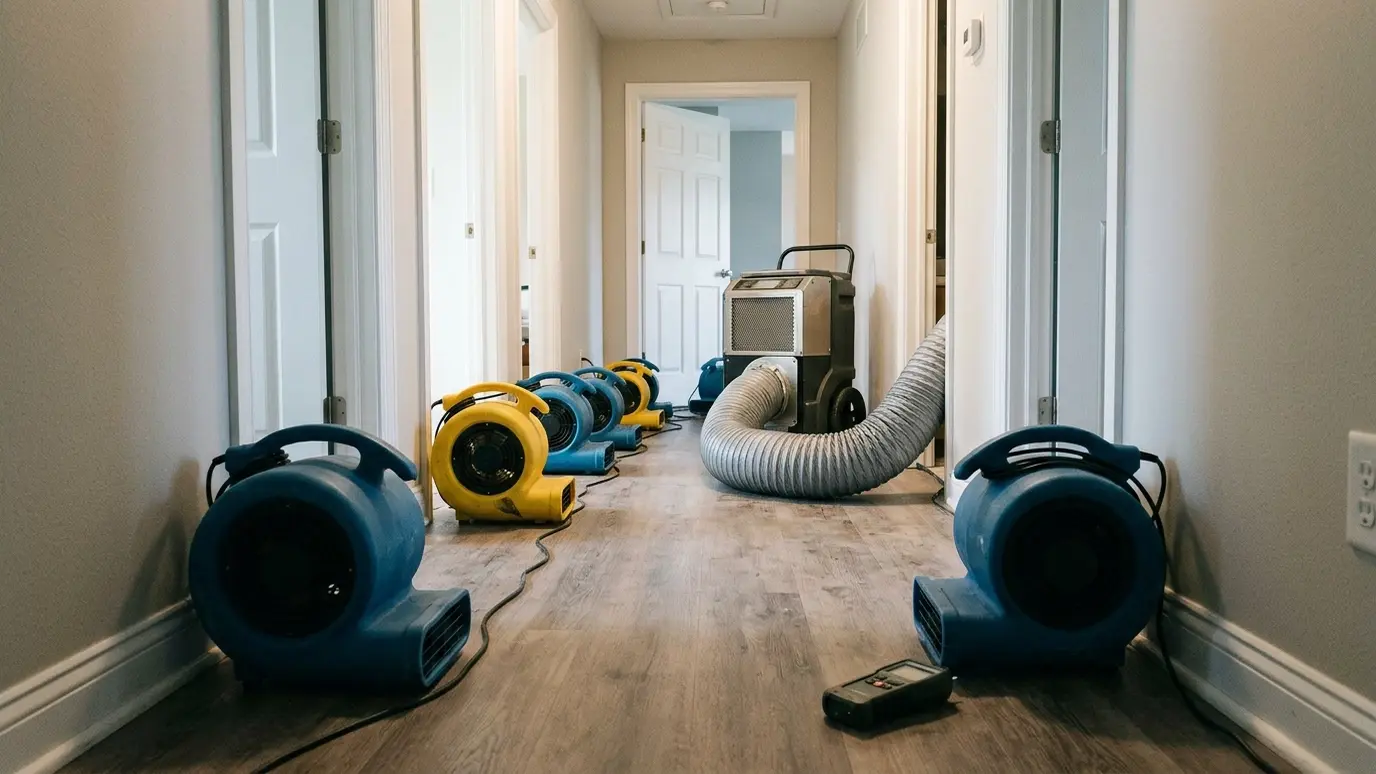 Structural DryingControlled drying of floors, walls and framing using air movers, dehumidifiers and daily moisture readings.Explore
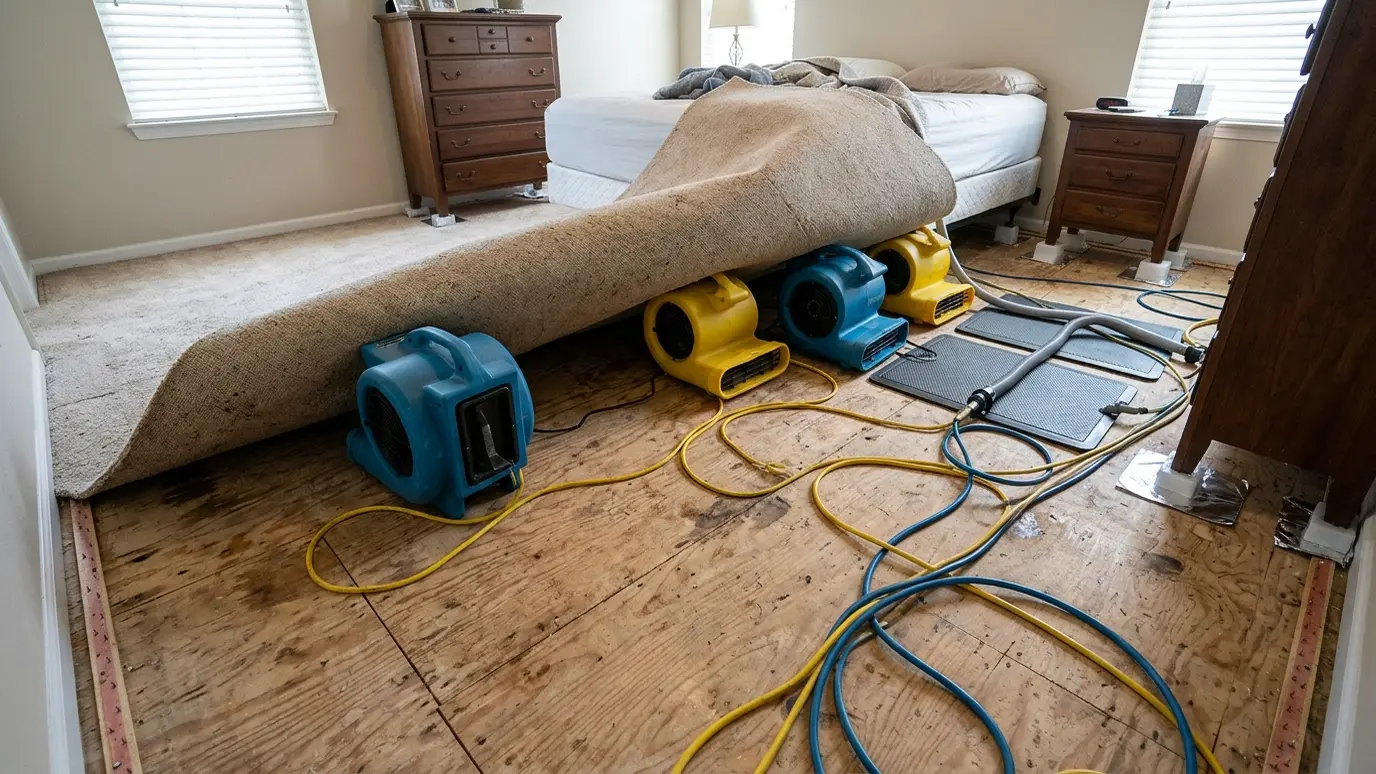 Wet Carpet and FlooringCarpet, pad, hardwood, laminate and tile floors dried or replaced the right way after water damage.Explore
Estimate drying, check mold risk or ballpark the cost.
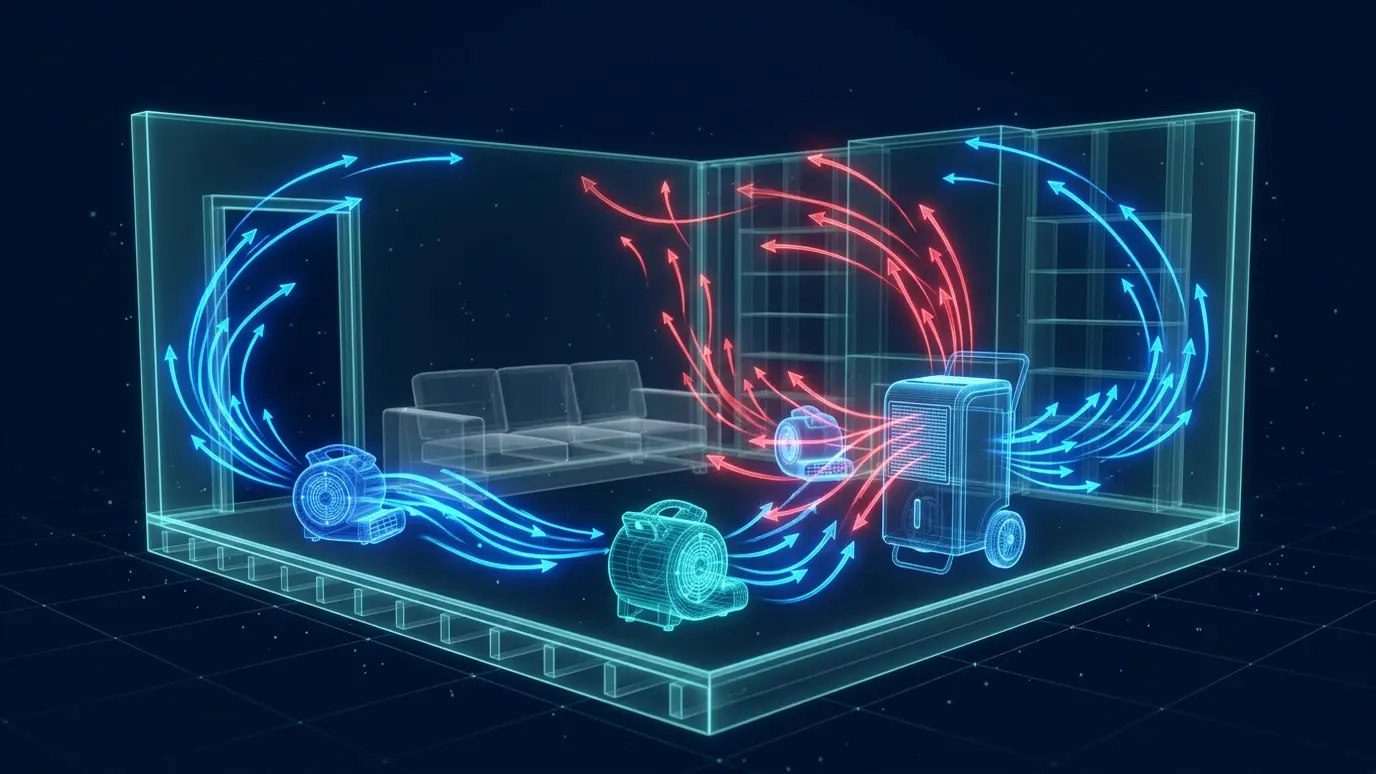 Drying Equipment and Time EstimatorEnter the room size and the wet area and see a planning count of air movers, dehumidifier capacity and typical drying days.Try it
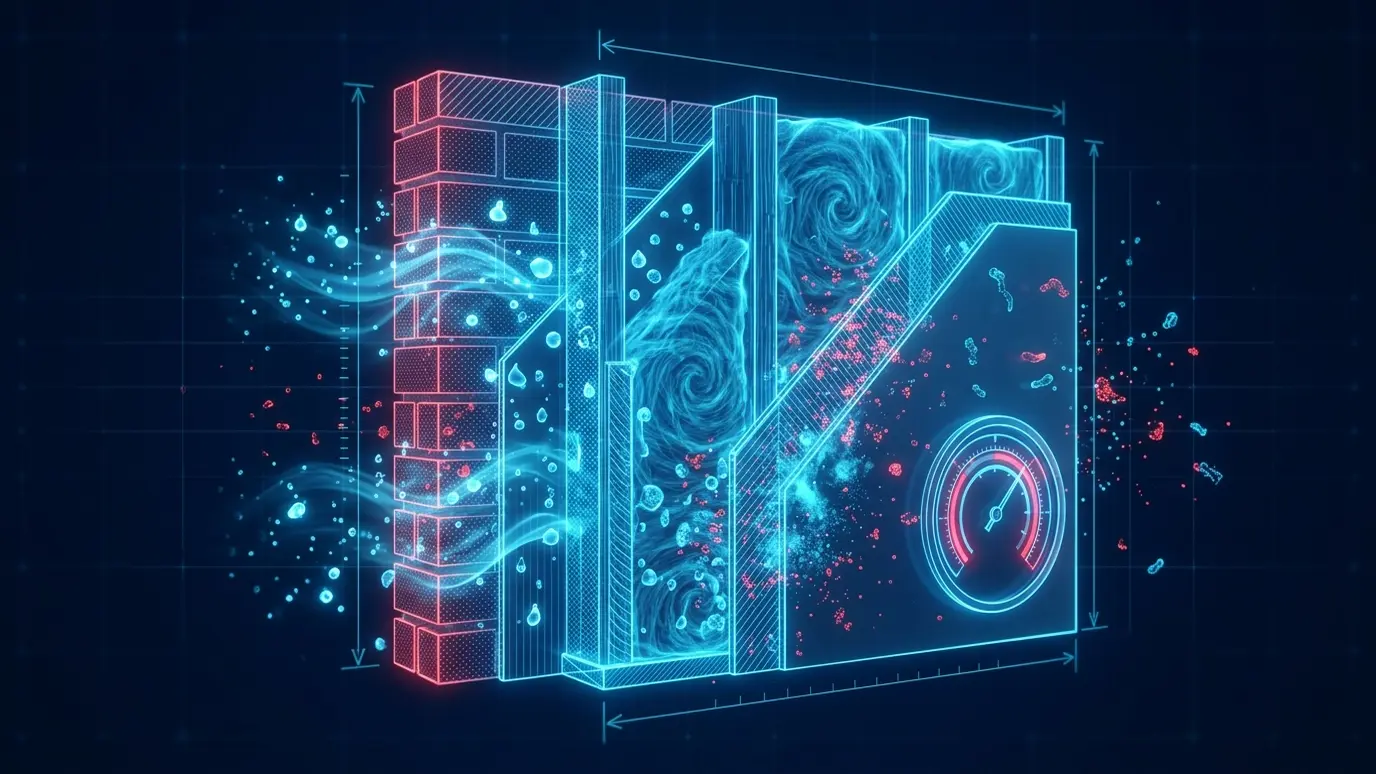 Mold Risk CheckerEnter how long materials have been wet, the humidity and the materials affected and see the mold risk and what to do next.Try it
 Restoration Cost EstimatorPick a project and a size and get a ballpark planning range.Try it
It depends on floor area, wall length and wetness. A common planning figure is one per room plus more for large spaces. Our drying tool gives an estimate.
They dry the air. Air movers and the right conditions help the walls give up moisture.
Household fans and dehumidifiers help in small jobs, but they lack the capacity for real losses.
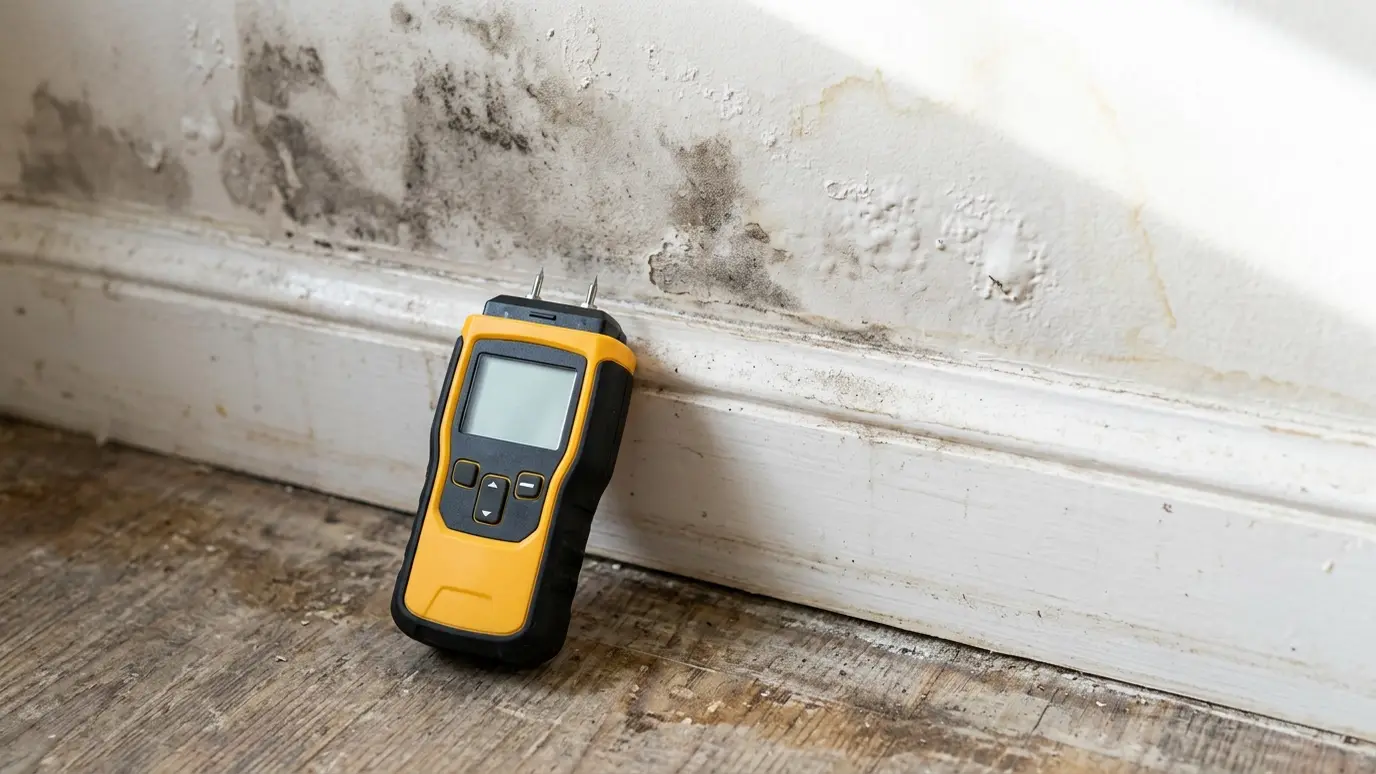 Material guideMoisture DetectionHow meters and thermal cameras find hidden water, what they can and cannot tell you and why they…Learn more
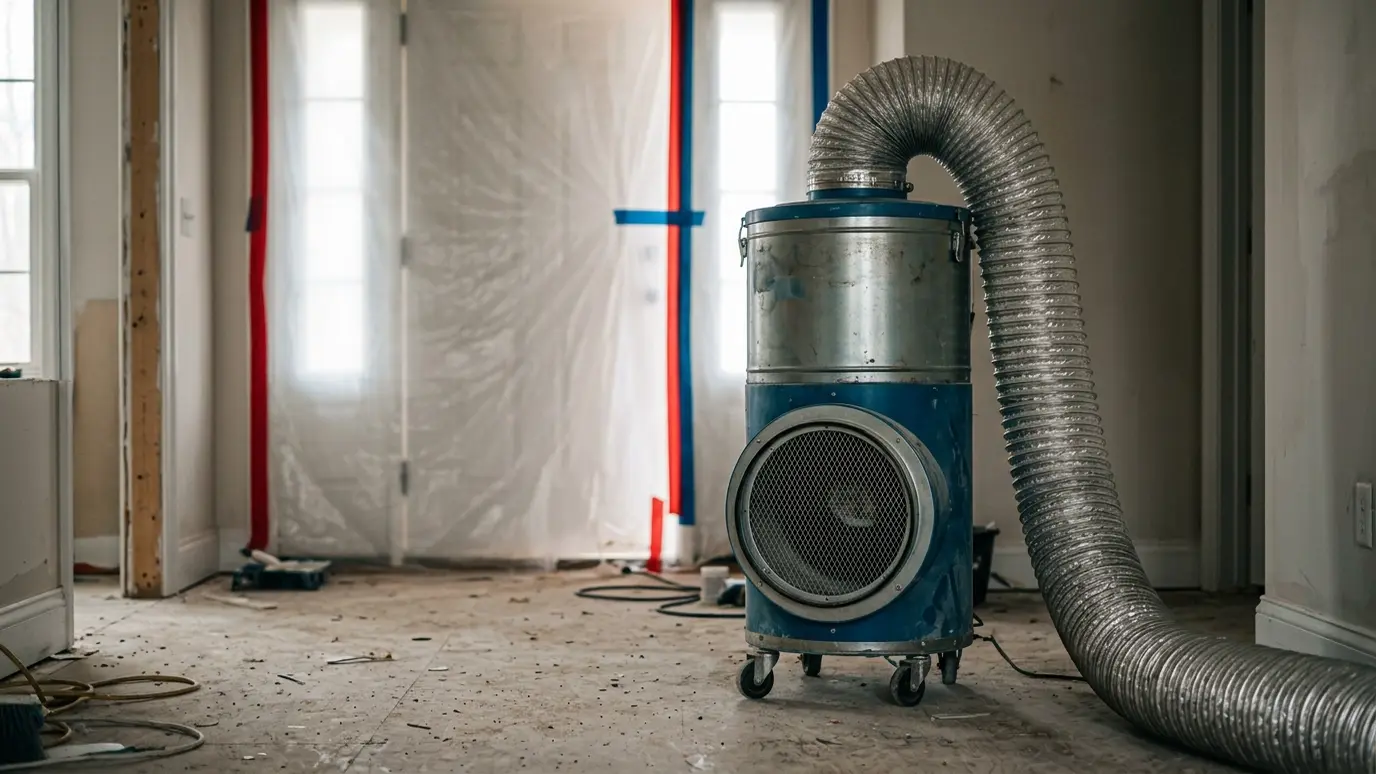 Material guideHEPA Air ScrubbersHow HEPA air scrubbers clean the air during and after restoration, and when they are the right tool.Learn more
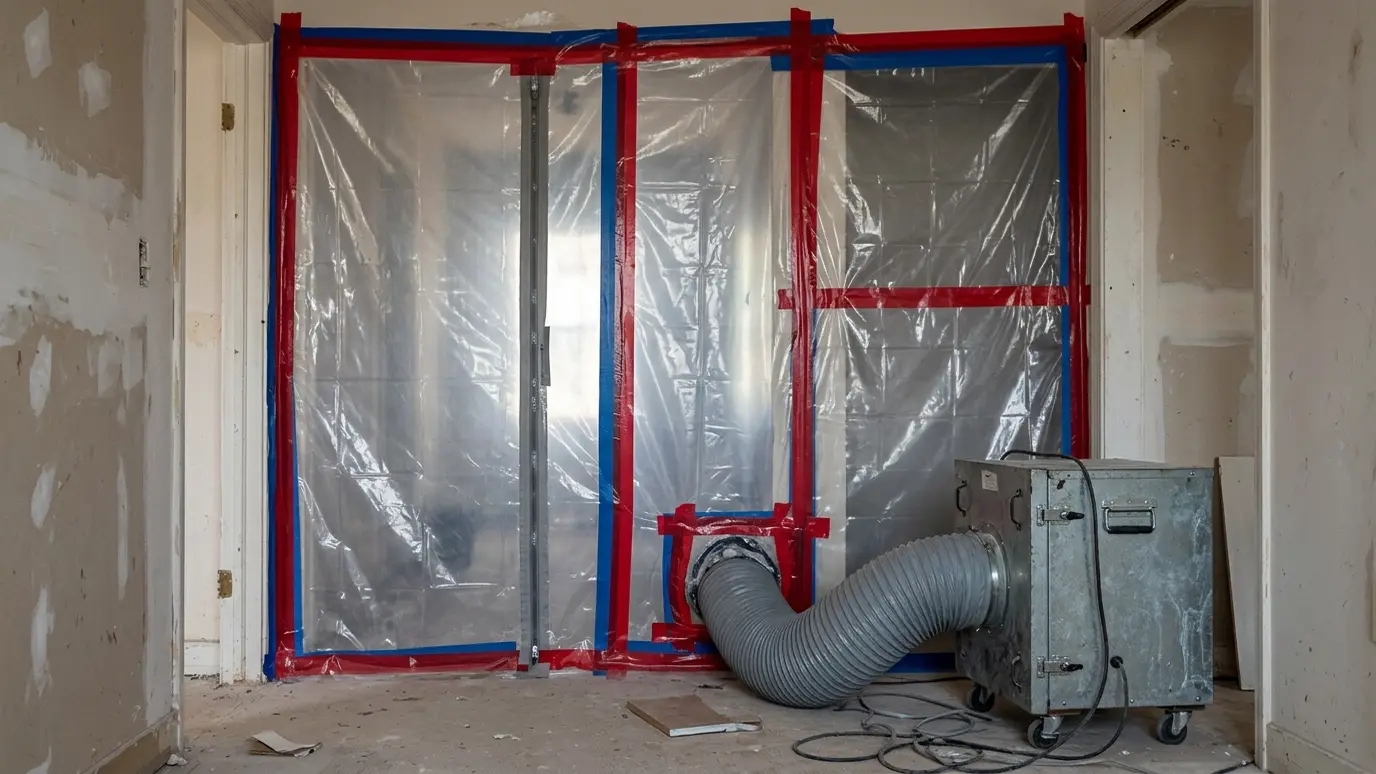 Material guideContainment and Negative AirHow plastic barriers, zipper doors and negative air machines keep dust, spores and soot where they belong.Learn more
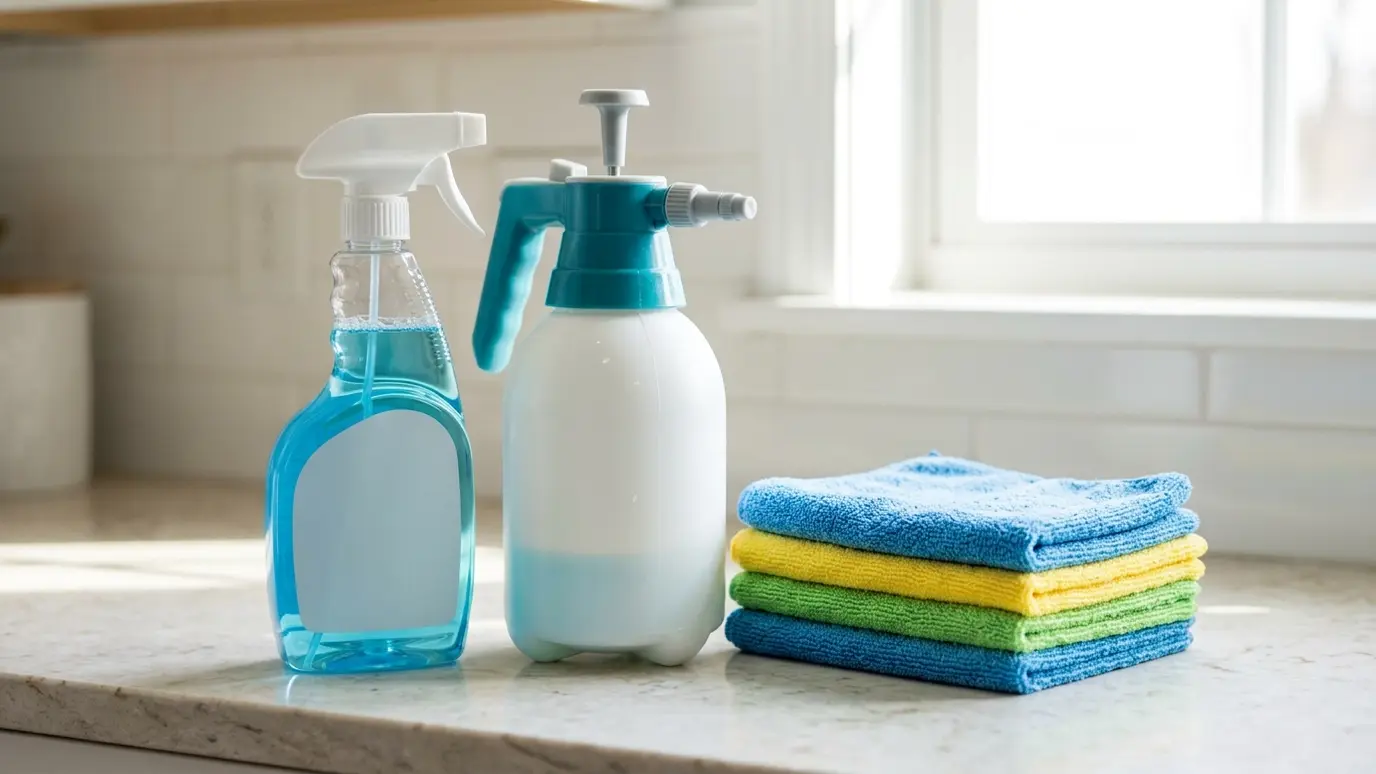 Material guideAntimicrobials and CleanersWhat antimicrobial treatments, degreasers and disinfectants do after a loss, and why cleaning comes before spraying.Learn more
Call us and we will tell you what is possible. We explain the plan, protect your property and document the work.