
Size and extent of the loss
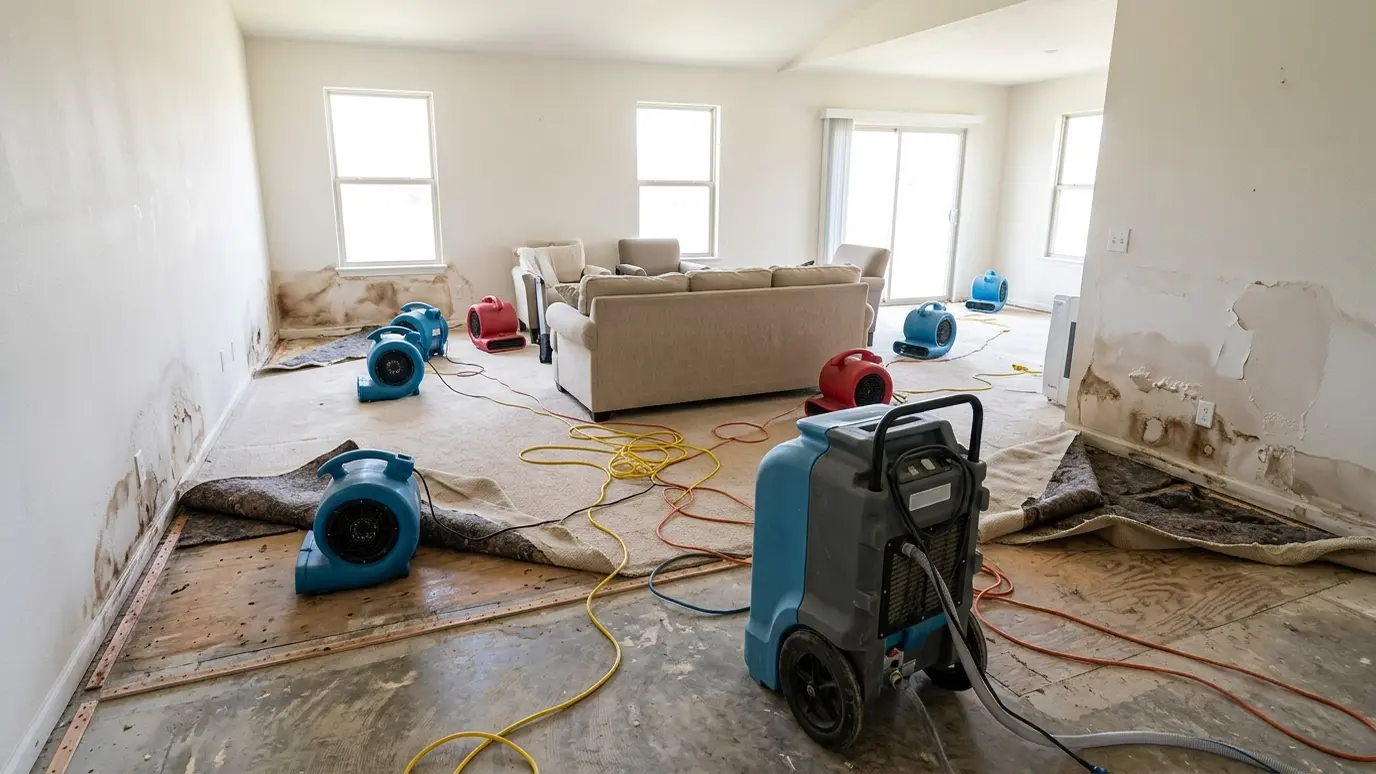
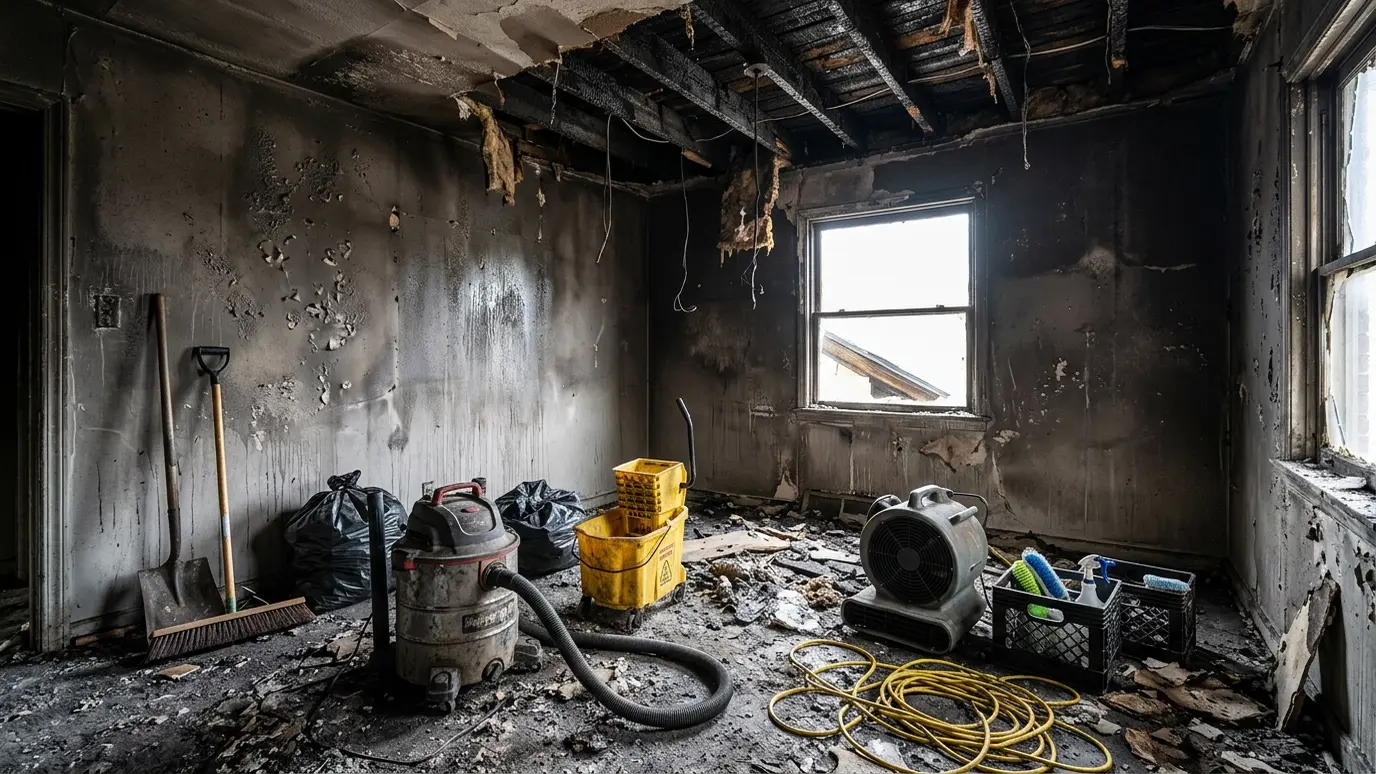
The number of rooms and the amount of wet or damaged material drive most of the cost. A single room with clean water is a small project, while a whole floor, a basement or a house with fire damage is a large one.
Hidden spread matters too. Water that moved into walls and the floor below adds area, equipment and time.
Category of water and type of damage
Clean water is the simplest to handle. Gray and black water require removal of porous materials, extra cleaning and protective procedures, which raise the cost.
Fire and mold jobs involve containment, specialized cleaning and often rebuild work that clean water losses do not.
Equipment and days on site
Drying equipment is usually billed per piece per day. A fast start and a good plan keep the number of days down. Ask how many machines are planned and how long they expect to run.
Materials removed and rebuilt
Carpet, pad, drywall, insulation and flooring that must be replaced add materials and labor. Quotes should state what is being removed and what is being rebuilt, and whether rebuild is included.
Emergency and after-hours work
Calls at night or on weekends may cost more because crews and equipment are mobilized quickly. Quick action usually reduces the overall loss, so it often pays for itself.
How to compare quotes
Compare scope, not totals: rooms, categories, equipment, days, what is removed and what is rebuilt. Ask for a written estimate, ask how the price changes if conditions differ and ask what documentation you will get.
Compare written scopes, ask about equipment days and ask what is included in documentation.