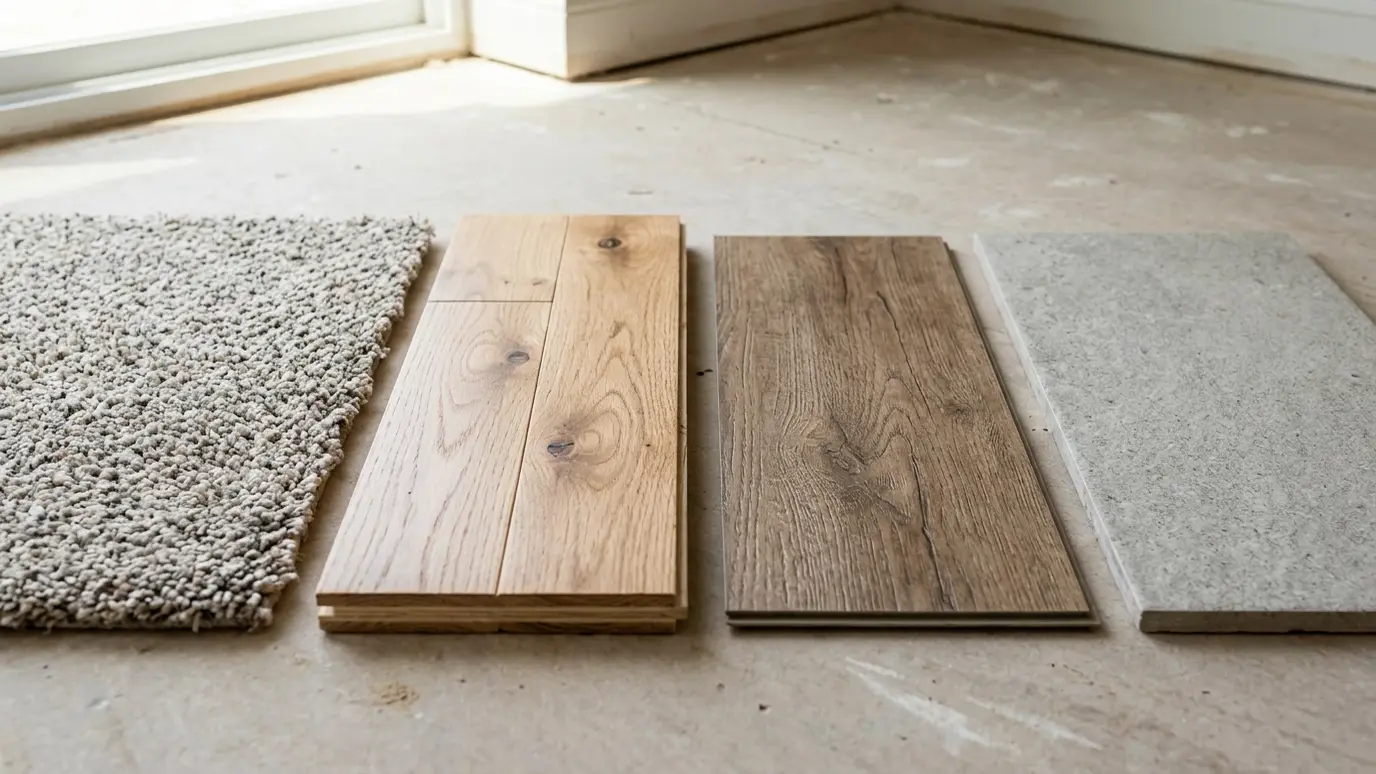
Carpet, hardwood, vinyl, laminate and tile respond differently to water. Here is what can be dried and what usually has to go.
Flooring decides much of the cost of a water loss. Some floors dry well, some can be saved with special equipment and some have to be replaced even if the water was clean.
Tile and sheet vinyl resist water, but water can sit beneath them. Hardwood can often be dried with mats if action is quick. Laminate and engineered floors swell and may not recover. Carpet can sometimes be saved, but the pad is usually replaced. Dirty water changes everything: porous flooring that absorbed it is discarded.
Pad usually replaced.
Can be dried if work is quick.
Often swell and fail.
Check beneath the surface.
Must be dry before new flooring.
Dry, repair or replace.
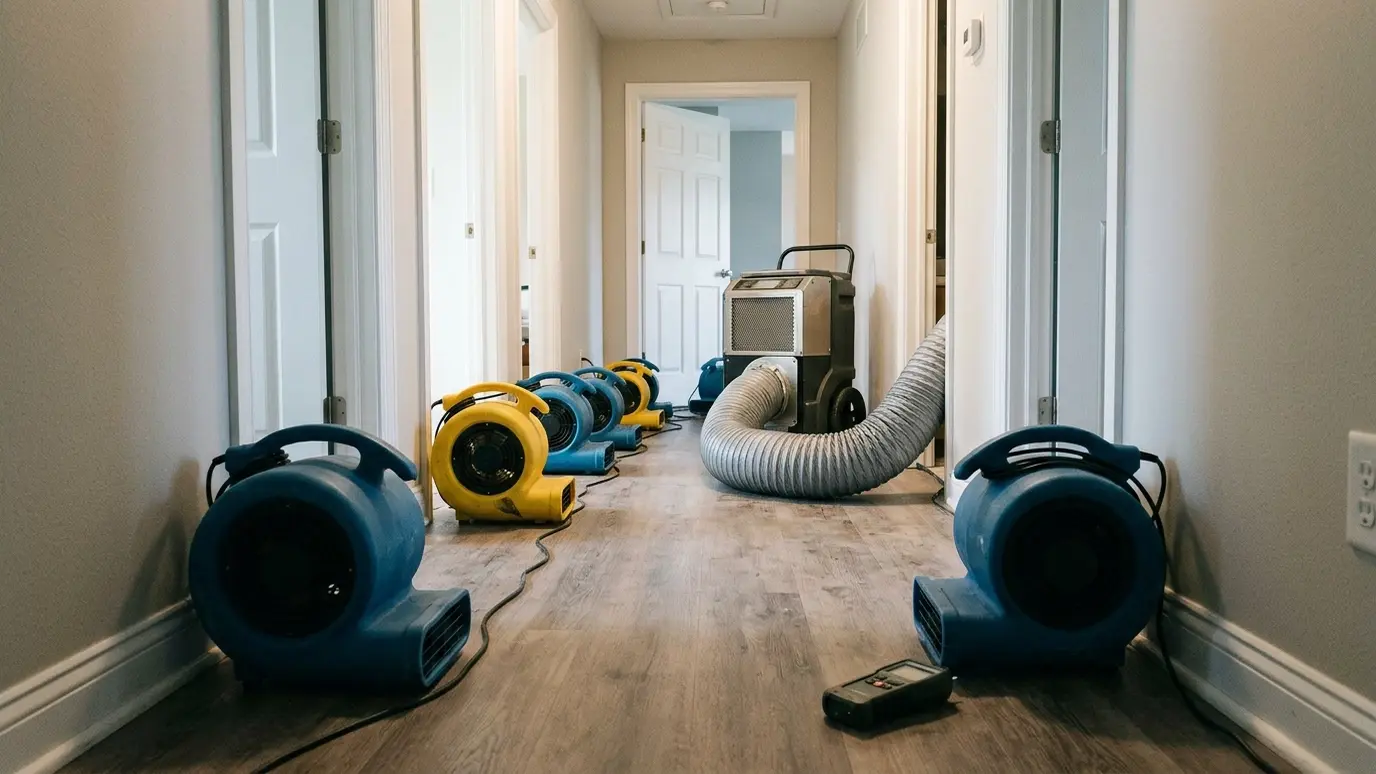 Structural DryingControlled drying of floors, walls and framing using air movers, dehumidifiers and daily moisture readings.Explore
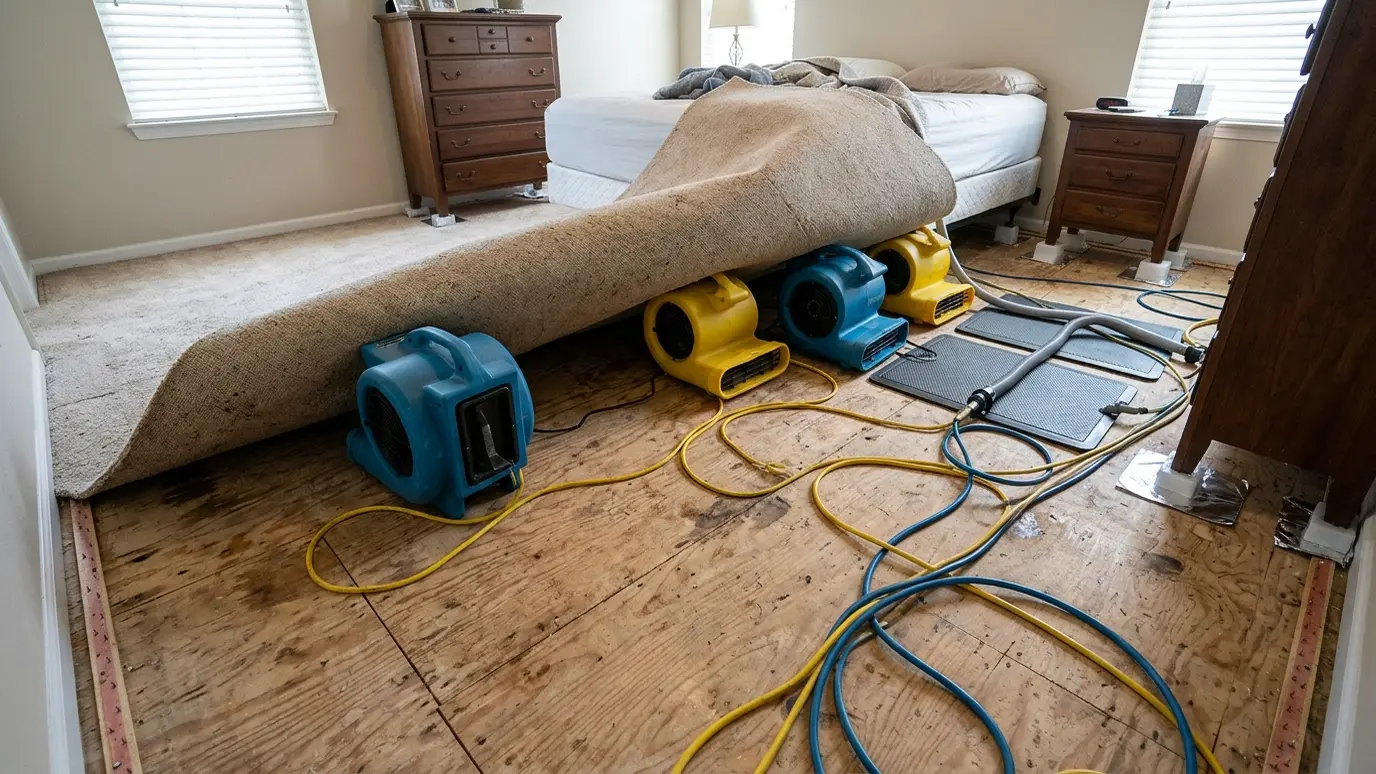 Wet Carpet and FlooringCarpet, pad, hardwood, laminate and tile floors dried or replaced the right way after water damage.Explore
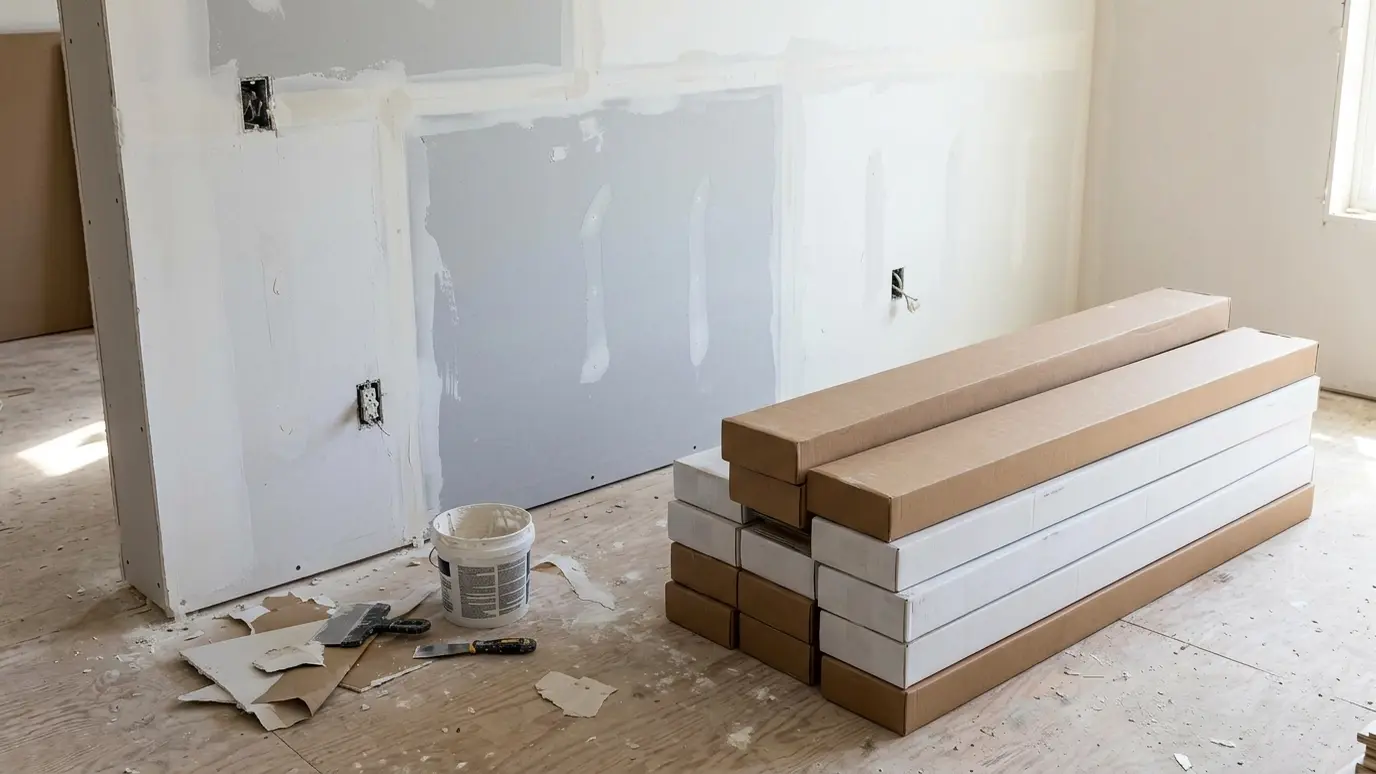 Drywall and Flooring RepairNew drywall, insulation and flooring after water, fire or mold removal, installed and finished to blend with your…Explore
Estimate drying, check mold risk or ballpark the cost.
 Drying Equipment and Time EstimatorEnter the room size and the wet area and see a planning count of air movers, dehumidifier capacity and typical drying days.Try it
 Mold Risk CheckerEnter how long materials have been wet, the humidity and the materials affected and see the mold risk and what to do next.Try it
 Restoration Cost EstimatorPick a project and a size and get a ballpark planning range.Try it
Rarely. It swells and the edges do not recover. Replacement is usual.
Sometimes, if the water was clean and drying started within a day or two.
Tile is durable, but the subfloor and adhesive may be wet. We check.
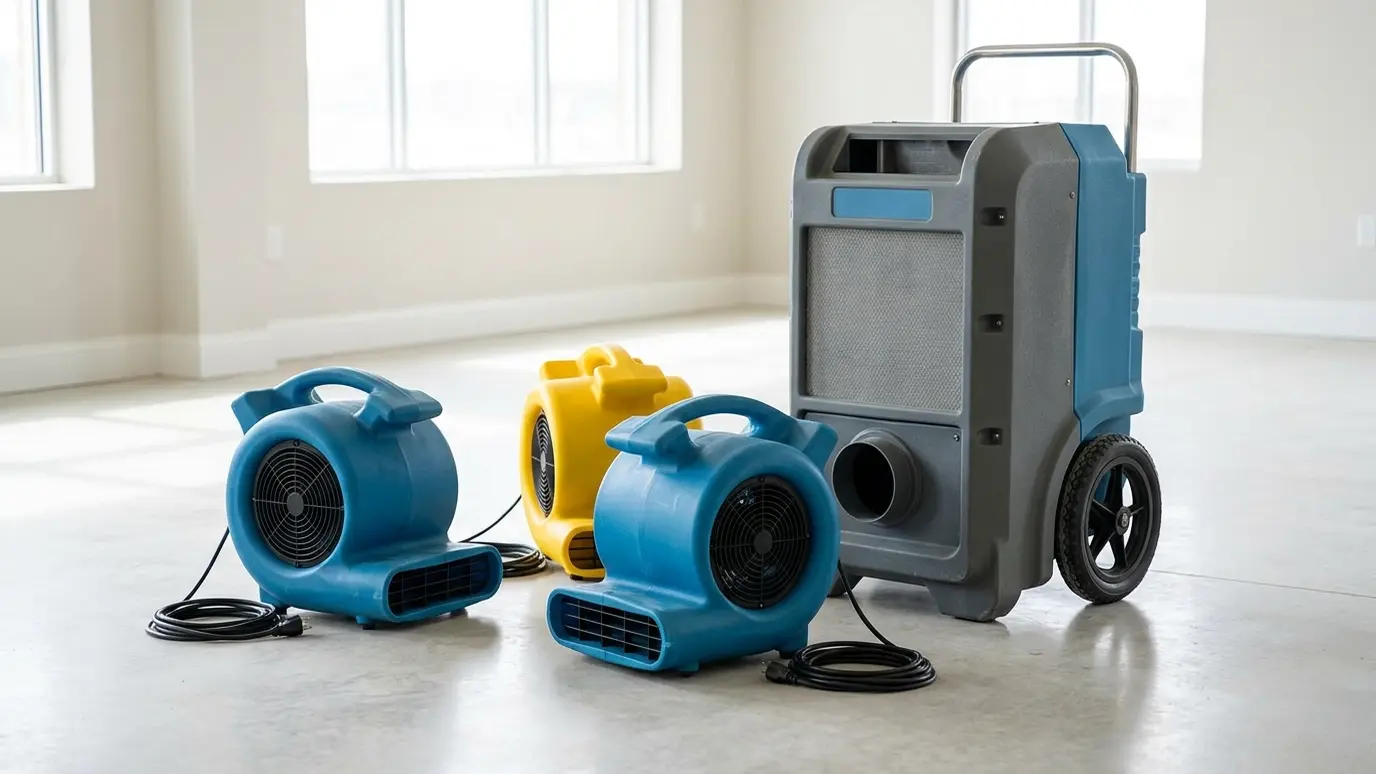 Material guideDrying EquipmentAir movers, dehumidifiers and drying mats explained: what each does, how they work together and why the right…Learn more
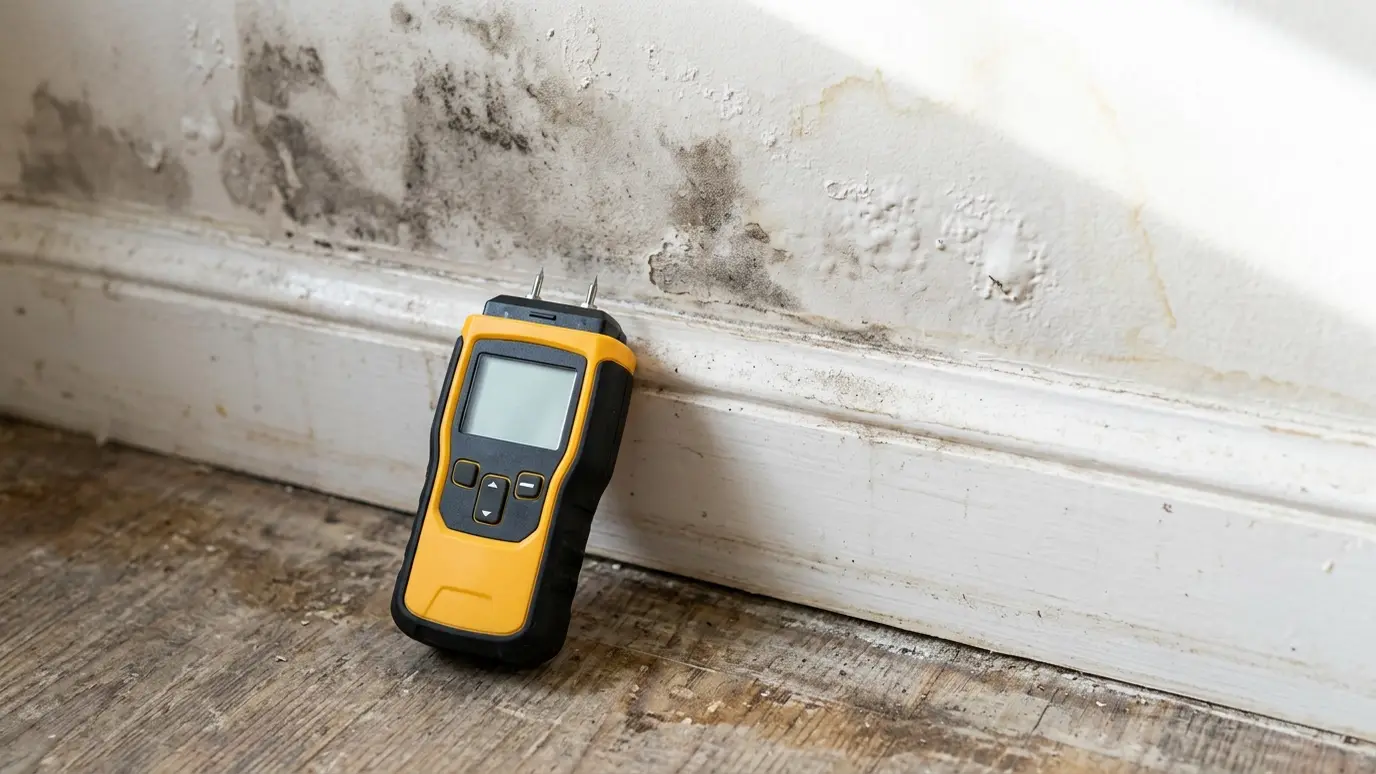 Material guideMoisture DetectionHow meters and thermal cameras find hidden water, what they can and cannot tell you and why they…Learn more
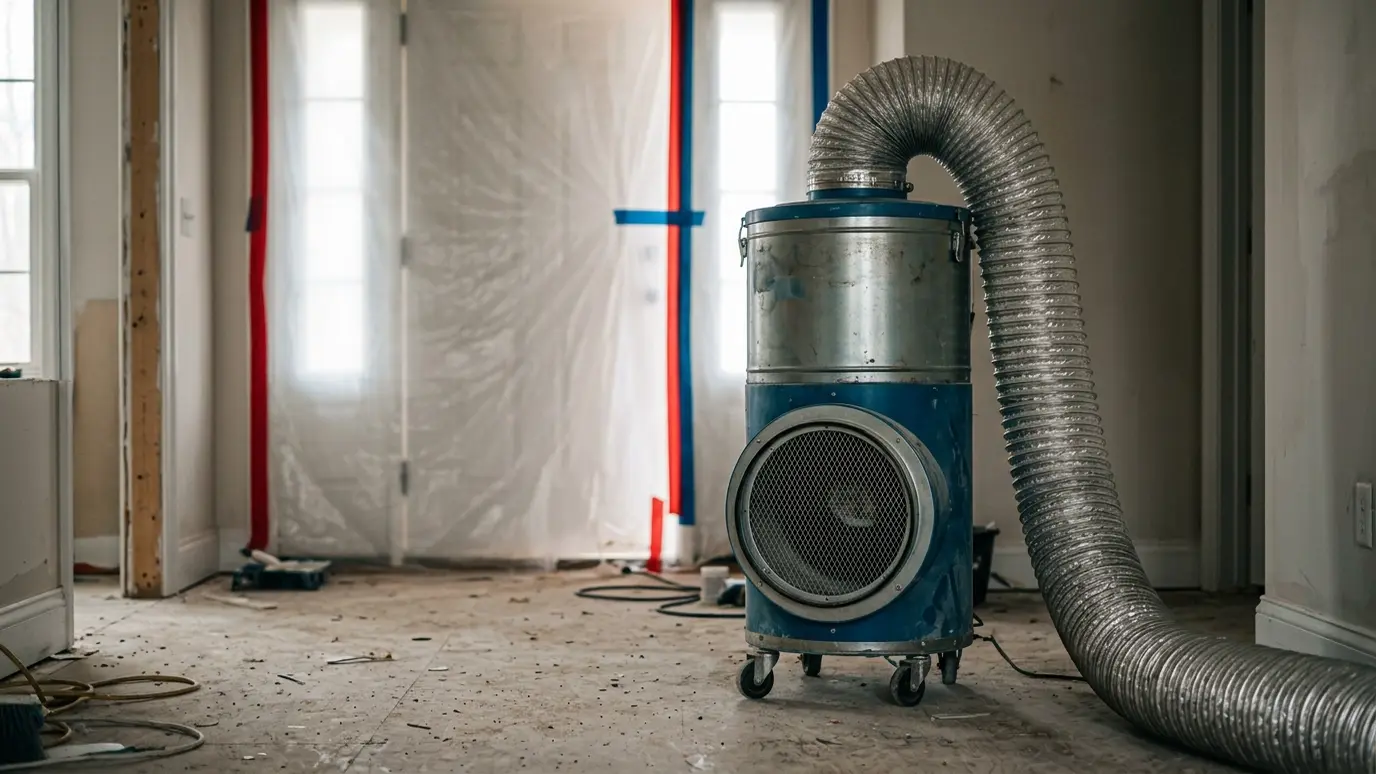 Material guideHEPA Air ScrubbersHow HEPA air scrubbers clean the air during and after restoration, and when they are the right tool.Learn more
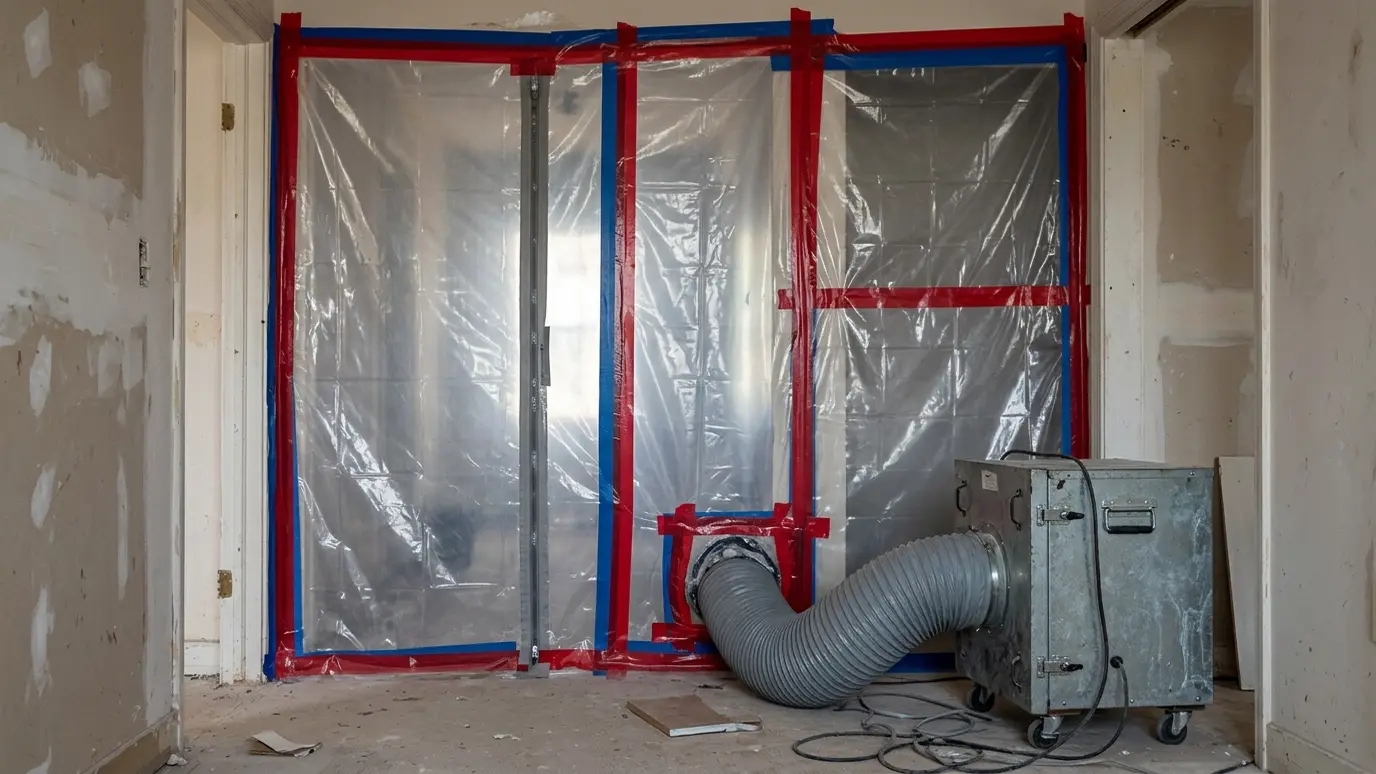 Material guideContainment and Negative AirHow plastic barriers, zipper doors and negative air machines keep dust, spores and soot where they belong.Learn more
Call us and we will tell you what is possible. We explain the plan, protect your property and document the work.