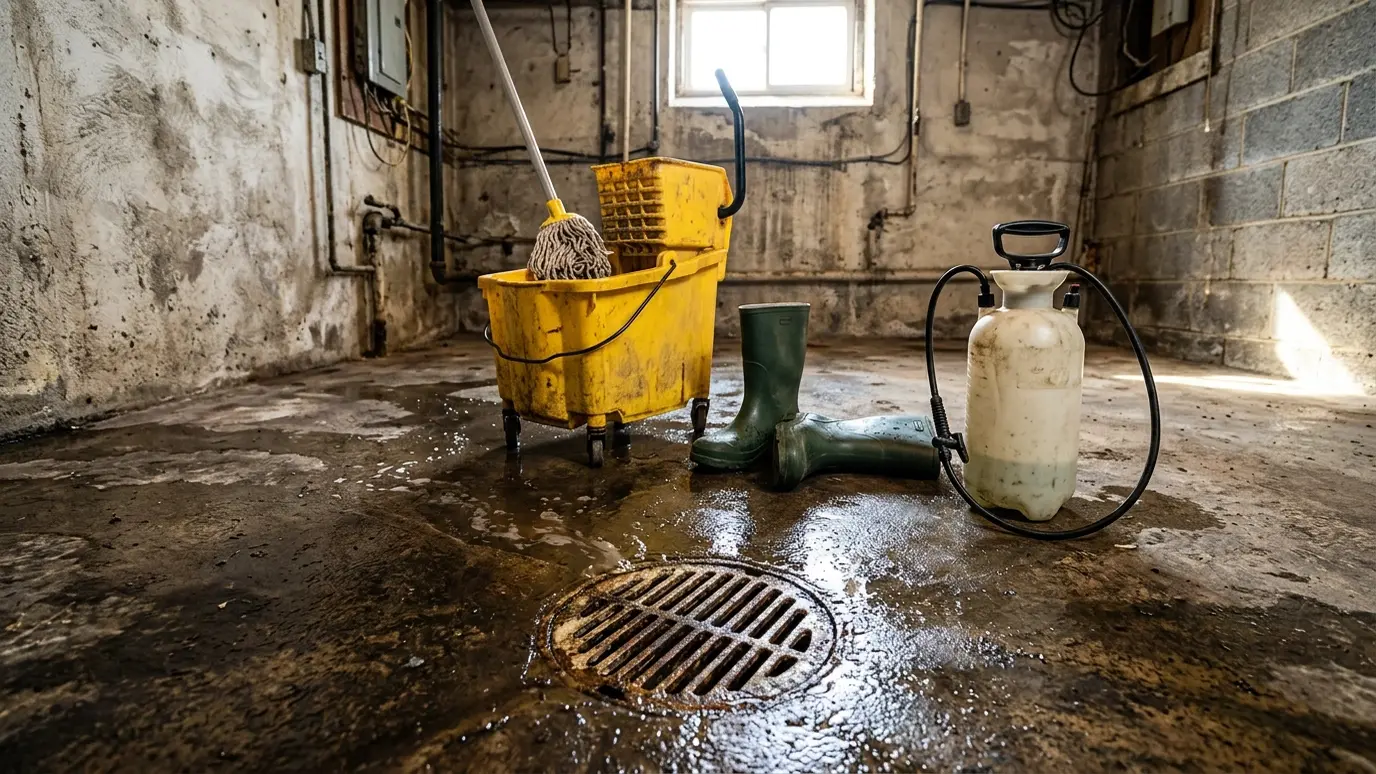
Safe, thorough cleanup of sewage that has backed up into a home, with protective gear, disinfection and careful removal of contaminated materials.
Sewage in the house is a health issue, not just a mess. It carries bacteria and viruses and soaks into porous materials, so it has to be handled with protective equipment and the right cleaning method. Please keep family members and pets out of the area.
We contain the affected space, remove sewage and contaminated materials, clean and disinfect hard surfaces and dry the structure. Carpet, pad and soft items that touched sewage are usually discarded, because they cannot be cleaned to a safe standard. We explain each step before we start.
Sewage water is the most contaminated category of water damage. Porous materials that absorb it generally need to be removed, and surfaces that remain are cleaned and treated.
We seal off the area, use protective suits, gloves and respirators and keep contamination from spreading to clean rooms. Air scrubbers can help in enclosed spaces.
A clogged line, a collapsed pipe or a municipal backup each call for a different response. A plumber should clear and inspect the line, and we coordinate the timing.
Wash hands thoroughly after any contact, keep contaminated items separate and do not mix cleaning chemicals. If anyone feels unwell, call a doctor.
Drag the handle to compare.
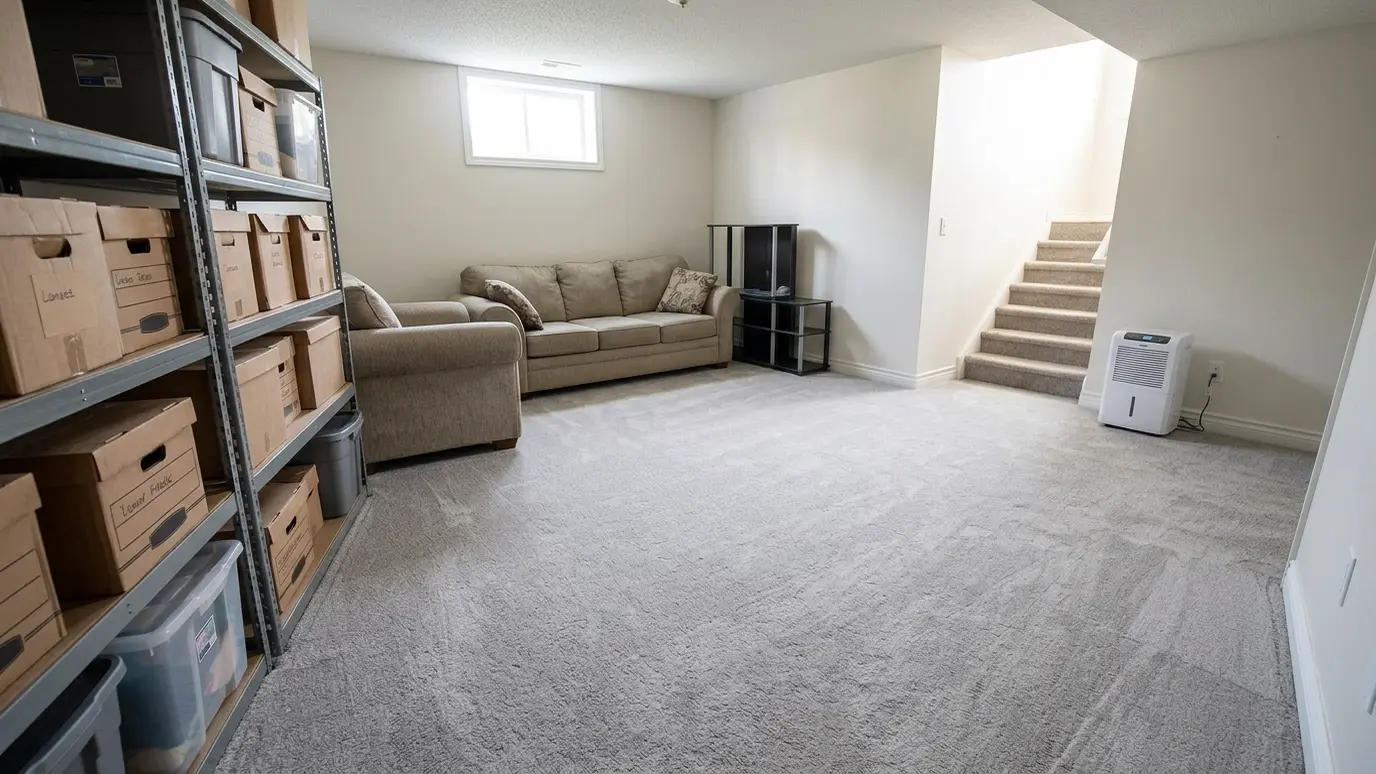
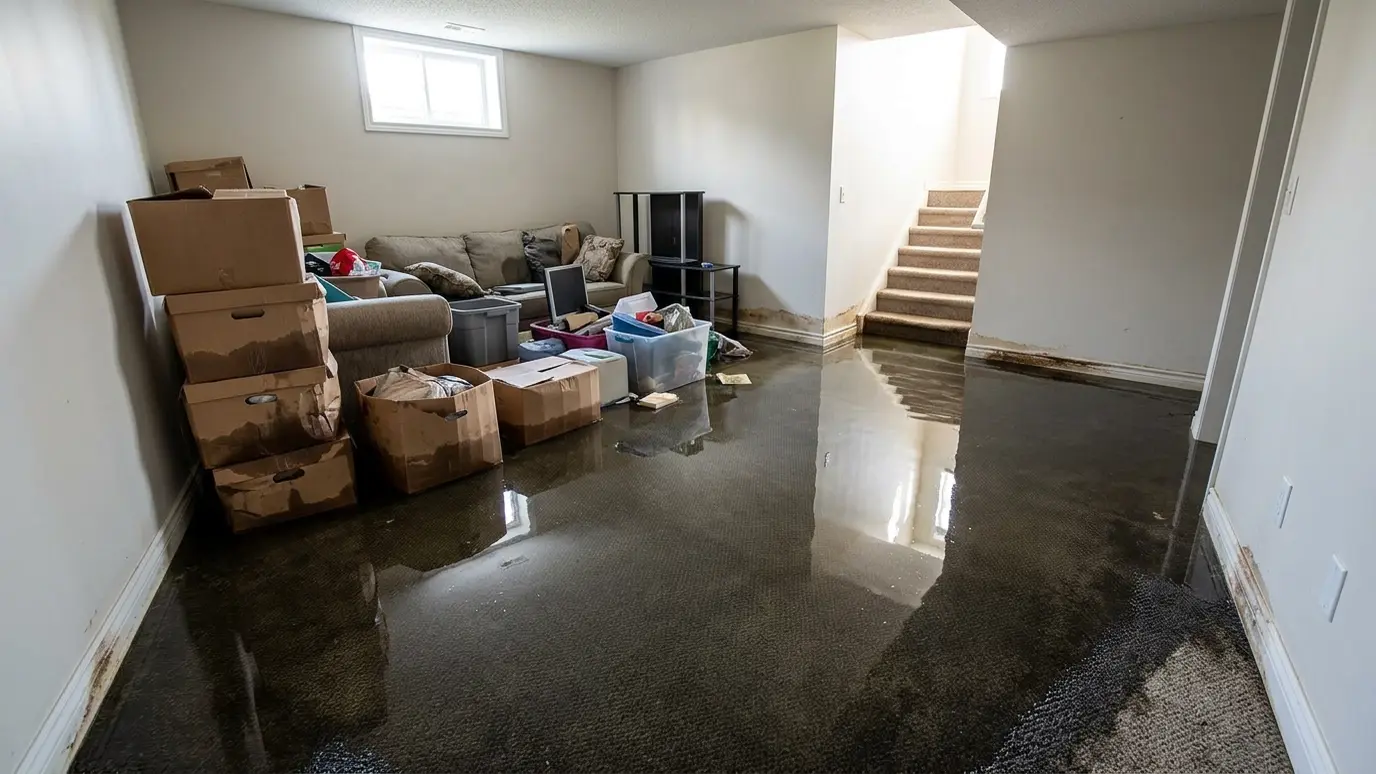 BeforeAfter
Suits, gloves and respirators for every job.
Sewage and contaminated materials taken out properly.
Hard surfaces cleaned and treated.
The affected area sealed off.
Cleanup timed with the line repair.
You know what stays and what goes.
Every topic has its own page with what to expect and how we approach it.
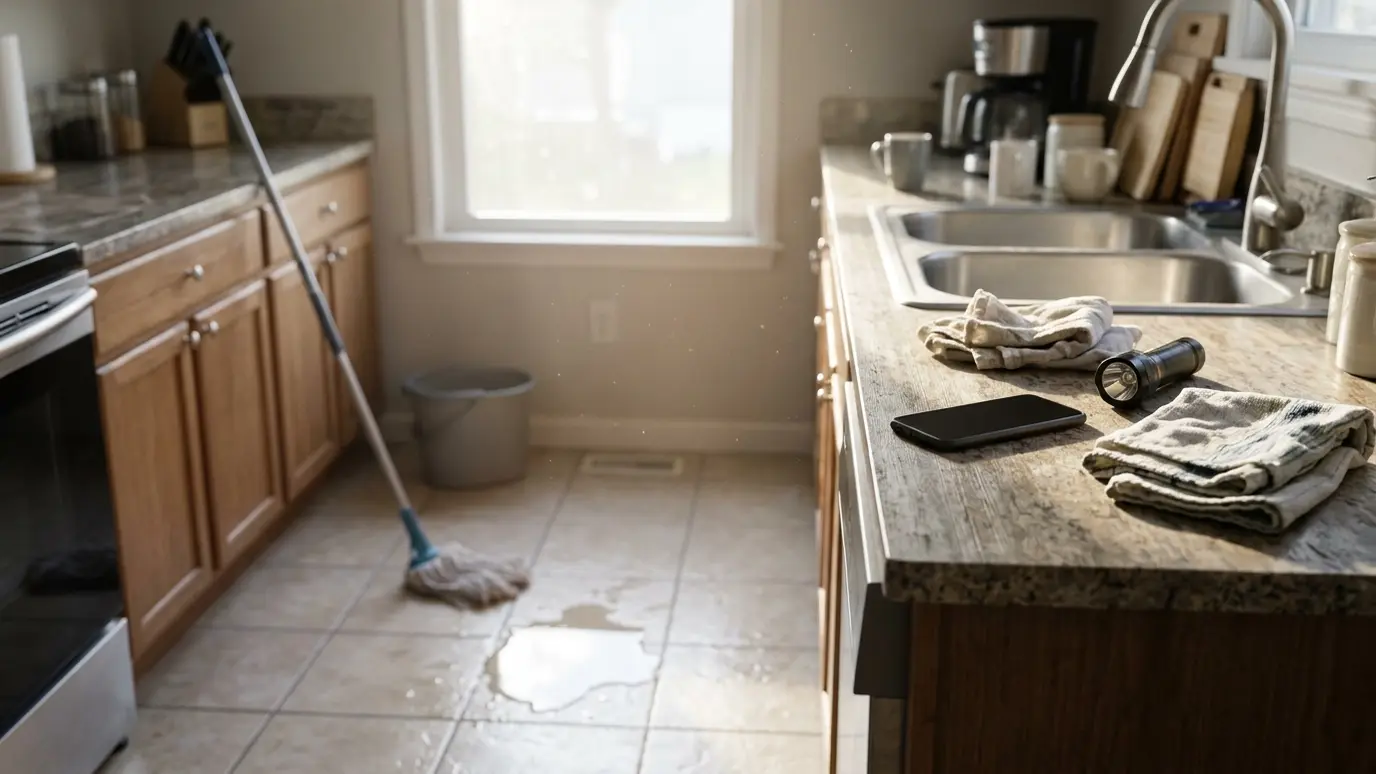 SituationThe First HoursThe first hours after water, fire or storm damage decide how big the problem gets. Here is what…Learn more
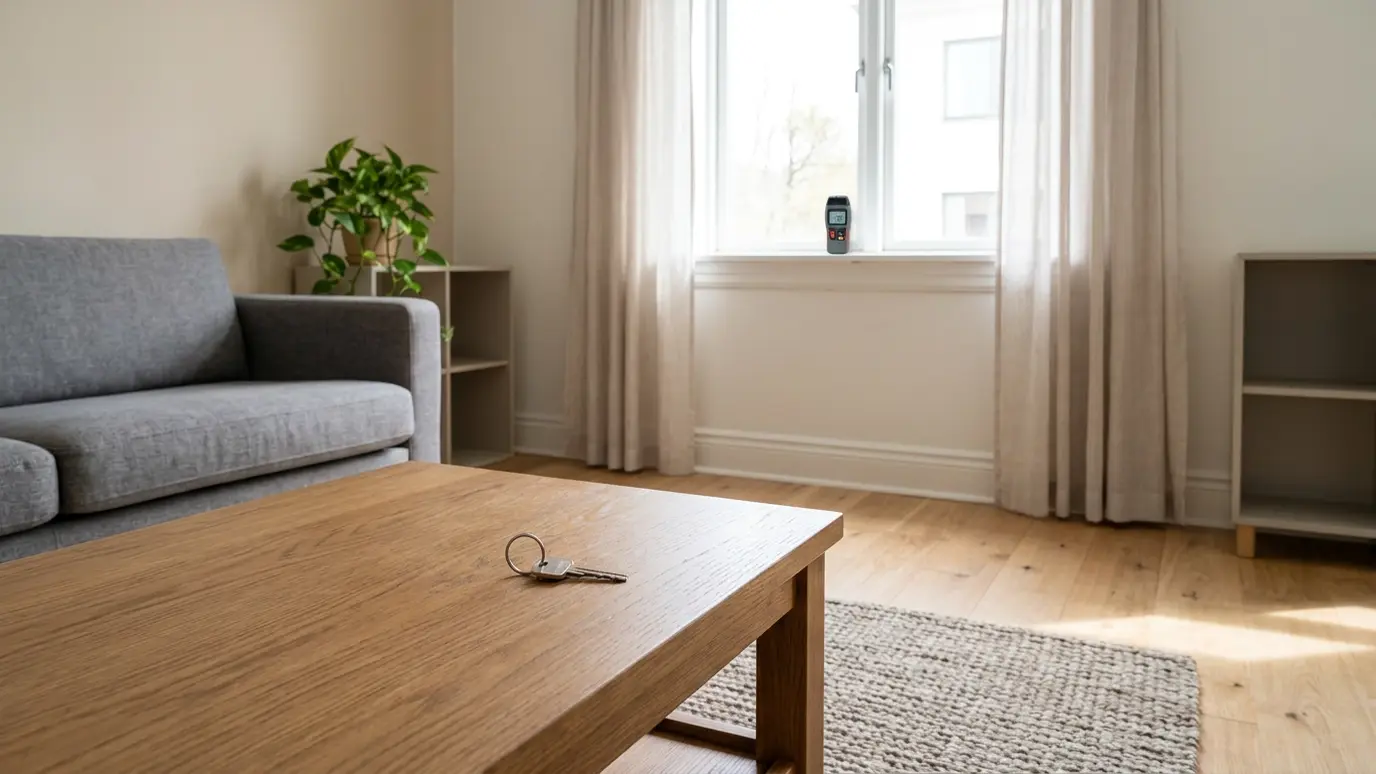 SituationLandlords and RentalsRestoring rental homes and apartments quickly, with tenant coordination, documentation and a focus on getting the unit back…Learn more
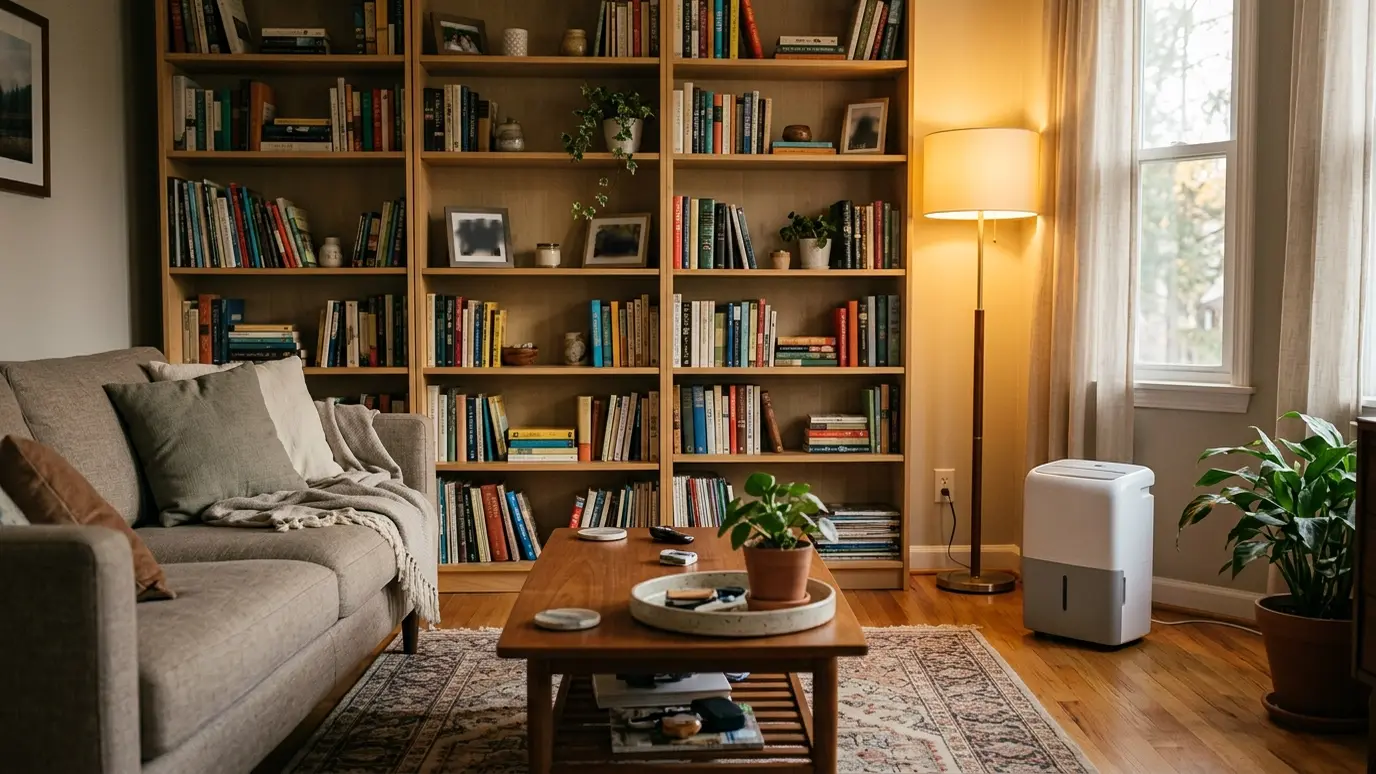 SituationHomeownersWhat homeowners should expect during a restoration project, from first call to final walk-through, and how to stay…Learn more
Answer a few questions about the water source and what got wet and see the likely category and class, with what each means.
Tell us what happened and send photos if you can. We guide you on safety and plan the visit.
We find the source, map the damage with meters and thermal imaging and explain the plan.
Water extraction, board-up, tarping and removal of materials that cannot be saved.
Air movers, dehumidifiers and careful cleaning, with containment for fire and mold work.
Moisture readings and equipment adjustments until the structure is dry.
Repairs, paint and a final walk-through, with records you can keep.
Small spills on hard floors may be handled with protective gear and disinfectant, but larger backups soak into materials and are a health risk. We recommend professional cleanup.
Carpet and pad that absorbed sewage are usually removed and discarded. Hard flooring is cleaned and treated.
It depends on the size and location of the backup. Keep children, pets and anyone with health concerns away until the area is cleaned.
Coverage varies by policy. We document the loss thoroughly so you can discuss it with your insurance company.
Do not mix bleach with other cleaners, and bleach alone does not clean porous materials. Professional cleanup is safer and more thorough.
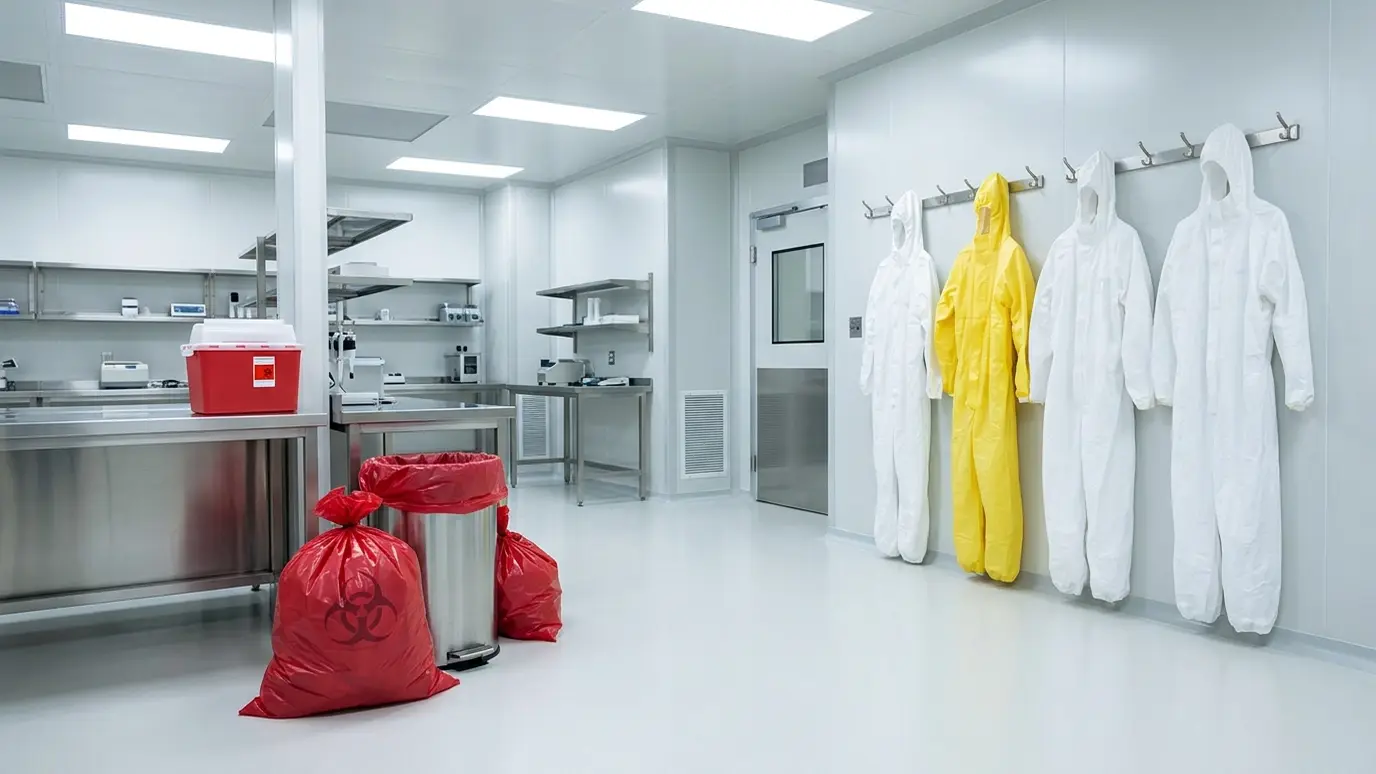 Biohazard CleanupCareful cleanup of blood, bodily fluids and other biological hazards, with protective equipment, disinfection and proper waste handling.Explore
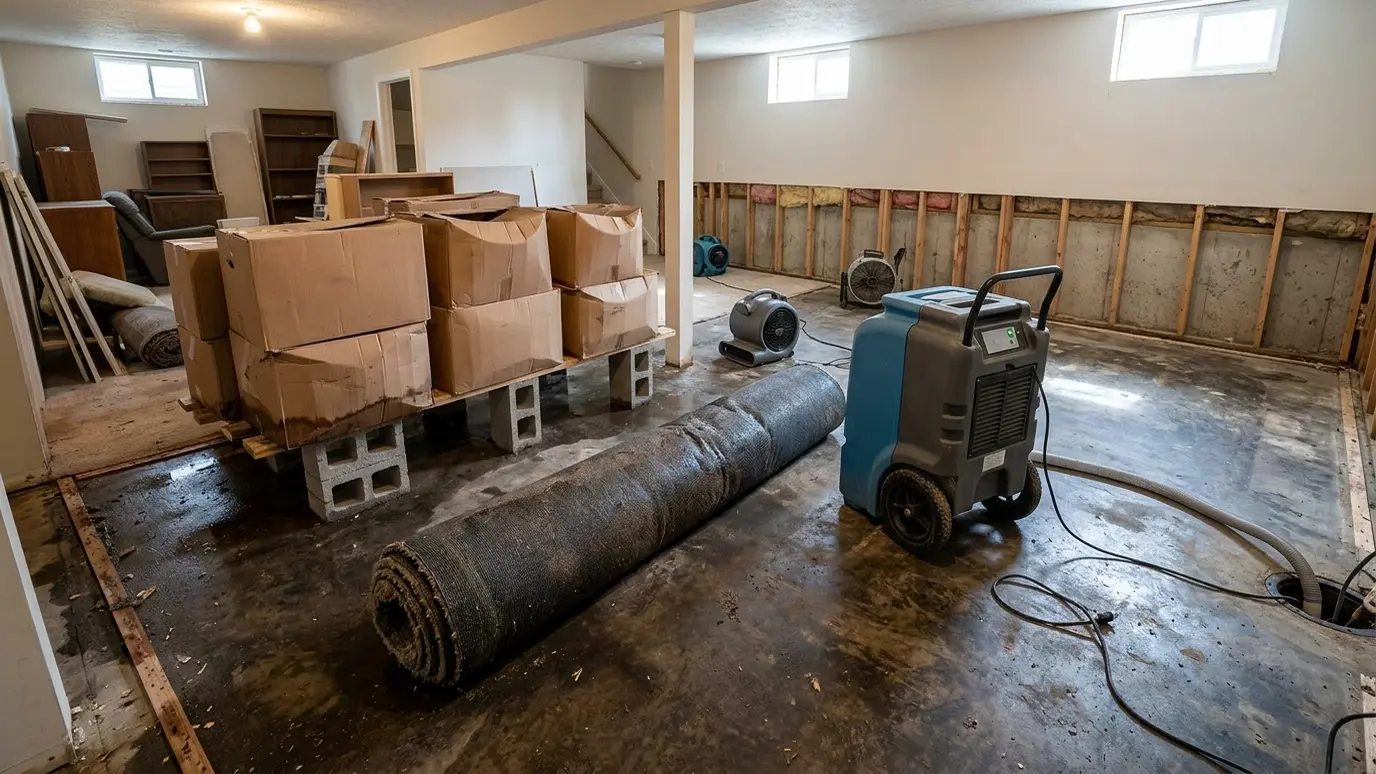 Basement Flooding CleanupWater removal, cleaning and drying for flooded basements, including finished spaces, storage areas and mechanical rooms.Explore
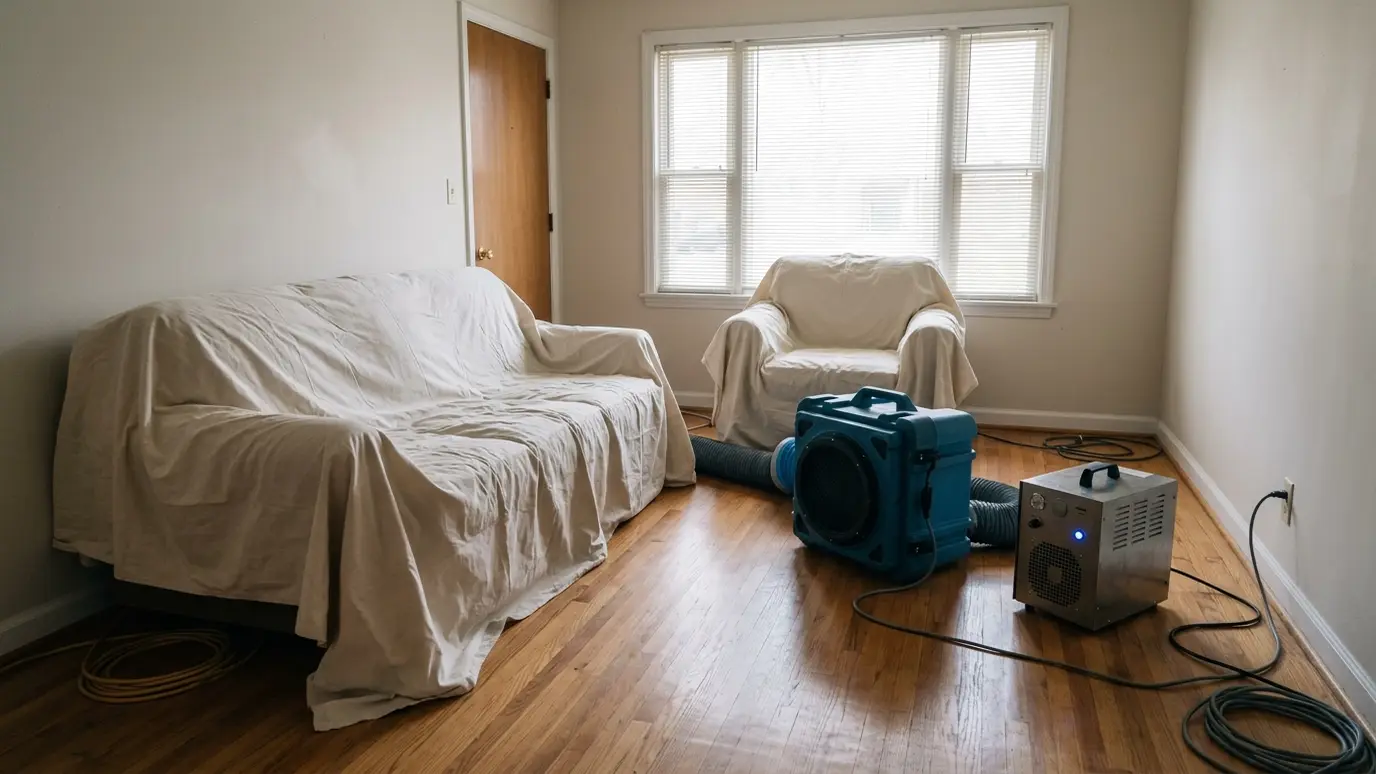 Odor RemovalSmoke, pet, mildew, cooking and sewage odors removed at the source with cleaning, air treatment and sealers.Explore
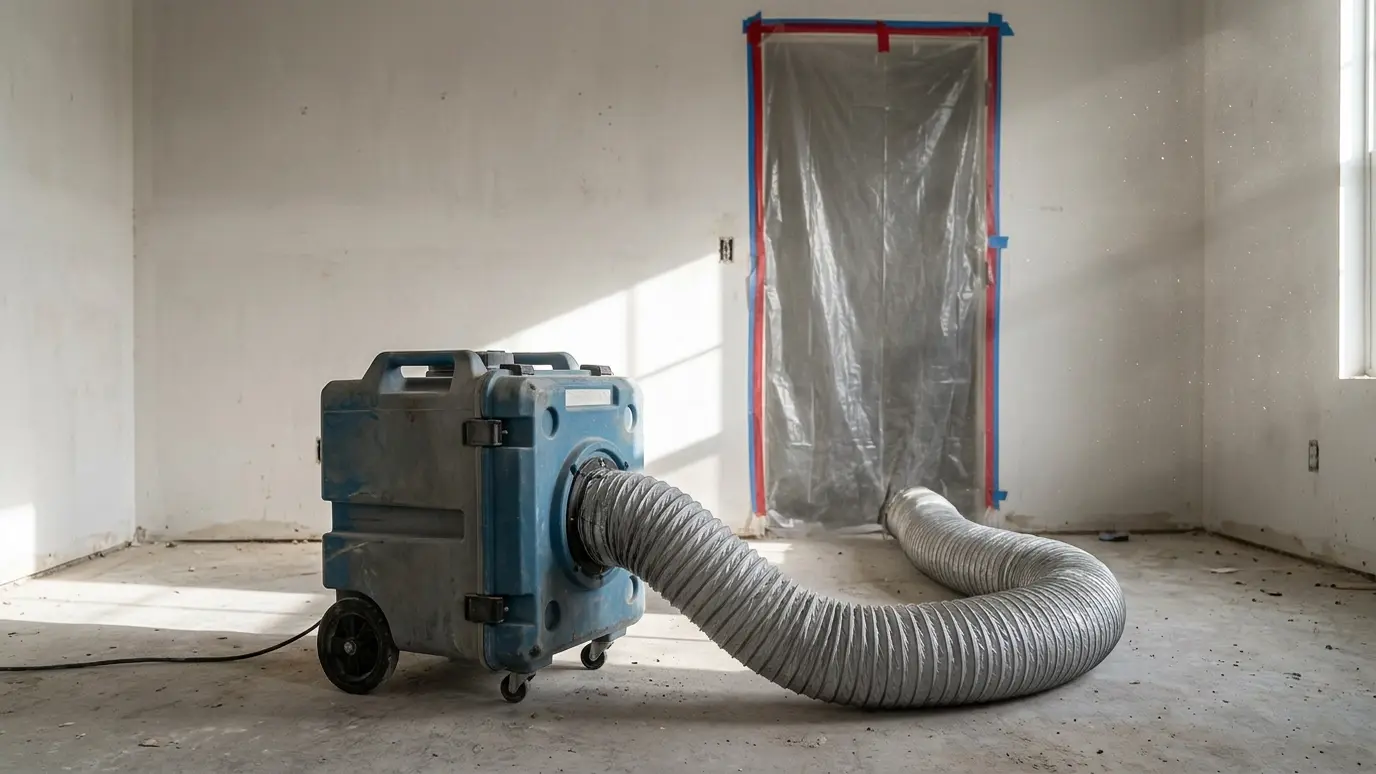 HEPA Air ScrubbingHEPA air scrubbers clean dust, soot and mold spores from the air during and after restoration work.Explore
Tell us about the job and we will call you back quickly.
Or call (615) 357-7797 to talk now.